
-
AboutHebei Linaier Rubber Products Co., Ltd. is located in Duqiao Industrial Zone, Jingxian City, Hebei Province, adjacent to Dezhou, Shandong. Founded in early 2001 with a registered capital of 35 million yuan, it is a scientific

-
ProductMain products: vertical and horizontal imported and domestic filter plates, diaphragm plates, diaphragms and accessories; pinch valve sleeves and pinch valves and various mining accessories.
-
NewsIn 2013, our company's high-pressure cylinder with phenolic cloth support and guide ring obtained the national key new product certificate, project number: 2013GRA20011; its products in coal cylinders and engineering hydrauli
-
ServiceWe will actively cooperate with more enthusiasm, strengthen internal management, expand the market externally, improve various performance indicators of existing products, and truly achieve our win-win situation!
-
RecruitmentOur company always adheres to the talent concept of "people-oriented", provides a growth platform for talents, and realizes the common growth and development of enterprises and talents.


language
English
العربية
বাংলাদেশ
Български
Hrvatski
Česky
Dansk
Nederland
 Esperanto
Slovenski
Filipino
Suomi
Français
Maori
 Shqiptare
Georgian
 Euskara
Deutsch
Ελλάδα
ישראל
इंडिया
Magyarország
Ísland
Indonesia
Irlanda
Italia
日本語
Sovensko
Հայաստան
한국
Kyrgyz
ປະເທດລາວ
 Zulu
Zulu
Latvian
Lithuanian
Luxembourgish
 Latinus
Macedonian
Малайская
Maltese
Монгол улс
 Cymraeg
ဗမာ
 தமிழ்
தமிழ்
नेपाल
Norge
ایران
Polska
Portugal
România
Российская
Србија
 Slovak
Србија
 Slovak
Bosanski
Slovenian
Беларус
España
Sverige
Точик
ประเทศไทย
Türk
Azərbaycan
Uzbek
 Afrikaans
Việt Nam

The Ultimate Guide to Choosing the Best Quality DM1500 Filter Plate
Release time:
2024-01-11
Introduction Understanding the Importance of a High-Quality DM1500 Filter Plate Factors to Consider When Choosing a DM1500 Filter Plate 1. Material Durability 2. Filtration Efficiency 3. Chemical Compatibility 4. Temperature and Pressure Resistance 5. Plate Design and Configuration 6. Plate Size and Thickness 7. Filter Cloth Selection 8. Cost and Longevity Considerations Understanding the Importan
Introduction
Understanding the Importance of a High-Quality DM1500 Filter Plate
Factors to Consider When Choosing a DM1500 Filter Plate
1. Material Durability
2. Filtration Efficiency
3. Chemical Compatibility
4. Temperature and Pressure Resistance
5. Plate Design and Configuration
6. Plate Size and Thickness
7. Filter Cloth Selection
8. Cost and Longevity Considerations
Understanding the Importance of a High-Quality DM1500 Filter Plate
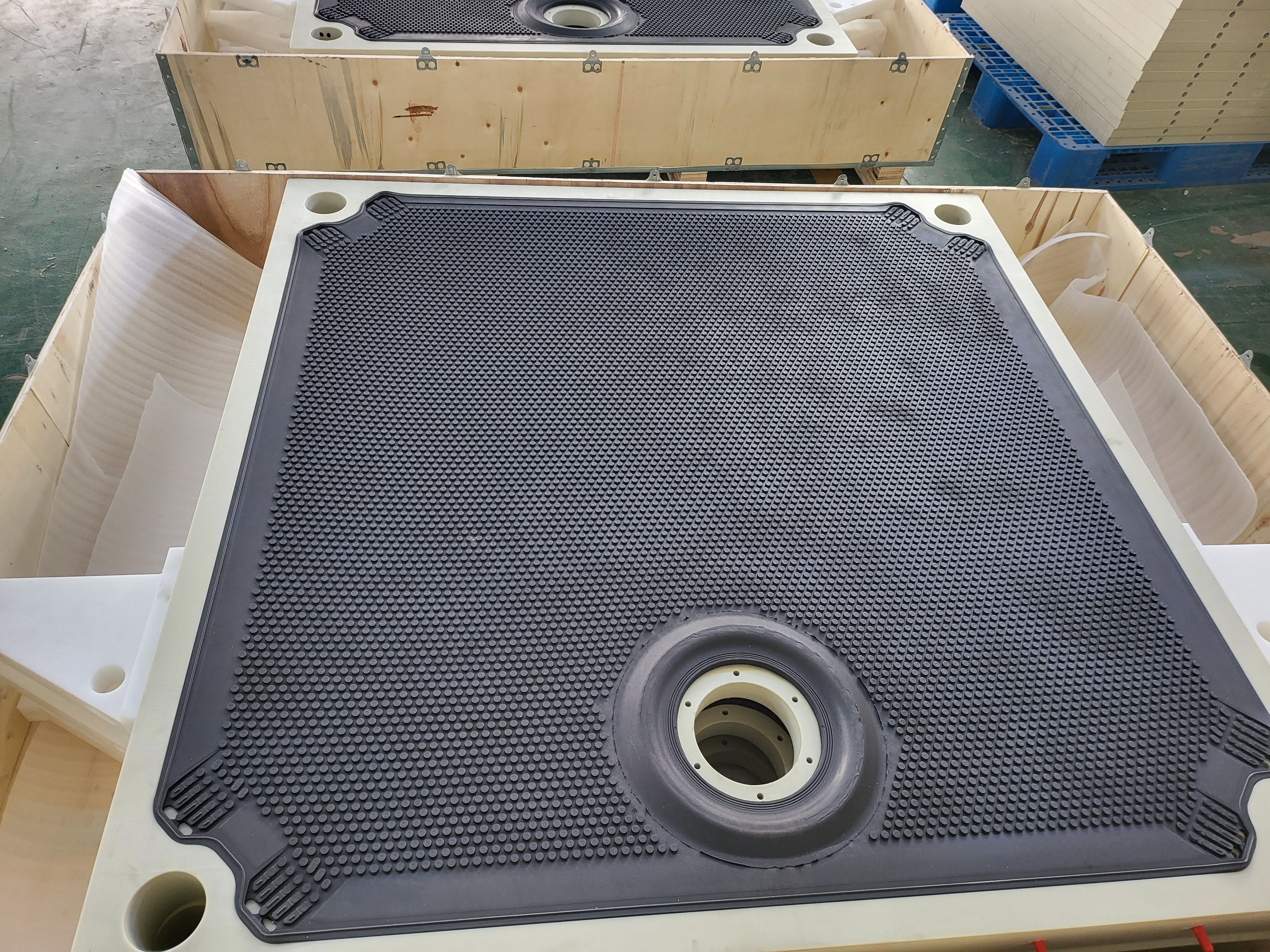
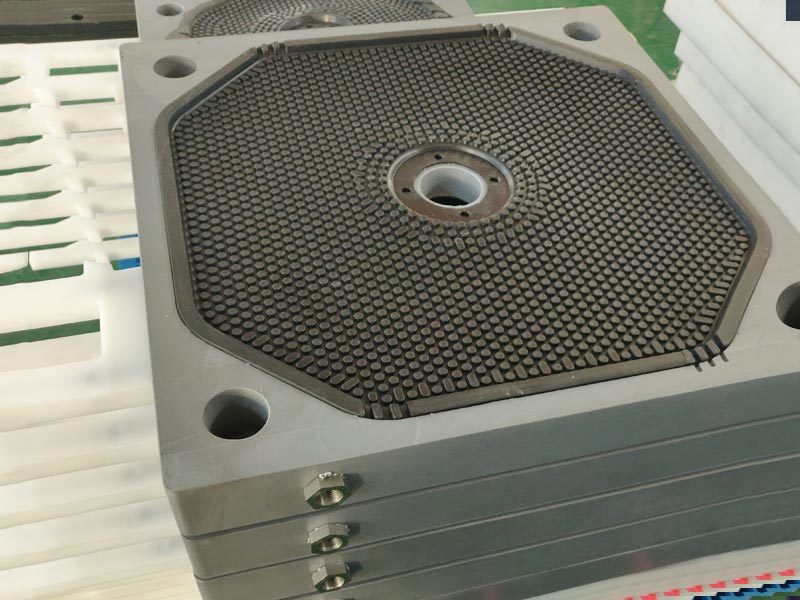
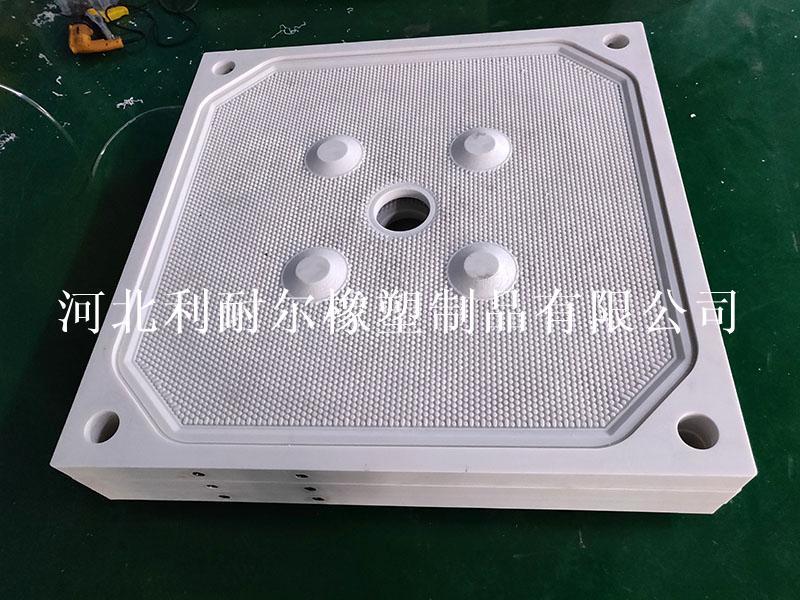
The DM1500 filter plate plays a crucial role in the filtration process, ensuring the efficient separation of solids and liquids. Investing in a high-quality filter plate is essential to achieve optimal filtration performance and maintain the longevity of your filtration system.
Factors to Consider When Choosing a DM1500 Filter Plate
1. Material Durability
The durability of the filter plate material is vital for long-term performance. Look for filter plates made from high-quality materials such as polypropylene, which offer excellent resistance to corrosion, chemicals, and mechanical stress.
2. Filtration Efficiency
The filtration efficiency of a DM1500 filter plate determines how effectively it removes solids from the liquid stream. Consider the plate's design and the arrangement of drainage channels to ensure maximum surface area for efficient filtration.
3. Chemical Compatibility
Different filtration processes require filter plates that can withstand exposure to various chemicals. Ensure the chosen filter plate is chemically compatible with the substances being filtered to avoid plate degradation or contamination of the filtrate.
4. Temperature and Pressure Resistance
Evaluate the temperature and pressure conditions in your filtration system. Choose a DM1500 filter plate that can withstand the specific operating conditions without warping or compromising filtration performance.
5. Plate Design and Configuration
Consider the design and configuration of the DM1500 filter plate. Factors such as cake release mechanism, plate size, and plate stack arrangement can impact filtration efficiency and system operation.
6. Plate Size and Thickness
Selecting the right plate size and thickness is crucial for achieving the desired filtration capacity and maintaining system stability. Analyze your filtration requirements and consult with experts to determine the optimal plate size and thickness for your needs.
7. Filter Cloth Selection
The filter cloth is an integral part of the filtration process and works in tandem with the DM1500 filter plate. Choose a filter cloth that offers excellent cake release, high filtration rates, and compatibility with the filtered substances.
8. Cost and Longevity Considerations
While cost is an important consideration, it should not be the sole determining factor. Evaluate the overall longevity and performance of the DM1500 filter plate to ensure a cost-effective solution in the long run.
FAQs (Frequently Asked Questions)
Q1: How often should I replace the DM1500 filter plate?
A1: The replacement frequency depends on various factors such as filtration process, operating conditions, and maintenance practices. Regular inspections and consultations with filtration experts can help determine the ideal replacement interval.
Q2: Can I reuse the filter plate after cleaning?
A2: In some cases, filter plates can be cleaned and reused. However, this depends on the filtration process, the type of contaminants, and the cleaning methods employed. Consult with the manufacturer or filtration experts for specific recommendations.
Q3: What maintenance practices should I follow for optimal filter plate performance?
A3: Regular cleaning, inspection, and proper storage are vital for maintaining the performance and longevity of DM1500 filter plates. Follow the manufacturer's guidelines and consult filtration experts for specific maintenance practices.
Q4: Can I customize the DM1500 filter plate according to my specific requirements?
A4: Yes, many manufacturers offer customization options for DM1500 filter plates. Discuss your specific requirements with the manufacturer to explore customization possibilities.
Q5: How can I extend the lifespan of my DM1500 filter plate?
A5: Proper maintenance, regular inspections, and adhering to recommended operating conditions can significantly extend the lifespan of DM1500 filter plates. Additionally, choosing a high-quality filter plate and compatible filter cloth can contribute to longevity.
Conclusion
Choosing the best quality DM1500 filter plate is crucial for optimal filtration performance and long-term cost-effectiveness. Consider factors such as material durability, filtration efficiency, chemical compatibility, and plate design when making your selection. Regular maintenance and proper storage practices will help maximize the lifespan of your filter plate. Consult with experts and manufacturers to find the ideal DM1500 filter plate for your specific filtration needs.
Factors to Consider When Choosing a DM1500 Filter Plate
1. Material Durability
2. Filtration Efficiency
3. Chemical Compatibility
4. Temperature and Pressure Resistance
5. Plate Design and Configuration
6. Plate Size and Thickness
7. Filter Cloth Selection
8. Cost and Longevity Considerations
Understanding the Importance of a High-Quality DM1500 Filter Plate
The DM1500 filter plate plays a crucial role in the filtration process, ensuring the efficient separation of solids and liquids. Investing in a high-quality filter plate is essential to achieve optimal filtration performance and maintain the longevity of your filtration system.
Factors to Consider When Choosing a DM1500 Filter Plate
1. Material Durability
The durability of the filter plate material is vital for long-term performance. Look for filter plates made from high-quality materials such as polypropylene, which offer excellent resistance to corrosion, chemicals, and mechanical stress.
2. Filtration Efficiency
The filtration efficiency of a DM1500 filter plate determines how effectively it removes solids from the liquid stream. Consider the plate's design and the arrangement of drainage channels to ensure maximum surface area for efficient filtration.
3. Chemical Compatibility
Different filtration processes require filter plates that can withstand exposure to various chemicals. Ensure the chosen filter plate is chemically compatible with the substances being filtered to avoid plate degradation or contamination of the filtrate.
4. Temperature and Pressure Resistance
Evaluate the temperature and pressure conditions in your filtration system. Choose a DM1500 filter plate that can withstand the specific operating conditions without warping or compromising filtration performance.
5. Plate Design and Configuration
Consider the design and configuration of the DM1500 filter plate. Factors such as cake release mechanism, plate size, and plate stack arrangement can impact filtration efficiency and system operation.
6. Plate Size and Thickness
Selecting the right plate size and thickness is crucial for achieving the desired filtration capacity and maintaining system stability. Analyze your filtration requirements and consult with experts to determine the optimal plate size and thickness for your needs.
7. Filter Cloth Selection
The filter cloth is an integral part of the filtration process and works in tandem with the DM1500 filter plate. Choose a filter cloth that offers excellent cake release, high filtration rates, and compatibility with the filtered substances.
8. Cost and Longevity Considerations
While cost is an important consideration, it should not be the sole determining factor. Evaluate the overall longevity and performance of the DM1500 filter plate to ensure a cost-effective solution in the long run.
FAQs (Frequently Asked Questions)
Q1: How often should I replace the DM1500 filter plate?
A1: The replacement frequency depends on various factors such as filtration process, operating conditions, and maintenance practices. Regular inspections and consultations with filtration experts can help determine the ideal replacement interval.
Q2: Can I reuse the filter plate after cleaning?
A2: In some cases, filter plates can be cleaned and reused. However, this depends on the filtration process, the type of contaminants, and the cleaning methods employed. Consult with the manufacturer or filtration experts for specific recommendations.
Q3: What maintenance practices should I follow for optimal filter plate performance?
A3: Regular cleaning, inspection, and proper storage are vital for maintaining the performance and longevity of DM1500 filter plates. Follow the manufacturer's guidelines and consult filtration experts for specific maintenance practices.
Q4: Can I customize the DM1500 filter plate according to my specific requirements?
A4: Yes, many manufacturers offer customization options for DM1500 filter plates. Discuss your specific requirements with the manufacturer to explore customization possibilities.
Q5: How can I extend the lifespan of my DM1500 filter plate?
A5: Proper maintenance, regular inspections, and adhering to recommended operating conditions can significantly extend the lifespan of DM1500 filter plates. Additionally, choosing a high-quality filter plate and compatible filter cloth can contribute to longevity.
Conclusion
Choosing the best quality DM1500 filter plate is crucial for optimal filtration performance and long-term cost-effectiveness. Consider factors such as material durability, filtration efficiency, chemical compatibility, and plate design when making your selection. Regular maintenance and proper storage practices will help maximize the lifespan of your filter plate. Consult with experts and manufacturers to find the ideal DM1500 filter plate for your specific filtration needs.
2. Filtration Efficiency
3. Chemical Compatibility
4. Temperature and Pressure Resistance
5. Plate Design and Configuration
6. Plate Size and Thickness
7. Filter Cloth Selection
8. Cost and Longevity Considerations
Understanding the Importance of a High-Quality DM1500 Filter Plate
The DM1500 filter plate plays a crucial role in the filtration process, ensuring the efficient separation of solids and liquids. Investing in a high-quality filter plate is essential to achieve optimal filtration performance and maintain the longevity of your filtration system.
Factors to Consider When Choosing a DM1500 Filter Plate
1. Material Durability
The durability of the filter plate material is vital for long-term performance. Look for filter plates made from high-quality materials such as polypropylene, which offer excellent resistance to corrosion, chemicals, and mechanical stress.
2. Filtration Efficiency
The filtration efficiency of a DM1500 filter plate determines how effectively it removes solids from the liquid stream. Consider the plate's design and the arrangement of drainage channels to ensure maximum surface area for efficient filtration.
3. Chemical Compatibility
Different filtration processes require filter plates that can withstand exposure to various chemicals. Ensure the chosen filter plate is chemically compatible with the substances being filtered to avoid plate degradation or contamination of the filtrate.
4. Temperature and Pressure Resistance
Evaluate the temperature and pressure conditions in your filtration system. Choose a DM1500 filter plate that can withstand the specific operating conditions without warping or compromising filtration performance.
5. Plate Design and Configuration
Consider the design and configuration of the DM1500 filter plate. Factors such as cake release mechanism, plate size, and plate stack arrangement can impact filtration efficiency and system operation.
6. Plate Size and Thickness
Selecting the right plate size and thickness is crucial for achieving the desired filtration capacity and maintaining system stability. Analyze your filtration requirements and consult with experts to determine the optimal plate size and thickness for your needs.
7. Filter Cloth Selection
The filter cloth is an integral part of the filtration process and works in tandem with the DM1500 filter plate. Choose a filter cloth that offers excellent cake release, high filtration rates, and compatibility with the filtered substances.
8. Cost and Longevity Considerations
While cost is an important consideration, it should not be the sole determining factor. Evaluate the overall longevity and performance of the DM1500 filter plate to ensure a cost-effective solution in the long run.
FAQs (Frequently Asked Questions)
Q1: How often should I replace the DM1500 filter plate?
A1: The replacement frequency depends on various factors such as filtration process, operating conditions, and maintenance practices. Regular inspections and consultations with filtration experts can help determine the ideal replacement interval.
Q2: Can I reuse the filter plate after cleaning?
A2: In some cases, filter plates can be cleaned and reused. However, this depends on the filtration process, the type of contaminants, and the cleaning methods employed. Consult with the manufacturer or filtration experts for specific recommendations.
Q3: What maintenance practices should I follow for optimal filter plate performance?
A3: Regular cleaning, inspection, and proper storage are vital for maintaining the performance and longevity of DM1500 filter plates. Follow the manufacturer's guidelines and consult filtration experts for specific maintenance practices.
Q4: Can I customize the DM1500 filter plate according to my specific requirements?
A4: Yes, many manufacturers offer customization options for DM1500 filter plates. Discuss your specific requirements with the manufacturer to explore customization possibilities.
Q5: How can I extend the lifespan of my DM1500 filter plate?
A5: Proper maintenance, regular inspections, and adhering to recommended operating conditions can significantly extend the lifespan of DM1500 filter plates. Additionally, choosing a high-quality filter plate and compatible filter cloth can contribute to longevity.
Conclusion
Choosing the best quality DM1500 filter plate is crucial for optimal filtration performance and long-term cost-effectiveness. Consider factors such as material durability, filtration efficiency, chemical compatibility, and plate design when making your selection. Regular maintenance and proper storage practices will help maximize the lifespan of your filter plate. Consult with experts and manufacturers to find the ideal DM1500 filter plate for your specific filtration needs.
4. Temperature and Pressure Resistance
5. Plate Design and Configuration
6. Plate Size and Thickness
7. Filter Cloth Selection
8. Cost and Longevity Considerations
Understanding the Importance of a High-Quality DM1500 Filter Plate
The DM1500 filter plate plays a crucial role in the filtration process, ensuring the efficient separation of solids and liquids. Investing in a high-quality filter plate is essential to achieve optimal filtration performance and maintain the longevity of your filtration system.
Factors to Consider When Choosing a DM1500 Filter Plate
1. Material Durability
The durability of the filter plate material is vital for long-term performance. Look for filter plates made from high-quality materials such as polypropylene, which offer excellent resistance to corrosion, chemicals, and mechanical stress.
2. Filtration Efficiency
The filtration efficiency of a DM1500 filter plate determines how effectively it removes solids from the liquid stream. Consider the plate's design and the arrangement of drainage channels to ensure maximum surface area for efficient filtration.
3. Chemical Compatibility
Different filtration processes require filter plates that can withstand exposure to various chemicals. Ensure the chosen filter plate is chemically compatible with the substances being filtered to avoid plate degradation or contamination of the filtrate.
4. Temperature and Pressure Resistance
Evaluate the temperature and pressure conditions in your filtration system. Choose a DM1500 filter plate that can withstand the specific operating conditions without warping or compromising filtration performance.
5. Plate Design and Configuration
Consider the design and configuration of the DM1500 filter plate. Factors such as cake release mechanism, plate size, and plate stack arrangement can impact filtration efficiency and system operation.
6. Plate Size and Thickness
Selecting the right plate size and thickness is crucial for achieving the desired filtration capacity and maintaining system stability. Analyze your filtration requirements and consult with experts to determine the optimal plate size and thickness for your needs.
7. Filter Cloth Selection
The filter cloth is an integral part of the filtration process and works in tandem with the DM1500 filter plate. Choose a filter cloth that offers excellent cake release, high filtration rates, and compatibility with the filtered substances.
8. Cost and Longevity Considerations
While cost is an important consideration, it should not be the sole determining factor. Evaluate the overall longevity and performance of the DM1500 filter plate to ensure a cost-effective solution in the long run.
FAQs (Frequently Asked Questions)
Q1: How often should I replace the DM1500 filter plate?
A1: The replacement frequency depends on various factors such as filtration process, operating conditions, and maintenance practices. Regular inspections and consultations with filtration experts can help determine the ideal replacement interval.
Q2: Can I reuse the filter plate after cleaning?
A2: In some cases, filter plates can be cleaned and reused. However, this depends on the filtration process, the type of contaminants, and the cleaning methods employed. Consult with the manufacturer or filtration experts for specific recommendations.
Q3: What maintenance practices should I follow for optimal filter plate performance?
A3: Regular cleaning, inspection, and proper storage are vital for maintaining the performance and longevity of DM1500 filter plates. Follow the manufacturer's guidelines and consult filtration experts for specific maintenance practices.
Q4: Can I customize the DM1500 filter plate according to my specific requirements?
A4: Yes, many manufacturers offer customization options for DM1500 filter plates. Discuss your specific requirements with the manufacturer to explore customization possibilities.
Q5: How can I extend the lifespan of my DM1500 filter plate?
A5: Proper maintenance, regular inspections, and adhering to recommended operating conditions can significantly extend the lifespan of DM1500 filter plates. Additionally, choosing a high-quality filter plate and compatible filter cloth can contribute to longevity.
Conclusion
Choosing the best quality DM1500 filter plate is crucial for optimal filtration performance and long-term cost-effectiveness. Consider factors such as material durability, filtration efficiency, chemical compatibility, and plate design when making your selection. Regular maintenance and proper storage practices will help maximize the lifespan of your filter plate. Consult with experts and manufacturers to find the ideal DM1500 filter plate for your specific filtration needs.
6. Plate Size and Thickness
7. Filter Cloth Selection
8. Cost and Longevity Considerations
Understanding the Importance of a High-Quality DM1500 Filter Plate
The DM1500 filter plate plays a crucial role in the filtration process, ensuring the efficient separation of solids and liquids. Investing in a high-quality filter plate is essential to achieve optimal filtration performance and maintain the longevity of your filtration system.
Factors to Consider When Choosing a DM1500 Filter Plate
1. Material Durability
The durability of the filter plate material is vital for long-term performance. Look for filter plates made from high-quality materials such as polypropylene, which offer excellent resistance to corrosion, chemicals, and mechanical stress.
2. Filtration Efficiency
The filtration efficiency of a DM1500 filter plate determines how effectively it removes solids from the liquid stream. Consider the plate's design and the arrangement of drainage channels to ensure maximum surface area for efficient filtration.
3. Chemical Compatibility
Different filtration processes require filter plates that can withstand exposure to various chemicals. Ensure the chosen filter plate is chemically compatible with the substances being filtered to avoid plate degradation or contamination of the filtrate.
4. Temperature and Pressure Resistance
Evaluate the temperature and pressure conditions in your filtration system. Choose a DM1500 filter plate that can withstand the specific operating conditions without warping or compromising filtration performance.
5. Plate Design and Configuration
Consider the design and configuration of the DM1500 filter plate. Factors such as cake release mechanism, plate size, and plate stack arrangement can impact filtration efficiency and system operation.
6. Plate Size and Thickness
Selecting the right plate size and thickness is crucial for achieving the desired filtration capacity and maintaining system stability. Analyze your filtration requirements and consult with experts to determine the optimal plate size and thickness for your needs.
7. Filter Cloth Selection
The filter cloth is an integral part of the filtration process and works in tandem with the DM1500 filter plate. Choose a filter cloth that offers excellent cake release, high filtration rates, and compatibility with the filtered substances.
8. Cost and Longevity Considerations
While cost is an important consideration, it should not be the sole determining factor. Evaluate the overall longevity and performance of the DM1500 filter plate to ensure a cost-effective solution in the long run.
FAQs (Frequently Asked Questions)
Q1: How often should I replace the DM1500 filter plate?
A1: The replacement frequency depends on various factors such as filtration process, operating conditions, and maintenance practices. Regular inspections and consultations with filtration experts can help determine the ideal replacement interval.
Q2: Can I reuse the filter plate after cleaning?
A2: In some cases, filter plates can be cleaned and reused. However, this depends on the filtration process, the type of contaminants, and the cleaning methods employed. Consult with the manufacturer or filtration experts for specific recommendations.
Q3: What maintenance practices should I follow for optimal filter plate performance?
A3: Regular cleaning, inspection, and proper storage are vital for maintaining the performance and longevity of DM1500 filter plates. Follow the manufacturer's guidelines and consult filtration experts for specific maintenance practices.
Q4: Can I customize the DM1500 filter plate according to my specific requirements?
A4: Yes, many manufacturers offer customization options for DM1500 filter plates. Discuss your specific requirements with the manufacturer to explore customization possibilities.
Q5: How can I extend the lifespan of my DM1500 filter plate?
A5: Proper maintenance, regular inspections, and adhering to recommended operating conditions can significantly extend the lifespan of DM1500 filter plates. Additionally, choosing a high-quality filter plate and compatible filter cloth can contribute to longevity.
Conclusion
Choosing the best quality DM1500 filter plate is crucial for optimal filtration performance and long-term cost-effectiveness. Consider factors such as material durability, filtration efficiency, chemical compatibility, and plate design when making your selection. Regular maintenance and proper storage practices will help maximize the lifespan of your filter plate. Consult with experts and manufacturers to find the ideal DM1500 filter plate for your specific filtration needs.
8. Cost and Longevity Considerations
Understanding the Importance of a High-Quality DM1500 Filter Plate
The DM1500 filter plate plays a crucial role in the filtration process, ensuring the efficient separation of solids and liquids. Investing in a high-quality filter plate is essential to achieve optimal filtration performance and maintain the longevity of your filtration system.
Factors to Consider When Choosing a DM1500 Filter Plate
1. Material Durability
The durability of the filter plate material is vital for long-term performance. Look for filter plates made from high-quality materials such as polypropylene, which offer excellent resistance to corrosion, chemicals, and mechanical stress.
2. Filtration Efficiency
The filtration efficiency of a DM1500 filter plate determines how effectively it removes solids from the liquid stream. Consider the plate's design and the arrangement of drainage channels to ensure maximum surface area for efficient filtration.
3. Chemical Compatibility
Different filtration processes require filter plates that can withstand exposure to various chemicals. Ensure the chosen filter plate is chemically compatible with the substances being filtered to avoid plate degradation or contamination of the filtrate.
4. Temperature and Pressure Resistance
Evaluate the temperature and pressure conditions in your filtration system. Choose a DM1500 filter plate that can withstand the specific operating conditions without warping or compromising filtration performance.
5. Plate Design and Configuration
Consider the design and configuration of the DM1500 filter plate. Factors such as cake release mechanism, plate size, and plate stack arrangement can impact filtration efficiency and system operation.
6. Plate Size and Thickness
Selecting the right plate size and thickness is crucial for achieving the desired filtration capacity and maintaining system stability. Analyze your filtration requirements and consult with experts to determine the optimal plate size and thickness for your needs.
7. Filter Cloth Selection
The filter cloth is an integral part of the filtration process and works in tandem with the DM1500 filter plate. Choose a filter cloth that offers excellent cake release, high filtration rates, and compatibility with the filtered substances.
8. Cost and Longevity Considerations
While cost is an important consideration, it should not be the sole determining factor. Evaluate the overall longevity and performance of the DM1500 filter plate to ensure a cost-effective solution in the long run.
FAQs (Frequently Asked Questions)
Q1: How often should I replace the DM1500 filter plate?
A1: The replacement frequency depends on various factors such as filtration process, operating conditions, and maintenance practices. Regular inspections and consultations with filtration experts can help determine the ideal replacement interval.
Q2: Can I reuse the filter plate after cleaning?
A2: In some cases, filter plates can be cleaned and reused. However, this depends on the filtration process, the type of contaminants, and the cleaning methods employed. Consult with the manufacturer or filtration experts for specific recommendations.
Q3: What maintenance practices should I follow for optimal filter plate performance?
A3: Regular cleaning, inspection, and proper storage are vital for maintaining the performance and longevity of DM1500 filter plates. Follow the manufacturer's guidelines and consult filtration experts for specific maintenance practices.
Q4: Can I customize the DM1500 filter plate according to my specific requirements?
A4: Yes, many manufacturers offer customization options for DM1500 filter plates. Discuss your specific requirements with the manufacturer to explore customization possibilities.
Q5: How can I extend the lifespan of my DM1500 filter plate?
A5: Proper maintenance, regular inspections, and adhering to recommended operating conditions can significantly extend the lifespan of DM1500 filter plates. Additionally, choosing a high-quality filter plate and compatible filter cloth can contribute to longevity.
Conclusion
Choosing the best quality DM1500 filter plate is crucial for optimal filtration performance and long-term cost-effectiveness. Consider factors such as material durability, filtration efficiency, chemical compatibility, and plate design when making your selection. Regular maintenance and proper storage practices will help maximize the lifespan of your filter plate. Consult with experts and manufacturers to find the ideal DM1500 filter plate for your specific filtration needs.
The DM1500 filter plate plays a crucial role in the filtration process, ensuring the efficient separation of solids and liquids. Investing in a high-quality filter plate is essential to achieve optimal filtration performance and maintain the longevity of your filtration system.
Factors to Consider When Choosing a DM1500 Filter Plate
1. Material Durability
The durability of the filter plate material is vital for long-term performance. Look for filter plates made from high-quality materials such as polypropylene, which offer excellent resistance to corrosion, chemicals, and mechanical stress.
2. Filtration Efficiency
The filtration efficiency of a DM1500 filter plate determines how effectively it removes solids from the liquid stream. Consider the plate's design and the arrangement of drainage channels to ensure maximum surface area for efficient filtration.
3. Chemical Compatibility
Different filtration processes require filter plates that can withstand exposure to various chemicals. Ensure the chosen filter plate is chemically compatible with the substances being filtered to avoid plate degradation or contamination of the filtrate.
4. Temperature and Pressure Resistance
Evaluate the temperature and pressure conditions in your filtration system. Choose a DM1500 filter plate that can withstand the specific operating conditions without warping or compromising filtration performance.
5. Plate Design and Configuration
Consider the design and configuration of the DM1500 filter plate. Factors such as cake release mechanism, plate size, and plate stack arrangement can impact filtration efficiency and system operation.
6. Plate Size and Thickness
Selecting the right plate size and thickness is crucial for achieving the desired filtration capacity and maintaining system stability. Analyze your filtration requirements and consult with experts to determine the optimal plate size and thickness for your needs.
7. Filter Cloth Selection
The filter cloth is an integral part of the filtration process and works in tandem with the DM1500 filter plate. Choose a filter cloth that offers excellent cake release, high filtration rates, and compatibility with the filtered substances.
8. Cost and Longevity Considerations
While cost is an important consideration, it should not be the sole determining factor. Evaluate the overall longevity and performance of the DM1500 filter plate to ensure a cost-effective solution in the long run.
FAQs (Frequently Asked Questions)
Q1: How often should I replace the DM1500 filter plate?
A1: The replacement frequency depends on various factors such as filtration process, operating conditions, and maintenance practices. Regular inspections and consultations with filtration experts can help determine the ideal replacement interval.
Q2: Can I reuse the filter plate after cleaning?
A2: In some cases, filter plates can be cleaned and reused. However, this depends on the filtration process, the type of contaminants, and the cleaning methods employed. Consult with the manufacturer or filtration experts for specific recommendations.
Q3: What maintenance practices should I follow for optimal filter plate performance?
A3: Regular cleaning, inspection, and proper storage are vital for maintaining the performance and longevity of DM1500 filter plates. Follow the manufacturer's guidelines and consult filtration experts for specific maintenance practices.
Q4: Can I customize the DM1500 filter plate according to my specific requirements?
A4: Yes, many manufacturers offer customization options for DM1500 filter plates. Discuss your specific requirements with the manufacturer to explore customization possibilities.
Q5: How can I extend the lifespan of my DM1500 filter plate?
A5: Proper maintenance, regular inspections, and adhering to recommended operating conditions can significantly extend the lifespan of DM1500 filter plates. Additionally, choosing a high-quality filter plate and compatible filter cloth can contribute to longevity.
Conclusion
Choosing the best quality DM1500 filter plate is crucial for optimal filtration performance and long-term cost-effectiveness. Consider factors such as material durability, filtration efficiency, chemical compatibility, and plate design when making your selection. Regular maintenance and proper storage practices will help maximize the lifespan of your filter plate. Consult with experts and manufacturers to find the ideal DM1500 filter plate for your specific filtration needs.
The durability of the filter plate material is vital for long-term performance. Look for filter plates made from high-quality materials such as polypropylene, which offer excellent resistance to corrosion, chemicals, and mechanical stress.
2. Filtration Efficiency
The filtration efficiency of a DM1500 filter plate determines how effectively it removes solids from the liquid stream. Consider the plate's design and the arrangement of drainage channels to ensure maximum surface area for efficient filtration.
3. Chemical Compatibility
Different filtration processes require filter plates that can withstand exposure to various chemicals. Ensure the chosen filter plate is chemically compatible with the substances being filtered to avoid plate degradation or contamination of the filtrate.
4. Temperature and Pressure Resistance
Evaluate the temperature and pressure conditions in your filtration system. Choose a DM1500 filter plate that can withstand the specific operating conditions without warping or compromising filtration performance.
5. Plate Design and Configuration
Consider the design and configuration of the DM1500 filter plate. Factors such as cake release mechanism, plate size, and plate stack arrangement can impact filtration efficiency and system operation.
6. Plate Size and Thickness
Selecting the right plate size and thickness is crucial for achieving the desired filtration capacity and maintaining system stability. Analyze your filtration requirements and consult with experts to determine the optimal plate size and thickness for your needs.
7. Filter Cloth Selection
The filter cloth is an integral part of the filtration process and works in tandem with the DM1500 filter plate. Choose a filter cloth that offers excellent cake release, high filtration rates, and compatibility with the filtered substances.
8. Cost and Longevity Considerations
While cost is an important consideration, it should not be the sole determining factor. Evaluate the overall longevity and performance of the DM1500 filter plate to ensure a cost-effective solution in the long run.
FAQs (Frequently Asked Questions)
Q1: How often should I replace the DM1500 filter plate?
A1: The replacement frequency depends on various factors such as filtration process, operating conditions, and maintenance practices. Regular inspections and consultations with filtration experts can help determine the ideal replacement interval.
Q2: Can I reuse the filter plate after cleaning?
A2: In some cases, filter plates can be cleaned and reused. However, this depends on the filtration process, the type of contaminants, and the cleaning methods employed. Consult with the manufacturer or filtration experts for specific recommendations.
Q3: What maintenance practices should I follow for optimal filter plate performance?
A3: Regular cleaning, inspection, and proper storage are vital for maintaining the performance and longevity of DM1500 filter plates. Follow the manufacturer's guidelines and consult filtration experts for specific maintenance practices.
Q4: Can I customize the DM1500 filter plate according to my specific requirements?
A4: Yes, many manufacturers offer customization options for DM1500 filter plates. Discuss your specific requirements with the manufacturer to explore customization possibilities.
Q5: How can I extend the lifespan of my DM1500 filter plate?
A5: Proper maintenance, regular inspections, and adhering to recommended operating conditions can significantly extend the lifespan of DM1500 filter plates. Additionally, choosing a high-quality filter plate and compatible filter cloth can contribute to longevity.
Conclusion
Choosing the best quality DM1500 filter plate is crucial for optimal filtration performance and long-term cost-effectiveness. Consider factors such as material durability, filtration efficiency, chemical compatibility, and plate design when making your selection. Regular maintenance and proper storage practices will help maximize the lifespan of your filter plate. Consult with experts and manufacturers to find the ideal DM1500 filter plate for your specific filtration needs.
Different filtration processes require filter plates that can withstand exposure to various chemicals. Ensure the chosen filter plate is chemically compatible with the substances being filtered to avoid plate degradation or contamination of the filtrate.
4. Temperature and Pressure Resistance
Evaluate the temperature and pressure conditions in your filtration system. Choose a DM1500 filter plate that can withstand the specific operating conditions without warping or compromising filtration performance.
5. Plate Design and Configuration
Consider the design and configuration of the DM1500 filter plate. Factors such as cake release mechanism, plate size, and plate stack arrangement can impact filtration efficiency and system operation.
6. Plate Size and Thickness
Selecting the right plate size and thickness is crucial for achieving the desired filtration capacity and maintaining system stability. Analyze your filtration requirements and consult with experts to determine the optimal plate size and thickness for your needs.
7. Filter Cloth Selection
The filter cloth is an integral part of the filtration process and works in tandem with the DM1500 filter plate. Choose a filter cloth that offers excellent cake release, high filtration rates, and compatibility with the filtered substances.
8. Cost and Longevity Considerations
While cost is an important consideration, it should not be the sole determining factor. Evaluate the overall longevity and performance of the DM1500 filter plate to ensure a cost-effective solution in the long run.
FAQs (Frequently Asked Questions)
Q1: How often should I replace the DM1500 filter plate?
A1: The replacement frequency depends on various factors such as filtration process, operating conditions, and maintenance practices. Regular inspections and consultations with filtration experts can help determine the ideal replacement interval.
Q2: Can I reuse the filter plate after cleaning?
A2: In some cases, filter plates can be cleaned and reused. However, this depends on the filtration process, the type of contaminants, and the cleaning methods employed. Consult with the manufacturer or filtration experts for specific recommendations.
Q3: What maintenance practices should I follow for optimal filter plate performance?
A3: Regular cleaning, inspection, and proper storage are vital for maintaining the performance and longevity of DM1500 filter plates. Follow the manufacturer's guidelines and consult filtration experts for specific maintenance practices.
Q4: Can I customize the DM1500 filter plate according to my specific requirements?
A4: Yes, many manufacturers offer customization options for DM1500 filter plates. Discuss your specific requirements with the manufacturer to explore customization possibilities.
Q5: How can I extend the lifespan of my DM1500 filter plate?
A5: Proper maintenance, regular inspections, and adhering to recommended operating conditions can significantly extend the lifespan of DM1500 filter plates. Additionally, choosing a high-quality filter plate and compatible filter cloth can contribute to longevity.
Conclusion
Choosing the best quality DM1500 filter plate is crucial for optimal filtration performance and long-term cost-effectiveness. Consider factors such as material durability, filtration efficiency, chemical compatibility, and plate design when making your selection. Regular maintenance and proper storage practices will help maximize the lifespan of your filter plate. Consult with experts and manufacturers to find the ideal DM1500 filter plate for your specific filtration needs.
Consider the design and configuration of the DM1500 filter plate. Factors such as cake release mechanism, plate size, and plate stack arrangement can impact filtration efficiency and system operation.
6. Plate Size and Thickness
Selecting the right plate size and thickness is crucial for achieving the desired filtration capacity and maintaining system stability. Analyze your filtration requirements and consult with experts to determine the optimal plate size and thickness for your needs.
7. Filter Cloth Selection
The filter cloth is an integral part of the filtration process and works in tandem with the DM1500 filter plate. Choose a filter cloth that offers excellent cake release, high filtration rates, and compatibility with the filtered substances.
8. Cost and Longevity Considerations
While cost is an important consideration, it should not be the sole determining factor. Evaluate the overall longevity and performance of the DM1500 filter plate to ensure a cost-effective solution in the long run.
FAQs (Frequently Asked Questions)
Q1: How often should I replace the DM1500 filter plate?
A1: The replacement frequency depends on various factors such as filtration process, operating conditions, and maintenance practices. Regular inspections and consultations with filtration experts can help determine the ideal replacement interval.
Q2: Can I reuse the filter plate after cleaning?
A2: In some cases, filter plates can be cleaned and reused. However, this depends on the filtration process, the type of contaminants, and the cleaning methods employed. Consult with the manufacturer or filtration experts for specific recommendations.
Q3: What maintenance practices should I follow for optimal filter plate performance?
A3: Regular cleaning, inspection, and proper storage are vital for maintaining the performance and longevity of DM1500 filter plates. Follow the manufacturer's guidelines and consult filtration experts for specific maintenance practices.
Q4: Can I customize the DM1500 filter plate according to my specific requirements?
A4: Yes, many manufacturers offer customization options for DM1500 filter plates. Discuss your specific requirements with the manufacturer to explore customization possibilities.
Q5: How can I extend the lifespan of my DM1500 filter plate?
A5: Proper maintenance, regular inspections, and adhering to recommended operating conditions can significantly extend the lifespan of DM1500 filter plates. Additionally, choosing a high-quality filter plate and compatible filter cloth can contribute to longevity.
Conclusion
Choosing the best quality DM1500 filter plate is crucial for optimal filtration performance and long-term cost-effectiveness. Consider factors such as material durability, filtration efficiency, chemical compatibility, and plate design when making your selection. Regular maintenance and proper storage practices will help maximize the lifespan of your filter plate. Consult with experts and manufacturers to find the ideal DM1500 filter plate for your specific filtration needs.
The filter cloth is an integral part of the filtration process and works in tandem with the DM1500 filter plate. Choose a filter cloth that offers excellent cake release, high filtration rates, and compatibility with the filtered substances.
8. Cost and Longevity Considerations
While cost is an important consideration, it should not be the sole determining factor. Evaluate the overall longevity and performance of the DM1500 filter plate to ensure a cost-effective solution in the long run.
FAQs (Frequently Asked Questions)
Q1: How often should I replace the DM1500 filter plate?
A1: The replacement frequency depends on various factors such as filtration process, operating conditions, and maintenance practices. Regular inspections and consultations with filtration experts can help determine the ideal replacement interval.
Q2: Can I reuse the filter plate after cleaning?
A2: In some cases, filter plates can be cleaned and reused. However, this depends on the filtration process, the type of contaminants, and the cleaning methods employed. Consult with the manufacturer or filtration experts for specific recommendations.
Q3: What maintenance practices should I follow for optimal filter plate performance?
A3: Regular cleaning, inspection, and proper storage are vital for maintaining the performance and longevity of DM1500 filter plates. Follow the manufacturer's guidelines and consult filtration experts for specific maintenance practices.
Q4: Can I customize the DM1500 filter plate according to my specific requirements?
A4: Yes, many manufacturers offer customization options for DM1500 filter plates. Discuss your specific requirements with the manufacturer to explore customization possibilities.
Q5: How can I extend the lifespan of my DM1500 filter plate?
A5: Proper maintenance, regular inspections, and adhering to recommended operating conditions can significantly extend the lifespan of DM1500 filter plates. Additionally, choosing a high-quality filter plate and compatible filter cloth can contribute to longevity.
Conclusion
Choosing the best quality DM1500 filter plate is crucial for optimal filtration performance and long-term cost-effectiveness. Consider factors such as material durability, filtration efficiency, chemical compatibility, and plate design when making your selection. Regular maintenance and proper storage practices will help maximize the lifespan of your filter plate. Consult with experts and manufacturers to find the ideal DM1500 filter plate for your specific filtration needs.
Q1: How often should I replace the DM1500 filter plate?
A1: The replacement frequency depends on various factors such as filtration process, operating conditions, and maintenance practices. Regular inspections and consultations with filtration experts can help determine the ideal replacement interval.
Q2: Can I reuse the filter plate after cleaning?
A2: In some cases, filter plates can be cleaned and reused. However, this depends on the filtration process, the type of contaminants, and the cleaning methods employed. Consult with the manufacturer or filtration experts for specific recommendations.
Q3: What maintenance practices should I follow for optimal filter plate performance?
A3: Regular cleaning, inspection, and proper storage are vital for maintaining the performance and longevity of DM1500 filter plates. Follow the manufacturer's guidelines and consult filtration experts for specific maintenance practices.
Q4: Can I customize the DM1500 filter plate according to my specific requirements?
A4: Yes, many manufacturers offer customization options for DM1500 filter plates. Discuss your specific requirements with the manufacturer to explore customization possibilities.
Q5: How can I extend the lifespan of my DM1500 filter plate?
A5: Proper maintenance, regular inspections, and adhering to recommended operating conditions can significantly extend the lifespan of DM1500 filter plates. Additionally, choosing a high-quality filter plate and compatible filter cloth can contribute to longevity.
Conclusion
Choosing the best quality DM1500 filter plate is crucial for optimal filtration performance and long-term cost-effectiveness. Consider factors such as material durability, filtration efficiency, chemical compatibility, and plate design when making your selection. Regular maintenance and proper storage practices will help maximize the lifespan of your filter plate. Consult with experts and manufacturers to find the ideal DM1500 filter plate for your specific filtration needs.
Q2: Can I reuse the filter plate after cleaning?
A2: In some cases, filter plates can be cleaned and reused. However, this depends on the filtration process, the type of contaminants, and the cleaning methods employed. Consult with the manufacturer or filtration experts for specific recommendations.
Q3: What maintenance practices should I follow for optimal filter plate performance?
A3: Regular cleaning, inspection, and proper storage are vital for maintaining the performance and longevity of DM1500 filter plates. Follow the manufacturer's guidelines and consult filtration experts for specific maintenance practices.
Q4: Can I customize the DM1500 filter plate according to my specific requirements?
A4: Yes, many manufacturers offer customization options for DM1500 filter plates. Discuss your specific requirements with the manufacturer to explore customization possibilities.
Q5: How can I extend the lifespan of my DM1500 filter plate?
A5: Proper maintenance, regular inspections, and adhering to recommended operating conditions can significantly extend the lifespan of DM1500 filter plates. Additionally, choosing a high-quality filter plate and compatible filter cloth can contribute to longevity.
Conclusion
Choosing the best quality DM1500 filter plate is crucial for optimal filtration performance and long-term cost-effectiveness. Consider factors such as material durability, filtration efficiency, chemical compatibility, and plate design when making your selection. Regular maintenance and proper storage practices will help maximize the lifespan of your filter plate. Consult with experts and manufacturers to find the ideal DM1500 filter plate for your specific filtration needs.
Q3: What maintenance practices should I follow for optimal filter plate performance?
A3: Regular cleaning, inspection, and proper storage are vital for maintaining the performance and longevity of DM1500 filter plates. Follow the manufacturer's guidelines and consult filtration experts for specific maintenance practices.
Q4: Can I customize the DM1500 filter plate according to my specific requirements?
A4: Yes, many manufacturers offer customization options for DM1500 filter plates. Discuss your specific requirements with the manufacturer to explore customization possibilities.
Q5: How can I extend the lifespan of my DM1500 filter plate?
A5: Proper maintenance, regular inspections, and adhering to recommended operating conditions can significantly extend the lifespan of DM1500 filter plates. Additionally, choosing a high-quality filter plate and compatible filter cloth can contribute to longevity.
Conclusion
Choosing the best quality DM1500 filter plate is crucial for optimal filtration performance and long-term cost-effectiveness. Consider factors such as material durability, filtration efficiency, chemical compatibility, and plate design when making your selection. Regular maintenance and proper storage practices will help maximize the lifespan of your filter plate. Consult with experts and manufacturers to find the ideal DM1500 filter plate for your specific filtration needs.
Q4: Can I customize the DM1500 filter plate according to my specific requirements?
A4: Yes, many manufacturers offer customization options for DM1500 filter plates. Discuss your specific requirements with the manufacturer to explore customization possibilities.
Q5: How can I extend the lifespan of my DM1500 filter plate?
A5: Proper maintenance, regular inspections, and adhering to recommended operating conditions can significantly extend the lifespan of DM1500 filter plates. Additionally, choosing a high-quality filter plate and compatible filter cloth can contribute to longevity.
Conclusion
Choosing the best quality DM1500 filter plate is crucial for optimal filtration performance and long-term cost-effectiveness. Consider factors such as material durability, filtration efficiency, chemical compatibility, and plate design when making your selection. Regular maintenance and proper storage practices will help maximize the lifespan of your filter plate. Consult with experts and manufacturers to find the ideal DM1500 filter plate for your specific filtration needs.
Q5: How can I extend the lifespan of my DM1500 filter plate?
A5: Proper maintenance, regular inspections, and adhering to recommended operating conditions can significantly extend the lifespan of DM1500 filter plates. Additionally, choosing a high-quality filter plate and compatible filter cloth can contribute to longevity.
Conclusion
Choosing the best quality DM1500 filter plate is crucial for optimal filtration performance and long-term cost-effectiveness. Consider factors such as material durability, filtration efficiency, chemical compatibility, and plate design when making your selection. Regular maintenance and proper storage practices will help maximize the lifespan of your filter plate. Consult with experts and manufacturers to find the ideal DM1500 filter plate for your specific filtration needs.
Conclusion
Choosing the best quality DM1500 filter plate is crucial for optimal filtration performance and long-term cost-effectiveness. Consider factors such as material durability, filtration efficiency, chemical compatibility, and plate design when making your selection. Regular maintenance and proper storage practices will help maximize the lifespan of your filter plate. Consult with experts and manufacturers to find the ideal DM1500 filter plate for your specific filtration needs.
Related News