
-
AboutHebei Linaier Rubber Products Co., Ltd. is located in Duqiao Industrial Zone, Jingxian City, Hebei Province, adjacent to Dezhou, Shandong. Founded in early 2001 with a registered capital of 35 million yuan, it is a scientific

-
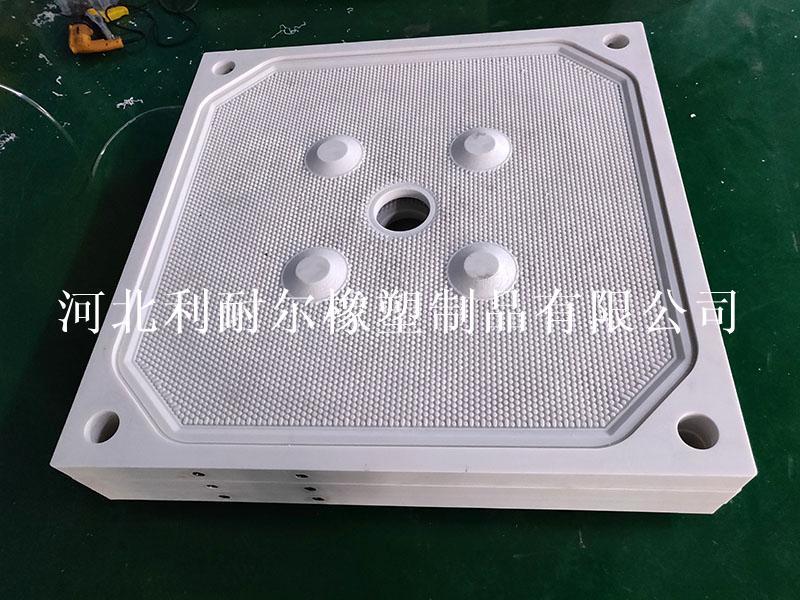
ProductMain products: vertical and horizontal imported and domestic filter plates, diaphragm plates, diaphragms and accessories; pinch valve sleeves and pinch valves and various mining accessories.
-
NewsIn 2013, our company's high-pressure cylinder with phenolic cloth support and guide ring obtained the national key new product certificate, project number: 2013GRA20011; its products in coal cylinders and engineering hydrauli
-
ServiceWe will actively cooperate with more enthusiasm, strengthen internal management, expand the market externally, improve various performance indicators of existing products, and truly achieve our win-win situation!
-
RecruitmentOur company always adheres to the talent concept of "people-oriented", provides a growth platform for talents, and realizes the common growth and development of enterprises and talents.


language
English
العربية
বাংলাদেশ
Български
Hrvatski
Česky
Dansk
Nederland
 Esperanto
Slovenski
Filipino
Suomi
Français
Maori
 Shqiptare
Georgian
 Euskara
Deutsch
Ελλάδα
ישראל
इंडिया
Magyarország
Ísland
Indonesia
Irlanda
Italia
日本語
Sovensko
Հայաստան
한국
Kyrgyz
ປະເທດລາວ
 Zulu
Zulu
Latvian
Lithuanian
Luxembourgish
 Latinus
Macedonian
Малайская
Maltese
Монгол улс
 Cymraeg
ဗမာ
 தமிழ்
தமிழ்
नेपाल
Norge
ایران
Polska
Portugal
România
Российская
Србија
 Slovak
Србија
 Slovak
Bosanski
Slovenian
Беларус
España
Sverige
Точик
ประเทศไทย
Türk
Azərbaycan
Uzbek
 Afrikaans
Việt Nam

How to Choose the Perfect Sealing Element for Your Plastic Products
Release time:
2024-01-05
Table of Contents: 1. Introduction 2. Understanding the Importance of Sealing Elements for Plastic Products 3. Factors to Consider When Choosing Sealing Elements 3.1 Material Compatibility 3.2 Operating Temperature 3.3 Pressure and Load Capacity 3.4 Chemical Resistance 3.5 Environmental Factors 3.6 Longevity and Durability 4. Types of Sealing Elements for Plastic Products 4.1
Table of Contents:
1. Introduction
2. Understanding the Importance of Sealing Elements for Plastic Products
3. Factors to Consider When Choosing Sealing Elements
3.1 Material Compatibility
3.2 Operating Temperature
3.3 Pressure and Load Capacity
3.4 Chemical Resistance
3.5 Environmental Factors
3.6 Longevity and Durability
4. Types of Sealing Elements for Plastic Products
4.1 O-Rings
4.2 Gaskets
4.3 Lip Seals
4.4 V-Rings
4.5 Mechanical Seals
5. Expert Tips for Choosing the Right Sealing Element
5.1 Consult with a Sealing Element Specialist
5.2 Consider Customized Solutions
5.3 Evaluate Performance In Real-Life Conditions
5.4 Prioritize Quality and Reliability
6. Frequently Asked Questions (FAQs)
6.1 What are the common materials used for sealing elements?
6.2 How do I know which sealing element is best for my plastic product?
6.3 Can I reuse sealing elements?
6.4 Are there any specific maintenance requirements for sealing elements?
6.5 Can I use the same sealing element for different plastic products?
7. Conclusion
1. Introduction
Choosing the perfect sealing element for your plastic products is crucial to ensure optimal performance and longevity. This comprehensive guide will walk you through the essential steps to make an informed decision and select the most suitable sealing element for your specific application.
2. Understanding the Importance of Sealing Elements for Plastic Products
Sealing elements play a vital role in preventing leaks, contamination, and premature wear in plastic products. They provide a barrier between moving or stationary parts, creating a reliable seal to maintain the integrity of the system. Whether it's a hydraulic system, pneumatic application, or any other plastic product requiring sealing, the right sealing element is essential for optimal functionality.
3. Factors to Consider When Choosing Sealing Elements
3.1 Material Compatibility
Ensure that the sealing element you choose is compatible with the material of your plastic product. Different materials have varied chemical compositions, hardness, and thermal properties. It's crucial to select a sealing element that can withstand the specific material's characteristics and maintain its integrity over time.
3.2 Operating Temperature
Consider the operating temperature range of your plastic product. Sealing elements must withstand extreme temperatures without compromising their sealing capabilities. High heat or cold can affect the material properties, potentially leading to leaks or reduced performance.
3.3 Pressure and Load Capacity
Evaluate the pressure and load capacity requirements of your plastic product. Sealing elements must withstand the pressure exerted on them without deforming or failing. Consider the maximum pressure and load your product will experience to ensure the chosen sealing element can handle the demands.
3.4 Chemical Resistance
Determine the exposure of your plastic product to different chemicals, fluids, or solvents. Sealing elements should be resistant to these substances to maintain their effectiveness. Chemical compatibility is crucial to prevent degradation or failure of the sealing element when exposed to specific industrial fluids.
3.5 Environmental Factors
Consider the environmental conditions in which your plastic product will operate. Factors such as humidity, UV exposure, dust, or abrasive particles can impact the sealing element's performance. Choose a sealing element that can withstand the environmental challenges to maintain a reliable seal.
3.6 Longevity and Durability
Evaluate the expected lifespan and durability requirements of your plastic product. Sealing elements should be capable of withstanding prolonged use without significant wear or deterioration. Consider factors such as material aging, wear resistance, and the frequency of maintenance or replacements required.
4. Types of Sealing Elements for Plastic Products
4.1 O-Rings
O-rings are the most commonly used sealing elements for plastic products. They are versatile, cost-effective, and available in various materials and sizes. O-rings create a reliable seal by compressing between two surfaces, preventing leaks and contamination.
4.2 Gaskets
Gaskets are flat sealing elements typically used in applications with large gaps or uneven surfaces. They form a seal between two or more mating surfaces and are available in different materials, shapes, and sizes. Gaskets provide excellent chemical resistance and are suitable for high-pressure applications.
4.3 Lip Seals
Lip seals, also known as oil seals or rotary shaft seals, are used to prevent fluid leakage along a rotating shaft. They consist of a metal case with a flexible lip that creates a barrier, preventing the passage of liquids or contaminants. Lip seals are widely used in automotive, industrial, and aerospace applications.
4.4 V-Rings
V-rings, also called axial face seals, are used to seal rotating shafts. These versatile sealing elements are capable of sealing both lubricants and hazardous substances. V-rings provide effective sealing while accommodating shaft misalignment and axial movement.
4.5 Mechanical Seals
Mechanical seals are advanced sealing solutions used in high-performance applications. They consist of multiple components designed to prevent leaks in demanding environments. Mechanical seals are commonly used in pumps, compressors, and other industrial machinery.
5. Expert Tips for Choosing the Right Sealing Element
5.1 Consult with a Sealing Element Specialist
Seek advice from a sealing element specialist who can analyze your specific requirements and recommend the most suitable solution. Their expertise can help you make an informed decision and ensure optimal sealing performance.
5.2 Consider Customized Solutions
In some cases, off-the-shelf sealing elements may not meet all your requirements. Consider opting for customized sealing solutions tailored to your plastic product's specific needs. Customized sealing elements offer better compatibility, performance, and longevity.
5.3 Evaluate Performance In Real-Life Conditions
Before making a final decision, test the sealing element's performance in real-life conditions. Simulate the operating environment and assess the sealing element's ability to withstand the expected pressures, temperatures, and chemicals.
5.4 Prioritize Quality and Reliability
Invest in high-quality sealing elements from reputable manufacturers. Quality sealing elements ensure better performance, longer lifespan, and enhanced durability. Do thorough research, read customer reviews, and choose reliable suppliers to guarantee optimal results.
6. Frequently Asked Questions (FAQs)
6.1 What are the common materials used for sealing elements?
Common sealing element materials include elastomers such as nitrile rubber (NBR), fluorocarbon rubber (FKM), silicone rubber (VMQ), and polytetrafluoroethylene (PTFE).
6.2 How do I know which sealing element is best for my plastic product?
Consider the factors mentioned earlier, such as material compatibility, operating temperature, pressure and load capacity, chemical resistance, environmental factors, and longevity requirements. Consult with a sealing element specialist for expert advice.
6.3 Can I reuse sealing elements?
In most cases, sealing elements are not designed for reuse. Once they have been compressed and subjected to operating conditions, their sealing capabilities may diminish. It is recommended to replace sealing elements when maintenance or repairs are necessary.
6.4 Are there any specific maintenance requirements for sealing elements?
Maintenance requirements depend on the type and material of the sealing element. Regular inspections, cleaning, and lubrication (where applicable) can help prolong their lifespan and optimize performance. Follow the manufacturer's recommendations for specific maintenance guidelines.
6.5 Can I use the same sealing element for different plastic products?
The suitability of a sealing element for different plastic products depends on factors such as material compatibility, operating conditions, and specific requirements. Some sealing elements may be versatile enough to be used across various applications, while others may require customization or specific variations.
7. Conclusion
Choosing the perfect sealing element for your plastic products requires careful consideration of various factors such as material compatibility, operating temperature, pressure capacity, chemical resistance, and environmental factors. By following the expert tips mentioned in this guide and consulting with sealing element specialists, you can ensure optimum performance, longevity, and reliability for your plastic products. Selecting the right sealing element is crucial for preventing leaks, contamination, and premature wear, ultimately contributing to the success of your plastic product applications.
1. Introduction
2. Understanding the Importance of Sealing Elements for Plastic Products
3. Factors to Consider When Choosing Sealing Elements
3.1 Material Compatibility
3.2 Operating Temperature
3.3 Pressure and Load Capacity
3.4 Chemical Resistance
3.5 Environmental Factors
3.6 Longevity and Durability
4. Types of Sealing Elements for Plastic Products
4.1 O-Rings
4.2 Gaskets
4.3 Lip Seals
4.4 V-Rings
4.5 Mechanical Seals
5. Expert Tips for Choosing the Right Sealing Element
5.1 Consult with a Sealing Element Specialist
5.2 Consider Customized Solutions
5.3 Evaluate Performance In Real-Life Conditions
5.4 Prioritize Quality and Reliability
6. Frequently Asked Questions (FAQs)
6.1 What are the common materials used for sealing elements?
6.2 How do I know which sealing element is best for my plastic product?
6.3 Can I reuse sealing elements?
6.4 Are there any specific maintenance requirements for sealing elements?
6.5 Can I use the same sealing element for different plastic products?
7. Conclusion
1. Introduction
Choosing the perfect sealing element for your plastic products is crucial to ensure optimal performance and longevity. This comprehensive guide will walk you through the essential steps to make an informed decision and select the most suitable sealing element for your specific application.
2. Understanding the Importance of Sealing Elements for Plastic Products
Sealing elements play a vital role in preventing leaks, contamination, and premature wear in plastic products. They provide a barrier between moving or stationary parts, creating a reliable seal to maintain the integrity of the system. Whether it's a hydraulic system, pneumatic application, or any other plastic product requiring sealing, the right sealing element is essential for optimal functionality.
3. Factors to Consider When Choosing Sealing Elements
3.1 Material Compatibility
Ensure that the sealing element you choose is compatible with the material of your plastic product. Different materials have varied chemical compositions, hardness, and thermal properties. It's crucial to select a sealing element that can withstand the specific material's characteristics and maintain its integrity over time.
3.2 Operating Temperature
Consider the operating temperature range of your plastic product. Sealing elements must withstand extreme temperatures without compromising their sealing capabilities. High heat or cold can affect the material properties, potentially leading to leaks or reduced performance.
3.3 Pressure and Load Capacity
Evaluate the pressure and load capacity requirements of your plastic product. Sealing elements must withstand the pressure exerted on them without deforming or failing. Consider the maximum pressure and load your product will experience to ensure the chosen sealing element can handle the demands.
3.4 Chemical Resistance
Determine the exposure of your plastic product to different chemicals, fluids, or solvents. Sealing elements should be resistant to these substances to maintain their effectiveness. Chemical compatibility is crucial to prevent degradation or failure of the sealing element when exposed to specific industrial fluids.
3.5 Environmental Factors
Consider the environmental conditions in which your plastic product will operate. Factors such as humidity, UV exposure, dust, or abrasive particles can impact the sealing element's performance. Choose a sealing element that can withstand the environmental challenges to maintain a reliable seal.
3.6 Longevity and Durability
Evaluate the expected lifespan and durability requirements of your plastic product. Sealing elements should be capable of withstanding prolonged use without significant wear or deterioration. Consider factors such as material aging, wear resistance, and the frequency of maintenance or replacements required.
4. Types of Sealing Elements for Plastic Products
4.1 O-Rings
O-rings are the most commonly used sealing elements for plastic products. They are versatile, cost-effective, and available in various materials and sizes. O-rings create a reliable seal by compressing between two surfaces, preventing leaks and contamination.
4.2 Gaskets
Gaskets are flat sealing elements typically used in applications with large gaps or uneven surfaces. They form a seal between two or more mating surfaces and are available in different materials, shapes, and sizes. Gaskets provide excellent chemical resistance and are suitable for high-pressure applications.
4.3 Lip Seals
Lip seals, also known as oil seals or rotary shaft seals, are used to prevent fluid leakage along a rotating shaft. They consist of a metal case with a flexible lip that creates a barrier, preventing the passage of liquids or contaminants. Lip seals are widely used in automotive, industrial, and aerospace applications.
4.4 V-Rings
V-rings, also called axial face seals, are used to seal rotating shafts. These versatile sealing elements are capable of sealing both lubricants and hazardous substances. V-rings provide effective sealing while accommodating shaft misalignment and axial movement.
4.5 Mechanical Seals
Mechanical seals are advanced sealing solutions used in high-performance applications. They consist of multiple components designed to prevent leaks in demanding environments. Mechanical seals are commonly used in pumps, compressors, and other industrial machinery.
5. Expert Tips for Choosing the Right Sealing Element
5.1 Consult with a Sealing Element Specialist
Seek advice from a sealing element specialist who can analyze your specific requirements and recommend the most suitable solution. Their expertise can help you make an informed decision and ensure optimal sealing performance.
5.2 Consider Customized Solutions
In some cases, off-the-shelf sealing elements may not meet all your requirements. Consider opting for customized sealing solutions tailored to your plastic product's specific needs. Customized sealing elements offer better compatibility, performance, and longevity.
5.3 Evaluate Performance In Real-Life Conditions
Before making a final decision, test the sealing element's performance in real-life conditions. Simulate the operating environment and assess the sealing element's ability to withstand the expected pressures, temperatures, and chemicals.
5.4 Prioritize Quality and Reliability
Invest in high-quality sealing elements from reputable manufacturers. Quality sealing elements ensure better performance, longer lifespan, and enhanced durability. Do thorough research, read customer reviews, and choose reliable suppliers to guarantee optimal results.
6. Frequently Asked Questions (FAQs)
6.1 What are the common materials used for sealing elements?
Common sealing element materials include elastomers such as nitrile rubber (NBR), fluorocarbon rubber (FKM), silicone rubber (VMQ), and polytetrafluoroethylene (PTFE).
6.2 How do I know which sealing element is best for my plastic product?
Consider the factors mentioned earlier, such as material compatibility, operating temperature, pressure and load capacity, chemical resistance, environmental factors, and longevity requirements. Consult with a sealing element specialist for expert advice.
6.3 Can I reuse sealing elements?
In most cases, sealing elements are not designed for reuse. Once they have been compressed and subjected to operating conditions, their sealing capabilities may diminish. It is recommended to replace sealing elements when maintenance or repairs are necessary.
6.4 Are there any specific maintenance requirements for sealing elements?
Maintenance requirements depend on the type and material of the sealing element. Regular inspections, cleaning, and lubrication (where applicable) can help prolong their lifespan and optimize performance. Follow the manufacturer's recommendations for specific maintenance guidelines.
6.5 Can I use the same sealing element for different plastic products?
The suitability of a sealing element for different plastic products depends on factors such as material compatibility, operating conditions, and specific requirements. Some sealing elements may be versatile enough to be used across various applications, while others may require customization or specific variations.
7. Conclusion
Choosing the perfect sealing element for your plastic products requires careful consideration of various factors such as material compatibility, operating temperature, pressure capacity, chemical resistance, and environmental factors. By following the expert tips mentioned in this guide and consulting with sealing element specialists, you can ensure optimum performance, longevity, and reliability for your plastic products. Selecting the right sealing element is crucial for preventing leaks, contamination, and premature wear, ultimately contributing to the success of your plastic product applications.
Related News