
-
AboutHebei Linaier Rubber Products Co., Ltd. is located in Duqiao Industrial Zone, Jingxian City, Hebei Province, adjacent to Dezhou, Shandong. Founded in early 2001 with a registered capital of 35 million yuan, it is a scientific

-
ProductMain products: vertical and horizontal imported and domestic filter plates, diaphragm plates, diaphragms and accessories; pinch valve sleeves and pinch valves and various mining accessories.
-
NewsIn 2013, our company's high-pressure cylinder with phenolic cloth support and guide ring obtained the national key new product certificate, project number: 2013GRA20011; its products in coal cylinders and engineering hydrauli
-
ServiceWe will actively cooperate with more enthusiasm, strengthen internal management, expand the market externally, improve various performance indicators of existing products, and truly achieve our win-win situation!
-
RecruitmentOur company always adheres to the talent concept of "people-oriented", provides a growth platform for talents, and realizes the common growth and development of enterprises and talents.


language
English
العربية
বাংলাদেশ
Български
Hrvatski
Česky
Dansk
Nederland
 Esperanto
Slovenski
Filipino
Suomi
Français
Maori
 Shqiptare
Georgian
 Euskara
Deutsch
Ελλάδα
ישראל
इंडिया
Magyarország
Ísland
Indonesia
Irlanda
Italia
日本語
Sovensko
Հայաստան
한국
Kyrgyz
ປະເທດລາວ
 Zulu
Zulu
Latvian
Lithuanian
Luxembourgish
 Latinus
Macedonian
Малайская
Maltese
Монгол улс
 Cymraeg
ဗမာ
 தமிழ்
தமிழ்
नेपाल
Norge
ایران
Polska
Portugal
România
Российская
Србија
 Slovak
Србија
 Slovak
Bosanski
Slovenian
Беларус
España
Sverige
Точик
ประเทศไทย
Türk
Azərbaycan
Uzbek
 Afrikaans
Việt Nam

The Ultimate Guide to Finding the Best Filter Plate Factory
Release time:
2024-01-01
Table of Contents: 1. Introduction: Understanding Filter Plates 2. Types of Filter Plates 3. Factors to Consider When Choosing a Filter Plate Factory 4. Researching Filter Plate Manufacturers 5. Evaluating Quality Standards 6. Pricing and Ordering Process 7. Customer Reviews and Testimonials 8. Frequently Asked Questions (FAQs) 9. Conclusion 1. Introduction: Understanding Filter Plates Filter plat
Table of Contents:
1. Introduction: Understanding Filter Plates
2. Types of Filter Plates
3. Factors to Consider When Choosing a Filter Plate Factory
4. Researching Filter Plate Manufacturers
5. Evaluating Quality Standards
6. Pricing and Ordering Process
7. Customer Reviews and Testimonials
8. Frequently Asked Questions (FAQs)
9. Conclusion
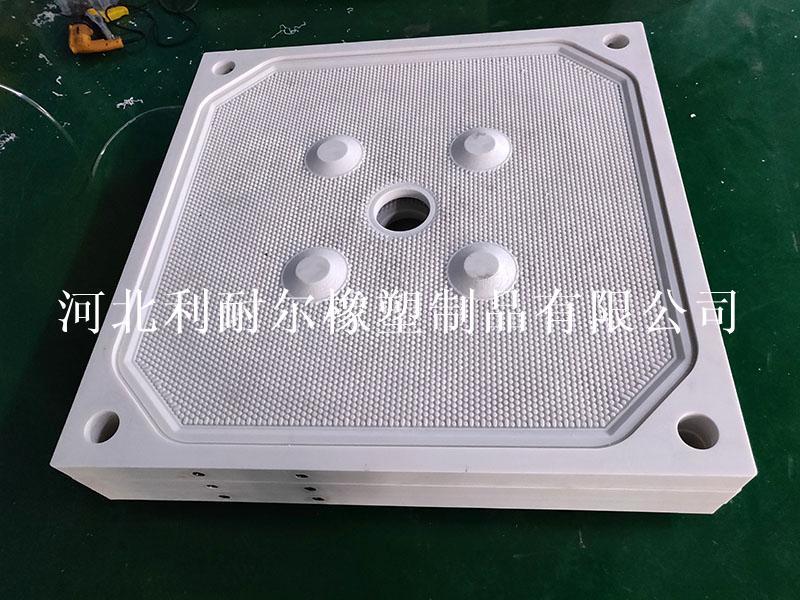
Filter plates are essential components in industrial equipment, particularly in filtration systems. They play a crucial role in separating solids from liquids, ensuring optimal performance and efficiency. Filter plates are typically made from various materials, including polypropylene and stainless steel, and come in different sizes and designs.
There are several types of filter plates available in the market, each designed for specific filtration requirements. Some common types include:
- Recessed Chamber Filter Plates: These plates feature a recessed area where the filtrate collects, allowing for efficient separation of solids and liquids.
- Plate and Frame Filter Plates: This type consists of a frame and filter plates with filter media in between. They are suitable for applications that require fine filtration.
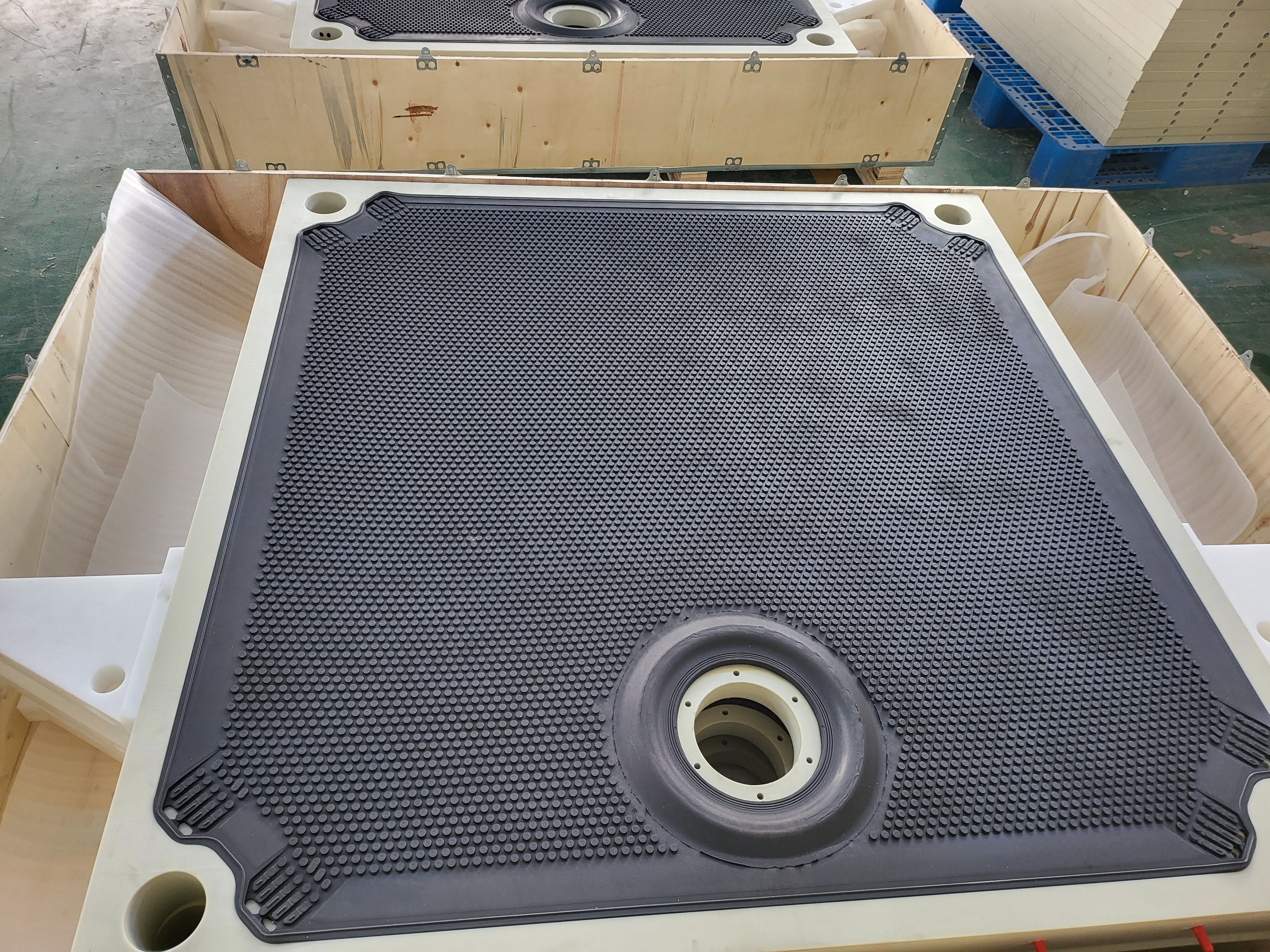
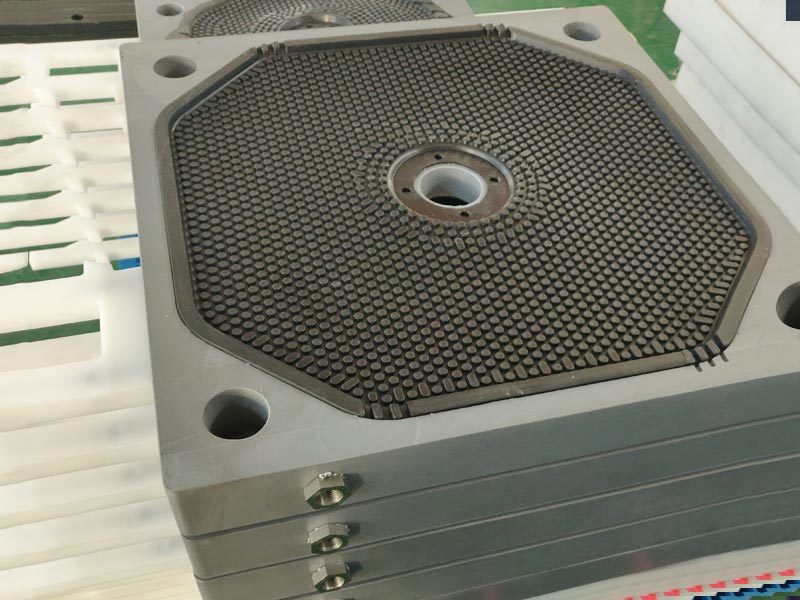
- Membrane Filter Plates: These plates have a flexible membrane attached to the base plate, allowing for additional filtration pressure and improved cake release.
- Filter Press Plates: These plates are used in filter press systems and are known for their durability and high filtration capacity.
When selecting a filter plate factory, there are several important factors to consider:
- Experience and Expertise: Look for a factory with extensive experience in manufacturing filter plates. They should have a deep understanding of the industry and be able to provide customized solutions.
- Production Capacity: Consider the factory's production capacity to ensure they can meet your volume requirements.
- Quality Control Measures: Check if the factory has strict quality control measures in place to ensure the production of high-quality filter plates.
- R&D Capabilities: It is beneficial to choose a factory that invests in research and development to continuously improve their products.
- Customization Options: If you have specific requirements, make sure the factory offers customization options to meet your needs.
To find the best filter plate factory, thorough research is essential. Here are some steps to follow:
- Online Search: Use search engines to find filter plate manufacturers. Look for reputable companies with a strong online presence.
- Industry Directories: Check industry directories and listings to find a comprehensive list of filter plate manufacturers.
- Trade Shows and Exhibitions: Attend relevant trade shows and exhibitions to meet manufacturers in person and learn more about their products and services.
- Referrals and Recommendations: Seek recommendations from industry professionals or colleagues who have previously worked with filter plate manufacturers.
Ensuring the quality of filter plates is crucial for optimal performance and longevity. Consider the following factors when evaluating a factory's quality standards:
- Material Selection: Inquire about the materials used in the production of filter plates. High-quality materials, such as polypropylene or stainless steel, ensure durability and resistance to chemical corrosion.
- Manufacturing Process: Learn about the manufacturing process employed by the factory. Advanced techniques and equipment contribute to the production of superior filter plates.
- Quality Control Procedures: Check if the factory has rigorous quality control procedures in place, such as regular inspections and tests, to ensure the consistent quality of their products.
- Certifications and Accreditations: Look for certifications and accreditations that demonstrate the factory's commitment to quality, such as ISO 9001.
While price is an important consideration, it should not be the sole determining factor. When discussing pricing with a filter plate factory, consider the following:
- Transparency: Ensure that the factory provides a detailed breakdown of costs, including any additional charges for customization or shipping.
- Payment Terms: Discuss the payment terms and options available, such as upfront payment or installments.
- Delivery Time: Inquire about the factory's delivery timeframes to ensure they can meet your project deadlines.
Reading customer reviews and testimonials can provide valuable insights into the quality and reliability of a filter plate factory. Look for feedback regarding product performance, customer service, and overall satisfaction. Online review platforms and industry forums are great places to find authentic reviews.
Q1: How long do filter plates typically last?
A1: The lifespan of filter plates depends on various factors, including the materials used, operating conditions, and maintenance. On average, filter plates can last anywhere from 5 to 10 years.
Q2: Can filter plates be customized?
A2: Yes, many filter plate factories offer customization options to meet specific requirements. This includes size, material, and design customization.
Q3: What is the typical lead time for manufacturing filter plates?
A3: The lead time varies depending on the factory's production capacity and workload. It is best to discuss the lead time with the factory directly.
Q4: Are there any maintenance requirements for filter plates?
A4: Regular maintenance, such as cleaning and inspections, is essential to ensure the longevity and optimal performance of filter plates. The factory can provide guidelines for proper maintenance.
Q5: Can filter plates be recycled?
A5: Yes, filter plates made from recyclable materials, such as polypropylene, can be recycled. Proper disposal and recycling practices should be followed.
Finding the best filter plate factory requires thorough research, evaluation of quality standards, and consideration of customization options. By following the steps outlined in this guide, you can make an informed decision and find a reliable manufacturer that meets your specific filtration needs. Remember to prioritize quality, experience, and customer reviews to ensure long-lasting performance and satisfaction. Start your search today and find the perfect filter plate factory for your industrial equipment!
1. Introduction: Understanding Filter Plates
2. Types of Filter Plates
3. Factors to Consider When Choosing a Filter Plate Factory
4. Researching Filter Plate Manufacturers
5. Evaluating Quality Standards
6. Pricing and Ordering Process
7. Customer Reviews and Testimonials
8. Frequently Asked Questions (FAQs)
9. Conclusion
1. Introduction: Understanding Filter Plates
Filter plates are essential components in industrial equipment, particularly in filtration systems. They play a crucial role in separating solids from liquids, ensuring optimal performance and efficiency. Filter plates are typically made from various materials, including polypropylene and stainless steel, and come in different sizes and designs.
2. Types of Filter Plates
There are several types of filter plates available in the market, each designed for specific filtration requirements. Some common types include:
- Recessed Chamber Filter Plates: These plates feature a recessed area where the filtrate collects, allowing for efficient separation of solids and liquids.
- Plate and Frame Filter Plates: This type consists of a frame and filter plates with filter media in between. They are suitable for applications that require fine filtration.
- Membrane Filter Plates: These plates have a flexible membrane attached to the base plate, allowing for additional filtration pressure and improved cake release.
- Filter Press Plates: These plates are used in filter press systems and are known for their durability and high filtration capacity.
3. Factors to Consider When Choosing a Filter Plate Factory
When selecting a filter plate factory, there are several important factors to consider:
- Experience and Expertise: Look for a factory with extensive experience in manufacturing filter plates. They should have a deep understanding of the industry and be able to provide customized solutions.
- Production Capacity: Consider the factory's production capacity to ensure they can meet your volume requirements.
- Quality Control Measures: Check if the factory has strict quality control measures in place to ensure the production of high-quality filter plates.
- R&D Capabilities: It is beneficial to choose a factory that invests in research and development to continuously improve their products.
- Customization Options: If you have specific requirements, make sure the factory offers customization options to meet your needs.
4. Researching Filter Plate Manufacturers
To find the best filter plate factory, thorough research is essential. Here are some steps to follow:
- Online Search: Use search engines to find filter plate manufacturers. Look for reputable companies with a strong online presence.
- Industry Directories: Check industry directories and listings to find a comprehensive list of filter plate manufacturers.
- Trade Shows and Exhibitions: Attend relevant trade shows and exhibitions to meet manufacturers in person and learn more about their products and services.
- Referrals and Recommendations: Seek recommendations from industry professionals or colleagues who have previously worked with filter plate manufacturers.
5. Evaluating Quality Standards
Ensuring the quality of filter plates is crucial for optimal performance and longevity. Consider the following factors when evaluating a factory's quality standards:
- Material Selection: Inquire about the materials used in the production of filter plates. High-quality materials, such as polypropylene or stainless steel, ensure durability and resistance to chemical corrosion.
- Manufacturing Process: Learn about the manufacturing process employed by the factory. Advanced techniques and equipment contribute to the production of superior filter plates.
- Quality Control Procedures: Check if the factory has rigorous quality control procedures in place, such as regular inspections and tests, to ensure the consistent quality of their products.
- Certifications and Accreditations: Look for certifications and accreditations that demonstrate the factory's commitment to quality, such as ISO 9001.
6. Pricing and Ordering Process
While price is an important consideration, it should not be the sole determining factor. When discussing pricing with a filter plate factory, consider the following:
- Transparency: Ensure that the factory provides a detailed breakdown of costs, including any additional charges for customization or shipping.
- Payment Terms: Discuss the payment terms and options available, such as upfront payment or installments.
- Delivery Time: Inquire about the factory's delivery timeframes to ensure they can meet your project deadlines.
7. Customer Reviews and Testimonials
Reading customer reviews and testimonials can provide valuable insights into the quality and reliability of a filter plate factory. Look for feedback regarding product performance, customer service, and overall satisfaction. Online review platforms and industry forums are great places to find authentic reviews.
8. Frequently Asked Questions (FAQs)
Q1: How long do filter plates typically last?
A1: The lifespan of filter plates depends on various factors, including the materials used, operating conditions, and maintenance. On average, filter plates can last anywhere from 5 to 10 years.
Q2: Can filter plates be customized?
A2: Yes, many filter plate factories offer customization options to meet specific requirements. This includes size, material, and design customization.
Q3: What is the typical lead time for manufacturing filter plates?
A3: The lead time varies depending on the factory's production capacity and workload. It is best to discuss the lead time with the factory directly.
Q4: Are there any maintenance requirements for filter plates?
A4: Regular maintenance, such as cleaning and inspections, is essential to ensure the longevity and optimal performance of filter plates. The factory can provide guidelines for proper maintenance.
Q5: Can filter plates be recycled?
A5: Yes, filter plates made from recyclable materials, such as polypropylene, can be recycled. Proper disposal and recycling practices should be followed.
9. Conclusion
Finding the best filter plate factory requires thorough research, evaluation of quality standards, and consideration of customization options. By following the steps outlined in this guide, you can make an informed decision and find a reliable manufacturer that meets your specific filtration needs. Remember to prioritize quality, experience, and customer reviews to ensure long-lasting performance and satisfaction. Start your search today and find the perfect filter plate factory for your industrial equipment!
Related News