
-
AboutHebei Linaier Rubber Products Co., Ltd. is located in Duqiao Industrial Zone, Jingxian City, Hebei Province, adjacent to Dezhou, Shandong. Founded in early 2001 with a registered capital of 35 million yuan, it is a scientific

-
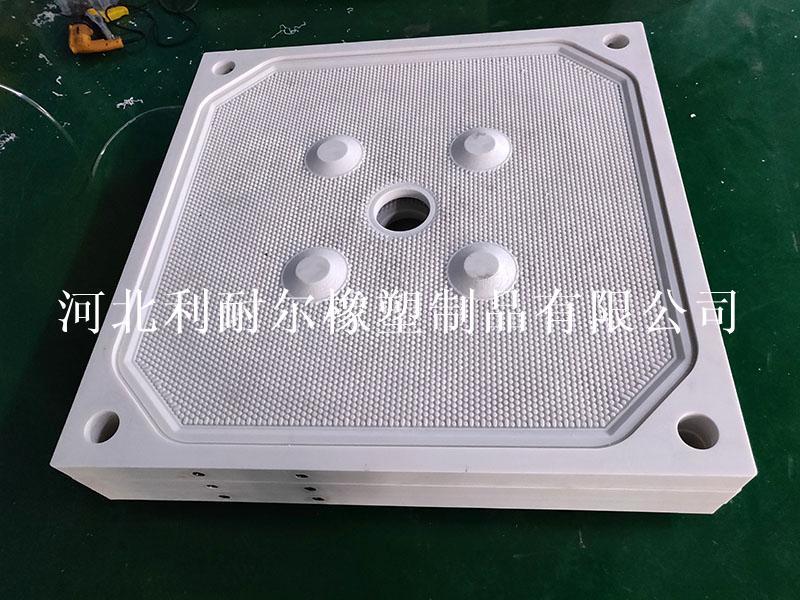
ProductMain products: vertical and horizontal imported and domestic filter plates, diaphragm plates, diaphragms and accessories; pinch valve sleeves and pinch valves and various mining accessories.
-
NewsIn 2013, our company's high-pressure cylinder with phenolic cloth support and guide ring obtained the national key new product certificate, project number: 2013GRA20011; its products in coal cylinders and engineering hydrauli
-
ServiceWe will actively cooperate with more enthusiasm, strengthen internal management, expand the market externally, improve various performance indicators of existing products, and truly achieve our win-win situation!
-
RecruitmentOur company always adheres to the talent concept of "people-oriented", provides a growth platform for talents, and realizes the common growth and development of enterprises and talents.


language
English
العربية
বাংলাদেশ
Български
Hrvatski
Česky
Dansk
Nederland
 Esperanto
Slovenski
Filipino
Suomi
Français
Maori
 Shqiptare
Georgian
 Euskara
Deutsch
Ελλάδα
ישראל
इंडिया
Magyarország
Ísland
Indonesia
Irlanda
Italia
日本語
Sovensko
Հայաստան
한국
Kyrgyz
ປະເທດລາວ
 Zulu
Zulu
Latvian
Lithuanian
Luxembourgish
 Latinus
Macedonian
Малайская
Maltese
Монгол улс
 Cymraeg
ဗမာ
 தமிழ்
தமிழ்
नेपाल
Norge
ایران
Polska
Portugal
România
Российская
Србија
 Slovak
Србија
 Slovak
Bosanski
Slovenian
Беларус
España
Sverige
Точик
ประเทศไทย
Türk
Azərbaycan
Uzbek
 Afrikaans
Việt Nam

Enhancing Safety Measures: Seals for Coal Mines
Release time:
2023-12-27
Table of Contents 1. Introduction 2. Importance of Seals in Coal Mines 3. Types of Seals Used in Coal Mines 3.1 Concrete Block Seals 3.2 Steel Plate Seals 3.3 Inflatable Seals 4. Functions of Seals in Coal Mines 4.1 Safety of Underground Workings 4.2 Prevention of Gas and Dust Migration 4.3 Control of Fire and Explosion Hazards 4.4 Isolation of Abandoned Areas 5. Advancements
Table of Contents
1. Introduction
2. Importance of Seals in Coal Mines
3. Types of Seals Used in Coal Mines
3.1 Concrete Block Seals
3.2 Steel Plate Seals
3.3 Inflatable Seals
4. Functions of Seals in Coal Mines
4.1 Safety of Underground Workings
4.2 Prevention of Gas and Dust Migration
4.3 Control of Fire and Explosion Hazards
4.4 Isolation of Abandoned Areas
5. Advancements in Seal Technology
5.1 Improved Material Durability
5.2 Enhanced Structural Integrity
5.3 Integrated Monitoring Systems
6. Benefits of Seals in Coal Mines
6.1 Increased Safety for Miners
6.2 Enhanced Efficiency in Mining Operations
6.3 Reduced Environmental Impact
7. Frequently Asked Questions (FAQs)
7.1 What are the regulations governing the use of seals in coal mines?
7.2 How often should seals be inspected for maintenance?
7.3 Can seals withstand high pressure and temperature conditions?
7.4 Are seals effective in preventing gas and dust migration?
7.5 How do inflatable seals work in coal mine applications?
8. Conclusion
1. Introduction
In the challenging world of coal mining, safety is paramount. To ensure the well-being of miners and the prevention of accidents, the implementation of effective safety measures is crucial. One such measure is the use of seals in coal mines. These seals act as barriers, preventing the migration of gases, dust, and fire hazards, effectively protecting underground workers.
2. Importance of Seals in Coal Mines
Seals play a vital role in enhancing safety measures in coal mines. They are utilized to isolate and secure underground workings, preventing the propagation of hazards and safeguarding the integrity of the mine. By effectively sealing off abandoned areas, they reduce the risk of accidents and minimize the potential for disasters.
3. Types of Seals Used in Coal Mines
3.1 Concrete Block Seals
Concrete block seals are commonly used in coal mines due to their durability and strength. These seals consist of large concrete blocks that are carefully designed and installed to withstand high pressure conditions. They provide a reliable barrier against gas and dust migration, helping maintain a safe working environment.
3.2 Steel Plate Seals
Steel plate seals are another commonly employed type of seal in coal mines. These seals are constructed using robust steel plates, which are carefully bolted together to form a secure barrier. They are effective in preventing fire and explosion hazards, ensuring the safety of miners working underground.
3.3 Inflatable Seals
Inflatable seals offer a flexible and versatile solution for sealing off underground areas in coal mines. These seals are made from a durable material that can be inflated or deflated as required. They provide an effective barrier against gas migration and are particularly useful in sealing irregularly shaped spaces.
4. Functions of Seals in Coal Mines
4.1 Safety of Underground Workings
The primary function of seals in coal mines is to ensure the safety of underground workings. By isolating and securing specific areas, seals prevent the spread of hazards, thereby minimizing the risk of accidents and enhancing the overall safety of miners.
4.2 Prevention of Gas and Dust Migration
Seals act as a barrier against the migration of gases and dust in coal mines. They effectively prevent the propagation of these potential hazards, reducing the risk of explosions, fires, and health hazards for miners working in the underground environment.
4.3 Control of Fire and Explosion Hazards
Coal mines are prone to fire and explosion hazards. Seals play a crucial role in controlling these risks by containing potential fire sources and preventing the propagation of flames. With the proper installation and maintenance of seals, the likelihood of fire-related accidents can be significantly reduced.
4.4 Isolation of Abandoned Areas
Coal mines often have abandoned areas that need to be isolated for safety reasons. Seals provide the necessary barrier to confine these areas, ensuring that they do not pose a threat to active mining operations. By preventing access to abandoned sections, the risk of accidental entries and potential accidents is effectively reduced.
5. Advancements in Seal Technology
5.1 Improved Material Durability
Advancements in seal technology have led to the development of seals with improved material durability. Modern seals are designed to withstand harsh conditions, including high pressure, temperature fluctuations, and exposure to chemicals, ensuring their long-term effectiveness.
5.2 Enhanced Structural Integrity
Seals now boast enhanced structural integrity, providing a higher level of security and reliability. With improved engineering techniques and materials, seals can withstand the demanding conditions of coal mines, reducing the risk of failure or compromise.
5.3 Integrated Monitoring Systems
Innovative seal designs now incorporate integrated monitoring systems. These systems enable real-time monitoring of seal performance, providing valuable data on any potential issues or deterioration. By promptly detecting and addressing concerns, miners can maintain a safe working environment.
6. Benefits of Seals in Coal Mines
6.1 Increased Safety for Miners
The primary benefit of seals in coal mines is the increased safety they provide for miners. By effectively isolating and securing specific areas, seals prevent the spread of hazards, minimizing the potential for accidents and ensuring the well-being of underground workers.
6.2 Enhanced Efficiency in Mining Operations
Seals contribute to enhanced efficiency in mining operations. By isolating and sealing off abandoned areas, miners can focus their efforts on active mining zones, maximizing productivity and minimizing downtime.
6.3 Reduced Environmental Impact
Seals play a crucial role in reducing the environmental impact of coal mining. By preventing the migration of gases, dust, and potential fire hazards, they help maintain a clean and safe underground environment, minimizing the release of pollutants into the atmosphere.
7. Frequently Asked Questions (FAQs)
7.1 What are the regulations governing the use of seals in coal mines?
The use of seals in coal mines is governed by strict regulations and guidelines to ensure the safety of miners. These regulations outline the design, installation, maintenance, and inspection requirements for seals to meet industry standards.
7.2 How often should seals be inspected for maintenance?
Seals in coal mines should be regularly inspected for maintenance purposes. The frequency of inspections depends on various factors, including the seal type, environmental conditions, and industry regulations. Typically, inspections are conducted at regular intervals to identify and address any potential issues promptly.
7.3 Can seals withstand high pressure and temperature conditions?
Yes, seals used in coal mines are specifically designed to withstand high pressure and temperature conditions. They undergo rigorous testing to ensure their durability and performance under demanding circumstances.
7.4 Are seals effective in preventing gas and dust migration?
Yes, seals are highly effective in preventing the migration of gases and dust in coal mines. Their robust construction and proper installation create a reliable barrier, minimizing the risk of explosions, fires, and health hazards associated with these migratory elements.
7.5 How do inflatable seals work in coal mine applications?
Inflatable seals utilize a flexible material that can be inflated or deflated as needed. In coal mine applications, they are installed in irregularly shaped spaces where traditional seals may not be suitable. By inflating and adapting to the specific environment, inflatable seals effectively seal off these areas, preventing gas migration and maintaining a safe working environment.
8. Conclusion
Seals play a crucial role in enhancing safety measures in coal mines. With their ability to isolate underground workings, prevent gas and dust migration, and control fire and explosion hazards, seals contribute significantly to the well-being of miners and the overall efficiency of mining operations. Through advancements in seal technology, the industry continues to prioritize safety, striving to provide the best possible protection for those working in the challenging environment of coal mines.
1. Introduction
2. Importance of Seals in Coal Mines
3. Types of Seals Used in Coal Mines
3.1 Concrete Block Seals
3.2 Steel Plate Seals
3.3 Inflatable Seals
4. Functions of Seals in Coal Mines
4.1 Safety of Underground Workings
4.2 Prevention of Gas and Dust Migration
4.3 Control of Fire and Explosion Hazards
4.4 Isolation of Abandoned Areas
5. Advancements in Seal Technology
5.1 Improved Material Durability
5.2 Enhanced Structural Integrity
5.3 Integrated Monitoring Systems
6. Benefits of Seals in Coal Mines
6.1 Increased Safety for Miners
6.2 Enhanced Efficiency in Mining Operations
6.3 Reduced Environmental Impact
7. Frequently Asked Questions (FAQs)
7.1 What are the regulations governing the use of seals in coal mines?
7.2 How often should seals be inspected for maintenance?
7.3 Can seals withstand high pressure and temperature conditions?
7.4 Are seals effective in preventing gas and dust migration?
7.5 How do inflatable seals work in coal mine applications?
8. Conclusion
1. Introduction
In the challenging world of coal mining, safety is paramount. To ensure the well-being of miners and the prevention of accidents, the implementation of effective safety measures is crucial. One such measure is the use of seals in coal mines. These seals act as barriers, preventing the migration of gases, dust, and fire hazards, effectively protecting underground workers.
2. Importance of Seals in Coal Mines
Seals play a vital role in enhancing safety measures in coal mines. They are utilized to isolate and secure underground workings, preventing the propagation of hazards and safeguarding the integrity of the mine. By effectively sealing off abandoned areas, they reduce the risk of accidents and minimize the potential for disasters.
3. Types of Seals Used in Coal Mines
3.1 Concrete Block Seals
Concrete block seals are commonly used in coal mines due to their durability and strength. These seals consist of large concrete blocks that are carefully designed and installed to withstand high pressure conditions. They provide a reliable barrier against gas and dust migration, helping maintain a safe working environment.
3.2 Steel Plate Seals
Steel plate seals are another commonly employed type of seal in coal mines. These seals are constructed using robust steel plates, which are carefully bolted together to form a secure barrier. They are effective in preventing fire and explosion hazards, ensuring the safety of miners working underground.
3.3 Inflatable Seals
Inflatable seals offer a flexible and versatile solution for sealing off underground areas in coal mines. These seals are made from a durable material that can be inflated or deflated as required. They provide an effective barrier against gas migration and are particularly useful in sealing irregularly shaped spaces.
4. Functions of Seals in Coal Mines
4.1 Safety of Underground Workings
The primary function of seals in coal mines is to ensure the safety of underground workings. By isolating and securing specific areas, seals prevent the spread of hazards, thereby minimizing the risk of accidents and enhancing the overall safety of miners.
4.2 Prevention of Gas and Dust Migration
Seals act as a barrier against the migration of gases and dust in coal mines. They effectively prevent the propagation of these potential hazards, reducing the risk of explosions, fires, and health hazards for miners working in the underground environment.
4.3 Control of Fire and Explosion Hazards
Coal mines are prone to fire and explosion hazards. Seals play a crucial role in controlling these risks by containing potential fire sources and preventing the propagation of flames. With the proper installation and maintenance of seals, the likelihood of fire-related accidents can be significantly reduced.
4.4 Isolation of Abandoned Areas
Coal mines often have abandoned areas that need to be isolated for safety reasons. Seals provide the necessary barrier to confine these areas, ensuring that they do not pose a threat to active mining operations. By preventing access to abandoned sections, the risk of accidental entries and potential accidents is effectively reduced.
5. Advancements in Seal Technology
5.1 Improved Material Durability
Advancements in seal technology have led to the development of seals with improved material durability. Modern seals are designed to withstand harsh conditions, including high pressure, temperature fluctuations, and exposure to chemicals, ensuring their long-term effectiveness.
5.2 Enhanced Structural Integrity
Seals now boast enhanced structural integrity, providing a higher level of security and reliability. With improved engineering techniques and materials, seals can withstand the demanding conditions of coal mines, reducing the risk of failure or compromise.
5.3 Integrated Monitoring Systems
Innovative seal designs now incorporate integrated monitoring systems. These systems enable real-time monitoring of seal performance, providing valuable data on any potential issues or deterioration. By promptly detecting and addressing concerns, miners can maintain a safe working environment.
6. Benefits of Seals in Coal Mines
6.1 Increased Safety for Miners
The primary benefit of seals in coal mines is the increased safety they provide for miners. By effectively isolating and securing specific areas, seals prevent the spread of hazards, minimizing the potential for accidents and ensuring the well-being of underground workers.
6.2 Enhanced Efficiency in Mining Operations
Seals contribute to enhanced efficiency in mining operations. By isolating and sealing off abandoned areas, miners can focus their efforts on active mining zones, maximizing productivity and minimizing downtime.
6.3 Reduced Environmental Impact
Seals play a crucial role in reducing the environmental impact of coal mining. By preventing the migration of gases, dust, and potential fire hazards, they help maintain a clean and safe underground environment, minimizing the release of pollutants into the atmosphere.
7. Frequently Asked Questions (FAQs)
7.1 What are the regulations governing the use of seals in coal mines?
The use of seals in coal mines is governed by strict regulations and guidelines to ensure the safety of miners. These regulations outline the design, installation, maintenance, and inspection requirements for seals to meet industry standards.
7.2 How often should seals be inspected for maintenance?
Seals in coal mines should be regularly inspected for maintenance purposes. The frequency of inspections depends on various factors, including the seal type, environmental conditions, and industry regulations. Typically, inspections are conducted at regular intervals to identify and address any potential issues promptly.
7.3 Can seals withstand high pressure and temperature conditions?
Yes, seals used in coal mines are specifically designed to withstand high pressure and temperature conditions. They undergo rigorous testing to ensure their durability and performance under demanding circumstances.
7.4 Are seals effective in preventing gas and dust migration?
Yes, seals are highly effective in preventing the migration of gases and dust in coal mines. Their robust construction and proper installation create a reliable barrier, minimizing the risk of explosions, fires, and health hazards associated with these migratory elements.
7.5 How do inflatable seals work in coal mine applications?
Inflatable seals utilize a flexible material that can be inflated or deflated as needed. In coal mine applications, they are installed in irregularly shaped spaces where traditional seals may not be suitable. By inflating and adapting to the specific environment, inflatable seals effectively seal off these areas, preventing gas migration and maintaining a safe working environment.
8. Conclusion
Seals play a crucial role in enhancing safety measures in coal mines. With their ability to isolate underground workings, prevent gas and dust migration, and control fire and explosion hazards, seals contribute significantly to the well-being of miners and the overall efficiency of mining operations. Through advancements in seal technology, the industry continues to prioritize safety, striving to provide the best possible protection for those working in the challenging environment of coal mines.
Related News