
-
AboutHebei Linaier Rubber Products Co., Ltd. is located in Duqiao Industrial Zone, Jingxian City, Hebei Province, adjacent to Dezhou, Shandong. Founded in early 2001 with a registered capital of 35 million yuan, it is a scientific

-
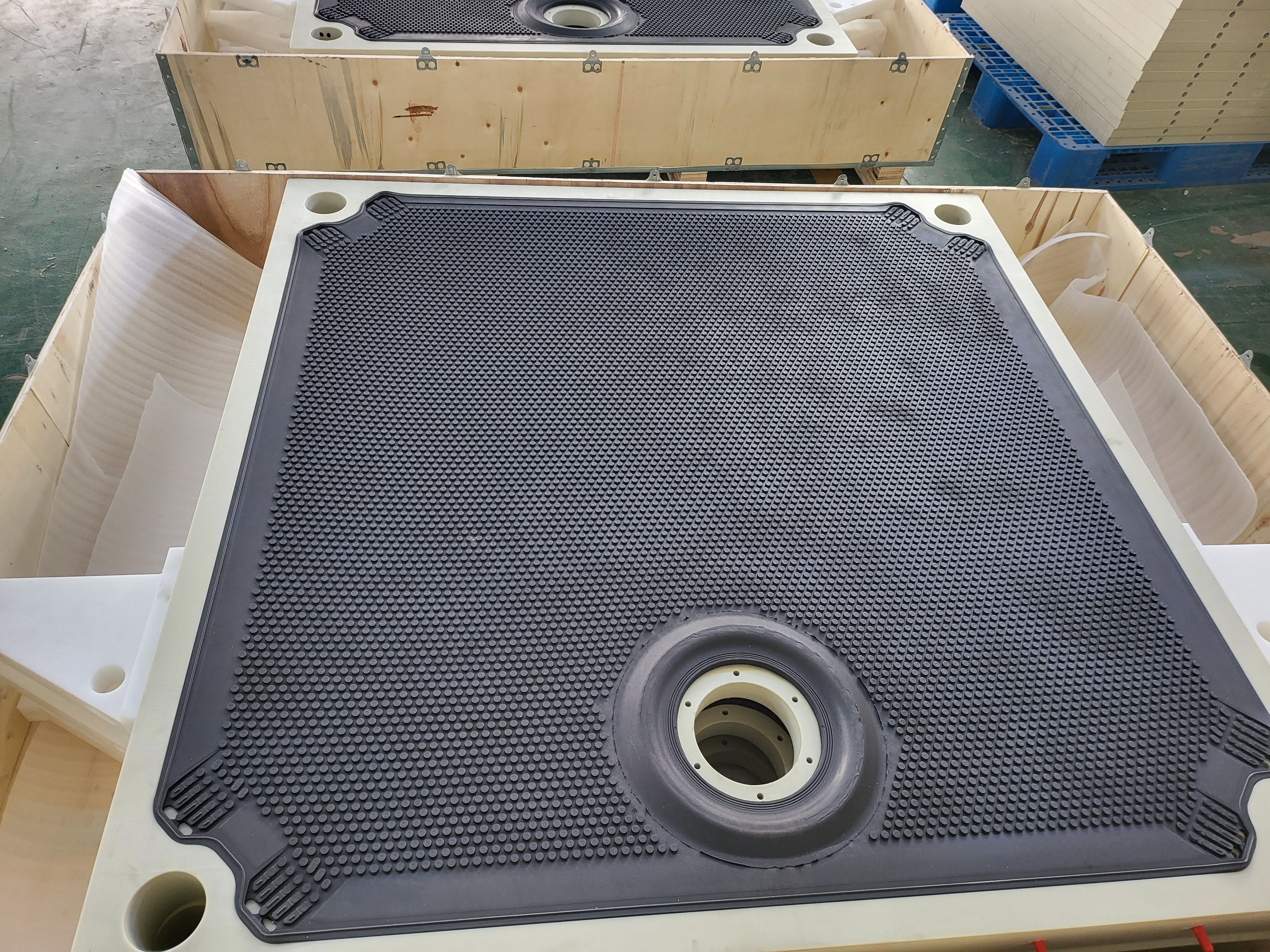
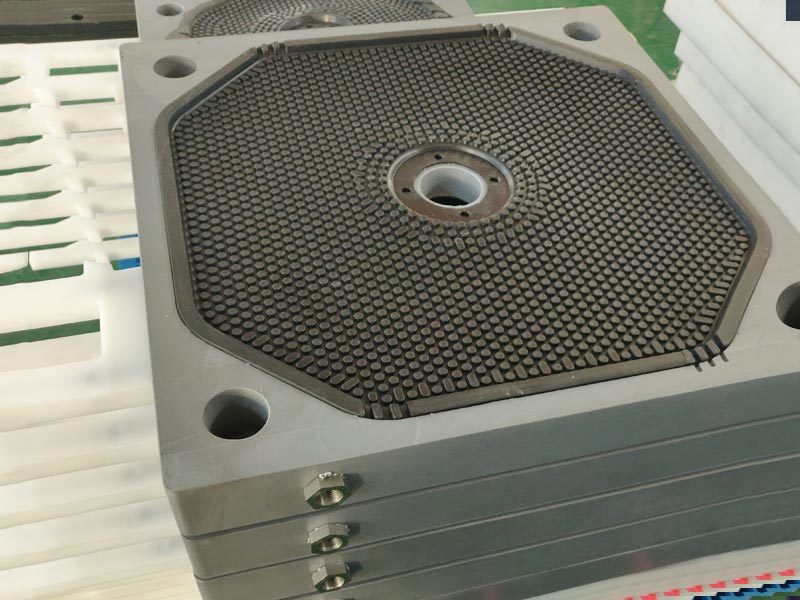
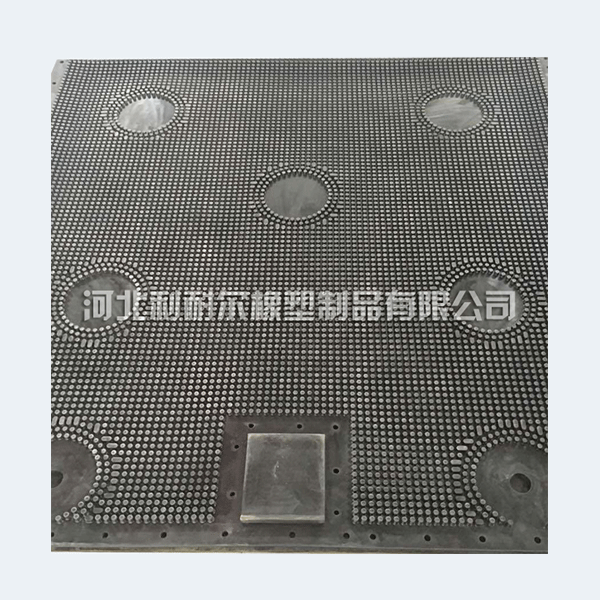
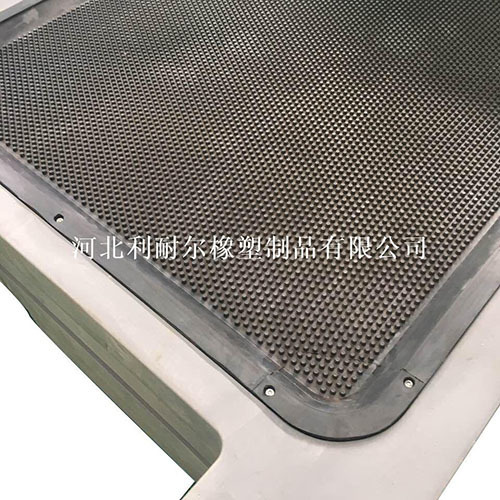
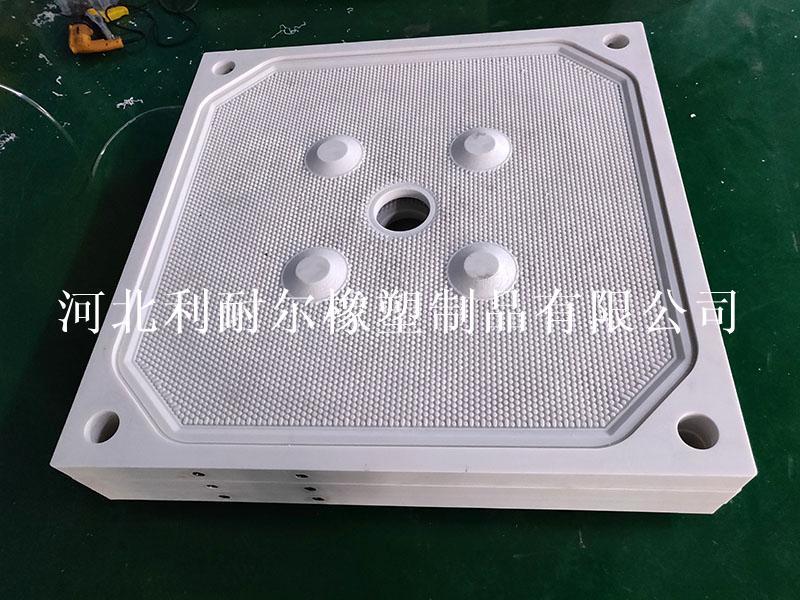
ProductMain products: vertical and horizontal imported and domestic filter plates, diaphragm plates, diaphragms and accessories; pinch valve sleeves and pinch valves and various mining accessories.
-
NewsIn 2013, our company's high-pressure cylinder with phenolic cloth support and guide ring obtained the national key new product certificate, project number: 2013GRA20011; its products in coal cylinders and engineering hydrauli
-
ServiceWe will actively cooperate with more enthusiasm, strengthen internal management, expand the market externally, improve various performance indicators of existing products, and truly achieve our win-win situation!
-
RecruitmentOur company always adheres to the talent concept of "people-oriented", provides a growth platform for talents, and realizes the common growth and development of enterprises and talents.


language
English
العربية
বাংলাদেশ
Български
Hrvatski
Česky
Dansk
Nederland
 Esperanto
Slovenski
Filipino
Suomi
Français
Maori
 Shqiptare
Georgian
 Euskara
Deutsch
Ελλάδα
ישראל
इंडिया
Magyarország
Ísland
Indonesia
Irlanda
Italia
日本語
Sovensko
Հայաստան
한국
Kyrgyz
ປະເທດລາວ
 Zulu
Zulu
Latvian
Lithuanian
Luxembourgish
 Latinus
Macedonian
Малайская
Maltese
Монгол улс
 Cymraeg
ဗမာ
 தமிழ்
தமிழ்
नेपाल
Norge
ایران
Polska
Portugal
România
Российская
Србија
 Slovak
Србија
 Slovak
Bosanski
Slovenian
Беларус
España
Sverige
Точик
ประเทศไทย
Türk
Azərbaycan
Uzbek
 Afrikaans
Việt Nam

The Importance of Skeleton Oil Seal in Industrial Equipment: Ensuring Efficiency and Longevity
Release time:
2023-12-26
Table of Contents: 1. Introduction: Understanding the Role of Skeleton Oil Seals 2. Types of Skeleton Oil Seals: 2.1 Lip Seals 2.2 V-Rings 2.3 Wipers 2.4 U-Cups 3. Functions and Benefits of Skeleton Oil Seals: 3.1 Contaminant Exclusion 3.2 Lubricant Retention 3.3 Pressure and Temperature Resistance 3.4 Enhanced Equipment Performance 3.5 Extended Equipment Lifespan 4. App
Table of Contents:
1. Introduction: Understanding the Role of Skeleton Oil Seals
2. Types of Skeleton Oil Seals:
2.1 Lip Seals
2.2 V-Rings
2.3 Wipers
2.4 U-Cups
3. Functions and Benefits of Skeleton Oil Seals:
3.1 Contaminant Exclusion
3.2 Lubricant Retention
3.3 Pressure and Temperature Resistance
3.4 Enhanced Equipment Performance
3.5 Extended Equipment Lifespan
4. Applications of Skeleton Oil Seals in Industrial Equipment:
4.1 Pumps and Compressors
4.2 Hydraulic Systems
4.3 Engines and Motors
4.4 Gearboxes and Transmissions
5. Factors to Consider When Selecting Skeleton Oil Seals:
5.1 Operating Conditions
5.2 Compatibility with Fluids and Chemicals
5.3 Seal Material and Design
5.4 Installation Requirements
6. Installation and Maintenance of Skeleton Oil Seals:
6.1 Proper Seal Installation Techniques
6.2 Regular Inspection and Maintenance
6.3 Troubleshooting Common Seal Issues
7. Frequently Asked Questions (FAQs):
7.1 What is the purpose of a skeleton oil seal?
7.2 How do skeleton oil seals prevent fluid leakage?
7.3 Can skeleton oil seals withstand high pressures and temperatures?
7.4 How long do skeleton oil seals last?
7.5 What are the common signs of a failing skeleton oil seal?
8. Conclusion: Maximizing Equipment Efficiency and Longevity with Skeleton Oil Seals
1. Introduction: Understanding the Role of Skeleton Oil Seals
Skeleton oil seals, also known as oil seals or rotary shaft seals, are crucial components in industrial equipment. They are designed to prevent the leakage of fluids, such as oil or grease, and to protect bearings and other vital machinery parts from contaminants. By creating a barrier between rotating shafts and the surrounding environment, skeleton oil seals ensure efficient operation and extend the lifespan of industrial equipment.
2. Types of Skeleton Oil Seals
2.1 Lip Seals
Lip seals, the most common type of skeleton oil seals, have a flexible lip that contacts the rotating shaft. They offer excellent sealing effectiveness and are suitable for various applications.
2.2 V-Rings
V-rings, also known as axial lip seals, feature a V-shaped cross-section. They provide effective sealing in both directions and are often used in applications with high speeds or misaligned shafts.
2.3 Wipers
Wipers, also called dust seals or scraper seals, are used to remove contaminants from the shaft surface, preventing them from entering the machinery. They play a crucial role in maintaining the cleanliness of critical components.
2.4 U-Cups
U-cups, also known as U-seals or U-rings, are shaped like a U and provide sealing effectiveness in dynamic applications. They are commonly used in hydraulic cylinders and other systems with reciprocating motion.
3. Functions and Benefits of Skeleton Oil Seals
3.1 Contaminant Exclusion
One of the primary functions of skeleton oil seals is to exclude contaminants, such as dirt, dust, water, and chemicals, from entering the equipment. By preventing the ingress of these harmful substances, the seals protect bearings and other sensitive components, reducing the risk of premature wear, corrosion, and equipment failure.
3.2 Lubricant Retention
Skeleton oil seals retain lubricants within the equipment, ensuring proper lubrication of moving parts. This prevents friction, heat generation, and excessive wear, leading to improved efficiency, reduced energy consumption, and longer equipment lifespan.
3.3 Pressure and Temperature Resistance
Industrial equipment often operates in demanding environments with high pressures and temperatures. Skeleton oil seals are designed to withstand these extreme conditions, maintaining their sealing effectiveness and ensuring the equipment operates reliably and safely.
3.4 Enhanced Equipment Performance
By effectively sealing rotating shafts, skeleton oil seals minimize energy losses and vibrations, resulting in improved equipment performance. This leads to enhanced productivity, reduced maintenance costs, and increased overall efficiency.
3.5 Extended Equipment Lifespan
The proper installation and use of skeleton oil seals contribute to the longevity of industrial equipment. By preventing fluid leakage, minimizing contamination, and reducing wear, these seals help extend the lifespan of critical machinery components, ultimately saving time and money.
4. Applications of Skeleton Oil Seals in Industrial Equipment
4.1 Pumps and Compressors
Skeleton oil seals are widely used in pumps and compressors to prevent fluid leakage and contamination. They play a vital role in maintaining the efficiency and reliability of these essential equipment.
4.2 Hydraulic Systems
Hydraulic systems rely on skeleton oil seals to retain hydraulic fluids, ensuring smooth operation and preventing damage to sensitive components, such as cylinders, valves, and pumps.
4.3 Engines and Motors
In engines and motors, skeleton oil seals protect bearings, crankshafts, and other rotating parts from contaminants, maintaining optimal performance and preventing premature failure.
4.4 Gearboxes and Transmissions
Gearboxes and transmissions require effective sealing to preserve lubrication, minimize wear, and reduce noise. Skeleton oil seals are crucial components in these systems, ensuring efficient power transmission and smooth gear shifting.
5. Factors to Consider When Selecting Skeleton Oil Seals
5.1 Operating Conditions
When selecting skeleton oil seals, it is essential to consider the specific operating conditions, including temperature, pressure, shaft speed, and the presence of chemicals or abrasive substances. Choosing seals that can withstand these conditions is crucial for optimal performance and longevity.
5.2 Compatibility with Fluids and Chemicals
Different industrial applications require seal materials that are compatible with specific fluids and chemicals. It is crucial to select skeleton oil seals that can resist chemical attack and provide reliable sealing performance in the intended environment.
5.3 Seal Material and Design
Skeleton oil seals are available in various materials, such as nitrile rubber, fluoroelastomer (FKM), polytetrafluoroethylene (PTFE), and polyurethane. Choosing the right material based on factors like temperature resistance, chemical compatibility, and wear resistance is vital for maximum effectiveness.
5.4 Installation Requirements
Proper seal installation is essential for optimal performance. Consider factors such as groove dimensions, shaft surface preparation, and lubrication requirements to ensure a secure and effective seal.
6. Installation and Maintenance of Skeleton Oil Seals
6.1 Proper Seal Installation Techniques
Installing skeleton oil seals correctly is crucial for their effectiveness. Ensure proper shaft surface preparation, accurate measurements, and appropriate lubrication to achieve a secure and long-lasting seal.
6.2 Regular Inspection and Maintenance
Periodic inspection and maintenance of skeleton oil seals help identify early signs of wear, damage, or misalignment. Regularly check for leaks, contamination, and abnormal seal behavior to address potential issues promptly.
6.3 Troubleshooting Common Seal Issues
Understanding common seal issues, such as leaks, excessive wear, or improper installation, is essential for effective troubleshooting. Promptly address these issues to prevent equipment damage and downtime.
7. Frequently Asked Questions (FAQs)
7.1 What is the purpose of a skeleton oil seal?
A skeleton oil seal acts as a barrier to prevent fluid leakage and the ingress of contaminants, ensuring the efficient operation and prolonged lifespan of industrial equipment.
7.2 How do skeleton oil seals prevent fluid leakage?
Skeleton oil seals use the pressure generated by the contact between the lip and the rotating shaft to create a tight seal that prevents fluid leakage.
7.3 Can skeleton oil seals withstand high pressures and temperatures?
Yes, skeleton oil seals are designed to withstand a wide range of pressures and temperatures, making them suitable for demanding industrial applications.
7.4 How long do skeleton oil seals last?
The lifespan of skeleton oil seals depends on various factors, including operating conditions, seal material, and maintenance practices. With proper selection, installation, and maintenance, they can last for thousands of hours or more.
7.5 What are the common signs of a failing skeleton oil seal?
Common signs of a failing skeleton oil seal include fluid leaks, excessive noise or vibration, increased equipment wear, and reduced performance or efficiency. Prompt replacement or repair is necessary to prevent further damage.
8. Conclusion: Maximizing Equipment Efficiency and Longevity with Skeleton Oil Seals
Skeleton oil seals play a critical role in industrial equipment by ensuring efficient operation, reducing downtime, and prolonging the lifespan of machinery. Their ability to exclude contaminants, retain lubricants, withstand extreme conditions, and enhance equipment performance makes them essential components in various industries. By selecting the right skeleton oil seals, properly installing them, and regularly maintaining and inspecting them, industrial equipment owners can optimize efficiency, reduce costs, and ensure reliable operation. Understanding the importance of skeleton oil seals empowers businesses to make informed decisions that contribute to their overall success and competitiveness in the market.
1. Introduction: Understanding the Role of Skeleton Oil Seals
2. Types of Skeleton Oil Seals:
2.1 Lip Seals
2.2 V-Rings
2.3 Wipers
2.4 U-Cups
3. Functions and Benefits of Skeleton Oil Seals:
3.1 Contaminant Exclusion
3.2 Lubricant Retention
3.3 Pressure and Temperature Resistance
3.4 Enhanced Equipment Performance
3.5 Extended Equipment Lifespan
4. Applications of Skeleton Oil Seals in Industrial Equipment:
4.1 Pumps and Compressors
4.2 Hydraulic Systems
4.3 Engines and Motors
4.4 Gearboxes and Transmissions
5. Factors to Consider When Selecting Skeleton Oil Seals:
5.1 Operating Conditions
5.2 Compatibility with Fluids and Chemicals
5.3 Seal Material and Design
5.4 Installation Requirements
6. Installation and Maintenance of Skeleton Oil Seals:
6.1 Proper Seal Installation Techniques
6.2 Regular Inspection and Maintenance
6.3 Troubleshooting Common Seal Issues
7. Frequently Asked Questions (FAQs):
7.1 What is the purpose of a skeleton oil seal?
7.2 How do skeleton oil seals prevent fluid leakage?
7.3 Can skeleton oil seals withstand high pressures and temperatures?
7.4 How long do skeleton oil seals last?
7.5 What are the common signs of a failing skeleton oil seal?
8. Conclusion: Maximizing Equipment Efficiency and Longevity with Skeleton Oil Seals
1. Introduction: Understanding the Role of Skeleton Oil Seals
Skeleton oil seals, also known as oil seals or rotary shaft seals, are crucial components in industrial equipment. They are designed to prevent the leakage of fluids, such as oil or grease, and to protect bearings and other vital machinery parts from contaminants. By creating a barrier between rotating shafts and the surrounding environment, skeleton oil seals ensure efficient operation and extend the lifespan of industrial equipment.
2. Types of Skeleton Oil Seals
2.1 Lip Seals
Lip seals, the most common type of skeleton oil seals, have a flexible lip that contacts the rotating shaft. They offer excellent sealing effectiveness and are suitable for various applications.
2.2 V-Rings
V-rings, also known as axial lip seals, feature a V-shaped cross-section. They provide effective sealing in both directions and are often used in applications with high speeds or misaligned shafts.
2.3 Wipers
Wipers, also called dust seals or scraper seals, are used to remove contaminants from the shaft surface, preventing them from entering the machinery. They play a crucial role in maintaining the cleanliness of critical components.
2.4 U-Cups
U-cups, also known as U-seals or U-rings, are shaped like a U and provide sealing effectiveness in dynamic applications. They are commonly used in hydraulic cylinders and other systems with reciprocating motion.
3. Functions and Benefits of Skeleton Oil Seals
3.1 Contaminant Exclusion
One of the primary functions of skeleton oil seals is to exclude contaminants, such as dirt, dust, water, and chemicals, from entering the equipment. By preventing the ingress of these harmful substances, the seals protect bearings and other sensitive components, reducing the risk of premature wear, corrosion, and equipment failure.
3.2 Lubricant Retention
Skeleton oil seals retain lubricants within the equipment, ensuring proper lubrication of moving parts. This prevents friction, heat generation, and excessive wear, leading to improved efficiency, reduced energy consumption, and longer equipment lifespan.
3.3 Pressure and Temperature Resistance
Industrial equipment often operates in demanding environments with high pressures and temperatures. Skeleton oil seals are designed to withstand these extreme conditions, maintaining their sealing effectiveness and ensuring the equipment operates reliably and safely.
3.4 Enhanced Equipment Performance
By effectively sealing rotating shafts, skeleton oil seals minimize energy losses and vibrations, resulting in improved equipment performance. This leads to enhanced productivity, reduced maintenance costs, and increased overall efficiency.
3.5 Extended Equipment Lifespan
The proper installation and use of skeleton oil seals contribute to the longevity of industrial equipment. By preventing fluid leakage, minimizing contamination, and reducing wear, these seals help extend the lifespan of critical machinery components, ultimately saving time and money.
4. Applications of Skeleton Oil Seals in Industrial Equipment
4.1 Pumps and Compressors
Skeleton oil seals are widely used in pumps and compressors to prevent fluid leakage and contamination. They play a vital role in maintaining the efficiency and reliability of these essential equipment.
4.2 Hydraulic Systems
Hydraulic systems rely on skeleton oil seals to retain hydraulic fluids, ensuring smooth operation and preventing damage to sensitive components, such as cylinders, valves, and pumps.
4.3 Engines and Motors
In engines and motors, skeleton oil seals protect bearings, crankshafts, and other rotating parts from contaminants, maintaining optimal performance and preventing premature failure.
4.4 Gearboxes and Transmissions
Gearboxes and transmissions require effective sealing to preserve lubrication, minimize wear, and reduce noise. Skeleton oil seals are crucial components in these systems, ensuring efficient power transmission and smooth gear shifting.
5. Factors to Consider When Selecting Skeleton Oil Seals
5.1 Operating Conditions
When selecting skeleton oil seals, it is essential to consider the specific operating conditions, including temperature, pressure, shaft speed, and the presence of chemicals or abrasive substances. Choosing seals that can withstand these conditions is crucial for optimal performance and longevity.
5.2 Compatibility with Fluids and Chemicals
Different industrial applications require seal materials that are compatible with specific fluids and chemicals. It is crucial to select skeleton oil seals that can resist chemical attack and provide reliable sealing performance in the intended environment.
5.3 Seal Material and Design
Skeleton oil seals are available in various materials, such as nitrile rubber, fluoroelastomer (FKM), polytetrafluoroethylene (PTFE), and polyurethane. Choosing the right material based on factors like temperature resistance, chemical compatibility, and wear resistance is vital for maximum effectiveness.
5.4 Installation Requirements
Proper seal installation is essential for optimal performance. Consider factors such as groove dimensions, shaft surface preparation, and lubrication requirements to ensure a secure and effective seal.
6. Installation and Maintenance of Skeleton Oil Seals
6.1 Proper Seal Installation Techniques
Installing skeleton oil seals correctly is crucial for their effectiveness. Ensure proper shaft surface preparation, accurate measurements, and appropriate lubrication to achieve a secure and long-lasting seal.
6.2 Regular Inspection and Maintenance
Periodic inspection and maintenance of skeleton oil seals help identify early signs of wear, damage, or misalignment. Regularly check for leaks, contamination, and abnormal seal behavior to address potential issues promptly.
6.3 Troubleshooting Common Seal Issues
Understanding common seal issues, such as leaks, excessive wear, or improper installation, is essential for effective troubleshooting. Promptly address these issues to prevent equipment damage and downtime.
7. Frequently Asked Questions (FAQs)
7.1 What is the purpose of a skeleton oil seal?
A skeleton oil seal acts as a barrier to prevent fluid leakage and the ingress of contaminants, ensuring the efficient operation and prolonged lifespan of industrial equipment.
7.2 How do skeleton oil seals prevent fluid leakage?
Skeleton oil seals use the pressure generated by the contact between the lip and the rotating shaft to create a tight seal that prevents fluid leakage.
7.3 Can skeleton oil seals withstand high pressures and temperatures?
Yes, skeleton oil seals are designed to withstand a wide range of pressures and temperatures, making them suitable for demanding industrial applications.
7.4 How long do skeleton oil seals last?
The lifespan of skeleton oil seals depends on various factors, including operating conditions, seal material, and maintenance practices. With proper selection, installation, and maintenance, they can last for thousands of hours or more.
7.5 What are the common signs of a failing skeleton oil seal?
Common signs of a failing skeleton oil seal include fluid leaks, excessive noise or vibration, increased equipment wear, and reduced performance or efficiency. Prompt replacement or repair is necessary to prevent further damage.
8. Conclusion: Maximizing Equipment Efficiency and Longevity with Skeleton Oil Seals
Skeleton oil seals play a critical role in industrial equipment by ensuring efficient operation, reducing downtime, and prolonging the lifespan of machinery. Their ability to exclude contaminants, retain lubricants, withstand extreme conditions, and enhance equipment performance makes them essential components in various industries. By selecting the right skeleton oil seals, properly installing them, and regularly maintaining and inspecting them, industrial equipment owners can optimize efficiency, reduce costs, and ensure reliable operation. Understanding the importance of skeleton oil seals empowers businesses to make informed decisions that contribute to their overall success and competitiveness in the market.
Related News