
-
AboutHebei Linaier Rubber Products Co., Ltd. is located in Duqiao Industrial Zone, Jingxian City, Hebei Province, adjacent to Dezhou, Shandong. Founded in early 2001 with a registered capital of 35 million yuan, it is a scientific

-
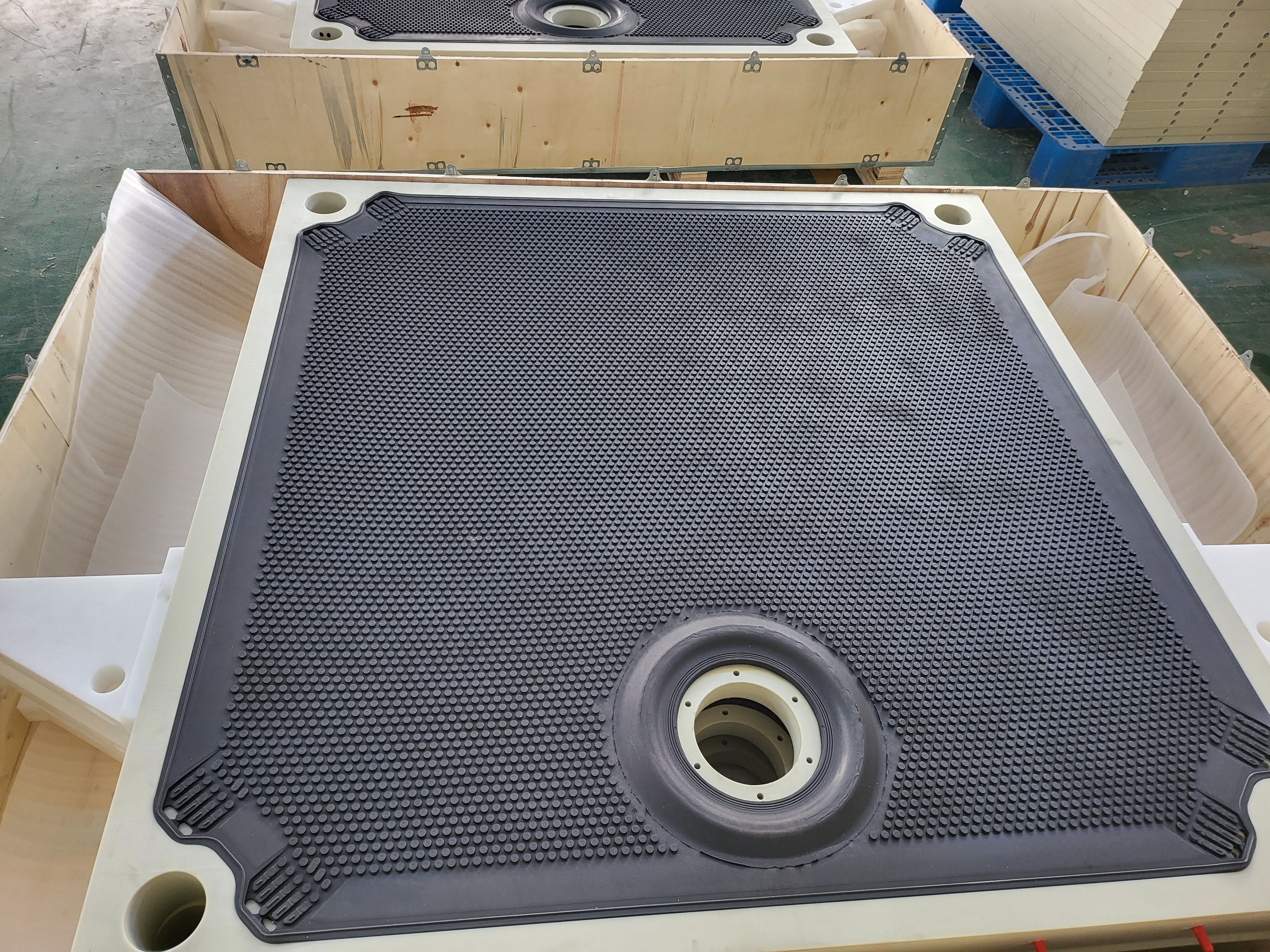
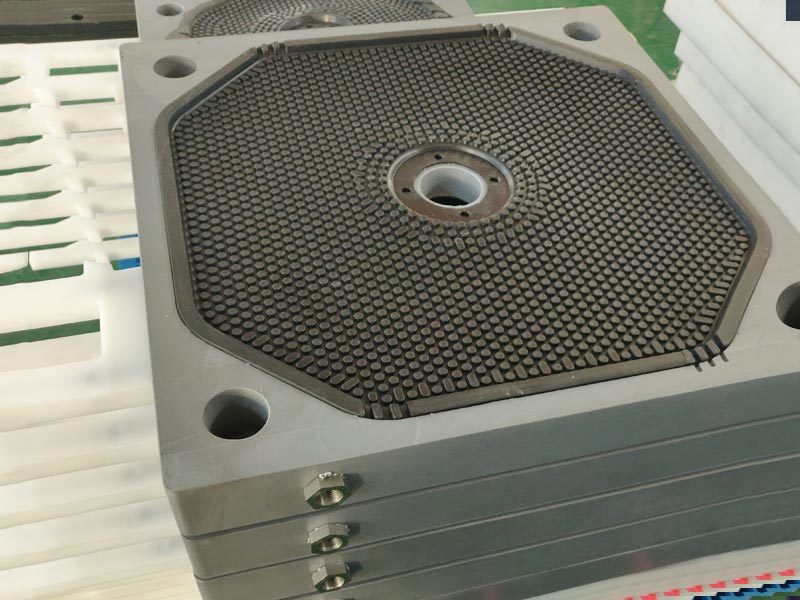
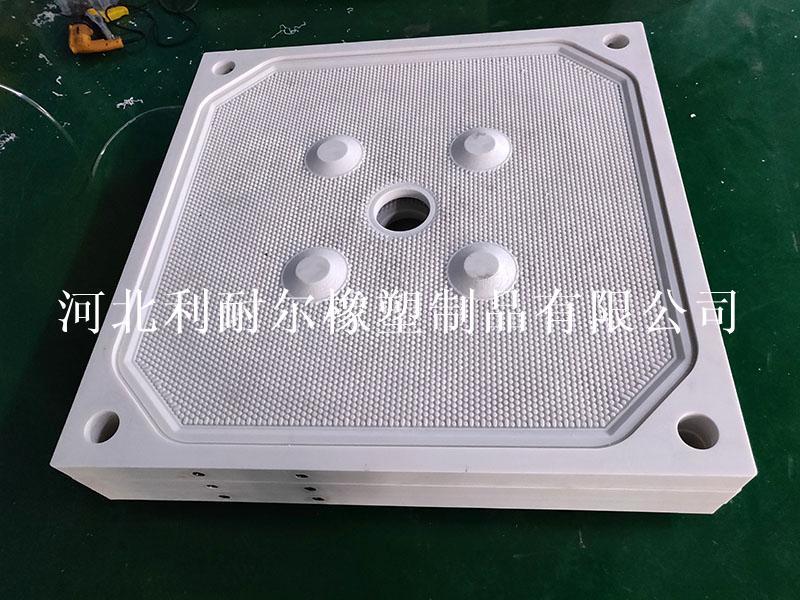
ProductMain products: vertical and horizontal imported and domestic filter plates, diaphragm plates, diaphragms and accessories; pinch valve sleeves and pinch valves and various mining accessories.
-
NewsIn 2013, our company's high-pressure cylinder with phenolic cloth support and guide ring obtained the national key new product certificate, project number: 2013GRA20011; its products in coal cylinders and engineering hydrauli
-
ServiceWe will actively cooperate with more enthusiasm, strengthen internal management, expand the market externally, improve various performance indicators of existing products, and truly achieve our win-win situation!
-
RecruitmentOur company always adheres to the talent concept of "people-oriented", provides a growth platform for talents, and realizes the common growth and development of enterprises and talents.


language
English
العربية
বাংলাদেশ
Български
Hrvatski
Česky
Dansk
Nederland
 Esperanto
Slovenski
Filipino
Suomi
Français
Maori
 Shqiptare
Georgian
 Euskara
Deutsch
Ελλάδα
ישראל
इंडिया
Magyarország
Ísland
Indonesia
Irlanda
Italia
日本語
Sovensko
Հայաստան
한국
Kyrgyz
ປະເທດລາວ
 Zulu
Zulu
Latvian
Lithuanian
Luxembourgish
 Latinus
Macedonian
Малайская
Maltese
Монгол улс
 Cymraeg
ဗမာ
 தமிழ்
தமிழ்
नेपाल
Norge
ایران
Polska
Portugal
România
Российская
Србија
 Slovak
Србија
 Slovak
Bosanski
Slovenian
Беларус
España
Sverige
Точик
ประเทศไทย
Türk
Azərbaycan
Uzbek
 Afrikaans
Việt Nam

Increase Efficiency and Durability of Automotive Cylinders with Reliable Seals
Release time:
2023-12-24
Table of Contents: 1. Introduction 2. Importance of Reliable Seals in Automotive Cylinders 3. Types of Seals for Automotive Cylinders 4. Factors to Consider When Selecting Seals for Automotive Cylinders 5. Benefits of Utilizing Reliable Seals in Automotive Cylinders 6. Frequently Asked Questions (FAQs) 7. Conclusion 1. Introduction In the fast-paced world of automotive engineering, efficiency and
Table of Contents:
1. Introduction
2. Importance of Reliable Seals in Automotive Cylinders
3. Types of Seals for Automotive Cylinders
4. Factors to Consider When Selecting Seals for Automotive Cylinders
5. Benefits of Utilizing Reliable Seals in Automotive Cylinders
6. Frequently Asked Questions (FAQs)
7. Conclusion
In the fast-paced world of automotive engineering, efficiency and durability are paramount. One crucial component that plays a vital role in achieving these goals is the seal used in automotive cylinders. A reliable seal not only ensures optimal performance but also contributes to improved fuel economy, reduced emissions, and enhanced overall efficiency. In this article, we will explore the significance of high-quality seals in automotive cylinders and how they can revolutionize the automotive industry.
Reliable seals are indispensable in automotive cylinders as they prevent leakage of fluids and gases, maintaining the integrity of the system. They act as a barrier, ensuring no contaminants enter or escape the cylinder, thereby safeguarding the engine's efficiency and durability. The choice of seals directly impacts the performance, safety, and longevity of automotive cylinders. Investing in high-quality seals guarantees a higher level of precision, reliability, and performance, giving automotive manufacturers a competitive edge in the market.
There are various types of seals available for automotive cylinders, each designed to cater to specific requirements and operating conditions. These include:
Piston rings are vital seals that ensure proper compression, preventing combustion gases from escaping into the crankcase. They also minimize oil consumption by preventing oil from entering the combustion chamber. Piston rings come in different materials such as cast iron, steel, and advanced materials like PVD-coated rings, offering improved wear resistance and reduced friction.
Valve stem seals play a critical role in controlling oil consumption, ensuring optimal lubrication of the valve stem. They also prevent oil from entering the combustion chamber and reduce emissions. Valve stem seals are commonly made of materials like rubber, silicone, or a combination of both, providing excellent sealing properties and durability.
Gaskets are essential seals used between different engine components, such as cylinder heads, exhaust manifolds, and intake manifolds. They create a reliable barrier against gas and fluid leaks, ensuring proper sealing and preventing contamination. Gaskets are typically made of materials like rubber, metal, or composite materials, depending on the application requirements.
When selecting seals for automotive cylinders, several crucial factors must be considered to ensure optimal performance and durability. These include:
Choosing seals made from materials compatible with the operating conditions, fluids, and temperatures is vital. The right material selection guarantees efficient sealing without compromising performance or longevity.
It is essential to evaluate the specific performance requirements of the automotive cylinder and select seals that can handle the desired operating conditions, including pressure, temperature, and speed.
Seals must be able to withstand prolonged use, exposure to harsh environments, and constant cycling without compromising their sealing capabilities. Opting for durable seals ensures long-term reliability and reduces maintenance costs.
Balancing performance and cost-effectiveness is crucial when selecting seals. It is essential to consider the overall value provided by the seals in terms of performance, longevity, and maintenance requirements.
The use of reliable seals in automotive cylinders offers numerous benefits that contribute to enhanced efficiency and durability. Some of the key advantages include:
High-quality seals minimize leakage and ensure efficient combustion, resulting in improved fuel economy. This leads to reduced fuel consumption, lower operating costs, and a more environmentally friendly vehicle.
Seals that effectively prevent leaks help reduce harmful emissions, contributing to a cleaner and greener environment. This is especially important in today's automotive landscape, where reducing carbon footprint is a global concern.
Reliable seals optimize engine performance by maintaining the required compression, reducing friction, and increasing power output. This translates into improved acceleration, smoother operation, and overall better vehicle performance.
Investing in high-quality seals extends the lifespan of automotive cylinders, reducing the need for frequent maintenance and replacements. This results in cost savings for vehicle owners and manufacturers.
No, not all seals are compatible with every automotive cylinder. It is crucial to consider the specific requirements, operating conditions, and materials when selecting seals for automotive cylinders.
The lifespan of seals in automotive cylinders depends on various factors such as operating conditions, maintenance practices, and the quality of the seals. Regular inspections and maintenance can help identify when seals need to be replaced.
Yes, reliable seals can significantly impact engine performance. They contribute to improved compression, reduced friction, and efficient combustion, resulting in enhanced overall engine performance.
Yes, investing in high-quality seals may have a higher upfront cost, but their durability and extended lifespan make them cost-effective in the long run. Reduced maintenance and replacement costs contribute to overall savings.
Reliable seals minimize leakage, leading to improved fuel economy and reduced emissions. By reducing fuel consumption and harmful pollutant release, they contribute to a more environmentally sustainable automotive industry.
In conclusion, reliable seals are indispensable for increasing the efficiency and durability of automotive cylinders. By preventing leakage, these seals ensure optimal performance, improved fuel economy, reduced emissions, and enhanced overall engine performance. Selecting the right seals based on material compatibility, performance requirements, durability, and cost-effectiveness is crucial for achieving these benefits. Investing in high-quality seals not only guarantees long-term reliability but also provides a competitive edge in the automotive industry. With reliable seals, automotive manufacturers can stay ahead, meet customer expectations, and contribute to a greener and more sustainable future.
1. Introduction
2. Importance of Reliable Seals in Automotive Cylinders
3. Types of Seals for Automotive Cylinders
4. Factors to Consider When Selecting Seals for Automotive Cylinders
5. Benefits of Utilizing Reliable Seals in Automotive Cylinders
6. Frequently Asked Questions (FAQs)
7. Conclusion
1. Introduction
In the fast-paced world of automotive engineering, efficiency and durability are paramount. One crucial component that plays a vital role in achieving these goals is the seal used in automotive cylinders. A reliable seal not only ensures optimal performance but also contributes to improved fuel economy, reduced emissions, and enhanced overall efficiency. In this article, we will explore the significance of high-quality seals in automotive cylinders and how they can revolutionize the automotive industry.
2. Importance of Reliable Seals in Automotive Cylinders
Reliable seals are indispensable in automotive cylinders as they prevent leakage of fluids and gases, maintaining the integrity of the system. They act as a barrier, ensuring no contaminants enter or escape the cylinder, thereby safeguarding the engine's efficiency and durability. The choice of seals directly impacts the performance, safety, and longevity of automotive cylinders. Investing in high-quality seals guarantees a higher level of precision, reliability, and performance, giving automotive manufacturers a competitive edge in the market.
3. Types of Seals for Automotive Cylinders
There are various types of seals available for automotive cylinders, each designed to cater to specific requirements and operating conditions. These include:
3.1 Piston Rings
Piston rings are vital seals that ensure proper compression, preventing combustion gases from escaping into the crankcase. They also minimize oil consumption by preventing oil from entering the combustion chamber. Piston rings come in different materials such as cast iron, steel, and advanced materials like PVD-coated rings, offering improved wear resistance and reduced friction.
3.2 Valve Stem Seals
Valve stem seals play a critical role in controlling oil consumption, ensuring optimal lubrication of the valve stem. They also prevent oil from entering the combustion chamber and reduce emissions. Valve stem seals are commonly made of materials like rubber, silicone, or a combination of both, providing excellent sealing properties and durability.
3.3 Gaskets
Gaskets are essential seals used between different engine components, such as cylinder heads, exhaust manifolds, and intake manifolds. They create a reliable barrier against gas and fluid leaks, ensuring proper sealing and preventing contamination. Gaskets are typically made of materials like rubber, metal, or composite materials, depending on the application requirements.
4. Factors to Consider When Selecting Seals for Automotive Cylinders
When selecting seals for automotive cylinders, several crucial factors must be considered to ensure optimal performance and durability. These include:
4.1 Material Compatibility
Choosing seals made from materials compatible with the operating conditions, fluids, and temperatures is vital. The right material selection guarantees efficient sealing without compromising performance or longevity.
4.2 Performance Requirements
It is essential to evaluate the specific performance requirements of the automotive cylinder and select seals that can handle the desired operating conditions, including pressure, temperature, and speed.
4.3 Durability and Longevity
Seals must be able to withstand prolonged use, exposure to harsh environments, and constant cycling without compromising their sealing capabilities. Opting for durable seals ensures long-term reliability and reduces maintenance costs.
4.4 Cost-effectiveness
Balancing performance and cost-effectiveness is crucial when selecting seals. It is essential to consider the overall value provided by the seals in terms of performance, longevity, and maintenance requirements.
5. Benefits of Utilizing Reliable Seals in Automotive Cylinders
The use of reliable seals in automotive cylinders offers numerous benefits that contribute to enhanced efficiency and durability. Some of the key advantages include:
5.1 Improved Fuel Economy
High-quality seals minimize leakage and ensure efficient combustion, resulting in improved fuel economy. This leads to reduced fuel consumption, lower operating costs, and a more environmentally friendly vehicle.
5.2 Reduced Emissions
Seals that effectively prevent leaks help reduce harmful emissions, contributing to a cleaner and greener environment. This is especially important in today's automotive landscape, where reducing carbon footprint is a global concern.
5.3 Enhanced Performance
Reliable seals optimize engine performance by maintaining the required compression, reducing friction, and increasing power output. This translates into improved acceleration, smoother operation, and overall better vehicle performance.
5.4 Extended Lifespan
Investing in high-quality seals extends the lifespan of automotive cylinders, reducing the need for frequent maintenance and replacements. This results in cost savings for vehicle owners and manufacturers.
6. Frequently Asked Questions (FAQs)
6.1 Are all seals compatible with any automotive cylinder?
No, not all seals are compatible with every automotive cylinder. It is crucial to consider the specific requirements, operating conditions, and materials when selecting seals for automotive cylinders.
6.2 How often should seals in automotive cylinders be replaced?
The lifespan of seals in automotive cylinders depends on various factors such as operating conditions, maintenance practices, and the quality of the seals. Regular inspections and maintenance can help identify when seals need to be replaced.
6.3 Can reliable seals improve overall engine performance?
Yes, reliable seals can significantly impact engine performance. They contribute to improved compression, reduced friction, and efficient combustion, resulting in enhanced overall engine performance.
6.4 Are reliable seals cost-effective in the long run?
Yes, investing in high-quality seals may have a higher upfront cost, but their durability and extended lifespan make them cost-effective in the long run. Reduced maintenance and replacement costs contribute to overall savings.
6.5 How do reliable seals contribute to environmental sustainability?
Reliable seals minimize leakage, leading to improved fuel economy and reduced emissions. By reducing fuel consumption and harmful pollutant release, they contribute to a more environmentally sustainable automotive industry.
7. Conclusion
In conclusion, reliable seals are indispensable for increasing the efficiency and durability of automotive cylinders. By preventing leakage, these seals ensure optimal performance, improved fuel economy, reduced emissions, and enhanced overall engine performance. Selecting the right seals based on material compatibility, performance requirements, durability, and cost-effectiveness is crucial for achieving these benefits. Investing in high-quality seals not only guarantees long-term reliability but also provides a competitive edge in the automotive industry. With reliable seals, automotive manufacturers can stay ahead, meet customer expectations, and contribute to a greener and more sustainable future.
Related News