
-
AboutHebei Linaier Rubber Products Co., Ltd. is located in Duqiao Industrial Zone, Jingxian City, Hebei Province, adjacent to Dezhou, Shandong. Founded in early 2001 with a registered capital of 35 million yuan, it is a scientific

-
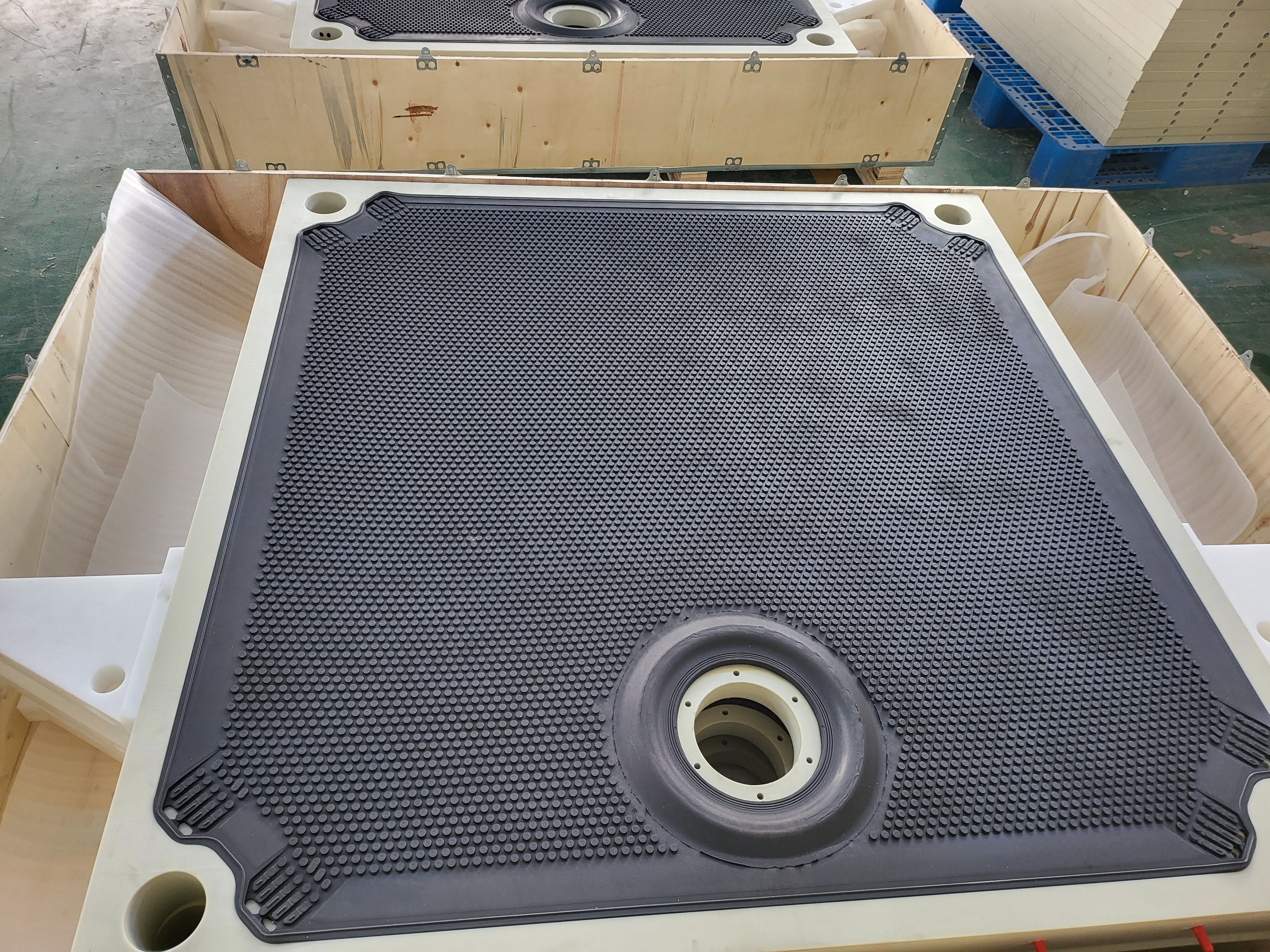
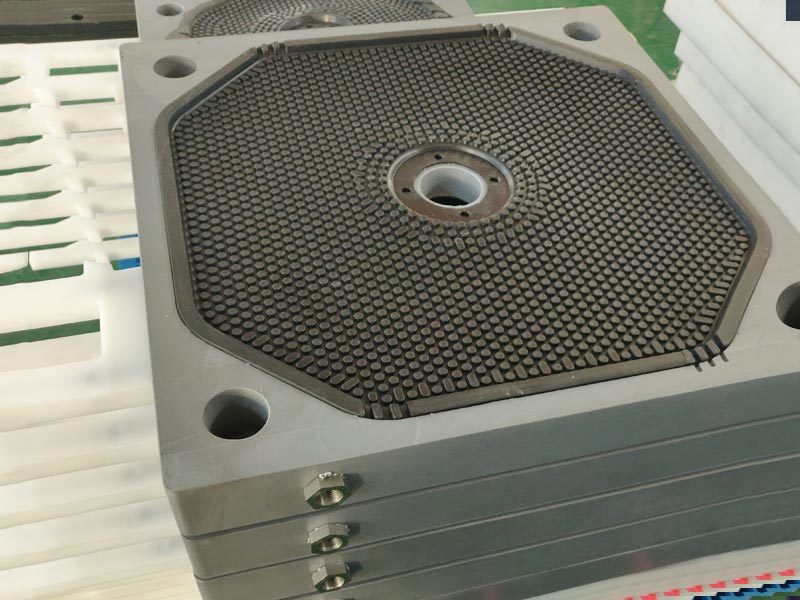
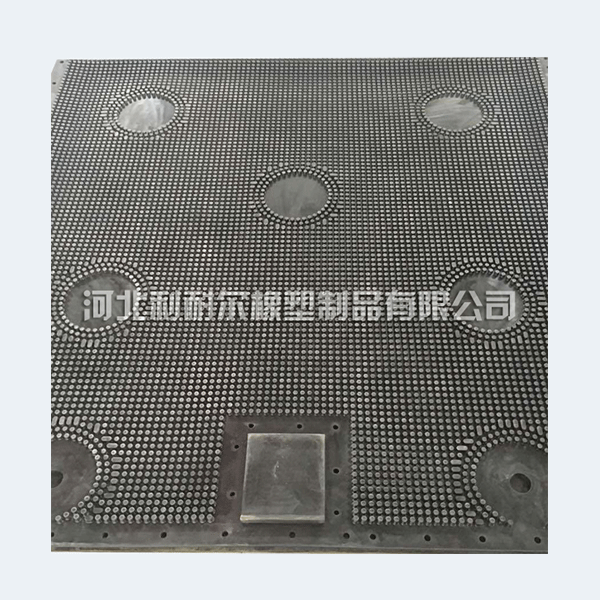
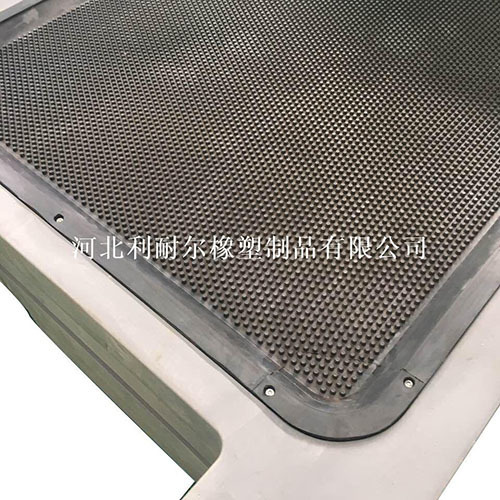
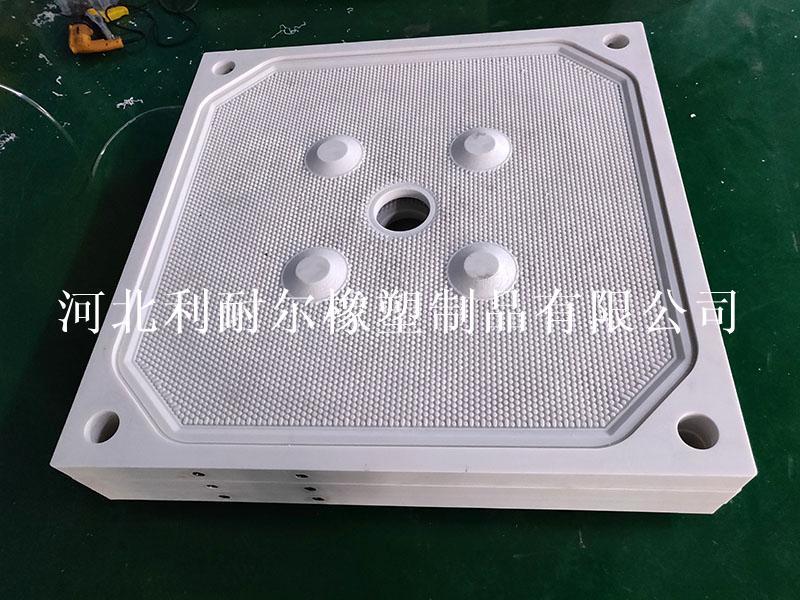
ProductMain products: vertical and horizontal imported and domestic filter plates, diaphragm plates, diaphragms and accessories; pinch valve sleeves and pinch valves and various mining accessories.
-
NewsIn 2013, our company's high-pressure cylinder with phenolic cloth support and guide ring obtained the national key new product certificate, project number: 2013GRA20011; its products in coal cylinders and engineering hydrauli
-
ServiceWe will actively cooperate with more enthusiasm, strengthen internal management, expand the market externally, improve various performance indicators of existing products, and truly achieve our win-win situation!
-
RecruitmentOur company always adheres to the talent concept of "people-oriented", provides a growth platform for talents, and realizes the common growth and development of enterprises and talents.


language
English
العربية
বাংলাদেশ
Български
Hrvatski
Česky
Dansk
Nederland
 Esperanto
Slovenski
Filipino
Suomi
Français
Maori
 Shqiptare
Georgian
 Euskara
Deutsch
Ελλάδα
ישראל
इंडिया
Magyarország
Ísland
Indonesia
Irlanda
Italia
日本語
Sovensko
Հայաստան
한국
Kyrgyz
ປະເທດລາວ
 Zulu
Zulu
Latvian
Lithuanian
Luxembourgish
 Latinus
Macedonian
Малайская
Maltese
Монгол улс
 Cymraeg
ဗမာ
 தமிழ்
தமிழ்
नेपाल
Norge
ایران
Polska
Portugal
România
Российская
Србија
 Slovak
Србија
 Slovak
Bosanski
Slovenian
Беларус
España
Sverige
Точик
ประเทศไทย
Türk
Azərbaycan
Uzbek
 Afrikaans
Việt Nam

Release time:
2023-12-21
Table of Contents: 1. Introduction: Understanding the Significance of Pneumatic Pinch Valves 2. How Do Pneumatic Pinch Valves Work? 3. Advantages of Pneumatic Pinch Valves in Industrial Filtration Systems 4. Applications of Pneumatic Pinch Valves 5. Considerations for Choosing the Right Pneumatic Pinch Valve 6. FAQs about Pneumatic Pinch Valves 7. Conclusion 1. Introduction: Understanding the Sign
Table of Contents:
1. Introduction: Understanding the Significance of Pneumatic Pinch Valves
2. How Do Pneumatic Pinch Valves Work?
3. Advantages of Pneumatic Pinch Valves in Industrial Filtration Systems
4. Applications of Pneumatic Pinch Valves
5. Considerations for Choosing the Right Pneumatic Pinch Valve
6. FAQs about Pneumatic Pinch Valves
7. Conclusion
When it comes to industrial filtration components, efficiency and reliability are crucial factors. Pneumatic pinch valves have emerged as key players in optimizing filtration systems, offering a range of benefits that contribute to enhanced performance. In this article, we will delve into the functionalities, advantages, applications, and considerations for choosing pneumatic pinch valves in industrial filtration components.
Pneumatic pinch valves operate using compressed air or gas to control the flow of fluids or particles in a filtration system. These valves consist of a flexible tube that can be squeezed or pinched shut, effectively blocking the flow. The pinch valve is equipped with a pneumatic actuator that controls the opening and closing of the tube, allowing precise regulation of the fluid or particle flow. This mechanism ensures efficient filtration processes and minimizes the risk of leakage or contamination.
Pneumatic pinch valves offer numerous advantages when integrated into industrial filtration components. Some key benefits include:
By utilizing pneumatic pinch valves, filtration systems gain precise control and regulation over fluid or particle flow. These valves allow for quick and accurate adjustments, ensuring optimal filtration efficiency and performance.
Pneumatic pinch valves are highly versatile and can accommodate various types of filtration media, including liquids, gases, and granular materials. Their adaptability makes them suitable for a wide range of industrial applications, from water treatment plants to pharmaceutical manufacturing.
Compared to other valve types, pneumatic pinch valves offer a cost-effective solution for industrial filtration components. Their simple design and minimal maintenance requirements contribute to long-term cost savings without compromising performance or reliability.
Pneumatic pinch valves provide excellent sealing capabilities, minimizing the risk of leakage and contamination in filtration systems. With a tight seal, these valves prevent unwanted particles or substances from entering or exiting the filtration process, ensuring the integrity of the final product.
Pneumatic pinch valves find extensive application in various industrial filtration components. Some common areas where these valves are used include:
Pneumatic pinch valves are utilized in water treatment systems to control the flow of water during filtration processes. Their ability to handle different filtration media and provide accurate regulation makes them an ideal choice for this critical application.
In pharmaceutical manufacturing, maintaining a sterile environment is paramount. Pneumatic pinch valves offer exceptional sealing properties, ensuring that contaminants are kept out of the production process, thus safeguarding product integrity.
Chemical processing often involves the separation of solids and liquids. Pneumatic pinch valves assist in regulating flow rates, preventing excessive buildup or blockages in filtration systems, and ensuring smooth operation.
When selecting a pneumatic pinch valve for industrial filtration components, several factors must be taken into account:
Ensure that the selected pneumatic pinch valve can handle the operating pressure of the filtration system to maintain optimal performance and avoid any potential damage.
Consider the temperature range within the filtration process and choose a pneumatic pinch valve that can withstand the required temperatures without compromising functionality.
Different filtration media may have varying chemical properties. Select a pneumatic pinch valve constructed from materials that are compatible with the filtration media to prevent corrosion or degradation.
Determine the required valve size and flow rate based on the specific filtration system's needs. Choosing the correct size and flow capacity ensures efficient filtration and prevents any potential bottlenecks.
Yes, pneumatic pinch valves are suitable for handling abrasive filtration media. Their design allows for easy replacement of the flexible tube, ensuring longevity even in demanding applications.
Maintenance frequency depends on various factors such as the operating conditions and the nature of the filtration media. Regular inspection and cleaning are recommended to maintain optimal performance.
Yes, pneumatic pinch valves can be easily automated by integrating them with control systems, allowing for remote operation and monitoring.
Pneumatic pinch valves can be customized to handle high-pressure filtration systems by using robust materials and sturdy construction.
No, pneumatic pinch valves do not require lubrication, making them a low-maintenance solution for industrial filtration components.
In conclusion, pneumatic pinch valves play a significant role in enhancing efficiency and reliability in industrial filtration components. Their precise control, versatility, cost-effectiveness, and contamination prevention capabilities make them an ideal choice for various applications. When selecting a pneumatic pinch valve, it is crucial to consider operating pressure, temperature compatibility, material compatibility, and size requirements to ensure optimal performance. By understanding the functionalities and advantages of these valves, industries can optimize their filtration systems and achieve superior results.
1. Introduction: Understanding the Significance of Pneumatic Pinch Valves
2. How Do Pneumatic Pinch Valves Work?
3. Advantages of Pneumatic Pinch Valves in Industrial Filtration Systems
4. Applications of Pneumatic Pinch Valves
5. Considerations for Choosing the Right Pneumatic Pinch Valve
6. FAQs about Pneumatic Pinch Valves
7. Conclusion
1. Introduction: Understanding the Significance of Pneumatic Pinch Valves
When it comes to industrial filtration components, efficiency and reliability are crucial factors. Pneumatic pinch valves have emerged as key players in optimizing filtration systems, offering a range of benefits that contribute to enhanced performance. In this article, we will delve into the functionalities, advantages, applications, and considerations for choosing pneumatic pinch valves in industrial filtration components.
2. How Do Pneumatic Pinch Valves Work?
Pneumatic pinch valves operate using compressed air or gas to control the flow of fluids or particles in a filtration system. These valves consist of a flexible tube that can be squeezed or pinched shut, effectively blocking the flow. The pinch valve is equipped with a pneumatic actuator that controls the opening and closing of the tube, allowing precise regulation of the fluid or particle flow. This mechanism ensures efficient filtration processes and minimizes the risk of leakage or contamination.
3. Advantages of Pneumatic Pinch Valves in Industrial Filtration Systems
Pneumatic pinch valves offer numerous advantages when integrated into industrial filtration components. Some key benefits include:
Enhanced Control and Regulation
By utilizing pneumatic pinch valves, filtration systems gain precise control and regulation over fluid or particle flow. These valves allow for quick and accurate adjustments, ensuring optimal filtration efficiency and performance.
Versatility and Adaptability
Pneumatic pinch valves are highly versatile and can accommodate various types of filtration media, including liquids, gases, and granular materials. Their adaptability makes them suitable for a wide range of industrial applications, from water treatment plants to pharmaceutical manufacturing.
Cost-Effectiveness
Compared to other valve types, pneumatic pinch valves offer a cost-effective solution for industrial filtration components. Their simple design and minimal maintenance requirements contribute to long-term cost savings without compromising performance or reliability.
Elimination of Contamination Risks
Pneumatic pinch valves provide excellent sealing capabilities, minimizing the risk of leakage and contamination in filtration systems. With a tight seal, these valves prevent unwanted particles or substances from entering or exiting the filtration process, ensuring the integrity of the final product.
4. Applications of Pneumatic Pinch Valves
Pneumatic pinch valves find extensive application in various industrial filtration components. Some common areas where these valves are used include:
1. Water Treatment Systems
Pneumatic pinch valves are utilized in water treatment systems to control the flow of water during filtration processes. Their ability to handle different filtration media and provide accurate regulation makes them an ideal choice for this critical application.
2. Pharmaceutical Manufacturing
In pharmaceutical manufacturing, maintaining a sterile environment is paramount. Pneumatic pinch valves offer exceptional sealing properties, ensuring that contaminants are kept out of the production process, thus safeguarding product integrity.
3. Chemical Processing
Chemical processing often involves the separation of solids and liquids. Pneumatic pinch valves assist in regulating flow rates, preventing excessive buildup or blockages in filtration systems, and ensuring smooth operation.
5. Considerations for Choosing the Right Pneumatic Pinch Valve
When selecting a pneumatic pinch valve for industrial filtration components, several factors must be taken into account:
1. Operating Pressure
Ensure that the selected pneumatic pinch valve can handle the operating pressure of the filtration system to maintain optimal performance and avoid any potential damage.
2. Temperature Compatibility
Consider the temperature range within the filtration process and choose a pneumatic pinch valve that can withstand the required temperatures without compromising functionality.
3. Material Compatibility
Different filtration media may have varying chemical properties. Select a pneumatic pinch valve constructed from materials that are compatible with the filtration media to prevent corrosion or degradation.
4. Size and Flow Requirements
Determine the required valve size and flow rate based on the specific filtration system's needs. Choosing the correct size and flow capacity ensures efficient filtration and prevents any potential bottlenecks.
6. FAQs about Pneumatic Pinch Valves
Q1: Can pneumatic pinch valves be used for abrasive filtration media?
Yes, pneumatic pinch valves are suitable for handling abrasive filtration media. Their design allows for easy replacement of the flexible tube, ensuring longevity even in demanding applications.
Q2: How often should pneumatic pinch valves be maintained?
Maintenance frequency depends on various factors such as the operating conditions and the nature of the filtration media. Regular inspection and cleaning are recommended to maintain optimal performance.
Q3: Can pneumatic pinch valves be automated?
Yes, pneumatic pinch valves can be easily automated by integrating them with control systems, allowing for remote operation and monitoring.
Q4: Are pneumatic pinch valves suitable for high-pressure filtration systems?
Pneumatic pinch valves can be customized to handle high-pressure filtration systems by using robust materials and sturdy construction.
Q5: Do pneumatic pinch valves require lubrication?
No, pneumatic pinch valves do not require lubrication, making them a low-maintenance solution for industrial filtration components.
7. Conclusion
In conclusion, pneumatic pinch valves play a significant role in enhancing efficiency and reliability in industrial filtration components. Their precise control, versatility, cost-effectiveness, and contamination prevention capabilities make them an ideal choice for various applications. When selecting a pneumatic pinch valve, it is crucial to consider operating pressure, temperature compatibility, material compatibility, and size requirements to ensure optimal performance. By understanding the functionalities and advantages of these valves, industries can optimize their filtration systems and achieve superior results.
Related News