
-
AboutHebei Linaier Rubber Products Co., Ltd. is located in Duqiao Industrial Zone, Jingxian City, Hebei Province, adjacent to Dezhou, Shandong. Founded in early 2001 with a registered capital of 35 million yuan, it is a scientific

-
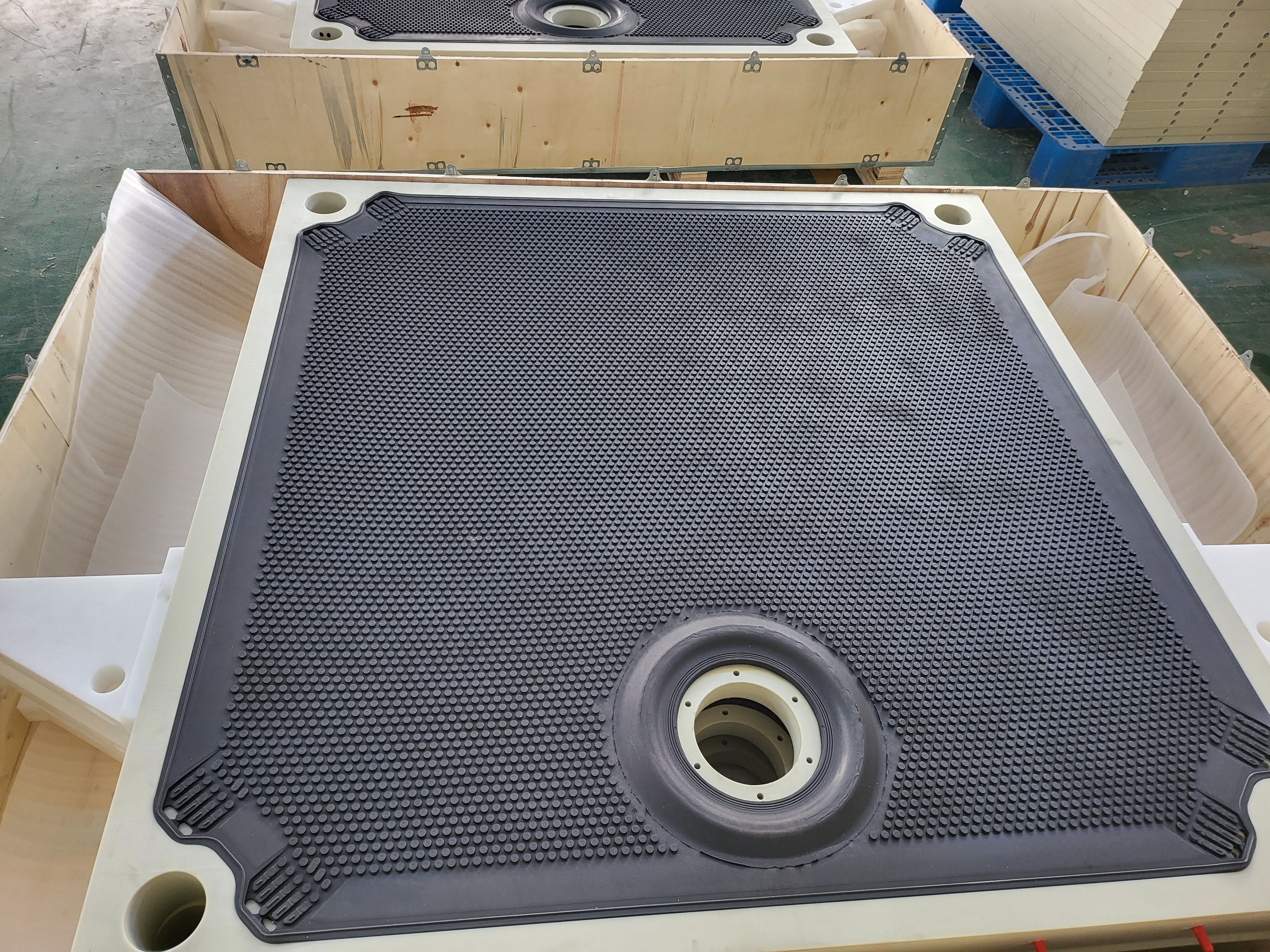
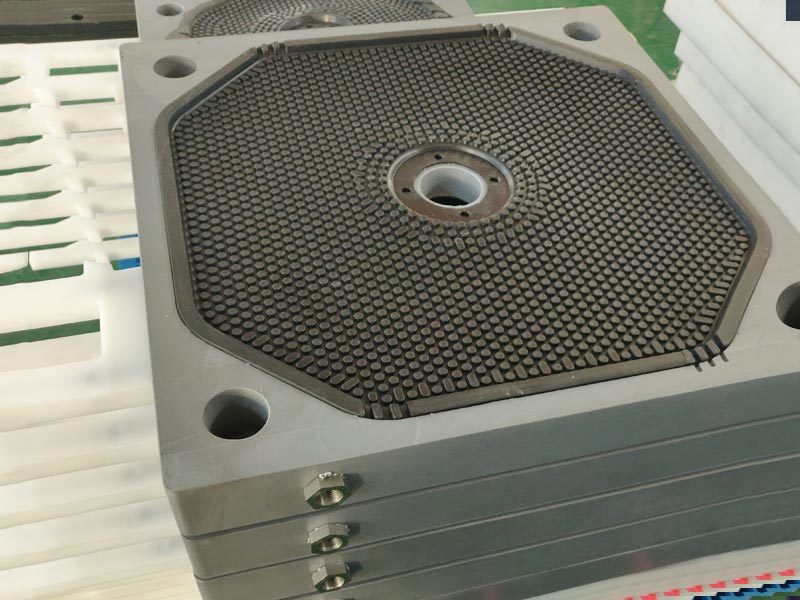
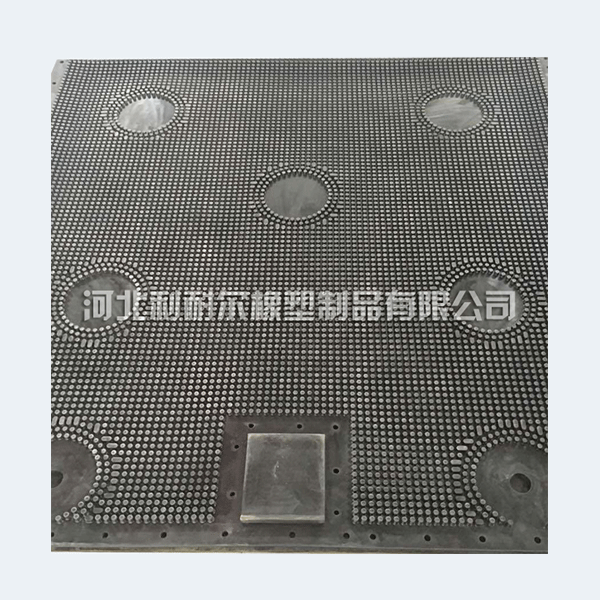
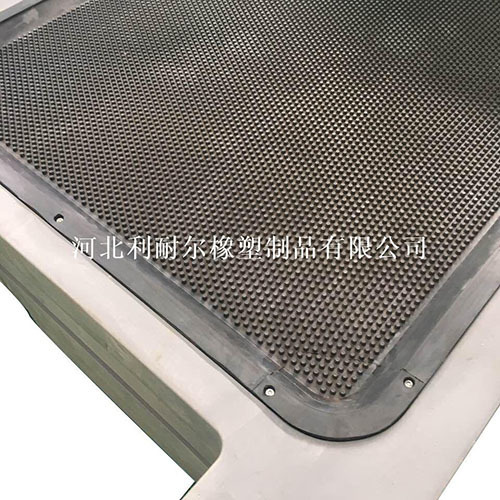
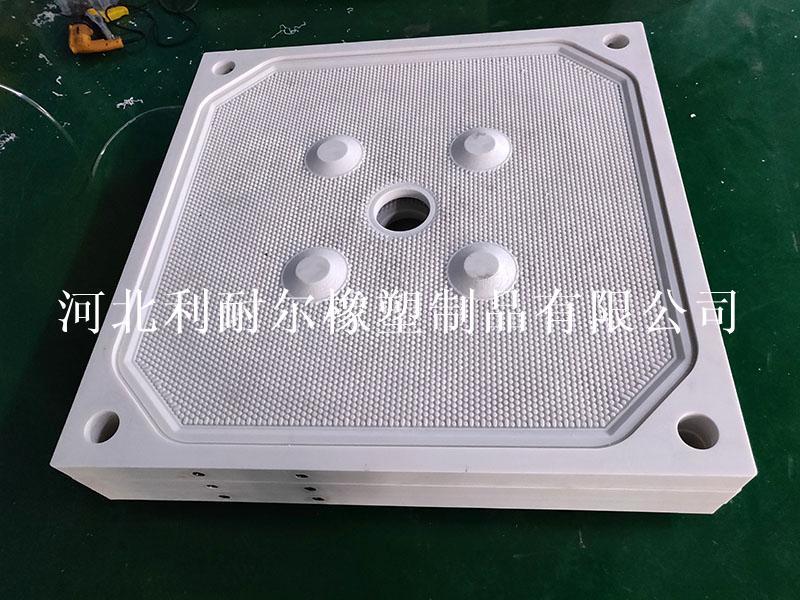
ProductMain products: vertical and horizontal imported and domestic filter plates, diaphragm plates, diaphragms and accessories; pinch valve sleeves and pinch valves and various mining accessories.
-
NewsIn 2013, our company's high-pressure cylinder with phenolic cloth support and guide ring obtained the national key new product certificate, project number: 2013GRA20011; its products in coal cylinders and engineering hydrauli
-
ServiceWe will actively cooperate with more enthusiasm, strengthen internal management, expand the market externally, improve various performance indicators of existing products, and truly achieve our win-win situation!
-
RecruitmentOur company always adheres to the talent concept of "people-oriented", provides a growth platform for talents, and realizes the common growth and development of enterprises and talents.


language
English
العربية
বাংলাদেশ
Български
Hrvatski
Česky
Dansk
Nederland
 Esperanto
Slovenski
Filipino
Suomi
Français
Maori
 Shqiptare
Georgian
 Euskara
Deutsch
Ελλάδα
ישראל
इंडिया
Magyarország
Ísland
Indonesia
Irlanda
Italia
日本語
Sovensko
Հայաստան
한국
Kyrgyz
ປະເທດລາວ
 Zulu
Zulu
Latvian
Lithuanian
Luxembourgish
 Latinus
Macedonian
Малайская
Maltese
Монгол улс
 Cymraeg
ဗမာ
 தமிழ்
தமிழ்
नेपाल
Norge
ایران
Polska
Portugal
România
Российская
Србија
 Slovak
Србија
 Slovak
Bosanski
Slovenian
Беларус
España
Sverige
Точик
ประเทศไทย
Türk
Azərbaycan
Uzbek
 Afrikaans
Việt Nam

The Importance of Filtrate Collectors in Industrial Equipment
Release time:
2023-12-19
Table of Contents: 1. Introduction 2. Understanding Filtrate Collectors 3. Benefits of Filtrate Collectors 4. Applications of Filtrate Collectors 5. Key Components of Filtrate Collectors 6. Maintenance and Cleaning of Filtrate Collectors 7. Frequently Asked Questions (FAQs) 8. Conclusion 1. Introduction Filtration is a critical process in many industrial applications, ensuring the removal of impur
Table of Contents:
1. Introduction
2. Understanding Filtrate Collectors
3. Benefits of Filtrate Collectors
4. Applications of Filtrate Collectors
5. Key Components of Filtrate Collectors
6. Maintenance and Cleaning of Filtrate Collectors
7. Frequently Asked Questions (FAQs)
8. Conclusion
Filtration is a critical process in many industrial applications, ensuring the removal of impurities and contaminants from various substances. To enhance the efficiency and performance of filtration systems, industrial equipment often incorporates filtrate collectors. These collectors play a crucial role in capturing and collecting the filtrate, allowing for the proper disposal or further utilization of the filtered material. In this article, we will explore the significance of filtrate collectors in industrial equipment and their impact on filtration processes.
Filtrate collectors are devices or systems designed to collect and separate the filtrate from the filtered material. They are essential components of industrial equipment and play a key role in ensuring the effectiveness of the filtration process. Filtrate collectors are typically installed at the outlet of the filtration system, where they capture the filtrate and direct it to the appropriate collection point.
Filtrate collectors operate based on the principle of gravity or pressure differentials. In gravity-based systems, the filtrate flows downward due to gravity, allowing it to be collected in a separate chamber or container. Pressure-based systems, on the other hand, utilize pressure differentials to direct the filtrate towards the collector. The specific mechanism employed by a filtrate collector depends on the type of industrial equipment and the nature of the filtration process.
Filtrate collectors offer numerous benefits for industrial equipment and filtration systems. These benefits include:
By effectively collecting and separating the filtrate, filtrate collectors improve the overall efficiency of filtration systems. They prevent the filtrate from mixing with the filtered material, ensuring that the desired separation is achieved. This leads to higher-quality filtrate and reduces the risk of contamination or recontamination.
Efficient filtration processes result in cost savings for industries. Filtrate collectors contribute to these savings by minimizing material loss and reducing downtime for cleaning or maintenance. By capturing and collecting the filtrate, industries can utilize it for further processes or dispose of it in a controlled manner, minimizing waste and maximizing resource utilization.
Proper management and collection of filtrate have a positive environmental impact. Filtrate collectors prevent the release of filtrate into the surrounding environment, reducing the risk of pollution and preserving natural resources. Additionally, industries can implement filtration systems that comply with environmental regulations more effectively with the use of filtrate collectors.
Filtrate collectors find applications in a wide range of industries and processes. Some common applications include:
In water treatment processes, filtrate collectors play a crucial role in separating impurities and contaminants from the water. They ensure that the treated water is free from particles, sediment, and other undesirable substances. Filtrate collectors are commonly used in municipal water treatment facilities, industrial water purification systems, and wastewater treatment plants.
The oil and gas industry heavily relies on filtration systems to remove impurities from crude oil, natural gas, and other fluids. Filtrate collectors help capture the filtrate, which may contain valuable substances or contaminants that require further processing or disposal. They are integral to the efficient operation of oil refineries, gas processing plants, and offshore drilling operations.
In the pharmaceutical and biotechnology sectors, stringent filtration processes are essential to ensure the purity and safety of products. Filtrate collectors assist in capturing and collecting filtrate generated during the filtration of pharmaceutical ingredients, sterile solutions, and biotech products. This helps maintain the integrity of the final products and ensures compliance with regulatory standards.
Filtrate collectors consist of several key components that enable their proper functioning. These components include:
The filtrate collection chamber is the main component of a filtrate collector. It is designed to collect and store the filtrate separate from the filtered material. The chamber may have additional features such as baffles or screens to optimize the separation process and prevent clogging.
The drainage system facilitates the flow of filtrate from the filtration system to the filtrate collector. It may be gravity-based or rely on pumps or valves to direct the filtrate. The drainage system ensures a continuous and controlled flow of filtrate for effective collection.
Filtrate collectors often include mechanisms for the disposal or utilization of the collected filtrate. This can involve further treatment or processing of the filtrate for reuse or safe disposal. The specific method depends on the nature of the filtrate and the industry requirements.
To ensure optimal performance and longevity, proper maintenance and cleaning of filtrate collectors are essential. Regular inspections, cleaning, and replacement of worn-out components are necessary to prevent clogging, leakage, or contamination. Maintenance schedules should be established and followed diligently to avoid any disruptions in the filtration process.
1. What is the purpose of a filtrate collector?
2. Are filtrate collectors necessary for all types of industrial equipment?
3. How do filtrate collectors contribute to cost savings?
4. Can filtrate collectors be customized for specific filtration processes?
5. What are the environmental benefits of using filtrate collectors?
Filtrate collectors play a vital role in the efficient operation of industrial equipment and filtration systems. They enhance filtration efficiency, contribute to cost savings, and have a positive environmental impact. By understanding the importance of filtrate collectors and their applications, industries can optimize their filtration processes and achieve better outcomes. Investing in high-quality filtrate collectors and implementing proper maintenance practices ensures the long-term effectiveness and reliability of filtration systems in various industries.
1. Introduction
2. Understanding Filtrate Collectors
3. Benefits of Filtrate Collectors
4. Applications of Filtrate Collectors
5. Key Components of Filtrate Collectors
6. Maintenance and Cleaning of Filtrate Collectors
7. Frequently Asked Questions (FAQs)
8. Conclusion
1. Introduction
Filtration is a critical process in many industrial applications, ensuring the removal of impurities and contaminants from various substances. To enhance the efficiency and performance of filtration systems, industrial equipment often incorporates filtrate collectors. These collectors play a crucial role in capturing and collecting the filtrate, allowing for the proper disposal or further utilization of the filtered material. In this article, we will explore the significance of filtrate collectors in industrial equipment and their impact on filtration processes.
2. Understanding Filtrate Collectors
Filtrate collectors are devices or systems designed to collect and separate the filtrate from the filtered material. They are essential components of industrial equipment and play a key role in ensuring the effectiveness of the filtration process. Filtrate collectors are typically installed at the outlet of the filtration system, where they capture the filtrate and direct it to the appropriate collection point.
2.1 How Filtrate Collectors Work
Filtrate collectors operate based on the principle of gravity or pressure differentials. In gravity-based systems, the filtrate flows downward due to gravity, allowing it to be collected in a separate chamber or container. Pressure-based systems, on the other hand, utilize pressure differentials to direct the filtrate towards the collector. The specific mechanism employed by a filtrate collector depends on the type of industrial equipment and the nature of the filtration process.
3. Benefits of Filtrate Collectors
Filtrate collectors offer numerous benefits for industrial equipment and filtration systems. These benefits include:
3.1 Enhanced Efficiency
By effectively collecting and separating the filtrate, filtrate collectors improve the overall efficiency of filtration systems. They prevent the filtrate from mixing with the filtered material, ensuring that the desired separation is achieved. This leads to higher-quality filtrate and reduces the risk of contamination or recontamination.
3.2 Cost Savings
Efficient filtration processes result in cost savings for industries. Filtrate collectors contribute to these savings by minimizing material loss and reducing downtime for cleaning or maintenance. By capturing and collecting the filtrate, industries can utilize it for further processes or dispose of it in a controlled manner, minimizing waste and maximizing resource utilization.
3.3 Environmental Impact
Proper management and collection of filtrate have a positive environmental impact. Filtrate collectors prevent the release of filtrate into the surrounding environment, reducing the risk of pollution and preserving natural resources. Additionally, industries can implement filtration systems that comply with environmental regulations more effectively with the use of filtrate collectors.
4. Applications of Filtrate Collectors
Filtrate collectors find applications in a wide range of industries and processes. Some common applications include:
4.1 Water Treatment
In water treatment processes, filtrate collectors play a crucial role in separating impurities and contaminants from the water. They ensure that the treated water is free from particles, sediment, and other undesirable substances. Filtrate collectors are commonly used in municipal water treatment facilities, industrial water purification systems, and wastewater treatment plants.
4.2 Oil and Gas
The oil and gas industry heavily relies on filtration systems to remove impurities from crude oil, natural gas, and other fluids. Filtrate collectors help capture the filtrate, which may contain valuable substances or contaminants that require further processing or disposal. They are integral to the efficient operation of oil refineries, gas processing plants, and offshore drilling operations.
4.3 Pharmaceutical and Biotechnology
In the pharmaceutical and biotechnology sectors, stringent filtration processes are essential to ensure the purity and safety of products. Filtrate collectors assist in capturing and collecting filtrate generated during the filtration of pharmaceutical ingredients, sterile solutions, and biotech products. This helps maintain the integrity of the final products and ensures compliance with regulatory standards.
5. Key Components of Filtrate Collectors
Filtrate collectors consist of several key components that enable their proper functioning. These components include:
5.1 Filtrate Collection Chamber
The filtrate collection chamber is the main component of a filtrate collector. It is designed to collect and store the filtrate separate from the filtered material. The chamber may have additional features such as baffles or screens to optimize the separation process and prevent clogging.
5.2 Drainage System
The drainage system facilitates the flow of filtrate from the filtration system to the filtrate collector. It may be gravity-based or rely on pumps or valves to direct the filtrate. The drainage system ensures a continuous and controlled flow of filtrate for effective collection.
5.3 Filtrate Disposal or Utilization
Filtrate collectors often include mechanisms for the disposal or utilization of the collected filtrate. This can involve further treatment or processing of the filtrate for reuse or safe disposal. The specific method depends on the nature of the filtrate and the industry requirements.
6. Maintenance and Cleaning of Filtrate Collectors
To ensure optimal performance and longevity, proper maintenance and cleaning of filtrate collectors are essential. Regular inspections, cleaning, and replacement of worn-out components are necessary to prevent clogging, leakage, or contamination. Maintenance schedules should be established and followed diligently to avoid any disruptions in the filtration process.
7. Frequently Asked Questions (FAQs)
1. What is the purpose of a filtrate collector?
2. Are filtrate collectors necessary for all types of industrial equipment?
3. How do filtrate collectors contribute to cost savings?
4. Can filtrate collectors be customized for specific filtration processes?
5. What are the environmental benefits of using filtrate collectors?
8. Conclusion
Filtrate collectors play a vital role in the efficient operation of industrial equipment and filtration systems. They enhance filtration efficiency, contribute to cost savings, and have a positive environmental impact. By understanding the importance of filtrate collectors and their applications, industries can optimize their filtration processes and achieve better outcomes. Investing in high-quality filtrate collectors and implementing proper maintenance practices ensures the long-term effectiveness and reliability of filtration systems in various industries.
Related News