
-
AboutHebei Linaier Rubber Products Co., Ltd. is located in Duqiao Industrial Zone, Jingxian City, Hebei Province, adjacent to Dezhou, Shandong. Founded in early 2001 with a registered capital of 35 million yuan, it is a scientific

-
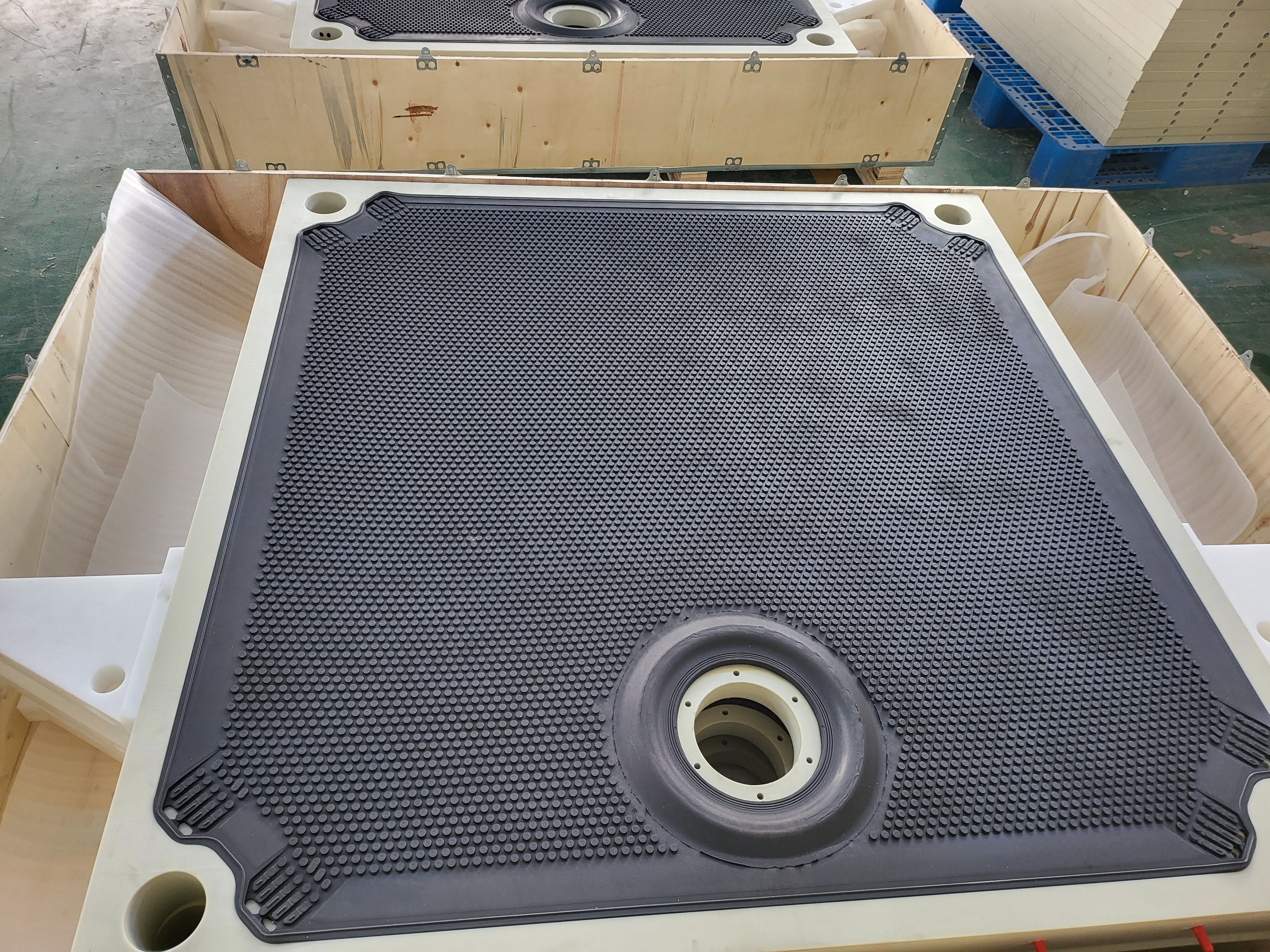
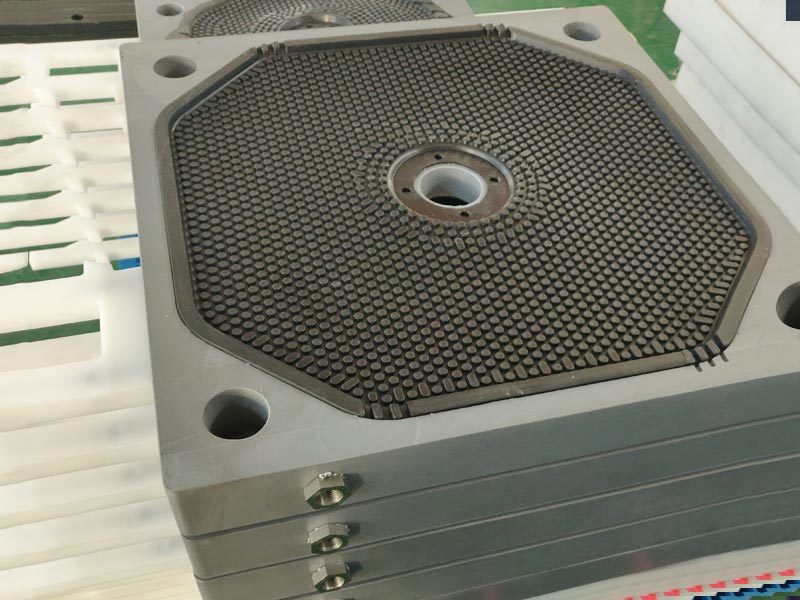
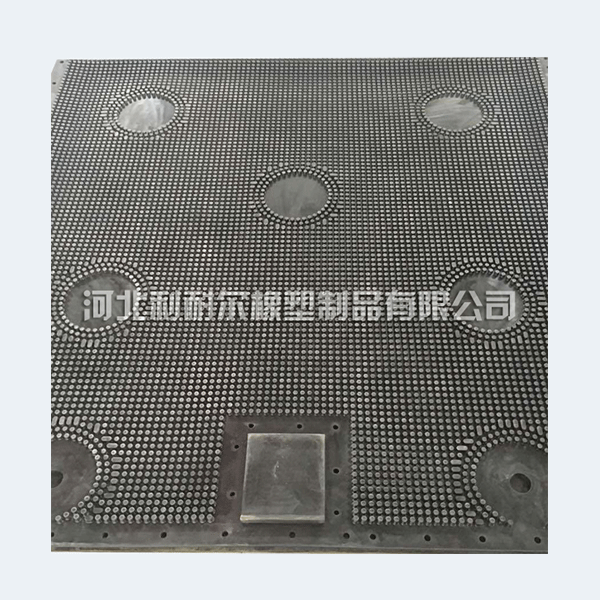
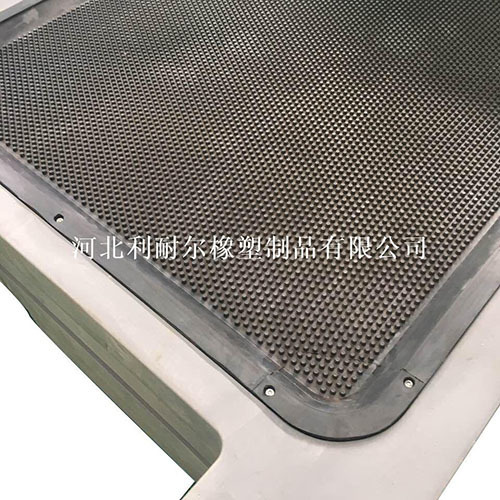
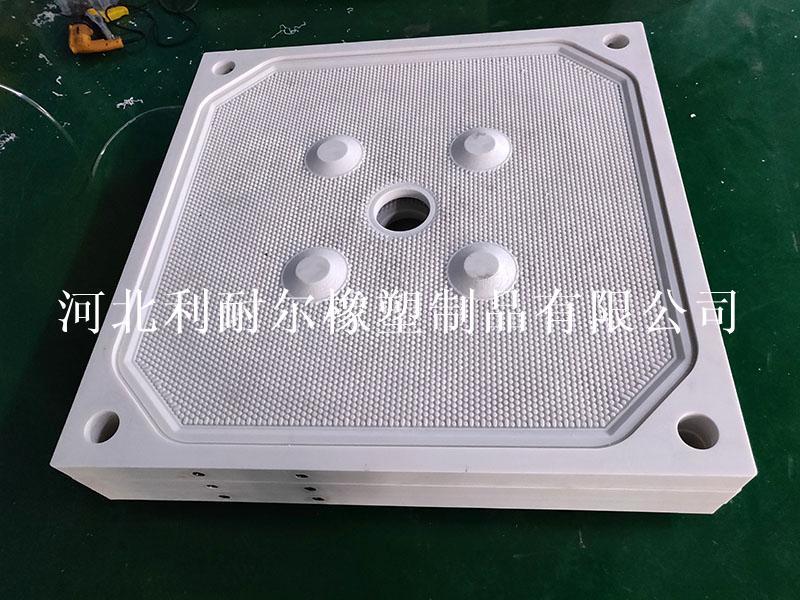
ProductMain products: vertical and horizontal imported and domestic filter plates, diaphragm plates, diaphragms and accessories; pinch valve sleeves and pinch valves and various mining accessories.
-
NewsIn 2013, our company's high-pressure cylinder with phenolic cloth support and guide ring obtained the national key new product certificate, project number: 2013GRA20011; its products in coal cylinders and engineering hydrauli
-
ServiceWe will actively cooperate with more enthusiasm, strengthen internal management, expand the market externally, improve various performance indicators of existing products, and truly achieve our win-win situation!
-
RecruitmentOur company always adheres to the talent concept of "people-oriented", provides a growth platform for talents, and realizes the common growth and development of enterprises and talents.


language
English
العربية
বাংলাদেশ
Български
Hrvatski
Česky
Dansk
Nederland
 Esperanto
Slovenski
Filipino
Suomi
Français
Maori
 Shqiptare
Georgian
 Euskara
Deutsch
Ελλάδα
ישראל
इंडिया
Magyarország
Ísland
Indonesia
Irlanda
Italia
日本語
Sovensko
Հայաստան
한국
Kyrgyz
ປະເທດລາວ
 Zulu
Zulu
Latvian
Lithuanian
Luxembourgish
 Latinus
Macedonian
Малайская
Maltese
Монгол улс
 Cymraeg
ဗမာ
 தமிழ்
தமிழ்
नेपाल
Norge
ایران
Polska
Portugal
România
Российская
Србија
 Slovak
Србија
 Slovak
Bosanski
Slovenian
Беларус
España
Sverige
Точик
ประเทศไทย
Türk
Azərbaycan
Uzbek
 Afrikaans
Việt Nam

The Ultimate Guide to Choosing the Perfect Cloth Belt for Industrial Equipment
Release time:
2023-12-13
Introduction When it comes to industrial equipment, choosing the right cloth belt is crucial for optimal performance and efficiency. A cloth belt plays a significant role in various applications, such as sanding, polishing, grinding, and finishing. With a vast array of options available in the market, it can be overwhelming to make the right choice. In this ultimate guide, we will take you through
Introduction
When it comes to industrial equipment, choosing the right cloth belt is crucial for optimal performance and efficiency. A cloth belt plays a significant role in various applications, such as sanding, polishing, grinding, and finishing. With a vast array of options available in the market, it can be overwhelming to make the right choice. In this ultimate guide, we will take you through the essential factors to consider when selecting the perfect cloth belt for your industrial equipment.
1. Understanding the Importance of a Cloth Belt
Before delving into the selection process, it is crucial to understand why a cloth belt is essential for your industrial equipment. A cloth belt acts as an abrasive tool that helps remove material, smooth surfaces, and achieve the desired finish. It is often used in conjunction with sanders, grinders, and other machinery to enhance productivity and precision.
1.1 Benefits of Using a Cloth Belt
Cloth belts offer several advantages over other abrasive options. They are known for their durability, flexibility, and consistent performance. Unlike traditional sandpaper, cloth belts are designed to withstand heavy-duty applications and prolonged use, making them a cost-effective choice for industrial operations.
1.2 Types of Industrial Equipment That Utilize Cloth Belts
Cloth belts are commonly used in a wide range of industrial equipment, including:
- Belt sanders
- Bench grinders
- Polishing machines
- Grinding machines
- Metalworking lathes
Understanding the specific equipment that requires a cloth belt will help you narrow down your options and choose the most suitable one.
2. Factors to Consider when Choosing a Cloth Belt
Now that you understand the importance of a cloth belt, let's explore the key factors to consider when selecting the perfect one for your industrial equipment.
2.1 Grit Size
One of the essential factors to consider is the grit size of the cloth belt. Grit size refers to the coarseness or fineness of the abrasive particles on the belt's surface. Different applications require different grit sizes. If you need to remove a significant amount of material quickly, a lower grit size (e.g., 40 or 60) will be suitable. For finer finishes or polishing, a higher grit size (e.g., 120 or 220) is recommended.
2.2 Backing Material
The backing material of a cloth belt plays a significant role in its performance and durability. Common backing materials include cloth, polyester, and a combination of cloth and polyester. Cloth belts with a polyester backing are generally more durable and resistant to tearing, making them ideal for heavy-duty applications.
2.3 Belt Width and Length
The width and length of the cloth belt should match the dimensions of your industrial equipment. Using a belt that is too narrow or too long can result in inefficient performance and increased wear. Measure the dimensions of your equipment's belt slots or consult the manufacturer's specifications to ensure a proper fit.
2.4 Choosing the Right Abrasive Material
Cloth belts are available in various abrasive materials, including aluminum oxide, zirconia alumina, silicon carbide, and ceramic. Each abrasive material has its unique properties and suitability for specific applications. Consider the material you will be working with and choose an abrasive that offers the best combination of cutting power and longevity.
2.5 Understanding Belt Joints
Belt joints refer to the joining method used to connect the ends of a cloth belt. The two most common types of belt joints are lap joints and butt joints. Lap joints provide a smoother surface and are less likely to leave marks, making them ideal for applications that require a high-quality finish. Butt joints, on the other hand, are more durable and suitable for heavy material removal.
3. Optimizing Performance with the Perfect Cloth Belt
To ensure optimal performance and longevity of your cloth belt, consider the following tips:
3.1 Proper Belt Tension
Maintaining the correct tension in your cloth belt is crucial for efficient operation. An overtightened belt can cause excessive wear, while an under-tightened belt may slip or fail to provide the desired performance. Follow the manufacturer's recommendations to achieve the optimum belt tension.
3.2 Regular Cleaning and Maintenance
Cleaning your cloth belt regularly is essential to prevent clogging and maintain its abrasive properties. Use a cleaning stick or a specialized cleaning solution to remove debris and extend the belt's lifespan. Additionally, inspect the belt for any signs of wear or damage and replace it promptly if necessary.
3.3 Proper Storage
Store your cloth belts in a clean and dry environment to prevent moisture and dust accumulation. Avoid folding or bending the belts, as this can cause creases and affect their performance. Use belt racks or storage systems designed specifically for cloth belts to keep them organized and in optimal condition.
4. Frequently Asked Questions (FAQs)
FAQ 1: How long does a cloth belt last?
The lifespan of a cloth belt depends on various factors, such as the type of material being worked on, the application, and the operating conditions. Generally, a well-maintained cloth belt can last for several hours or even days of continuous use.
FAQ 2: Can I use a cloth belt on wet surfaces?
Most cloth belts are designed for dry applications. Using a cloth belt on wet surfaces can cause premature wear and reduce its effectiveness. However, there are specialized waterproof cloth belts available for wet applications.
FAQ 3: Can I use different grit sizes on the same cloth belt?
It is generally not recommended to use different grit sizes on the same cloth belt. Changing grit sizes can affect the belt's balance and performance, leading to uneven material removal and potential damage to your equipment.
FAQ 4: Can I use a cloth belt on wood?
Cloth belts are suitable for sanding and finishing wood surfaces. However, it is essential to select the appropriate grit size and abrasive material for the specific wood type and desired finish.
FAQ 5: How do I know when to replace my cloth belt?
Inspect your cloth belt regularly for signs of wear, such as fraying, tears, or loss of abrasive particles. If the belt is no longer providing the desired performance or shows significant damage, it is time to replace it.
Conclusion
Choosing the perfect cloth belt for your industrial equipment is a critical decision that can significantly impact your productivity and the quality of your finished products. By understanding the essential factors, such as grit size, backing material, and belt joints, you can make an informed choice that will optimize your equipment's performance. Remember to follow the proper maintenance and storage practices to ensure the longevity of your cloth belt. Now armed with this ultimate guide, you are ready to select the ideal cloth belt for your industrial equipment and take your operations to new heights.
Related News