
-
AboutHebei Linaier Rubber Products Co., Ltd. is located in Duqiao Industrial Zone, Jingxian City, Hebei Province, adjacent to Dezhou, Shandong. Founded in early 2001 with a registered capital of 35 million yuan, it is a scientific

-
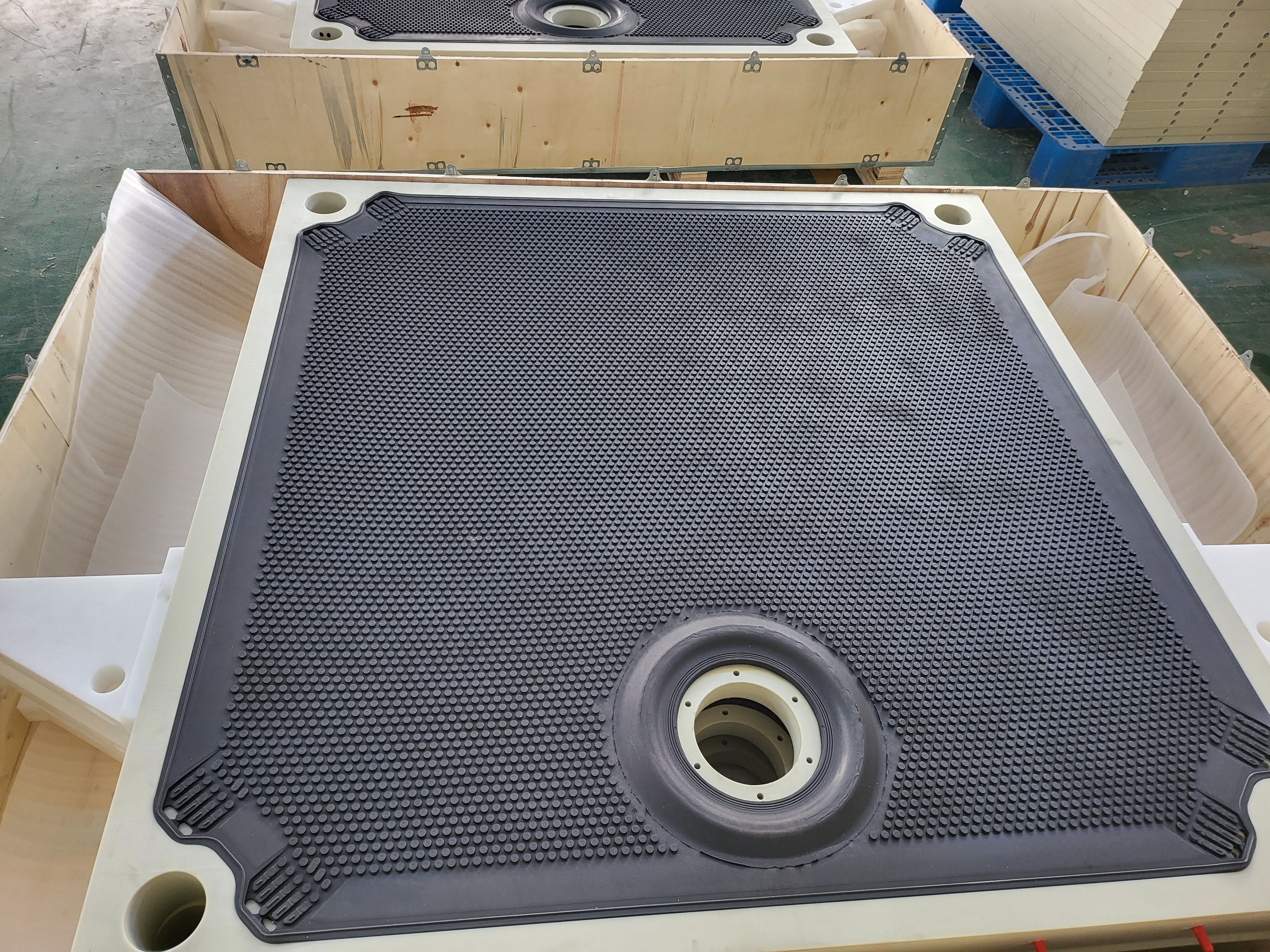
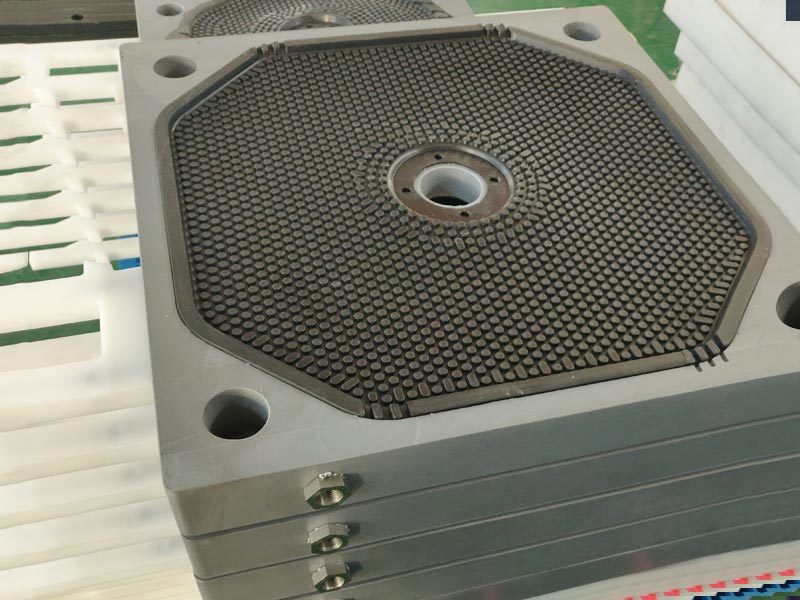
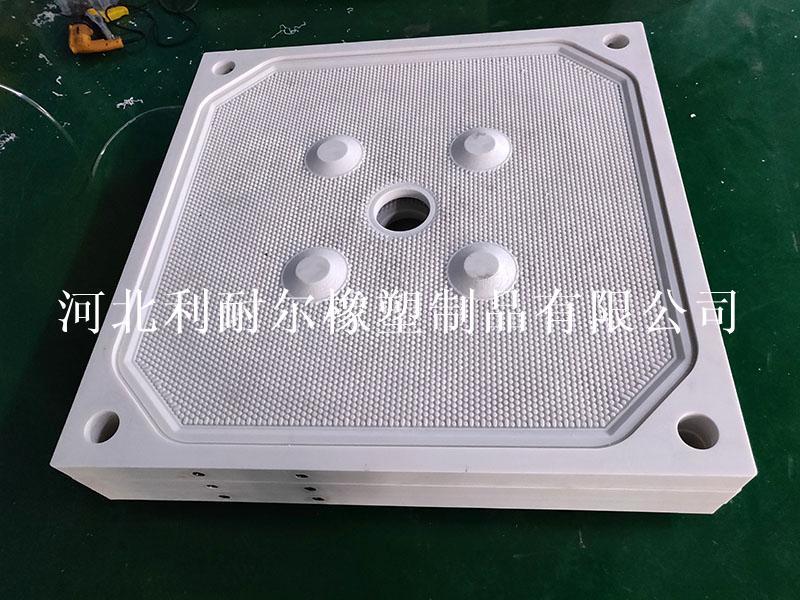
ProductMain products: vertical and horizontal imported and domestic filter plates, diaphragm plates, diaphragms and accessories; pinch valve sleeves and pinch valves and various mining accessories.
-
NewsIn 2013, our company's high-pressure cylinder with phenolic cloth support and guide ring obtained the national key new product certificate, project number: 2013GRA20011; its products in coal cylinders and engineering hydrauli
-
ServiceWe will actively cooperate with more enthusiasm, strengthen internal management, expand the market externally, improve various performance indicators of existing products, and truly achieve our win-win situation!
-
RecruitmentOur company always adheres to the talent concept of "people-oriented", provides a growth platform for talents, and realizes the common growth and development of enterprises and talents.


language
English
العربية
বাংলাদেশ
Български
Hrvatski
Česky
Dansk
Nederland
 Esperanto
Slovenski
Filipino
Suomi
Français
Maori
 Shqiptare
Georgian
 Euskara
Deutsch
Ελλάδα
ישראל
इंडिया
Magyarország
Ísland
Indonesia
Irlanda
Italia
日本語
Sovensko
Հայաստան
한국
Kyrgyz
ປະເທດລາວ
 Zulu
Zulu
Latvian
Lithuanian
Luxembourgish
 Latinus
Macedonian
Малайская
Maltese
Монгол улс
 Cymraeg
ဗမာ
 தமிழ்
தமிழ்
नेपाल
Norge
ایران
Polska
Portugal
România
Российская
Србија
 Slovak
Србија
 Slovak
Bosanski
Slovenian
Беларус
España
Sverige
Точик
ประเทศไทย
Türk
Azərbaycan
Uzbek
 Afrikaans
Việt Nam

The Role of Scrapers in Improving Rubber Product Quality
Release time:
2023-11-27
Table of Contents: 1. Introduction: Unveiling the Importance of Scrapers in the Rubber Industry 2. Understanding the Role of Scrapers in Enhancing Rubber Product Quality 3. Types of Scrapers and Their Functions in the Manufacturing Process 4. The Benefits of Incorporating Scrapers in Rubber Product Production 5. Maximizing the Efficiency of Scrapers for Superior Rubber Products 6. Overcoming Commo
Table of Contents:
1. Introduction: Unveiling the Importance of Scrapers in the Rubber Industry
2. Understanding the Role of Scrapers in Enhancing Rubber Product Quality
3. Types of Scrapers and Their Functions in the Manufacturing Process
4. The Benefits of Incorporating Scrapers in Rubber Product Production
5. Maximizing the Efficiency of Scrapers for Superior Rubber Products
6. Overcoming Common Challenges Faced with Scrapers
7. Frequently Asked Questions (FAQs) about Scrapers in the Rubber Industry
8. Conclusion: Leveraging the Power of Scrapers to Elevate Rubber Product Quality
1. Introduction: Unveiling the Importance of Scrapers in the Rubber Industry
Scrapers are indispensable tools in the rubber manufacturing process. Their primary role is to remove excess material, smooth surfaces, and ensure precise dimensions. By efficiently removing imperfections, scrapers significantly improve the overall quality of rubber products. In this article, we delve into the vital role scrapers play in elevating rubber product excellence and explore how their usage can be optimized for optimal results.
2. Understanding the Role of Scrapers in Enhancing Rubber Product Quality
Scrapers act as meticulous craftsmen, diligently working to refine rubber products. They eliminate surface irregularities, such as excess flash or burrs, that may compromise the integrity and functionality of the final product. By removing these imperfections, scrapers ensure that rubber products meet stringent quality standards, offering enhanced performance and durability.
3. Types of Scrapers and Their Functions in the Manufacturing Process
There are various types of scrapers utilized in the rubber industry, each catering to specific manufacturing requirements. Some commonly used scrapers include hand scrapers, machine scrapers, and rotary scrapers. While hand scrapers are ideal for smaller-scale operations, machine scrapers offer greater precision and efficiency. Rotary scrapers, on the other hand, are versatile tools that can handle intricate rubber product designs.
4. The Benefits of Incorporating Scrapers in Rubber Product Production
i. Improved Product Aesthetics: Scrapers ensure that rubber products exhibit smooth, flawless surfaces, enhancing their visual appeal.
ii. Enhanced Product Performance: By removing imperfections, scrapers contribute to the optimal functionality and performance of rubber products.
iii. Increased Product Lifespan: Scrapers play a crucial role in eliminating potential weak points in rubber products, enhancing their durability and lifespan.
iv. Cost Efficiency: By minimizing the occurrence of defects, scrapers reduce the need for rework or product rejection, ultimately saving costs in the production process.
5. Maximizing the Efficiency of Scrapers for Superior Rubber Products
To optimize the usage of scrapers and achieve superior rubber product quality, several key factors should be considered:
i. Proper Scraper Selection: Choosing the appropriate scraper type and size based on the specific requirements of the manufacturing process.
ii. Regular Maintenance: Ensuring scrapers are well-maintained and properly sharpened to achieve optimal performance.
iii. Monitoring Scraper Pressure: Maintaining consistent and suitable pressure during the scraping process to avoid damaging the rubber surface.
iv. Implementing Quality Control Measures: Conducting regular inspections and quality checks to identify and address any issues promptly.
6. Overcoming Common Challenges Faced with Scrapers
While scrapers are essential for improving rubber product quality, they can also present challenges. Some common issues include scraper wear, inadequate pressure control, and inconsistent scraping results. Overcoming these challenges requires implementing effective maintenance practices, utilizing advanced scraper technologies, and training operators to handle scrapers with precision.
7. Frequently Asked Questions (FAQs) about Scrapers in the Rubber Industry
Q1. What are the different materials used for scraper blades?
Q2. How often should scraper blades be replaced?
Q3. Can scrapers be used for rubber products with complex shapes?
Q4. Are there any safety precautions to consider while using scrapers?
Q5. How can I ensure the longevity of scrapers?
8. Conclusion: Leveraging the Power of Scrapers to Elevate Rubber Product Quality
Scrapers play a pivotal role in the rubber industry, contributing significantly to the enhancement of product excellence. By meticulously removing imperfections and ensuring precise dimensions, scrapers elevate the quality, performance, and longevity of rubber products. By understanding the various types of scrapers, optimizing their usage, and addressing common challenges, manufacturers can harness the full potential of scrapers and create superior rubber products that excel in the market.
In summary, the strategic utilization of scrapers empowers the rubber industry to produce impeccable products that meet the evolving demands of consumers, solidifying their position as leaders in the market.
1. Introduction: Unveiling the Importance of Scrapers in the Rubber Industry
2. Understanding the Role of Scrapers in Enhancing Rubber Product Quality
3. Types of Scrapers and Their Functions in the Manufacturing Process
4. The Benefits of Incorporating Scrapers in Rubber Product Production
5. Maximizing the Efficiency of Scrapers for Superior Rubber Products
6. Overcoming Common Challenges Faced with Scrapers
7. Frequently Asked Questions (FAQs) about Scrapers in the Rubber Industry
8. Conclusion: Leveraging the Power of Scrapers to Elevate Rubber Product Quality
1. Introduction: Unveiling the Importance of Scrapers in the Rubber Industry
Scrapers are indispensable tools in the rubber manufacturing process. Their primary role is to remove excess material, smooth surfaces, and ensure precise dimensions. By efficiently removing imperfections, scrapers significantly improve the overall quality of rubber products. In this article, we delve into the vital role scrapers play in elevating rubber product excellence and explore how their usage can be optimized for optimal results.
2. Understanding the Role of Scrapers in Enhancing Rubber Product Quality
Scrapers act as meticulous craftsmen, diligently working to refine rubber products. They eliminate surface irregularities, such as excess flash or burrs, that may compromise the integrity and functionality of the final product. By removing these imperfections, scrapers ensure that rubber products meet stringent quality standards, offering enhanced performance and durability.
3. Types of Scrapers and Their Functions in the Manufacturing Process
There are various types of scrapers utilized in the rubber industry, each catering to specific manufacturing requirements. Some commonly used scrapers include hand scrapers, machine scrapers, and rotary scrapers. While hand scrapers are ideal for smaller-scale operations, machine scrapers offer greater precision and efficiency. Rotary scrapers, on the other hand, are versatile tools that can handle intricate rubber product designs.
4. The Benefits of Incorporating Scrapers in Rubber Product Production
i. Improved Product Aesthetics: Scrapers ensure that rubber products exhibit smooth, flawless surfaces, enhancing their visual appeal.
ii. Enhanced Product Performance: By removing imperfections, scrapers contribute to the optimal functionality and performance of rubber products.
iii. Increased Product Lifespan: Scrapers play a crucial role in eliminating potential weak points in rubber products, enhancing their durability and lifespan.
iv. Cost Efficiency: By minimizing the occurrence of defects, scrapers reduce the need for rework or product rejection, ultimately saving costs in the production process.
5. Maximizing the Efficiency of Scrapers for Superior Rubber Products
To optimize the usage of scrapers and achieve superior rubber product quality, several key factors should be considered:
i. Proper Scraper Selection: Choosing the appropriate scraper type and size based on the specific requirements of the manufacturing process.
ii. Regular Maintenance: Ensuring scrapers are well-maintained and properly sharpened to achieve optimal performance.
iii. Monitoring Scraper Pressure: Maintaining consistent and suitable pressure during the scraping process to avoid damaging the rubber surface.
iv. Implementing Quality Control Measures: Conducting regular inspections and quality checks to identify and address any issues promptly.
6. Overcoming Common Challenges Faced with Scrapers
While scrapers are essential for improving rubber product quality, they can also present challenges. Some common issues include scraper wear, inadequate pressure control, and inconsistent scraping results. Overcoming these challenges requires implementing effective maintenance practices, utilizing advanced scraper technologies, and training operators to handle scrapers with precision.
7. Frequently Asked Questions (FAQs) about Scrapers in the Rubber Industry
Q1. What are the different materials used for scraper blades?
Q2. How often should scraper blades be replaced?
Q3. Can scrapers be used for rubber products with complex shapes?
Q4. Are there any safety precautions to consider while using scrapers?
Q5. How can I ensure the longevity of scrapers?
8. Conclusion: Leveraging the Power of Scrapers to Elevate Rubber Product Quality
Scrapers play a pivotal role in the rubber industry, contributing significantly to the enhancement of product excellence. By meticulously removing imperfections and ensuring precise dimensions, scrapers elevate the quality, performance, and longevity of rubber products. By understanding the various types of scrapers, optimizing their usage, and addressing common challenges, manufacturers can harness the full potential of scrapers and create superior rubber products that excel in the market.
In summary, the strategic utilization of scrapers empowers the rubber industry to produce impeccable products that meet the evolving demands of consumers, solidifying their position as leaders in the market.
Related News