
-
AboutHebei Linaier Rubber Products Co., Ltd. is located in Duqiao Industrial Zone, Jingxian City, Hebei Province, adjacent to Dezhou, Shandong. Founded in early 2001 with a registered capital of 35 million yuan, it is a scientific

-
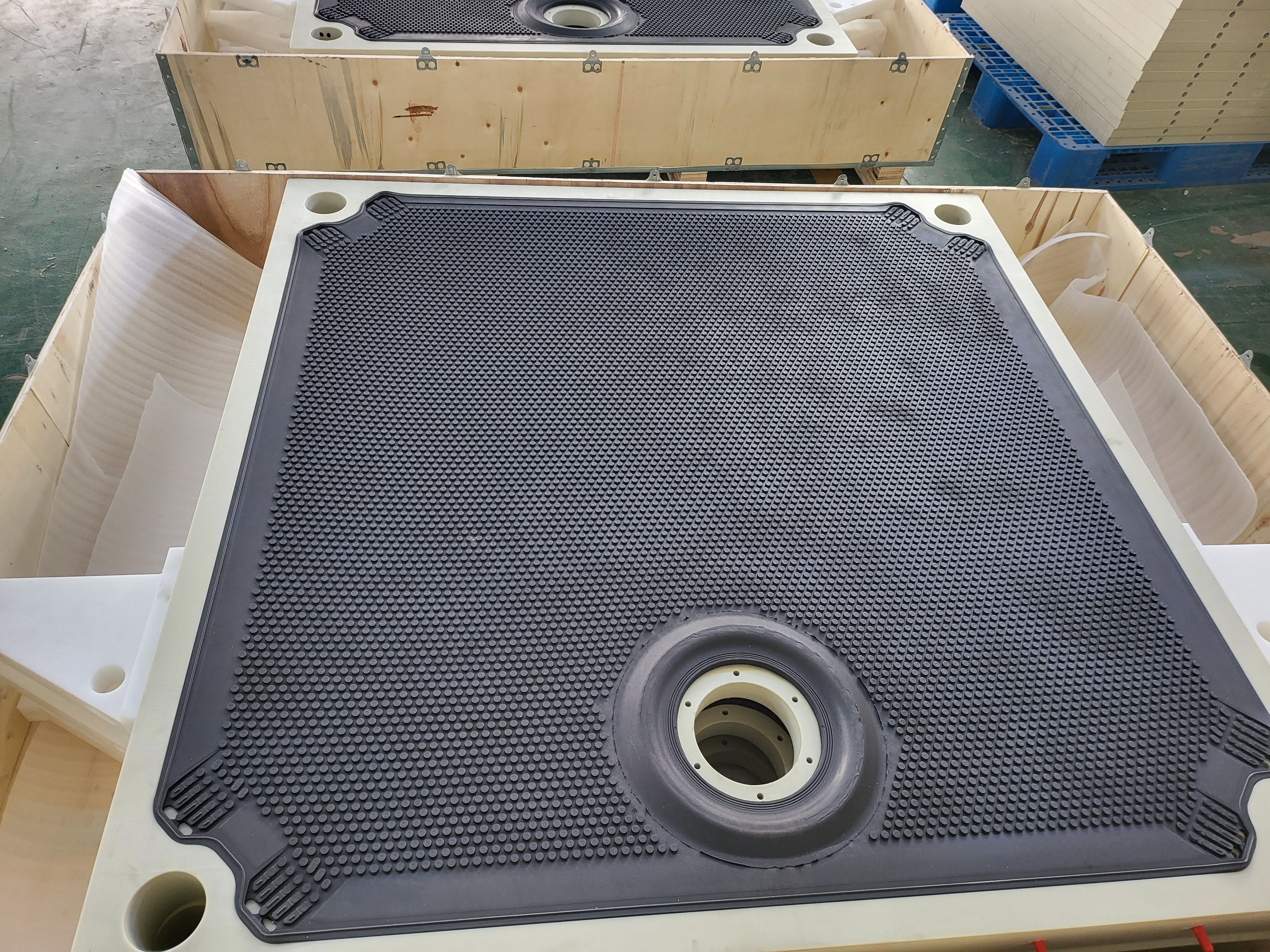
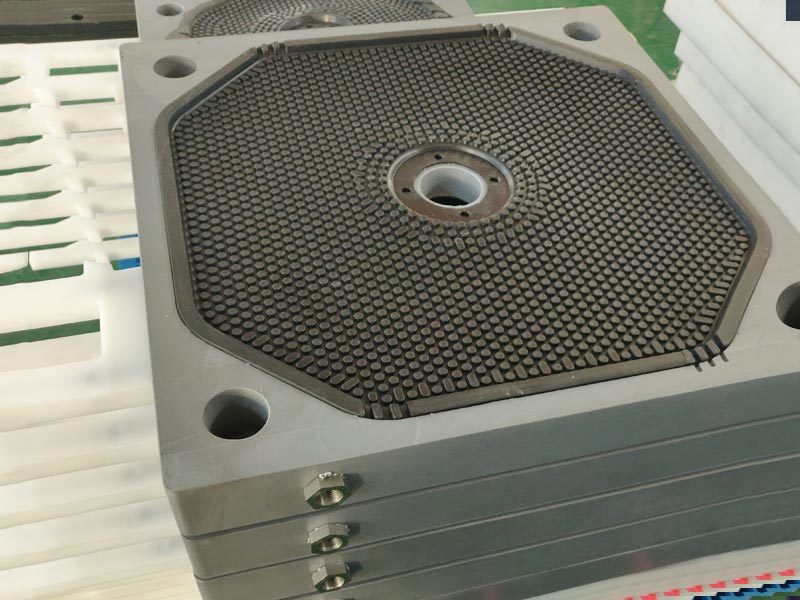
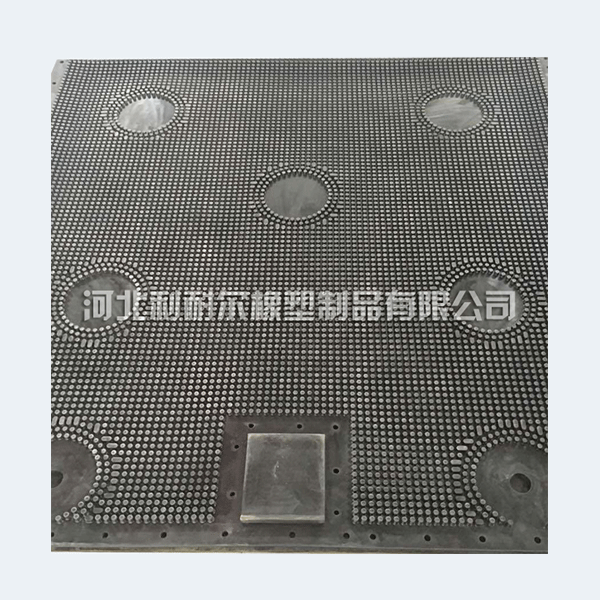
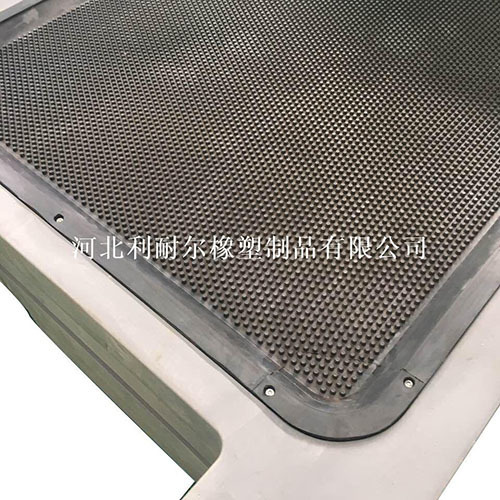
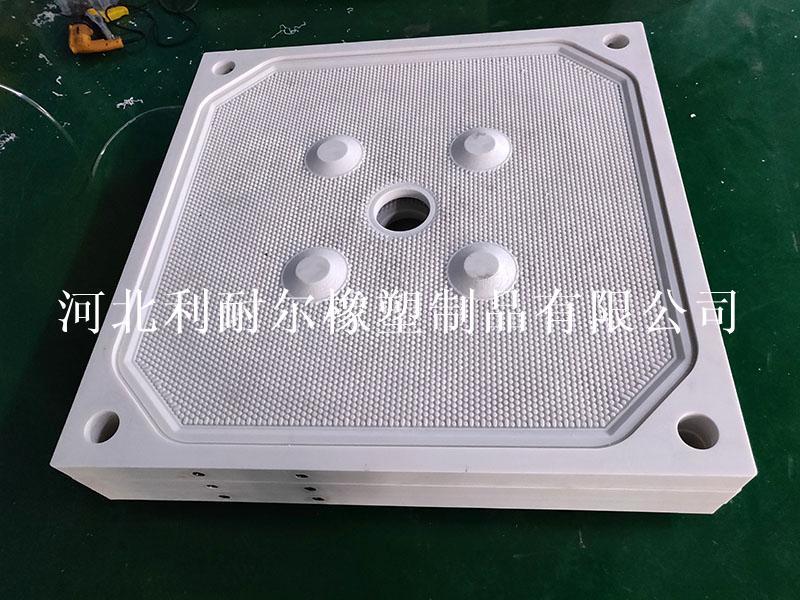
ProductMain products: vertical and horizontal imported and domestic filter plates, diaphragm plates, diaphragms and accessories; pinch valve sleeves and pinch valves and various mining accessories.
-
NewsIn 2013, our company's high-pressure cylinder with phenolic cloth support and guide ring obtained the national key new product certificate, project number: 2013GRA20011; its products in coal cylinders and engineering hydrauli
-
ServiceWe will actively cooperate with more enthusiasm, strengthen internal management, expand the market externally, improve various performance indicators of existing products, and truly achieve our win-win situation!
-
RecruitmentOur company always adheres to the talent concept of "people-oriented", provides a growth platform for talents, and realizes the common growth and development of enterprises and talents.


language
English
العربية
বাংলাদেশ
Български
Hrvatski
Česky
Dansk
Nederland
 Esperanto
Slovenski
Filipino
Suomi
Français
Maori
 Shqiptare
Georgian
 Euskara
Deutsch
Ελλάδα
ישראל
इंडिया
Magyarország
Ísland
Indonesia
Irlanda
Italia
日本語
Sovensko
Հայաստան
한국
Kyrgyz
ປະເທດລາວ
 Zulu
Zulu
Latvian
Lithuanian
Luxembourgish
 Latinus
Macedonian
Малайская
Maltese
Монгол улс
 Cymraeg
ဗမာ
 தமிழ்
தமிழ்
नेपाल
Norge
ایران
Polska
Portugal
România
Российская
Србија
 Slovak
Србија
 Slovak
Bosanski
Slovenian
Беларус
España
Sverige
Точик
ประเทศไทย
Türk
Azərbaycan
Uzbek
 Afrikaans
Việt Nam

O-Ring: An Essential Component for Industrial Equipment and Machinery
Release time:
2023-11-26
O-rings are crucial components in the realm of industrial equipment and components, particularly in mechanical sealing applications. These small but mighty rings serve as essential sealing devices, effectively preventing leaks and ensuring the smooth operation of machinery in various industries. The Importance of O-Rings O-rings are primarily used to create a secure seal between two or more joined
O-rings are crucial components in the realm of industrial equipment and components, particularly in mechanical sealing applications. These small but mighty rings serve as essential sealing devices, effectively preventing leaks and ensuring the smooth operation of machinery in various industries.
O-rings are primarily used to create a secure seal between two or more joined parts, typically in applications where a fluid or gas passage needs to be contained. Their unique design, a simple loop made of elastomeric materials, allows them to effectively block the escape or entry of fluids or gases under pressure. By creating a tight seal, O-rings prevent leaks, contamination, and the loss of valuable resources.
O-rings serve several critical functions in industrial equipment and machinery. Firstly, they act as a barrier, preventing the escape of liquids or gases from a system. Secondly, they serve as a protection against external contaminants, such as dust, dirt, and moisture, which could compromise the integrity of the equipment. Additionally, O-rings help to distribute mechanical stress evenly across the sealing surfaces, minimizing potential damage and ensuring longevity.
O-rings are available in a wide range of materials, each possessing unique properties suitable for specific applications. Common materials include nitrile rubber (NBR), silicone rubber (VMQ), ethylene propylene diene monomer (EPDM), and fluorocarbon rubber (FKM). The choice of material depends on factors such as the operating temperature, pressure, chemical compatibility, and the nature of the application.
Furthermore, O-rings come in various sizes and shapes to accommodate different sealing requirements. Circular cross-sections are the most common, but rectangular, square, and custom shapes are also available.
In the realm of industrial equipment and components, O-rings are indispensable sealing elements. Their ability to create a reliable and effective seal ensures the optimal performance of machinery and prevents leaks that could lead to costly downtime and repairs. Understanding the significance, functions, and characteristics of O-rings empowers professionals in the field to make informed decisions when selecting the appropriate sealing solution for their specific applications.
The Importance of O-Rings
O-rings are primarily used to create a secure seal between two or more joined parts, typically in applications where a fluid or gas passage needs to be contained. Their unique design, a simple loop made of elastomeric materials, allows them to effectively block the escape or entry of fluids or gases under pressure. By creating a tight seal, O-rings prevent leaks, contamination, and the loss of valuable resources.
Functions of O-Rings
O-rings serve several critical functions in industrial equipment and machinery. Firstly, they act as a barrier, preventing the escape of liquids or gases from a system. Secondly, they serve as a protection against external contaminants, such as dust, dirt, and moisture, which could compromise the integrity of the equipment. Additionally, O-rings help to distribute mechanical stress evenly across the sealing surfaces, minimizing potential damage and ensuring longevity.
Characteristics of O-Rings
O-rings are available in a wide range of materials, each possessing unique properties suitable for specific applications. Common materials include nitrile rubber (NBR), silicone rubber (VMQ), ethylene propylene diene monomer (EPDM), and fluorocarbon rubber (FKM). The choice of material depends on factors such as the operating temperature, pressure, chemical compatibility, and the nature of the application.
Furthermore, O-rings come in various sizes and shapes to accommodate different sealing requirements. Circular cross-sections are the most common, but rectangular, square, and custom shapes are also available.
Conclusion
In the realm of industrial equipment and components, O-rings are indispensable sealing elements. Their ability to create a reliable and effective seal ensures the optimal performance of machinery and prevents leaks that could lead to costly downtime and repairs. Understanding the significance, functions, and characteristics of O-rings empowers professionals in the field to make informed decisions when selecting the appropriate sealing solution for their specific applications.
Related News