
-
AboutHebei Linaier Rubber Products Co., Ltd. is located in Duqiao Industrial Zone, Jingxian City, Hebei Province, adjacent to Dezhou, Shandong. Founded in early 2001 with a registered capital of 35 million yuan, it is a scientific

-
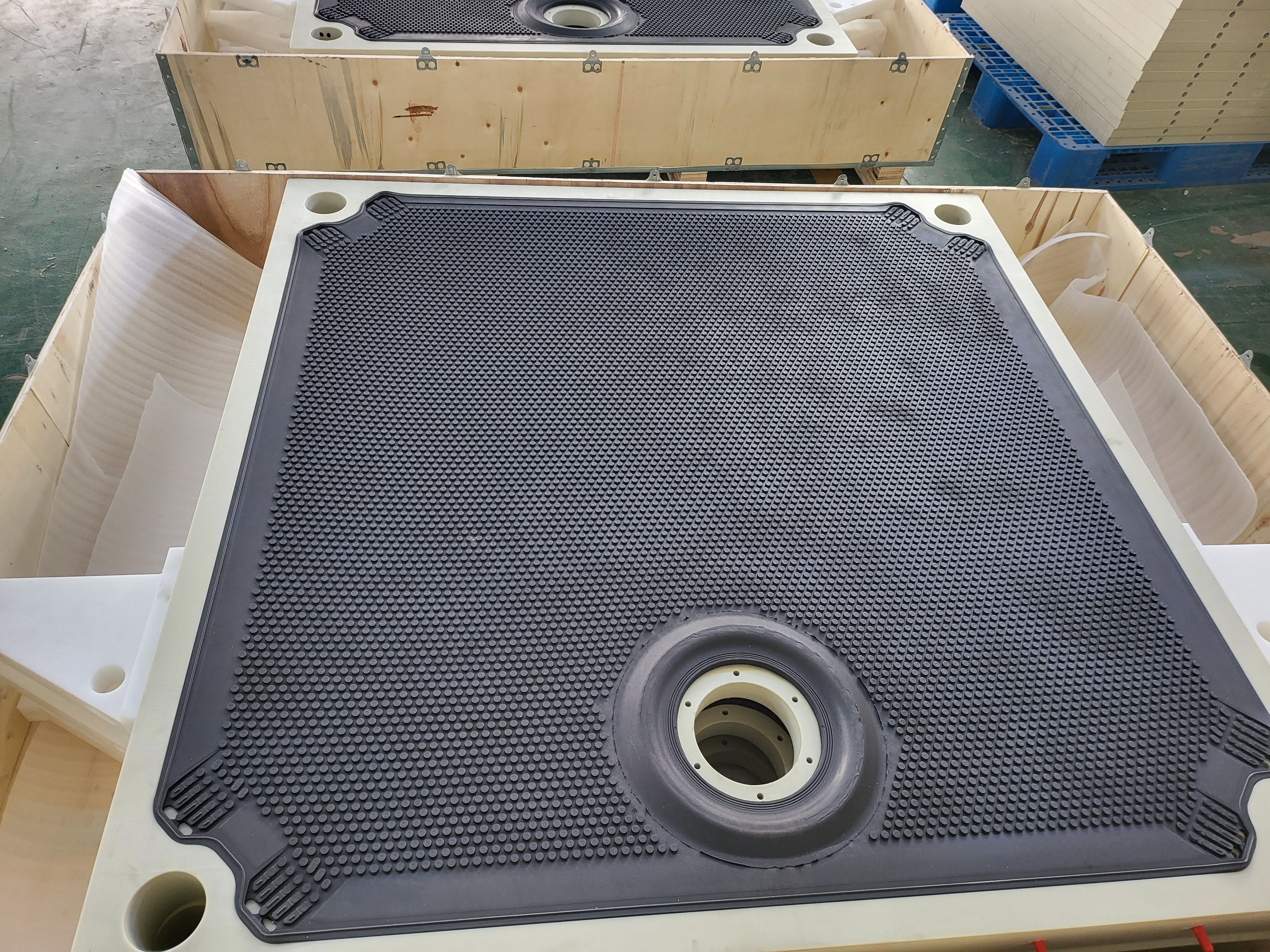
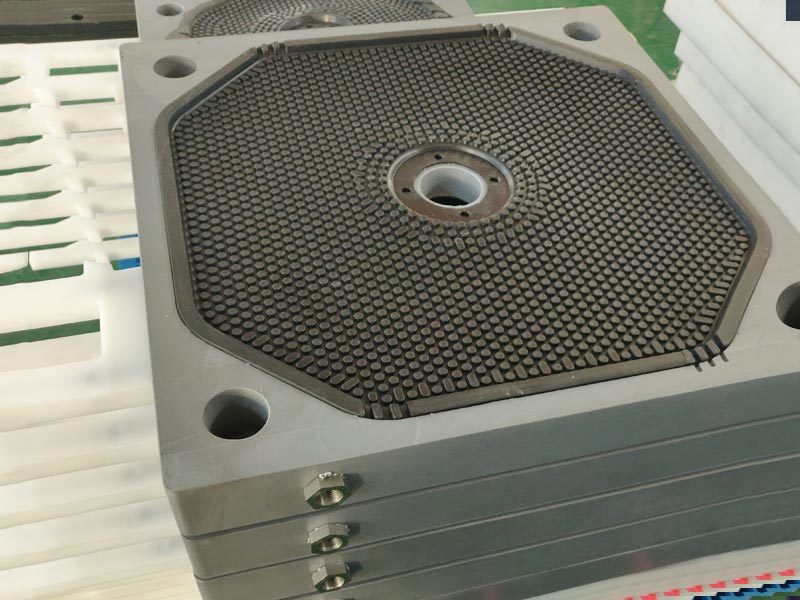
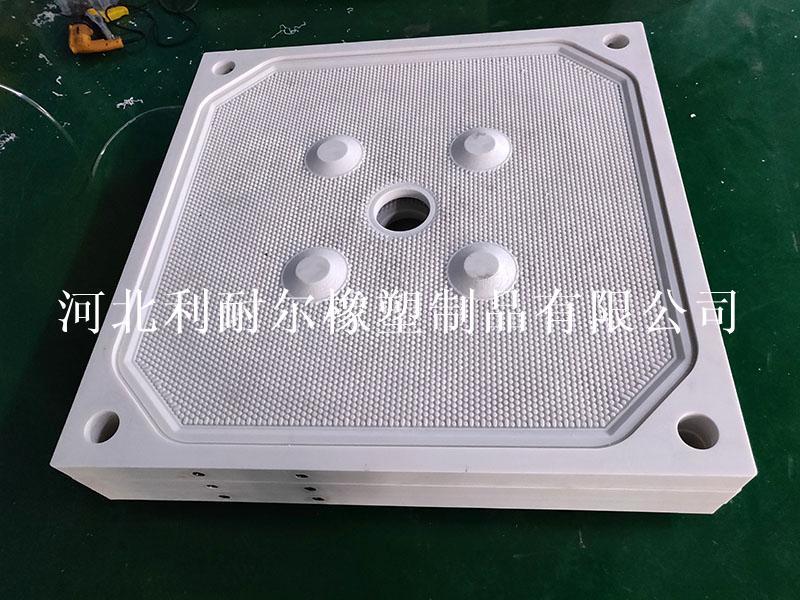
ProductMain products: vertical and horizontal imported and domestic filter plates, diaphragm plates, diaphragms and accessories; pinch valve sleeves and pinch valves and various mining accessories.
-
NewsIn 2013, our company's high-pressure cylinder with phenolic cloth support and guide ring obtained the national key new product certificate, project number: 2013GRA20011; its products in coal cylinders and engineering hydrauli
-
ServiceWe will actively cooperate with more enthusiasm, strengthen internal management, expand the market externally, improve various performance indicators of existing products, and truly achieve our win-win situation!
-
RecruitmentOur company always adheres to the talent concept of "people-oriented", provides a growth platform for talents, and realizes the common growth and development of enterprises and talents.


language
English
العربية
বাংলাদেশ
Български
Hrvatski
Česky
Dansk
Nederland
 Esperanto
Slovenski
Filipino
Suomi
Français
Maori
 Shqiptare
Georgian
 Euskara
Deutsch
Ελλάδα
ישראל
इंडिया
Magyarország
Ísland
Indonesia
Irlanda
Italia
日本語
Sovensko
Հայաստան
한국
Kyrgyz
ປະເທດລາວ
 Zulu
Zulu
Latvian
Lithuanian
Luxembourgish
 Latinus
Macedonian
Малайская
Maltese
Монгол улс
 Cymraeg
ဗမာ
 தமிழ்
தமிழ்
नेपाल
Norge
ایران
Polska
Portugal
România
Российская
Србија
 Slovak
Србија
 Slovak
Bosanski
Slovenian
Беларус
España
Sverige
Точик
ประเทศไทย
Türk
Azərbaycan
Uzbek
 Afrikaans
Việt Nam

How to Choose the Right O-Ring for your Industrial Equipment
Release time:
2023-11-26
Table of Contents 1. Introduction 2. Understanding O-Rings and their Importance 3. Factors to Consider when Choosing an O-Ring 3.1 Material Compatibility 3.2 Size and Dimension 3.3 Operating Conditions 3.4 Application Requirements 4. Common O-Ring Materials and Their Properties 4.1 Nitrile (NBR) 4.2 Fluoroelastomer (FKM) 4.3 Silicone (VMQ) 4.4 Ethylene Propylene Diene Monom
Table of Contents
1. Introduction
2. Understanding O-Rings and their Importance
3. Factors to Consider when Choosing an O-Ring
3.1 Material Compatibility
3.2 Size and Dimension
3.3 Operating Conditions
3.4 Application Requirements
4. Common O-Ring Materials and Their Properties
4.1 Nitrile (NBR)
4.2 Fluoroelastomer (FKM)
4.3 Silicone (VMQ)
4.4 Ethylene Propylene Diene Monomer (EPDM)
5. Determining the Correct O-Ring Size
5.1 Inner Diameter (ID)
5.2 Outer Diameter (OD)
5.3 Cross-Sectional Diameter (CS)
6. Ensuring a Proper Seal
6.1 Surface Preparation
6.2 Lubrication
6.3 Compression and Stretch
7. Preventing O-Ring Failures
7.1 Chemical Compatibility
7.2 Temperature and Pressure Resistance
7.3 Fluid Compatibility
7.4 Dynamic vs. Static Applications
8. Frequently Asked Questions (FAQs)
8.1 What is the purpose of an O-ring?
8.2 How do I know if an O-ring is compatible with my application?
8.3 Can I reuse an O-ring?
8.4 How often should I replace O-rings in my industrial equipment?
8.5 What are the common signs of O-ring failure?
9. Conclusion
Industrial equipment relies heavily on proper sealing to prevent leaks and ensure optimal performance. O-rings, small but vital components, play a significant role in creating a reliable seal. Choosing the right O-ring for your industrial equipment is crucial to avoid costly downtime, equipment failures, and potential safety hazards. In this article, we will guide you through the process of selecting the perfect O-ring for your specific requirements.
O-rings are circular rubber or elastomeric seals that create a barrier between two mating surfaces, preventing the leakage of fluids or gases. They are commonly used in hydraulic systems, pneumatic applications, and various industrial machinery. O-rings provide an effective sealing solution due to their flexibility, resilience, and ability to withstand high pressures and temperatures.
Choosing the right O-ring material is crucial for achieving a reliable and long-lasting seal. Consider the compatibility of the O-ring material with the fluids, gases, and environmental conditions it will be exposed to. Different O-ring materials have varying resistance to chemicals, temperature extremes, and physical wear.
Accurate measurements of the O-ring size and dimension are essential to ensure a proper fit. Consider the inner diameter (ID), outer diameter (OD), and cross-sectional diameter (CS) of the O-ring. These dimensions depend on the specific application requirements and the sealing groove dimensions of your equipment.
Evaluate the operating conditions of your industrial equipment, including temperature, pressure, and exposure to various fluids or gases. O-rings must be able to withstand these conditions without degrading, leaking, or losing their sealing properties.
Identify the specific application requirements for your O-ring. Determine whether it will be used in a static or dynamic application, as this can impact the choice of material and design. Consider factors such as the speed of movement, frequency of compression and decompression, and exposure to abrasive or harsh environments.
Nitrile O-rings are widely used due to their excellent resistance to oils, fuels, and hydraulic fluids. They can withstand a wide temperature range and provide reliable sealing for most industrial applications. However, they may not be suitable for applications involving high temperatures, strong acids, or polar solvents.
FKM O-rings are known for their exceptional resistance to chemicals, fuels, oils, and extreme temperatures. They can withstand high pressures and are commonly used in applications requiring resistance to aggressive fluids or gases. FKM O-rings are more expensive than other materials but offer superior performance in demanding environments.
Silicone O-rings are highly versatile and exhibit good resistance to extreme temperatures, ozone, and UV radiation. They are commonly used in food and beverage industries, medical devices, and electrical applications. However, silicone O-rings may not be suitable for certain chemicals and hydrocarbon-based fluids.
EPDM O-rings are characterized by their excellent resistance to weathering, ozone, and aging. They are commonly used in outdoor applications, water systems, and automotive industries. EPDM O-rings provide good resistance to certain chemicals but may not be suitable for applications involving oil, fuel, or strong acids.
The inner diameter (ID) of the O-ring should correspond to the inside diameter of the sealing groove. Measure the groove diameter accurately to ensure a proper fit and avoid leaks or extrusion.
The outer diameter (OD) of the O-ring must match the outside diameter of the sealing groove. It should provide sufficient compression against the mating surfaces to create an effective seal.
The cross-sectional diameter (CS) determines the thickness of the O-ring. Measure the groove depth accurately to ensure the O-ring fits properly without being overstretched or compressed.
Proper surface preparation is essential for achieving a reliable seal. Ensure that the sealing surfaces are clean, free from debris, and smooth. Remove any old O-ring residue or adhesive to avoid uneven sealing or leaks.
Applying a compatible lubricant to the O-ring and sealing surfaces can improve its performance and extend its lifespan. Lubrication reduces friction, facilitates proper compression, and enhances the sealing properties of the O-ring.
When installing the O-ring, ensure it is compressed within the recommended range specified by the manufacturer. Over-compression can cause premature failure, while insufficient compression may result in leaks. Avoid excessive stretching, as it can weaken the O-ring and compromise its sealing capabilities.
Ensure that the O-ring material is compatible with the chemicals or fluids it will come into contact with. Chemical compatibility charts or consulting with material experts can help you choose the appropriate O-ring material.
Consider the temperature and pressure ranges your O-ring will be exposed to. Choose a material that can withstand these extremes without losing its elasticity, strength, or sealing properties.
Different O-ring materials have varying resistance to specific fluids or gases. Ensure the selected O-ring material is compatible with the intended application and does not degrade or swell when exposed to the operating fluids or gases.
Dynamic applications involve frequent movement or reciprocating motion, while static applications involve little to no movement. O-rings for dynamic applications require materials and designs capable of withstanding repeated compression and decompression without compromising the seal.
O-rings are used to create a reliable seal between two mating surfaces, preventing the leakage of fluids or gases in various industrial applications.
Consider the chemical compatibility, temperature resistance, and fluid compatibility of the O-ring material. Consult compatibility charts or seek advice from material experts to determine the most suitable O-ring for your application.
It is generally recommended to replace O-rings when disassembling and reassembling equipment to ensure a proper seal. Reusing O-rings can lead to leaks, compromised performance, and increased risk of equipment failure.
O-rings should be replaced at regular intervals or whenever signs of wear, damage, or degradation are noticed. Regular maintenance and inspections are crucial to prevent unexpected failures and ensure optimal equipment performance.
Common signs of O-ring failure include leaks, reduced sealing effectiveness, visible cracks or tears, compression set, and loss of elasticity. Regular inspections and prompt replacement of damaged or worn O-rings are essential to prevent costly equipment failures.
Choosing the right O-ring for your industrial equipment is a critical decision that can impact performance, reliability, and safety. Consider factors such as material compatibility, size, operating conditions, and application requirements to ensure a proper seal and prevent leaks or equipment failures. Regular maintenance, proper installation techniques, and proactive replacement of worn or damaged O-rings will help optimize the performance and longevity of your industrial equipment. Choose wisely and enjoy the benefits of a well-sealed and efficient system.
1. Introduction
2. Understanding O-Rings and their Importance
3. Factors to Consider when Choosing an O-Ring
3.1 Material Compatibility
3.2 Size and Dimension
3.3 Operating Conditions
3.4 Application Requirements
4. Common O-Ring Materials and Their Properties
4.1 Nitrile (NBR)
4.2 Fluoroelastomer (FKM)
4.3 Silicone (VMQ)
4.4 Ethylene Propylene Diene Monomer (EPDM)
5. Determining the Correct O-Ring Size
5.1 Inner Diameter (ID)
5.2 Outer Diameter (OD)
5.3 Cross-Sectional Diameter (CS)
6. Ensuring a Proper Seal
6.1 Surface Preparation
6.2 Lubrication
6.3 Compression and Stretch
7. Preventing O-Ring Failures
7.1 Chemical Compatibility
7.2 Temperature and Pressure Resistance
7.3 Fluid Compatibility
7.4 Dynamic vs. Static Applications
8. Frequently Asked Questions (FAQs)
8.1 What is the purpose of an O-ring?
8.2 How do I know if an O-ring is compatible with my application?
8.3 Can I reuse an O-ring?
8.4 How often should I replace O-rings in my industrial equipment?
8.5 What are the common signs of O-ring failure?
9. Conclusion
Introduction
Industrial equipment relies heavily on proper sealing to prevent leaks and ensure optimal performance. O-rings, small but vital components, play a significant role in creating a reliable seal. Choosing the right O-ring for your industrial equipment is crucial to avoid costly downtime, equipment failures, and potential safety hazards. In this article, we will guide you through the process of selecting the perfect O-ring for your specific requirements.
Understanding O-Rings and their Importance
O-rings are circular rubber or elastomeric seals that create a barrier between two mating surfaces, preventing the leakage of fluids or gases. They are commonly used in hydraulic systems, pneumatic applications, and various industrial machinery. O-rings provide an effective sealing solution due to their flexibility, resilience, and ability to withstand high pressures and temperatures.
Factors to Consider when Choosing an O-Ring
3.1 Material Compatibility
Choosing the right O-ring material is crucial for achieving a reliable and long-lasting seal. Consider the compatibility of the O-ring material with the fluids, gases, and environmental conditions it will be exposed to. Different O-ring materials have varying resistance to chemicals, temperature extremes, and physical wear.
3.2 Size and Dimension
Accurate measurements of the O-ring size and dimension are essential to ensure a proper fit. Consider the inner diameter (ID), outer diameter (OD), and cross-sectional diameter (CS) of the O-ring. These dimensions depend on the specific application requirements and the sealing groove dimensions of your equipment.
3.3 Operating Conditions
Evaluate the operating conditions of your industrial equipment, including temperature, pressure, and exposure to various fluids or gases. O-rings must be able to withstand these conditions without degrading, leaking, or losing their sealing properties.
3.4 Application Requirements
Identify the specific application requirements for your O-ring. Determine whether it will be used in a static or dynamic application, as this can impact the choice of material and design. Consider factors such as the speed of movement, frequency of compression and decompression, and exposure to abrasive or harsh environments.
Common O-Ring Materials and Their Properties
4.1 Nitrile (NBR)
Nitrile O-rings are widely used due to their excellent resistance to oils, fuels, and hydraulic fluids. They can withstand a wide temperature range and provide reliable sealing for most industrial applications. However, they may not be suitable for applications involving high temperatures, strong acids, or polar solvents.
4.2 Fluoroelastomer (FKM)
FKM O-rings are known for their exceptional resistance to chemicals, fuels, oils, and extreme temperatures. They can withstand high pressures and are commonly used in applications requiring resistance to aggressive fluids or gases. FKM O-rings are more expensive than other materials but offer superior performance in demanding environments.
4.3 Silicone (VMQ)
Silicone O-rings are highly versatile and exhibit good resistance to extreme temperatures, ozone, and UV radiation. They are commonly used in food and beverage industries, medical devices, and electrical applications. However, silicone O-rings may not be suitable for certain chemicals and hydrocarbon-based fluids.
4.4 Ethylene Propylene Diene Monomer (EPDM)
EPDM O-rings are characterized by their excellent resistance to weathering, ozone, and aging. They are commonly used in outdoor applications, water systems, and automotive industries. EPDM O-rings provide good resistance to certain chemicals but may not be suitable for applications involving oil, fuel, or strong acids.
Determining the Correct O-Ring Size
5.1 Inner Diameter (ID)
The inner diameter (ID) of the O-ring should correspond to the inside diameter of the sealing groove. Measure the groove diameter accurately to ensure a proper fit and avoid leaks or extrusion.
5.2 Outer Diameter (OD)
The outer diameter (OD) of the O-ring must match the outside diameter of the sealing groove. It should provide sufficient compression against the mating surfaces to create an effective seal.
5.3 Cross-Sectional Diameter (CS)
The cross-sectional diameter (CS) determines the thickness of the O-ring. Measure the groove depth accurately to ensure the O-ring fits properly without being overstretched or compressed.
Ensuring a Proper Seal
6.1 Surface Preparation
Proper surface preparation is essential for achieving a reliable seal. Ensure that the sealing surfaces are clean, free from debris, and smooth. Remove any old O-ring residue or adhesive to avoid uneven sealing or leaks.
6.2 Lubrication
Applying a compatible lubricant to the O-ring and sealing surfaces can improve its performance and extend its lifespan. Lubrication reduces friction, facilitates proper compression, and enhances the sealing properties of the O-ring.
6.3 Compression and Stretch
When installing the O-ring, ensure it is compressed within the recommended range specified by the manufacturer. Over-compression can cause premature failure, while insufficient compression may result in leaks. Avoid excessive stretching, as it can weaken the O-ring and compromise its sealing capabilities.
Preventing O-Ring Failures
7.1 Chemical Compatibility
Ensure that the O-ring material is compatible with the chemicals or fluids it will come into contact with. Chemical compatibility charts or consulting with material experts can help you choose the appropriate O-ring material.
7.2 Temperature and Pressure Resistance
Consider the temperature and pressure ranges your O-ring will be exposed to. Choose a material that can withstand these extremes without losing its elasticity, strength, or sealing properties.
7.3 Fluid Compatibility
Different O-ring materials have varying resistance to specific fluids or gases. Ensure the selected O-ring material is compatible with the intended application and does not degrade or swell when exposed to the operating fluids or gases.
7.4 Dynamic vs. Static Applications
Dynamic applications involve frequent movement or reciprocating motion, while static applications involve little to no movement. O-rings for dynamic applications require materials and designs capable of withstanding repeated compression and decompression without compromising the seal.
Frequently Asked Questions (FAQs)
8.1 What is the purpose of an O-ring?
O-rings are used to create a reliable seal between two mating surfaces, preventing the leakage of fluids or gases in various industrial applications.
8.2 How do I know if an O-ring is compatible with my application?
Consider the chemical compatibility, temperature resistance, and fluid compatibility of the O-ring material. Consult compatibility charts or seek advice from material experts to determine the most suitable O-ring for your application.
8.3 Can I reuse an O-ring?
It is generally recommended to replace O-rings when disassembling and reassembling equipment to ensure a proper seal. Reusing O-rings can lead to leaks, compromised performance, and increased risk of equipment failure.
8.4 How often should I replace O-rings in my industrial equipment?
O-rings should be replaced at regular intervals or whenever signs of wear, damage, or degradation are noticed. Regular maintenance and inspections are crucial to prevent unexpected failures and ensure optimal equipment performance.
8.5 What are the common signs of O-ring failure?
Common signs of O-ring failure include leaks, reduced sealing effectiveness, visible cracks or tears, compression set, and loss of elasticity. Regular inspections and prompt replacement of damaged or worn O-rings are essential to prevent costly equipment failures.
Conclusion
Choosing the right O-ring for your industrial equipment is a critical decision that can impact performance, reliability, and safety. Consider factors such as material compatibility, size, operating conditions, and application requirements to ensure a proper seal and prevent leaks or equipment failures. Regular maintenance, proper installation techniques, and proactive replacement of worn or damaged O-rings will help optimize the performance and longevity of your industrial equipment. Choose wisely and enjoy the benefits of a well-sealed and efficient system.
Related News