
-
AboutHebei Linaier Rubber Products Co., Ltd. is located in Duqiao Industrial Zone, Jingxian City, Hebei Province, adjacent to Dezhou, Shandong. Founded in early 2001 with a registered capital of 35 million yuan, it is a scientific

-
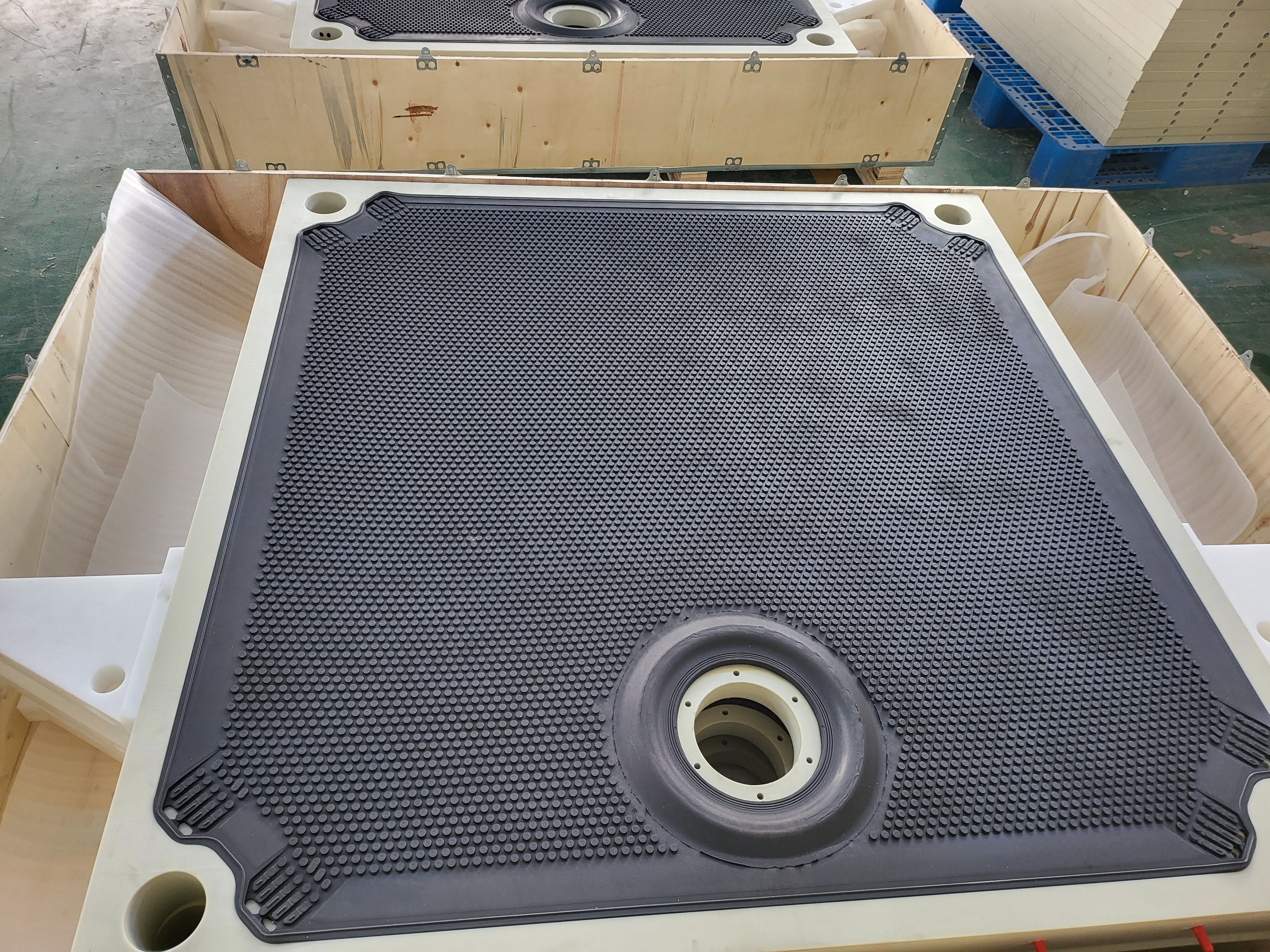
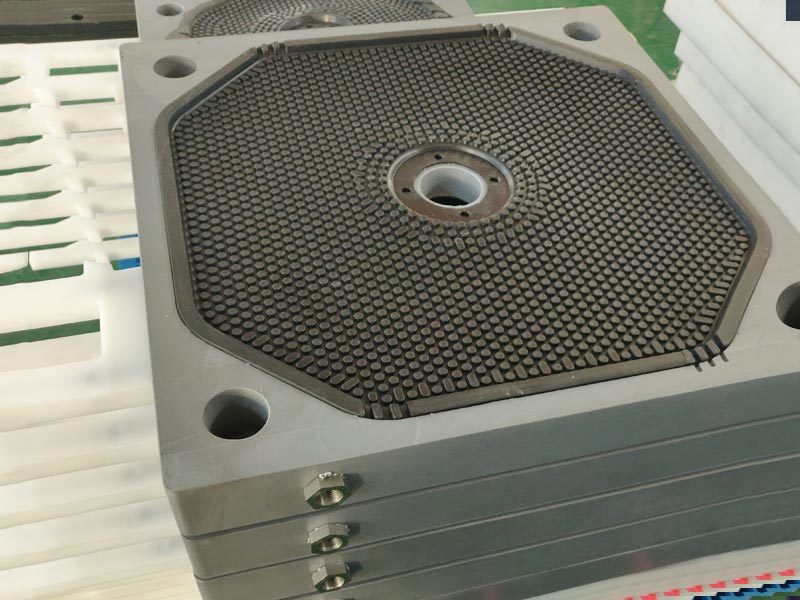
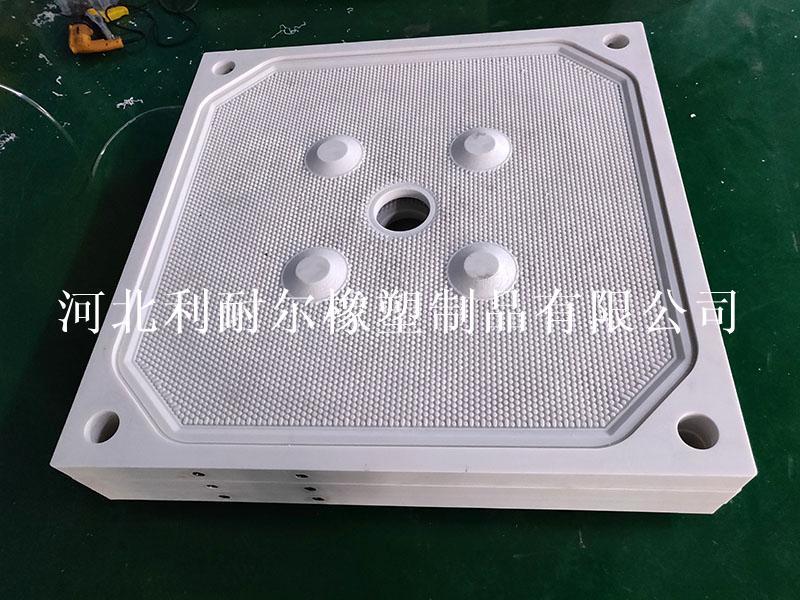
ProductMain products: vertical and horizontal imported and domestic filter plates, diaphragm plates, diaphragms and accessories; pinch valve sleeves and pinch valves and various mining accessories.
-
NewsIn 2013, our company's high-pressure cylinder with phenolic cloth support and guide ring obtained the national key new product certificate, project number: 2013GRA20011; its products in coal cylinders and engineering hydrauli
-
ServiceWe will actively cooperate with more enthusiasm, strengthen internal management, expand the market externally, improve various performance indicators of existing products, and truly achieve our win-win situation!
-
RecruitmentOur company always adheres to the talent concept of "people-oriented", provides a growth platform for talents, and realizes the common growth and development of enterprises and talents.


language
English
العربية
বাংলাদেশ
Български
Hrvatski
Česky
Dansk
Nederland
 Esperanto
Slovenski
Filipino
Suomi
Français
Maori
 Shqiptare
Georgian
 Euskara
Deutsch
Ελλάδα
ישראל
इंडिया
Magyarország
Ísland
Indonesia
Irlanda
Italia
日本語
Sovensko
Հայաստան
한국
Kyrgyz
ປະເທດລາວ
 Zulu
Zulu
Latvian
Lithuanian
Luxembourgish
 Latinus
Macedonian
Малайская
Maltese
Монгол улс
 Cymraeg
ဗမာ
 தமிழ்
தமிழ்
नेपाल
Norge
ایران
Polska
Portugal
România
Российская
Србија
 Slovak
Србија
 Slovak
Bosanski
Slovenian
Беларус
España
Sverige
Точик
ประเทศไทย
Türk
Azərbaycan
Uzbek
 Afrikaans
Việt Nam

A Guide to Pinch Valves: Applications, Benefits, and Operation
Release time:
2023-11-25
Introduction: Pinch valves are essential components in the industrial equipment and components sector, specifically in the valve category. They offer unique advantages and find applications in various industries. This article explores the world of pinch valves, their applications, benefits, and how they operate. 1. What are Pinch Valves? Pinch valves are mechanical devices used to control the flow
Introduction:
Pinch valves are essential components in the industrial equipment and components sector, specifically in the valve category. They offer unique advantages and find applications in various industries. This article explores the world of pinch valves, their applications, benefits, and how they operate.
1. What are Pinch Valves?
Pinch valves are mechanical devices used to control the flow of fluids through a pipe or tubing by pinching or compressing a flexible tube or sleeve. They provide a simple yet effective mechanism for regulating the flow and are commonly used in situations where cleanliness, reliability, and versatility are crucial.
2. Applications of Pinch Valves:
Pinch valves find applications in a wide range of industries, including:
- Water and wastewater treatment: Pinch valves are used to control the flow of fluids in water and wastewater treatment plants, ensuring efficient operation and preventing contamination.
- Mining and minerals: In mining operations, pinch valves are employed to handle abrasive and corrosive materials, allowing for efficient transport and control of slurry.
- Pharmaceutical and biotechnology: These industries rely on pinch valves for their ability to maintain sterile conditions, making them suitable for applications in drug manufacturing and laboratory settings.
- Food and beverage: Pinch valves are used in processes that require precise control over the flow of ingredients or products, such as in food processing and bottling plants.
- Chemical and petrochemical: Pinch valves can handle a wide range of chemical fluids, making them suitable for applications in chemical manufacturing, oil refineries, and petrochemical plants.
3. Benefits of Pinch Valves:
- Versatility: Pinch valves can handle various fluids, including thick, abrasive, corrosive, and viscous substances, making them adaptable to different industries and applications.
- Easy maintenance: Their simple design and few moving parts make pinch valves easy to maintain and repair, minimizing downtime and improving overall efficiency.
- Cost-effective: Pinch valves are often more affordable compared to other valve types, providing cost savings without compromising performance or reliability.
- Contamination prevention: The pinching action of these valves ensures a tight seal, preventing cross-contamination between different fluids in the system.
- Self-cleaning: As the flexible tube or sleeve is pinched, any debris or buildup is cleared, resulting in a self-cleaning effect that enhances the valve's longevity and performance.
In conclusion, pinch valves play a crucial role in the industrial equipment and components sector, specifically in the realm of valves. Their applications span across various industries, offering advantages such as versatility, easy maintenance, and contamination prevention. By understanding the benefits and operation of pinch valves, professionals in different sectors can make informed decisions regarding their implementation.
Pinch valves are essential components in the industrial equipment and components sector, specifically in the valve category. They offer unique advantages and find applications in various industries. This article explores the world of pinch valves, their applications, benefits, and how they operate.
1. What are Pinch Valves?
Pinch valves are mechanical devices used to control the flow of fluids through a pipe or tubing by pinching or compressing a flexible tube or sleeve. They provide a simple yet effective mechanism for regulating the flow and are commonly used in situations where cleanliness, reliability, and versatility are crucial.
2. Applications of Pinch Valves:
Pinch valves find applications in a wide range of industries, including:
- Water and wastewater treatment: Pinch valves are used to control the flow of fluids in water and wastewater treatment plants, ensuring efficient operation and preventing contamination.
- Mining and minerals: In mining operations, pinch valves are employed to handle abrasive and corrosive materials, allowing for efficient transport and control of slurry.
- Pharmaceutical and biotechnology: These industries rely on pinch valves for their ability to maintain sterile conditions, making them suitable for applications in drug manufacturing and laboratory settings.
- Food and beverage: Pinch valves are used in processes that require precise control over the flow of ingredients or products, such as in food processing and bottling plants.
- Chemical and petrochemical: Pinch valves can handle a wide range of chemical fluids, making them suitable for applications in chemical manufacturing, oil refineries, and petrochemical plants.
3. Benefits of Pinch Valves:
- Versatility: Pinch valves can handle various fluids, including thick, abrasive, corrosive, and viscous substances, making them adaptable to different industries and applications.
- Easy maintenance: Their simple design and few moving parts make pinch valves easy to maintain and repair, minimizing downtime and improving overall efficiency.
- Cost-effective: Pinch valves are often more affordable compared to other valve types, providing cost savings without compromising performance or reliability.
- Contamination prevention: The pinching action of these valves ensures a tight seal, preventing cross-contamination between different fluids in the system.
- Self-cleaning: As the flexible tube or sleeve is pinched, any debris or buildup is cleared, resulting in a self-cleaning effect that enhances the valve's longevity and performance.
In conclusion, pinch valves play a crucial role in the industrial equipment and components sector, specifically in the realm of valves. Their applications span across various industries, offering advantages such as versatility, easy maintenance, and contamination prevention. By understanding the benefits and operation of pinch valves, professionals in different sectors can make informed decisions regarding their implementation.
Related News