
-
AboutHebei Linaier Rubber Products Co., Ltd. is located in Duqiao Industrial Zone, Jingxian City, Hebei Province, adjacent to Dezhou, Shandong. Founded in early 2001 with a registered capital of 35 million yuan, it is a scientific

-
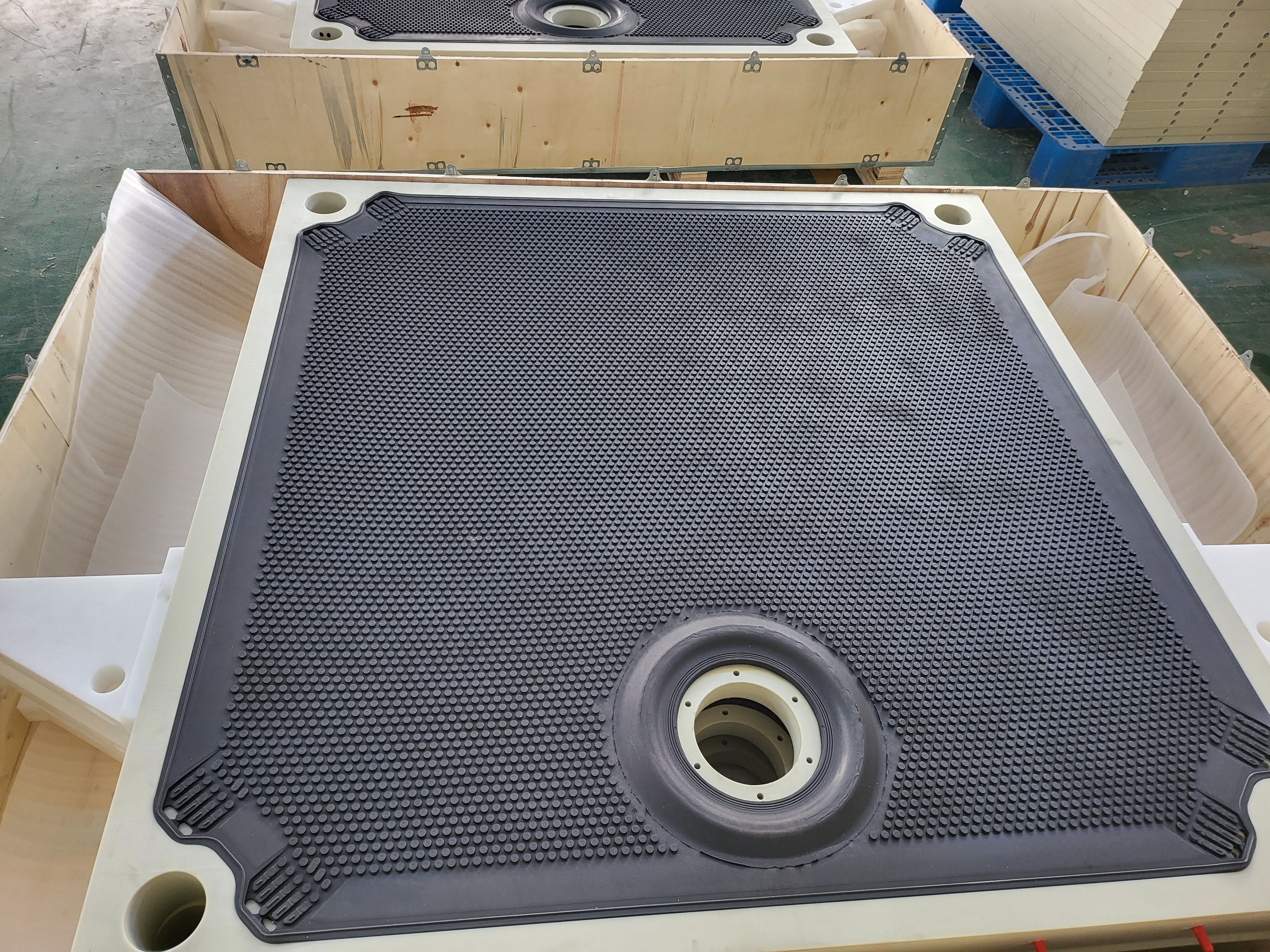
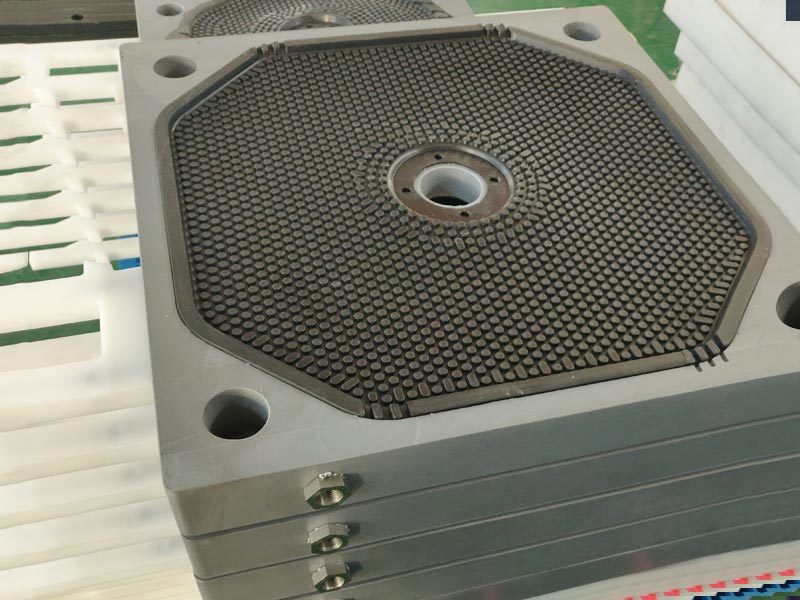
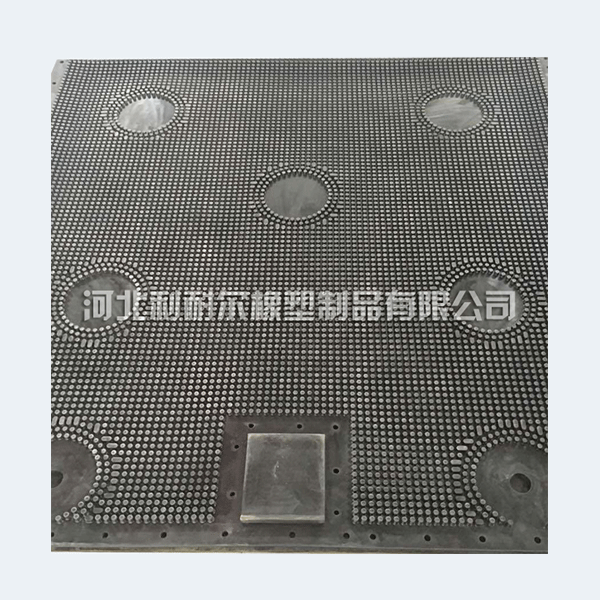
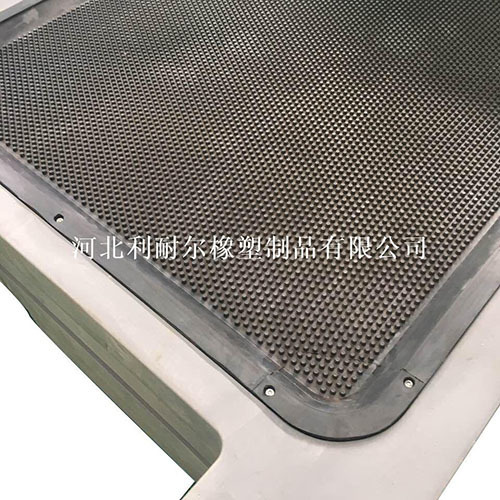
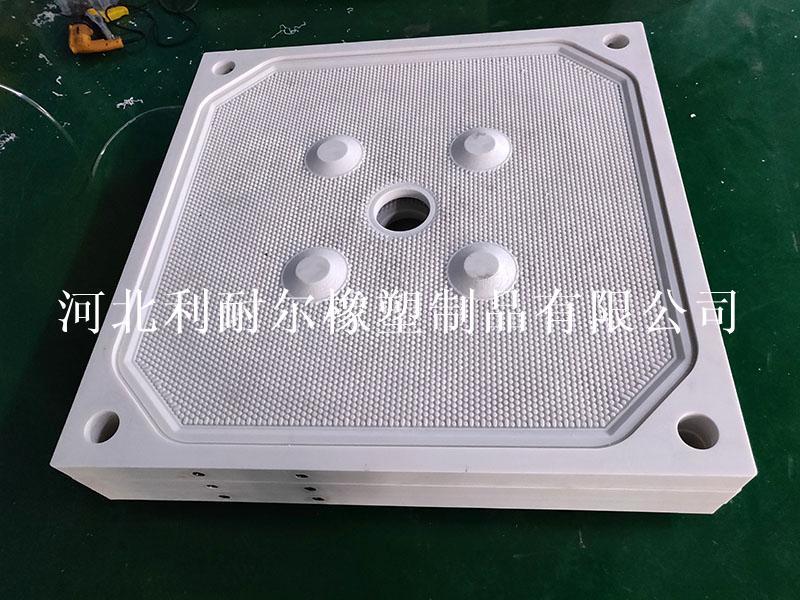
ProductMain products: vertical and horizontal imported and domestic filter plates, diaphragm plates, diaphragms and accessories; pinch valve sleeves and pinch valves and various mining accessories.
-
NewsIn 2013, our company's high-pressure cylinder with phenolic cloth support and guide ring obtained the national key new product certificate, project number: 2013GRA20011; its products in coal cylinders and engineering hydrauli
-
ServiceWe will actively cooperate with more enthusiasm, strengthen internal management, expand the market externally, improve various performance indicators of existing products, and truly achieve our win-win situation!
-
RecruitmentOur company always adheres to the talent concept of "people-oriented", provides a growth platform for talents, and realizes the common growth and development of enterprises and talents.


language
English
العربية
বাংলাদেশ
Български
Hrvatski
Česky
Dansk
Nederland
 Esperanto
Slovenski
Filipino
Suomi
Français
Maori
 Shqiptare
Georgian
 Euskara
Deutsch
Ελλάδα
ישראל
इंडिया
Magyarország
Ísland
Indonesia
Irlanda
Italia
日本語
Sovensko
Հայաստան
한국
Kyrgyz
ປະເທດລາວ
 Zulu
Zulu
Latvian
Lithuanian
Luxembourgish
 Latinus
Macedonian
Малайская
Maltese
Монгол улс
 Cymraeg
ဗမာ
 தமிழ்
தமிழ்
नेपाल
Norge
ایران
Polska
Portugal
România
Российская
Србија
 Slovak
Србија
 Slovak
Bosanski
Slovenian
Беларус
España
Sverige
Точик
ประเทศไทย
Türk
Azərbaycan
Uzbek
 Afrikaans
Việt Nam

Pinch Valve: A Reliable Solution for Industrial Applications
Release time:
2023-11-25
Introduction: Pinch valves, a type of valve widely used in the industrial equipment and components sector, offer a reliable and efficient solution for controlling the flow of various media. In this article, we will explore the fundamental aspects of pinch valves, their applications, and the benefits they bring to different industries. 1. What is a Pinch Valve? A pinch valve is a linear motion valv
Introduction:
Pinch valves, a type of valve widely used in the industrial equipment and components sector, offer a reliable and efficient solution for controlling the flow of various media. In this article, we will explore the fundamental aspects of pinch valves, their applications, and the benefits they bring to different industries.
1. What is a Pinch Valve?
A pinch valve is a linear motion valve that controls the flow of a fluid by pinching or squeezing a flexible tube or sleeve. By compressing the tube, the valve can effectively shut off or control the flow of liquids, powders, slurries, and other media.
2. Working Principle:
Pinch valves operate on a straightforward principle. When the valve is in the open position, the flexible tube remains unobstructed, allowing the media to flow freely. To close the valve, the mechanism compresses the tube, effectively stopping the flow. This simple yet effective design makes pinch valves reliable and suitable for diverse applications.
3. Applications of Pinch Valves:
Pinch valves find applications in various industries, including:
- Chemical and petrochemical: Pinch valves are resistant to corrosive and abrasive media, making them suitable for handling chemicals and petrochemicals.
- Water and wastewater treatment: Pinch valves play a vital role in controlling the flow of liquids and slurries in water and wastewater treatment plants.
- Mining and minerals: Pinch valves are used in mining operations to regulate the flow of abrasive slurries and tailings.
- Pharmaceutical and food processing: Pinch valves offer hygienic and contamination-free operation, making them ideal for pharmaceutical and food processing applications.
- Pulp and paper: Pinch valves are utilized in pulp and paper mills to handle various fluids and suspensions.
4. Benefits of Pinch Valves:
- Versatility: Pinch valves can handle a wide range of media, including corrosive fluids, abrasive slurries, and viscous substances.
- Reliable shut-off: With no mechanical parts in contact with the media, pinch valves provide a reliable shut-off, preventing leakage and ensuring process integrity.
- Low maintenance: Pinch valves have a simple design with minimal moving parts, reducing the need for frequent maintenance and minimizing downtime.
- Cost-effective: The initial investment and operational costs of pinch valves are often lower compared to other valve types, making them a cost-effective choice for many applications.
- Easy installation: Pinch valves are relatively easy to install, thanks to their simple design and minimal piping requirements.
In conclusion, pinch valves serve as crucial components in various industrial applications. Their reliability, versatility, and cost-effectiveness make them an ideal choice for controlling the flow of media in industries ranging from chemical processing to water treatment. Consider incorporating pinch valves in your industrial equipment and components for efficient and reliable fluid flow control.
Pinch valves, a type of valve widely used in the industrial equipment and components sector, offer a reliable and efficient solution for controlling the flow of various media. In this article, we will explore the fundamental aspects of pinch valves, their applications, and the benefits they bring to different industries.
1. What is a Pinch Valve?
A pinch valve is a linear motion valve that controls the flow of a fluid by pinching or squeezing a flexible tube or sleeve. By compressing the tube, the valve can effectively shut off or control the flow of liquids, powders, slurries, and other media.
2. Working Principle:
Pinch valves operate on a straightforward principle. When the valve is in the open position, the flexible tube remains unobstructed, allowing the media to flow freely. To close the valve, the mechanism compresses the tube, effectively stopping the flow. This simple yet effective design makes pinch valves reliable and suitable for diverse applications.
3. Applications of Pinch Valves:
Pinch valves find applications in various industries, including:
- Chemical and petrochemical: Pinch valves are resistant to corrosive and abrasive media, making them suitable for handling chemicals and petrochemicals.
- Water and wastewater treatment: Pinch valves play a vital role in controlling the flow of liquids and slurries in water and wastewater treatment plants.
- Mining and minerals: Pinch valves are used in mining operations to regulate the flow of abrasive slurries and tailings.
- Pharmaceutical and food processing: Pinch valves offer hygienic and contamination-free operation, making them ideal for pharmaceutical and food processing applications.
- Pulp and paper: Pinch valves are utilized in pulp and paper mills to handle various fluids and suspensions.
4. Benefits of Pinch Valves:
- Versatility: Pinch valves can handle a wide range of media, including corrosive fluids, abrasive slurries, and viscous substances.
- Reliable shut-off: With no mechanical parts in contact with the media, pinch valves provide a reliable shut-off, preventing leakage and ensuring process integrity.
- Low maintenance: Pinch valves have a simple design with minimal moving parts, reducing the need for frequent maintenance and minimizing downtime.
- Cost-effective: The initial investment and operational costs of pinch valves are often lower compared to other valve types, making them a cost-effective choice for many applications.
- Easy installation: Pinch valves are relatively easy to install, thanks to their simple design and minimal piping requirements.
In conclusion, pinch valves serve as crucial components in various industrial applications. Their reliability, versatility, and cost-effectiveness make them an ideal choice for controlling the flow of media in industries ranging from chemical processing to water treatment. Consider incorporating pinch valves in your industrial equipment and components for efficient and reliable fluid flow control.
Related News