
-
AboutHebei Linaier Rubber Products Co., Ltd. is located in Duqiao Industrial Zone, Jingxian City, Hebei Province, adjacent to Dezhou, Shandong. Founded in early 2001 with a registered capital of 35 million yuan, it is a scientific

-
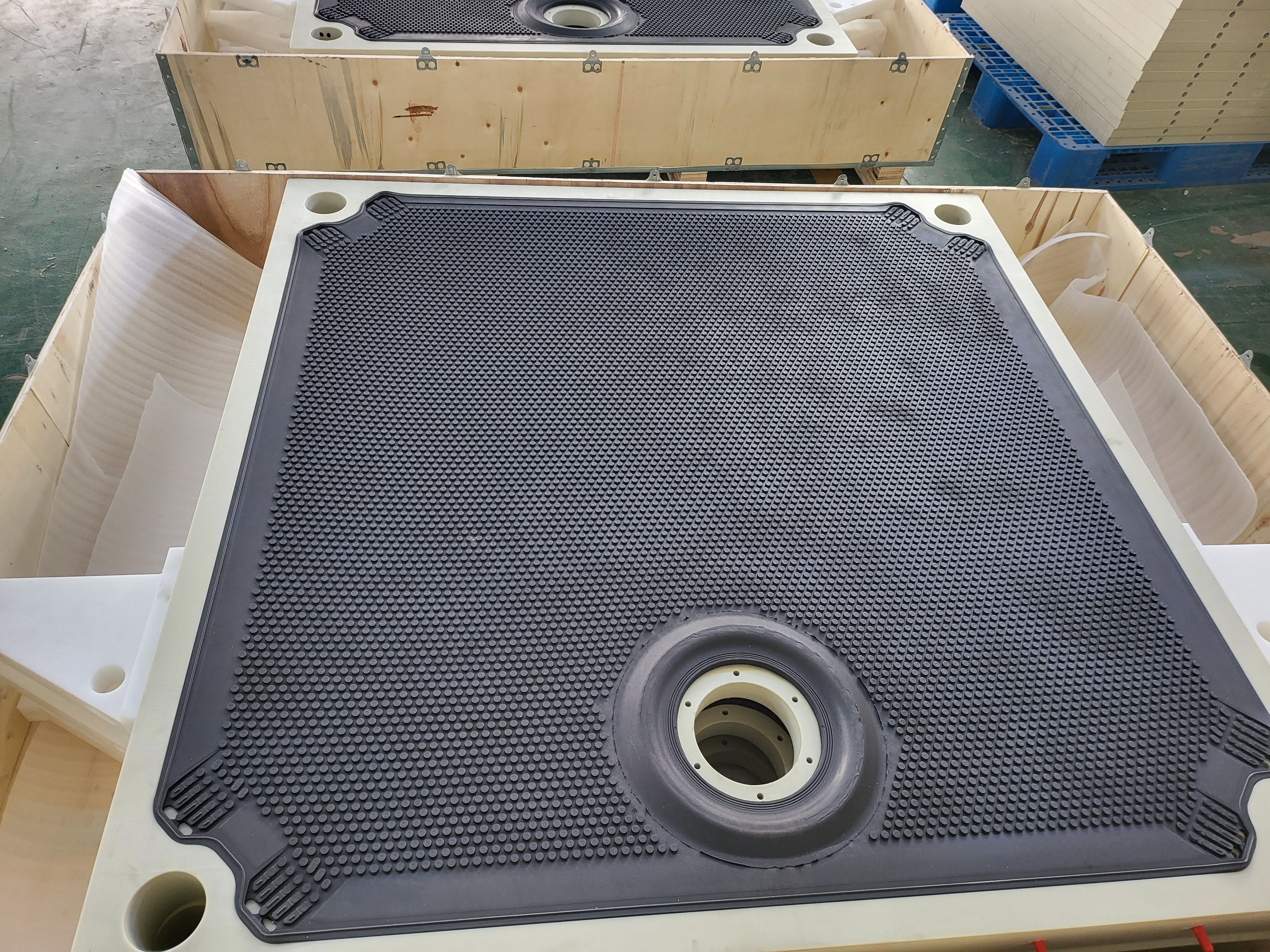
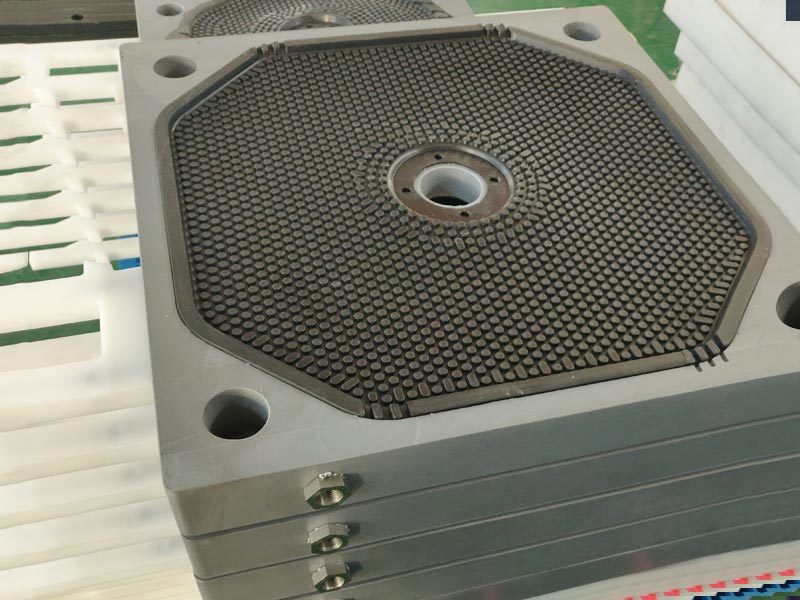
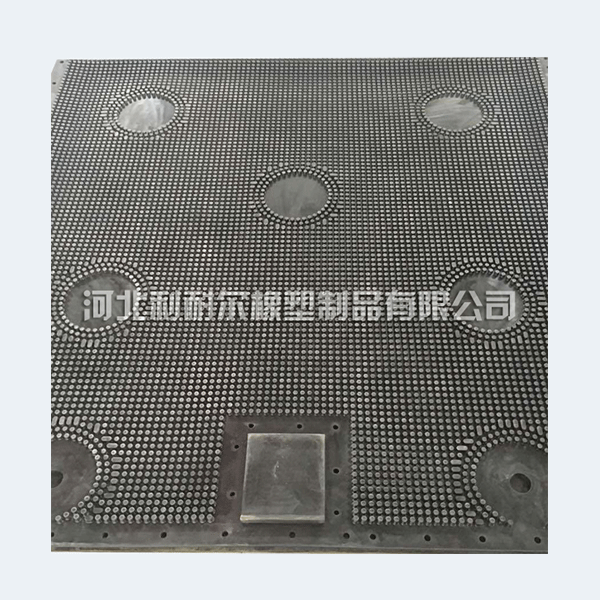
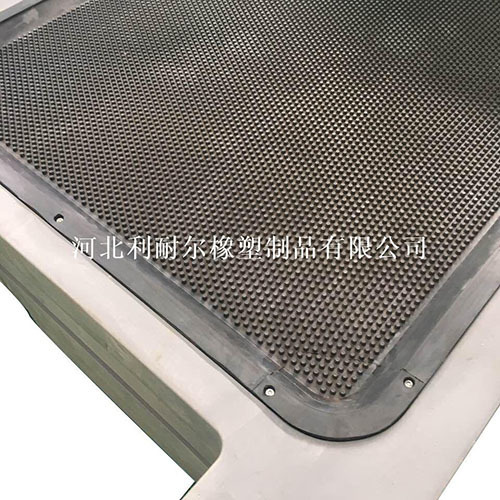
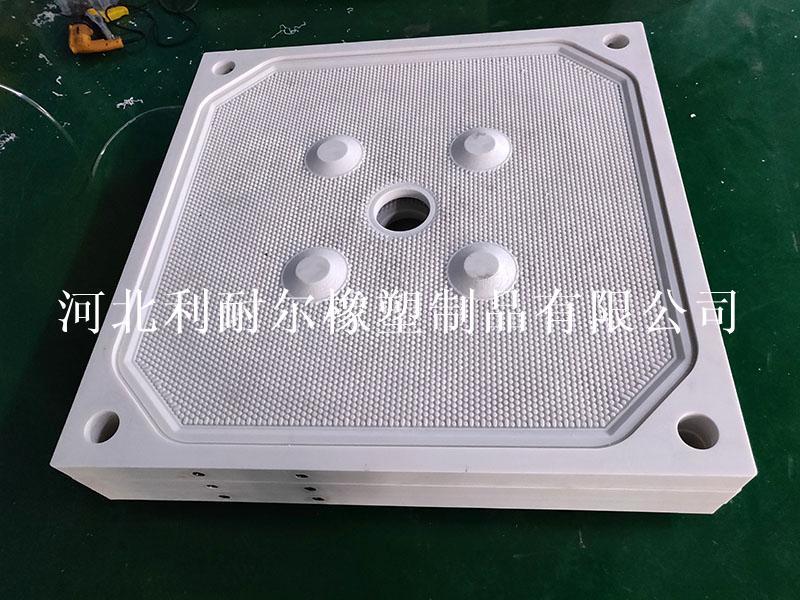
ProductMain products: vertical and horizontal imported and domestic filter plates, diaphragm plates, diaphragms and accessories; pinch valve sleeves and pinch valves and various mining accessories.
-
NewsIn 2013, our company's high-pressure cylinder with phenolic cloth support and guide ring obtained the national key new product certificate, project number: 2013GRA20011; its products in coal cylinders and engineering hydrauli
-
ServiceWe will actively cooperate with more enthusiasm, strengthen internal management, expand the market externally, improve various performance indicators of existing products, and truly achieve our win-win situation!
-
RecruitmentOur company always adheres to the talent concept of "people-oriented", provides a growth platform for talents, and realizes the common growth and development of enterprises and talents.


language
English
العربية
বাংলাদেশ
Български
Hrvatski
Česky
Dansk
Nederland
 Esperanto
Slovenski
Filipino
Suomi
Français
Maori
 Shqiptare
Georgian
 Euskara
Deutsch
Ελλάδα
ישראל
इंडिया
Magyarország
Ísland
Indonesia
Irlanda
Italia
日本語
Sovensko
Հայաստան
한국
Kyrgyz
ປະເທດລາວ
 Zulu
Zulu
Latvian
Lithuanian
Luxembourgish
 Latinus
Macedonian
Малайская
Maltese
Монгол улс
 Cymraeg
ဗမာ
 தமிழ்
தமிழ்
नेपाल
Norge
ایران
Polska
Portugal
România
Российская
Србија
 Slovak
Србија
 Slovak
Bosanski
Slovenian
Беларус
España
Sverige
Точик
ประเทศไทย
Türk
Azərbaycan
Uzbek
 Afrikaans
Việt Nam

Release time:
2023-11-25
Table of Contents 1. Introduction: Understanding Pinch Valves 2. Advantages of Pinch Valves 3. Working Principle of Pinch Valves 4. Pinch Valve Applications in Industrial Equipment 4.1. Chemical Processing 4.2. Water and Wastewater Treatment 4.3. Pharmaceutical and Biotechnology 4.4. Food and Beverage 4.5. Mining and Minerals 4.6. Oil and Gas 4.7. Power Generation 5. Pinch Val
Table of Contents
1. Introduction: Understanding Pinch Valves
2. Advantages of Pinch Valves
3. Working Principle of Pinch Valves
4. Pinch Valve Applications in Industrial Equipment
4.1. Chemical Processing
4.2. Water and Wastewater Treatment
4.3. Pharmaceutical and Biotechnology
4.4. Food and Beverage
4.5. Mining and Minerals
4.6. Oil and Gas
4.7. Power Generation
5. Pinch Valves in Specialized Industries
5.1. Medical and Healthcare
5.2. Semiconductor and Electronics
5.3. Automotive and Transportation
6. Pinch Valve Selection Guide
6.1. Factors to Consider
6.2. Different Types of Pinch Valves
6.3. Choosing the Right Pinch Valve for Your Application
7. Tips for Maintaining Pinch Valves
7.1. Regular Inspection and Cleaning
7.2. Replacing Worn Sleeves
7.3. Lubrication and Sealing
8. Frequently Asked Questions (FAQs)
8.1. What are the advantages of pinch valves over other valve types?
8.2. Can pinch valves handle abrasive fluids?
8.3. Are pinch valves suitable for high-pressure applications?
8.4. How do pinch valves prevent leakage?
8.5. Can pinch valves be automated?
9. Conclusion: Harnessing the Power of Pinch Valves for Enhanced Industrial Processes
Pinch valves are innovative devices used in a wide range of industrial applications. Unlike traditional valves, pinch valves utilize a flexible elastomer sleeve to control the flow of fluid or gas. They offer superior performance, reliability, and cost-effectiveness, making them a popular choice for various industries.
Pinch valves offer numerous advantages over other valve types. Their key benefits include:
1. Unrestricted Flow: Pinch valves provide straight-through flow with minimal pressure drop, ensuring efficient fluid or gas transfer.
2. Solids Handling Capability: The flexible sleeve design allows pinch valves to handle particulate-laden fluids without clogging or damage.
3. Biocompatibility: Pinch valves made from FDA-approved materials are suitable for use in food, pharmaceutical, and medical applications.
4. Easy Maintenance: Pinch valves require minimal maintenance, with the elastomer sleeve being the only component that needs periodic replacement.
5. Bubble-Tight Shut-off: Pinch valves provide reliable shut-off, preventing leaks and ensuring safety in critical processes.
6. Cost-Effective: Pinch valves offer a cost-effective solution due to their simple design, low maintenance requirements, and extended service life.
Pinch valves operate on a simple yet effective principle. The valve body houses a flexible elastomer sleeve, which can be compressed or released to control the flow of fluid or gas. When the sleeve is compressed, it creates a pinching effect, tightly sealing the passage and stopping the flow. Releasing the sleeve allows the flow to resume. This straightforward mechanism ensures reliable and precise control in various applications.
Pinch valves find extensive applications in diverse industrial equipment. Let's explore some of the key industries that benefit from pinch valve solutions.
In chemical processing plants, pinch valves are used for controlling the flow of corrosive chemicals, acids, and alkalis. Their resistance to chemical corrosion, coupled with their ability to handle abrasive slurries, makes pinch valves an ideal choice in this industry.
Pinch valves play a crucial role in water and wastewater treatment facilities. They effectively control the flow of various liquids, including raw water, chemicals, sludge, and effluent. Their ability to handle solids and abrasive media ensures reliable operation in these demanding environments.
The pharmaceutical and biotechnology industries require precise control over fluid transfer to ensure product safety and quality. Pinch valves, with their hygienic design and biocompatibility, are widely used for controlling the flow of liquids, gases, and sterile fluids in these highly regulated industries.
Pinch valves find extensive applications in the food and beverage industry, where strict hygiene standards and product purity are essential. They are commonly used for controlling the flow of liquid and viscous media, such as juices, sauces, dairy products, and beer. The FDA-approved materials used in pinch valves make them suitable for direct contact with food.
In mining and minerals processing, pinch valves are used for controlling the flow of abrasive slurries, tailings, and mineral concentrates. Their ability to handle solids and resist wear and abrasion ensures reliable operation in harsh conditions.
Pinch valves play a vital role in the oil and gas industry, where they are used for controlling the flow of various fluids, including crude oil, natural gas, and drilling mud. Their robust construction and resistance to harsh operating conditions make them suitable for offshore and onshore applications.
Pinch valves are utilized in power generation plants for controlling the flow of steam, condensate, and cooling water. Their ability to handle high temperatures and pressures, along with their bubble-tight shut-off, ensures safe and efficient operation in power generation applications.
Apart from the industries mentioned above, pinch valves find applications in specialized sectors as well.
The medical and healthcare sectors utilize pinch valves in various medical devices and equipment. These valves are integral to applications such as blood analyzers, dialysis machines, respiratory devices, and drug delivery systems.
Pinch valves are widely used in semiconductor and electronics manufacturing processes. They provide precise control over the flow of chemicals and gases used in chip fabrication, wafer cleaning, and other critical operations.
In the automotive and transportation industries, pinch valves are employed in fuel handling systems, engine coolant circuits, and air brake systems. Their ability to withstand harsh automotive fluids and provide reliable shut-off ensures optimal performance and safety.
Choosing the right pinch valve for your specific application is crucial. Consider the following factors during the selection process:
- Media Compatibility: Ensure the pinch valve materials are compatible with the fluid or gas being handled.
- Pressure and Temperature: Select a pinch valve that can withstand the operating pressure and temperature conditions of your application.
- Flow Rate: Determine the required flow rate and choose a pinch valve size that can handle the desired flow capacity.
- Sleeve Material: Different elastomer materials offer varying resistance to chemicals, abrasion, and temperature. Choose the most suitable sleeve material for your application.
- Air Operated Pinch Valves: Compressed air is used to squeeze and release the elastomer sleeve, controlling the flow.
- Manual Pinch Valves: These valves require manual actuation to pinch or release the sleeve.
- Hydraulic Pinch Valves: Fluid pressure is utilized to control the sleeve, making them suitable for high-pressure applications.
- Electrically Actuated Pinch Valves: These valves use an electric actuator to control the sleeve, allowing for remote operation and automation.
Consult with pinch valve manufacturers or distributors to ensure you select the optimal valve for your specific requirements. Provide them with detailed information about your application parameters, and they can guide you in choosing the most suitable pinch valve.
To ensure the longevity and optimal performance of pinch valves, follow these maintenance tips:
Periodically inspect the valve body, sleeve, and actuation mechanism for signs of wear, corrosion, or damage. Clean the valve components as recommended by the manufacturer to remove any debris or contaminants.
The elastomer sleeve is the most critical component of a pinch valve. Regularly check for signs of wear or deterioration and replace the sleeve when necessary. Ensure you use the correct sleeve material for your application.
Apply appropriate lubrication to the actuation mechanism to ensure smooth operation. Inspect and replace seals as needed to maintain a leak-free system.
Pinch valves offer advantages such as unrestricted flow, solids handling capability, easy maintenance, and cost-effectiveness compared to other valve types. They provide bubble-tight shut-off and are suitable for abrasive media.
Yes, pinch valves are specifically designed to handle abrasive fluids and slurries without clogging or damage. The flexible sleeve design allows them to pass particulates and solids.
Yes, hydraulic and electrically actuated pinch valves are suitable for high-pressure applications. They can withstand elevated pressures and provide reliable shut-off.
When the elastomer sleeve is compressed, it creates a tight seal, preventing leakage. The pinch valve's design ensures bubble-tight shut-off, enhancing safety and operational efficiency.
Yes, pinch valves can be automated using electric or pneumatic actuators. Automation enables remote control, precise regulation, and integration into complex process control systems.
Pinch valves offer a versatile and efficient solution for controlling the flow of fluids and gases in various industrial applications. Their unique design, coupled with numerous advantages, makes them indispensable in industries ranging from chemical processing to healthcare. By selecting the right pinch valve and following proper maintenance practices, businesses can optimize their operational efficiency, improve product quality, and ensure the safety of their processes. Embrace the power of pinch valves and unlock their potential for enhancing your industrial processes.
1. Introduction: Understanding Pinch Valves
2. Advantages of Pinch Valves
3. Working Principle of Pinch Valves
4. Pinch Valve Applications in Industrial Equipment
4.1. Chemical Processing
4.2. Water and Wastewater Treatment
4.3. Pharmaceutical and Biotechnology
4.4. Food and Beverage
4.5. Mining and Minerals
4.6. Oil and Gas
4.7. Power Generation
5. Pinch Valves in Specialized Industries
5.1. Medical and Healthcare
5.2. Semiconductor and Electronics
5.3. Automotive and Transportation
6. Pinch Valve Selection Guide
6.1. Factors to Consider
6.2. Different Types of Pinch Valves
6.3. Choosing the Right Pinch Valve for Your Application
7. Tips for Maintaining Pinch Valves
7.1. Regular Inspection and Cleaning
7.2. Replacing Worn Sleeves
7.3. Lubrication and Sealing
8. Frequently Asked Questions (FAQs)
8.1. What are the advantages of pinch valves over other valve types?
8.2. Can pinch valves handle abrasive fluids?
8.3. Are pinch valves suitable for high-pressure applications?
8.4. How do pinch valves prevent leakage?
8.5. Can pinch valves be automated?
9. Conclusion: Harnessing the Power of Pinch Valves for Enhanced Industrial Processes
1. Introduction: Understanding Pinch Valves
Pinch valves are innovative devices used in a wide range of industrial applications. Unlike traditional valves, pinch valves utilize a flexible elastomer sleeve to control the flow of fluid or gas. They offer superior performance, reliability, and cost-effectiveness, making them a popular choice for various industries.
2. Advantages of Pinch Valves
Pinch valves offer numerous advantages over other valve types. Their key benefits include:
1. Unrestricted Flow: Pinch valves provide straight-through flow with minimal pressure drop, ensuring efficient fluid or gas transfer.
2. Solids Handling Capability: The flexible sleeve design allows pinch valves to handle particulate-laden fluids without clogging or damage.
3. Biocompatibility: Pinch valves made from FDA-approved materials are suitable for use in food, pharmaceutical, and medical applications.
4. Easy Maintenance: Pinch valves require minimal maintenance, with the elastomer sleeve being the only component that needs periodic replacement.
5. Bubble-Tight Shut-off: Pinch valves provide reliable shut-off, preventing leaks and ensuring safety in critical processes.
6. Cost-Effective: Pinch valves offer a cost-effective solution due to their simple design, low maintenance requirements, and extended service life.
3. Working Principle of Pinch Valves
Pinch valves operate on a simple yet effective principle. The valve body houses a flexible elastomer sleeve, which can be compressed or released to control the flow of fluid or gas. When the sleeve is compressed, it creates a pinching effect, tightly sealing the passage and stopping the flow. Releasing the sleeve allows the flow to resume. This straightforward mechanism ensures reliable and precise control in various applications.
4. Pinch Valve Applications in Industrial Equipment
Pinch valves find extensive applications in diverse industrial equipment. Let's explore some of the key industries that benefit from pinch valve solutions.
4.1. Chemical Processing
In chemical processing plants, pinch valves are used for controlling the flow of corrosive chemicals, acids, and alkalis. Their resistance to chemical corrosion, coupled with their ability to handle abrasive slurries, makes pinch valves an ideal choice in this industry.
4.2. Water and Wastewater Treatment
Pinch valves play a crucial role in water and wastewater treatment facilities. They effectively control the flow of various liquids, including raw water, chemicals, sludge, and effluent. Their ability to handle solids and abrasive media ensures reliable operation in these demanding environments.
4.3. Pharmaceutical and Biotechnology
The pharmaceutical and biotechnology industries require precise control over fluid transfer to ensure product safety and quality. Pinch valves, with their hygienic design and biocompatibility, are widely used for controlling the flow of liquids, gases, and sterile fluids in these highly regulated industries.
4.4. Food and Beverage
Pinch valves find extensive applications in the food and beverage industry, where strict hygiene standards and product purity are essential. They are commonly used for controlling the flow of liquid and viscous media, such as juices, sauces, dairy products, and beer. The FDA-approved materials used in pinch valves make them suitable for direct contact with food.
4.5. Mining and Minerals
In mining and minerals processing, pinch valves are used for controlling the flow of abrasive slurries, tailings, and mineral concentrates. Their ability to handle solids and resist wear and abrasion ensures reliable operation in harsh conditions.
4.6. Oil and Gas
Pinch valves play a vital role in the oil and gas industry, where they are used for controlling the flow of various fluids, including crude oil, natural gas, and drilling mud. Their robust construction and resistance to harsh operating conditions make them suitable for offshore and onshore applications.
4.7. Power Generation
Pinch valves are utilized in power generation plants for controlling the flow of steam, condensate, and cooling water. Their ability to handle high temperatures and pressures, along with their bubble-tight shut-off, ensures safe and efficient operation in power generation applications.
5. Pinch Valves in Specialized Industries
Apart from the industries mentioned above, pinch valves find applications in specialized sectors as well.
5.1. Medical and Healthcare
The medical and healthcare sectors utilize pinch valves in various medical devices and equipment. These valves are integral to applications such as blood analyzers, dialysis machines, respiratory devices, and drug delivery systems.
5.2. Semiconductor and Electronics
Pinch valves are widely used in semiconductor and electronics manufacturing processes. They provide precise control over the flow of chemicals and gases used in chip fabrication, wafer cleaning, and other critical operations.
5.3. Automotive and Transportation
In the automotive and transportation industries, pinch valves are employed in fuel handling systems, engine coolant circuits, and air brake systems. Their ability to withstand harsh automotive fluids and provide reliable shut-off ensures optimal performance and safety.
6. Pinch Valve Selection Guide
Choosing the right pinch valve for your specific application is crucial. Consider the following factors during the selection process:
6.1. Factors to Consider
- Media Compatibility: Ensure the pinch valve materials are compatible with the fluid or gas being handled.
- Pressure and Temperature: Select a pinch valve that can withstand the operating pressure and temperature conditions of your application.
- Flow Rate: Determine the required flow rate and choose a pinch valve size that can handle the desired flow capacity.
- Sleeve Material: Different elastomer materials offer varying resistance to chemicals, abrasion, and temperature. Choose the most suitable sleeve material for your application.
6.2. Different Types of Pinch Valves
- Air Operated Pinch Valves: Compressed air is used to squeeze and release the elastomer sleeve, controlling the flow.
- Manual Pinch Valves: These valves require manual actuation to pinch or release the sleeve.
- Hydraulic Pinch Valves: Fluid pressure is utilized to control the sleeve, making them suitable for high-pressure applications.
- Electrically Actuated Pinch Valves: These valves use an electric actuator to control the sleeve, allowing for remote operation and automation.
6.3. Choosing the Right Pinch Valve for Your Application
Consult with pinch valve manufacturers or distributors to ensure you select the optimal valve for your specific requirements. Provide them with detailed information about your application parameters, and they can guide you in choosing the most suitable pinch valve.
7. Tips for Maintaining Pinch Valves
To ensure the longevity and optimal performance of pinch valves, follow these maintenance tips:
7.1. Regular Inspection and Cleaning
Periodically inspect the valve body, sleeve, and actuation mechanism for signs of wear, corrosion, or damage. Clean the valve components as recommended by the manufacturer to remove any debris or contaminants.
7.2. Replacing Worn Sleeves
The elastomer sleeve is the most critical component of a pinch valve. Regularly check for signs of wear or deterioration and replace the sleeve when necessary. Ensure you use the correct sleeve material for your application.
7.3. Lubrication and Sealing
Apply appropriate lubrication to the actuation mechanism to ensure smooth operation. Inspect and replace seals as needed to maintain a leak-free system.
8. Frequently Asked Questions (FAQs)
8.1. What are the advantages of pinch valves over other valve types?
Pinch valves offer advantages such as unrestricted flow, solids handling capability, easy maintenance, and cost-effectiveness compared to other valve types. They provide bubble-tight shut-off and are suitable for abrasive media.
8.2. Can pinch valves handle abrasive fluids?
Yes, pinch valves are specifically designed to handle abrasive fluids and slurries without clogging or damage. The flexible sleeve design allows them to pass particulates and solids.
8.3. Are pinch valves suitable for high-pressure applications?
Yes, hydraulic and electrically actuated pinch valves are suitable for high-pressure applications. They can withstand elevated pressures and provide reliable shut-off.
8.4. How do pinch valves prevent leakage?
When the elastomer sleeve is compressed, it creates a tight seal, preventing leakage. The pinch valve's design ensures bubble-tight shut-off, enhancing safety and operational efficiency.
8.5. Can pinch valves be automated?
Yes, pinch valves can be automated using electric or pneumatic actuators. Automation enables remote control, precise regulation, and integration into complex process control systems.
9. Conclusion: Harnessing the Power of Pinch Valves for Enhanced Industrial Processes
Pinch valves offer a versatile and efficient solution for controlling the flow of fluids and gases in various industrial applications. Their unique design, coupled with numerous advantages, makes them indispensable in industries ranging from chemical processing to healthcare. By selecting the right pinch valve and following proper maintenance practices, businesses can optimize their operational efficiency, improve product quality, and ensure the safety of their processes. Embrace the power of pinch valves and unlock their potential for enhancing your industrial processes.
Related News