
-
AboutHebei Linaier Rubber Products Co., Ltd. is located in Duqiao Industrial Zone, Jingxian City, Hebei Province, adjacent to Dezhou, Shandong. Founded in early 2001 with a registered capital of 35 million yuan, it is a scientific

-
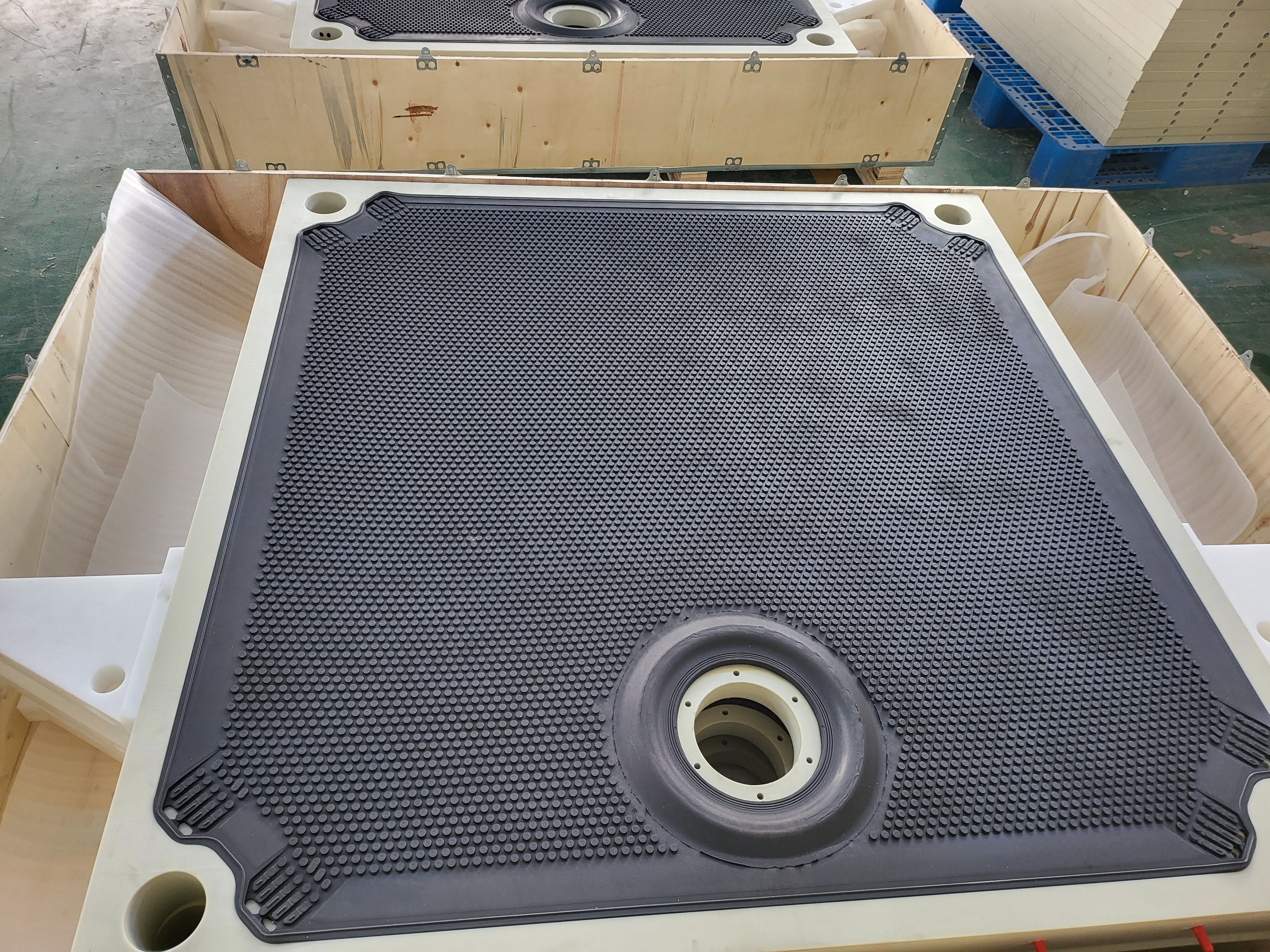
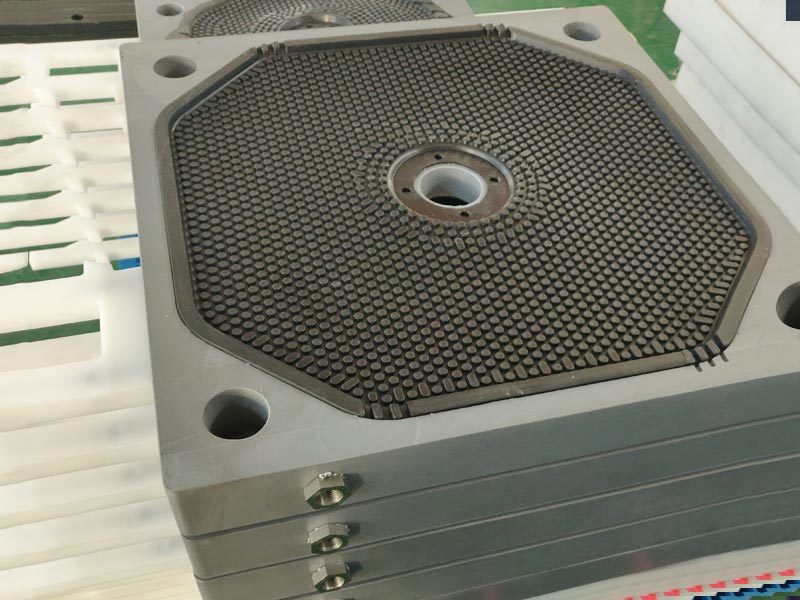
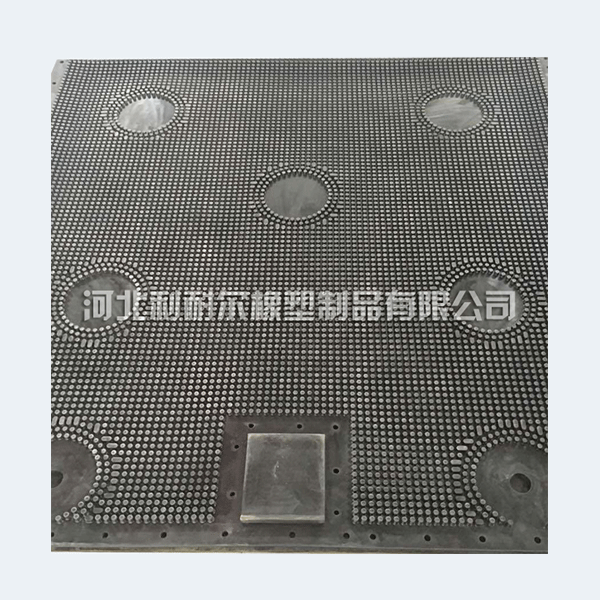
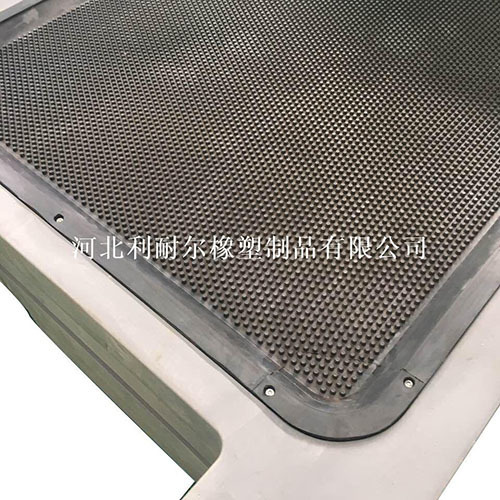
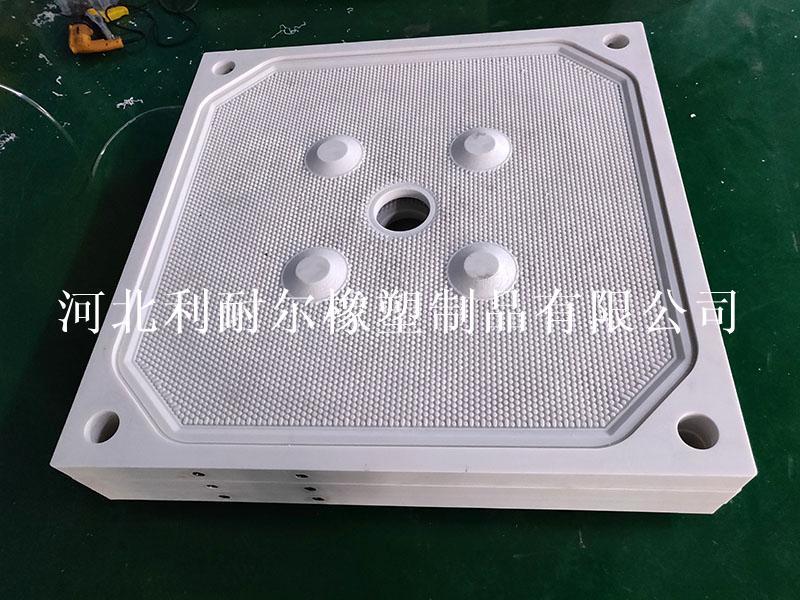
ProductMain products: vertical and horizontal imported and domestic filter plates, diaphragm plates, diaphragms and accessories; pinch valve sleeves and pinch valves and various mining accessories.
-
NewsIn 2013, our company's high-pressure cylinder with phenolic cloth support and guide ring obtained the national key new product certificate, project number: 2013GRA20011; its products in coal cylinders and engineering hydrauli
-
ServiceWe will actively cooperate with more enthusiasm, strengthen internal management, expand the market externally, improve various performance indicators of existing products, and truly achieve our win-win situation!
-
RecruitmentOur company always adheres to the talent concept of "people-oriented", provides a growth platform for talents, and realizes the common growth and development of enterprises and talents.


language
English
العربية
বাংলাদেশ
Български
Hrvatski
Česky
Dansk
Nederland
 Esperanto
Slovenski
Filipino
Suomi
Français
Maori
 Shqiptare
Georgian
 Euskara
Deutsch
Ελλάδα
ישראל
इंडिया
Magyarország
Ísland
Indonesia
Irlanda
Italia
日本語
Sovensko
Հայաստան
한국
Kyrgyz
ປະເທດລາວ
 Zulu
Zulu
Latvian
Lithuanian
Luxembourgish
 Latinus
Macedonian
Малайская
Maltese
Монгол улс
 Cymraeg
ဗမာ
 தமிழ்
தமிழ்
नेपाल
Norge
ایران
Polska
Portugal
România
Российская
Србија
 Slovak
Србија
 Slovak
Bosanski
Slovenian
Беларус
España
Sverige
Точик
ประเทศไทย
Türk
Azərbaycan
Uzbek
 Afrikaans
Việt Nam

The Ultimate Guide to Cloth Guide Rings: Everything You Need to Know
Release time:
2023-11-23
Table of Contents: 1. Introduction to Cloth Guide Rings 2. Types of Cloth Guide Rings 2.1 Flat Cloth Guide Rings 2.2 Spiral Cloth Guide Rings 2.3 Cylindrical Cloth Guide Rings 3. Applications of Cloth Guide Rings 3.1 Industrial Equipment 3.2 Automotive Industry 3.3 Medical Devices 4. Benefits of Using Cloth Guide Rings 4.1 Improved Precision 4.2 Reduced Friction and
Table of Contents:
1. Introduction to Cloth Guide Rings
2. Types of Cloth Guide Rings
2.1 Flat Cloth Guide Rings
2.2 Spiral Cloth Guide Rings
2.3 Cylindrical Cloth Guide Rings
3. Applications of Cloth Guide Rings
3.1 Industrial Equipment
3.2 Automotive Industry
3.3 Medical Devices
4. Benefits of Using Cloth Guide Rings
4.1 Improved Precision
4.2 Reduced Friction and Wear
4.3 Enhanced Sealing
5. Factors to Consider When Choosing Cloth Guide Rings
5.1 Material Compatibility
5.2 Temperature and Environmental Conditions
5.3 Size and Dimensions
5.4 Load Capacity
6. How to Install Cloth Guide Rings
6.1 Pre-Installation Preparation
6.2 Step-by-Step Installation Guide
7. Frequently Asked Questions (FAQs)
7.1 What are cloth guide rings made of?
7.2 Can cloth guide rings be customized?
7.3 How long do cloth guide rings typically last?
7.4 Can cloth guide rings withstand high temperatures?
7.5 Are cloth guide rings suitable for heavy-duty applications?
8. Conclusion
Cloth guide rings are essential components in various industrial equipment and machinery. They are used to guide and support moving parts, ensuring smooth motion and preventing damage to the equipment. These rings are typically made of high-quality materials that offer excellent wear resistance and durability.
Cloth guide rings come in different types, each designed for specific applications. The most common types include flat cloth guide rings, spiral cloth guide rings, and cylindrical cloth guide rings.
Flat cloth guide rings are commonly used in applications where linear motion is required. They provide stability and precision, allowing for smooth movement of components. These rings are often used in industries such as manufacturing, automation, and packaging.
Spiral cloth guide rings are designed to handle rotary motion. They are ideal for applications that involve rotating shafts or spindles. These rings provide effective sealing and reduce friction, ensuring optimal performance and extended equipment lifespan.
Cylindrical cloth guide rings are versatile and can be used in both linear and rotary motion applications. They offer excellent sealing capabilities and are commonly used in hydraulic and pneumatic systems. These rings are also suitable for applications that require high load capacities.
Cloth guide rings find applications in various industries and equipment. Some of the common industries that rely on these rings include:
Cloth guide rings play a crucial role in industrial equipment such as conveyors, linear bearings, and machine tools. They ensure smooth movement of components and enhance the overall efficiency and performance of the equipment.
In the automotive industry, cloth guide rings are used in steering systems, shock absorbers, and suspension systems. These rings provide stability, reduce friction, and enhance the durability of critical automotive components.
Medical devices require precision and reliability. Cloth guide rings are used in medical equipment such as surgical instruments, imaging devices, and laboratory equipment. They enable smooth and precise motion, ensuring accurate results and patient safety.
Using cloth guide rings in industrial equipment and machinery offers several advantages. Some of the key benefits include:
Cloth guide rings help maintain precise motion control, ensuring accurate positioning of components. This precision is crucial in applications where accuracy and repeatability are essential.
By providing a low-friction surface, cloth guide rings minimize wear and extend the lifespan of moving parts. They help reduce maintenance requirements and increase the overall efficiency of the equipment.
Cloth guide rings provide effective sealing, preventing the ingress of contaminants and protecting critical components from damage. This sealing capability is vital in applications where environmental conditions are challenging.
When selecting the right cloth guide rings for your specific needs, consider the following factors:
Ensure that the cloth guide rings are made of materials compatible with the fluids, chemicals, and temperatures present in your application. Different materials offer varying levels of resistance and durability.
Consider the operating temperature range and environmental conditions in which the cloth guide rings will be utilized. Some applications may require rings that withstand high temperatures or are resistant to corrosive substances.
Choose cloth guide rings that match the required size and dimensions of your equipment. Proper fitment is essential for optimal performance and longevity.
Determine the load capacity needed for your application. Cloth guide rings should be able to handle the anticipated loads without compromising performance or integrity.
Proper installation of cloth guide rings is crucial for their effective functioning. Follow these steps for a successful installation:
Ensure that the equipment is clean and free from debris. Lubricate the guide surfaces if necessary. Gather all the required tools and materials.
1. Identify the correct location for the cloth guide rings.
2. Slide the rings onto the desired shaft or rod, making sure they are properly aligned.
3. Apply gentle pressure to secure the rings in place, ensuring they are snug.
4. Test the motion of the equipment to ensure smooth operation.
Cloth guide rings are commonly made of materials such as PTFE, nylon, or polyester. These materials offer excellent wear resistance and durability.
Yes, cloth guide rings can be customized to meet specific requirements. Manufacturers can tailor the dimensions, materials, and other properties to suit individual applications.
The lifespan of cloth guide rings depends on various factors, including the operating conditions and maintenance practices. With proper care and maintenance, they can last for a considerable period.
Certain materials used in cloth guide rings, such as PTFE, have excellent heat resistance and can withstand high temperatures. However, it is crucial to choose the appropriate material for your specific temperature requirements.
Yes, cloth guide rings are suitable for heavy-duty applications. They are designed to handle significant loads and provide reliable performance in demanding environments.
In conclusion, cloth guide rings are vital components in various industries, providing stability, precision, and sealing capabilities. Understanding the different types, applications, benefits, and factors to consider when selecting cloth guide rings is essential for optimal performance and longevity. By following proper installation procedures and considering specific requirements, you can ensure the successful integration of cloth guide rings into your industrial equipment.
1. Introduction to Cloth Guide Rings
2. Types of Cloth Guide Rings
2.1 Flat Cloth Guide Rings
2.2 Spiral Cloth Guide Rings
2.3 Cylindrical Cloth Guide Rings
3. Applications of Cloth Guide Rings
3.1 Industrial Equipment
3.2 Automotive Industry
3.3 Medical Devices
4. Benefits of Using Cloth Guide Rings
4.1 Improved Precision
4.2 Reduced Friction and Wear
4.3 Enhanced Sealing
5. Factors to Consider When Choosing Cloth Guide Rings
5.1 Material Compatibility
5.2 Temperature and Environmental Conditions
5.3 Size and Dimensions
5.4 Load Capacity
6. How to Install Cloth Guide Rings
6.1 Pre-Installation Preparation
6.2 Step-by-Step Installation Guide
7. Frequently Asked Questions (FAQs)
7.1 What are cloth guide rings made of?
7.2 Can cloth guide rings be customized?
7.3 How long do cloth guide rings typically last?
7.4 Can cloth guide rings withstand high temperatures?
7.5 Are cloth guide rings suitable for heavy-duty applications?
8. Conclusion
1. Introduction to Cloth Guide Rings
Cloth guide rings are essential components in various industrial equipment and machinery. They are used to guide and support moving parts, ensuring smooth motion and preventing damage to the equipment. These rings are typically made of high-quality materials that offer excellent wear resistance and durability.
2. Types of Cloth Guide Rings
Cloth guide rings come in different types, each designed for specific applications. The most common types include flat cloth guide rings, spiral cloth guide rings, and cylindrical cloth guide rings.
2.1 Flat Cloth Guide Rings
Flat cloth guide rings are commonly used in applications where linear motion is required. They provide stability and precision, allowing for smooth movement of components. These rings are often used in industries such as manufacturing, automation, and packaging.
2.2 Spiral Cloth Guide Rings
Spiral cloth guide rings are designed to handle rotary motion. They are ideal for applications that involve rotating shafts or spindles. These rings provide effective sealing and reduce friction, ensuring optimal performance and extended equipment lifespan.
2.3 Cylindrical Cloth Guide Rings
Cylindrical cloth guide rings are versatile and can be used in both linear and rotary motion applications. They offer excellent sealing capabilities and are commonly used in hydraulic and pneumatic systems. These rings are also suitable for applications that require high load capacities.
3. Applications of Cloth Guide Rings
Cloth guide rings find applications in various industries and equipment. Some of the common industries that rely on these rings include:
3.1 Industrial Equipment
Cloth guide rings play a crucial role in industrial equipment such as conveyors, linear bearings, and machine tools. They ensure smooth movement of components and enhance the overall efficiency and performance of the equipment.
3.2 Automotive Industry
In the automotive industry, cloth guide rings are used in steering systems, shock absorbers, and suspension systems. These rings provide stability, reduce friction, and enhance the durability of critical automotive components.
3.3 Medical Devices
Medical devices require precision and reliability. Cloth guide rings are used in medical equipment such as surgical instruments, imaging devices, and laboratory equipment. They enable smooth and precise motion, ensuring accurate results and patient safety.
4. Benefits of Using Cloth Guide Rings
Using cloth guide rings in industrial equipment and machinery offers several advantages. Some of the key benefits include:
4.1 Improved Precision
Cloth guide rings help maintain precise motion control, ensuring accurate positioning of components. This precision is crucial in applications where accuracy and repeatability are essential.
4.2 Reduced Friction and Wear
By providing a low-friction surface, cloth guide rings minimize wear and extend the lifespan of moving parts. They help reduce maintenance requirements and increase the overall efficiency of the equipment.
4.3 Enhanced Sealing
Cloth guide rings provide effective sealing, preventing the ingress of contaminants and protecting critical components from damage. This sealing capability is vital in applications where environmental conditions are challenging.
5. Factors to Consider When Choosing Cloth Guide Rings
When selecting the right cloth guide rings for your specific needs, consider the following factors:
5.1 Material Compatibility
Ensure that the cloth guide rings are made of materials compatible with the fluids, chemicals, and temperatures present in your application. Different materials offer varying levels of resistance and durability.
5.2 Temperature and Environmental Conditions
Consider the operating temperature range and environmental conditions in which the cloth guide rings will be utilized. Some applications may require rings that withstand high temperatures or are resistant to corrosive substances.
5.3 Size and Dimensions
Choose cloth guide rings that match the required size and dimensions of your equipment. Proper fitment is essential for optimal performance and longevity.
5.4 Load Capacity
Determine the load capacity needed for your application. Cloth guide rings should be able to handle the anticipated loads without compromising performance or integrity.
6. How to Install Cloth Guide Rings
Proper installation of cloth guide rings is crucial for their effective functioning. Follow these steps for a successful installation:
6.1 Pre-Installation Preparation
Ensure that the equipment is clean and free from debris. Lubricate the guide surfaces if necessary. Gather all the required tools and materials.
6.2 Step-by-Step Installation Guide
1. Identify the correct location for the cloth guide rings.
2. Slide the rings onto the desired shaft or rod, making sure they are properly aligned.
3. Apply gentle pressure to secure the rings in place, ensuring they are snug.
4. Test the motion of the equipment to ensure smooth operation.
7. Frequently Asked Questions (FAQs)
7.1 What are cloth guide rings made of?
Cloth guide rings are commonly made of materials such as PTFE, nylon, or polyester. These materials offer excellent wear resistance and durability.
7.2 Can cloth guide rings be customized?
Yes, cloth guide rings can be customized to meet specific requirements. Manufacturers can tailor the dimensions, materials, and other properties to suit individual applications.
7.3 How long do cloth guide rings typically last?
The lifespan of cloth guide rings depends on various factors, including the operating conditions and maintenance practices. With proper care and maintenance, they can last for a considerable period.
7.4 Can cloth guide rings withstand high temperatures?
Certain materials used in cloth guide rings, such as PTFE, have excellent heat resistance and can withstand high temperatures. However, it is crucial to choose the appropriate material for your specific temperature requirements.
7.5 Are cloth guide rings suitable for heavy-duty applications?
Yes, cloth guide rings are suitable for heavy-duty applications. They are designed to handle significant loads and provide reliable performance in demanding environments.
8. Conclusion
In conclusion, cloth guide rings are vital components in various industries, providing stability, precision, and sealing capabilities. Understanding the different types, applications, benefits, and factors to consider when selecting cloth guide rings is essential for optimal performance and longevity. By following proper installation procedures and considering specific requirements, you can ensure the successful integration of cloth guide rings into your industrial equipment.
Related News