
-
AboutHebei Linaier Rubber Products Co., Ltd. is located in Duqiao Industrial Zone, Jingxian City, Hebei Province, adjacent to Dezhou, Shandong. Founded in early 2001 with a registered capital of 35 million yuan, it is a scientific

-
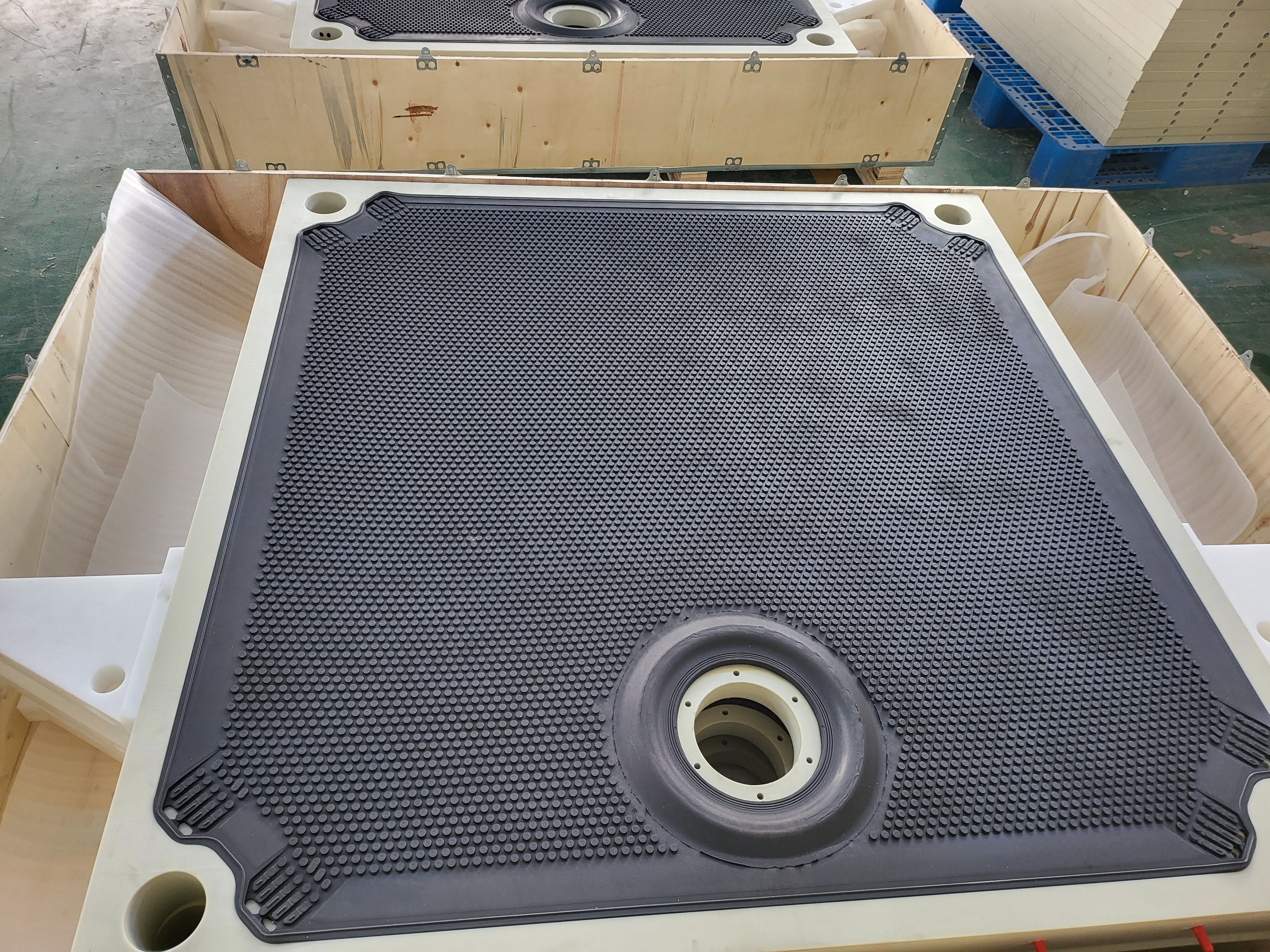
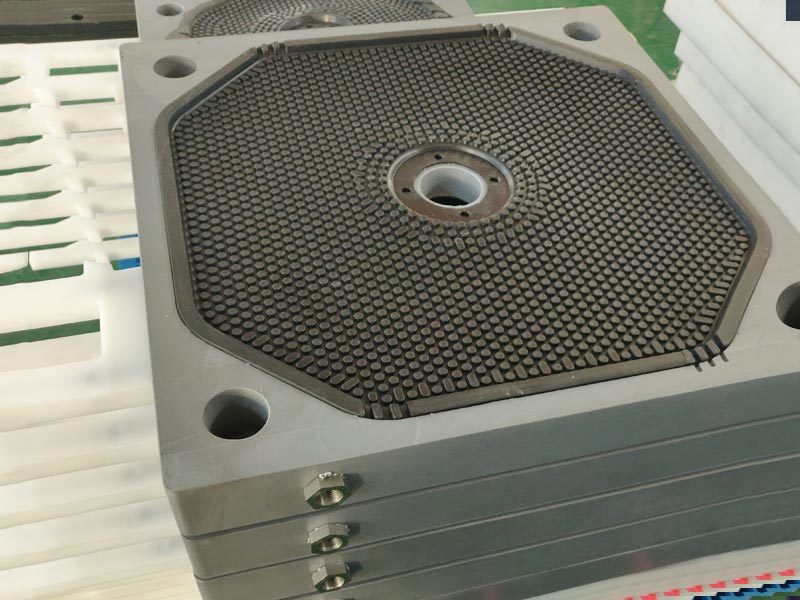
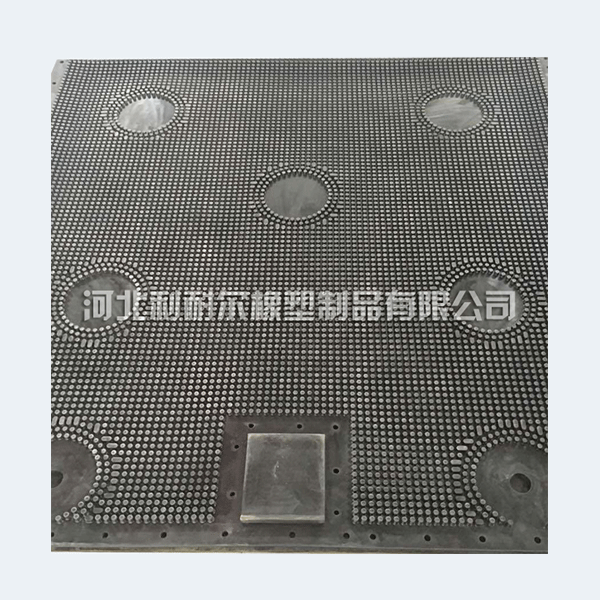
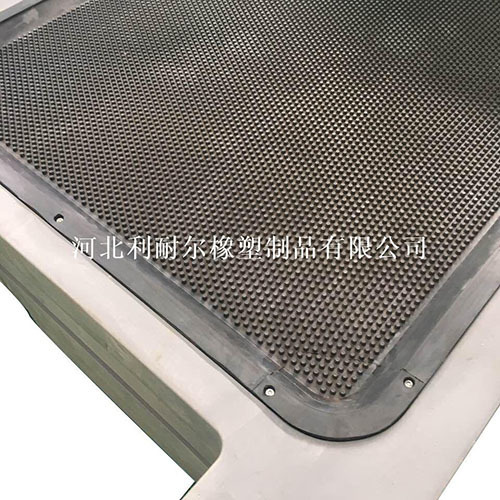
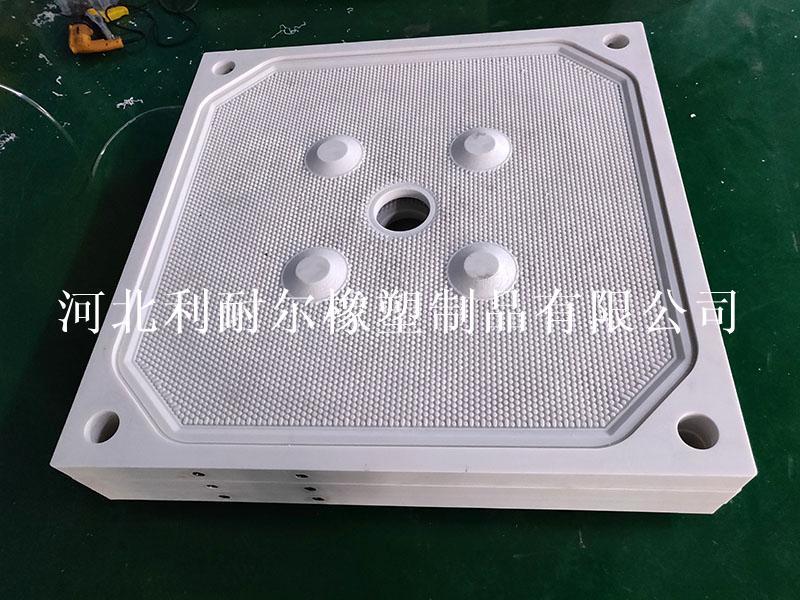
ProductMain products: vertical and horizontal imported and domestic filter plates, diaphragm plates, diaphragms and accessories; pinch valve sleeves and pinch valves and various mining accessories.
-
NewsIn 2013, our company's high-pressure cylinder with phenolic cloth support and guide ring obtained the national key new product certificate, project number: 2013GRA20011; its products in coal cylinders and engineering hydrauli
-
ServiceWe will actively cooperate with more enthusiasm, strengthen internal management, expand the market externally, improve various performance indicators of existing products, and truly achieve our win-win situation!
-
RecruitmentOur company always adheres to the talent concept of "people-oriented", provides a growth platform for talents, and realizes the common growth and development of enterprises and talents.


language
English
العربية
বাংলাদেশ
Български
Hrvatski
Česky
Dansk
Nederland
 Esperanto
Slovenski
Filipino
Suomi
Français
Maori
 Shqiptare
Georgian
 Euskara
Deutsch
Ελλάδα
ישראל
इंडिया
Magyarország
Ísland
Indonesia
Irlanda
Italia
日本語
Sovensko
Հայաստան
한국
Kyrgyz
ປະເທດລາວ
 Zulu
Zulu
Latvian
Lithuanian
Luxembourgish
 Latinus
Macedonian
Малайская
Maltese
Монгол улс
 Cymraeg
ဗမာ
 தமிழ்
தமிழ்
नेपाल
Norge
ایران
Polska
Portugal
România
Российская
Србија
 Slovak
Србија
 Slovak
Bosanski
Slovenian
Беларус
España
Sverige
Точик
ประเทศไทย
Türk
Azərbaycan
Uzbek
 Afrikaans
Việt Nam

How to Maintain Clean and Dust-Free Industrial Components
Release time:
2023-11-21
Table of Contents: 1. Importance of Clean and Dust-Free Industrial Components 2. Common Challenges in Maintaining Cleanliness 3. Best Practices for Cleaning Industrial Components 4. Recommended Cleaning Agents and Techniques 5. Preventive Measures for Dust Accumulation 6. Regular Inspection and Maintenance Routines 7. Addressing Specific Component Cleaning Needs 8. Frequently Asked Questions (FAQs
Table of Contents:
1. Importance of Clean and Dust-Free Industrial Components
2. Common Challenges in Maintaining Cleanliness
3. Best Practices for Cleaning Industrial Components
4. Recommended Cleaning Agents and Techniques
5. Preventive Measures for Dust Accumulation
6. Regular Inspection and Maintenance Routines
7. Addressing Specific Component Cleaning Needs
8. Frequently Asked Questions (FAQs)
1. Importance of Clean and Dust-Free Industrial Components
1.1 Enhancing Performance and Efficiency
1.2 Minimizing Mechanical Failures and Downtime
1.3 Promoting Worker Safety and Health
2. Common Challenges in Maintaining Cleanliness
2.1 Dust and Debris Accumulation
2.2 Contamination from Chemicals and Lubricants
2.3 Environmental Factors
3. Best Practices for Cleaning Industrial Components
3.1 Establishing a Cleaning Schedule
3.2 Using Proper Cleaning Techniques
3.3 Training Employees on Cleaning Procedures
4. Recommended Cleaning Agents and Techniques
4.1 Choosing the Right Cleaning Agents
4.2 Utilizing Ultrasonic Cleaning Technology
4.3 Implementing Dry Ice Blasting
5. Preventive Measures for Dust Accumulation
5.1 Sealing and Enclosing Components
5.2 Installing Filtration Systems
5.3 Regular Air Ventilation and Cleaning
6. Regular Inspection and Maintenance Routines
6.1 Developing an Inspection Checklist
6.2 Identifying and Addressing Potential Issues
6.3 Lubrication and Wear Prevention
7. Addressing Specific Component Cleaning Needs
7.1 Cleaning Electrical Components
7.2 Maintaining Precision Machinery
7.3 Cleaning Hydraulic and Pneumatic Systems
8. Frequently Asked Questions (FAQs)
8.1 How often should industrial components be cleaned?
8.2 What safety precautions should be taken during cleaning?
8.3 Can industrial components be cleaned without dismantling?
8.4 What are the signs of dust accumulation or contamination?
8.5 Are there any industry-specific cleaning requirements?
Conclusion:
In conclusion, maintaining clean and dust-free industrial components is crucial for optimizing performance, reducing downtime, and ensuring worker safety. By implementing an effective cleaning schedule, utilizing appropriate cleaning agents and techniques, and implementing preventive measures, you can prolong the lifespan of your equipment and enhance overall productivity. Regular inspections and addressing specific cleaning needs further contribute to the maintenance process. Remember, a well-maintained and dust-free environment not only improves the performance of your industrial components but also reflects your commitment to quality and safety.
1. Importance of Clean and Dust-Free Industrial Components
2. Common Challenges in Maintaining Cleanliness
3. Best Practices for Cleaning Industrial Components
4. Recommended Cleaning Agents and Techniques
5. Preventive Measures for Dust Accumulation
6. Regular Inspection and Maintenance Routines
7. Addressing Specific Component Cleaning Needs
8. Frequently Asked Questions (FAQs)
1. Importance of Clean and Dust-Free Industrial Components
1.1 Enhancing Performance and Efficiency
1.2 Minimizing Mechanical Failures and Downtime
1.3 Promoting Worker Safety and Health
2. Common Challenges in Maintaining Cleanliness
2.1 Dust and Debris Accumulation
2.2 Contamination from Chemicals and Lubricants
2.3 Environmental Factors
3. Best Practices for Cleaning Industrial Components
3.1 Establishing a Cleaning Schedule
3.2 Using Proper Cleaning Techniques
3.3 Training Employees on Cleaning Procedures
4. Recommended Cleaning Agents and Techniques
4.1 Choosing the Right Cleaning Agents
4.2 Utilizing Ultrasonic Cleaning Technology
4.3 Implementing Dry Ice Blasting
5. Preventive Measures for Dust Accumulation
5.1 Sealing and Enclosing Components
5.2 Installing Filtration Systems
5.3 Regular Air Ventilation and Cleaning
6. Regular Inspection and Maintenance Routines
6.1 Developing an Inspection Checklist
6.2 Identifying and Addressing Potential Issues
6.3 Lubrication and Wear Prevention
7. Addressing Specific Component Cleaning Needs
7.1 Cleaning Electrical Components
7.2 Maintaining Precision Machinery
7.3 Cleaning Hydraulic and Pneumatic Systems
8. Frequently Asked Questions (FAQs)
8.1 How often should industrial components be cleaned?
8.2 What safety precautions should be taken during cleaning?
8.3 Can industrial components be cleaned without dismantling?
8.4 What are the signs of dust accumulation or contamination?
8.5 Are there any industry-specific cleaning requirements?
Conclusion:
In conclusion, maintaining clean and dust-free industrial components is crucial for optimizing performance, reducing downtime, and ensuring worker safety. By implementing an effective cleaning schedule, utilizing appropriate cleaning agents and techniques, and implementing preventive measures, you can prolong the lifespan of your equipment and enhance overall productivity. Regular inspections and addressing specific cleaning needs further contribute to the maintenance process. Remember, a well-maintained and dust-free environment not only improves the performance of your industrial components but also reflects your commitment to quality and safety.
Related News