
-
AboutHebei Linaier Rubber Products Co., Ltd. is located in Duqiao Industrial Zone, Jingxian City, Hebei Province, adjacent to Dezhou, Shandong. Founded in early 2001 with a registered capital of 35 million yuan, it is a scientific

-
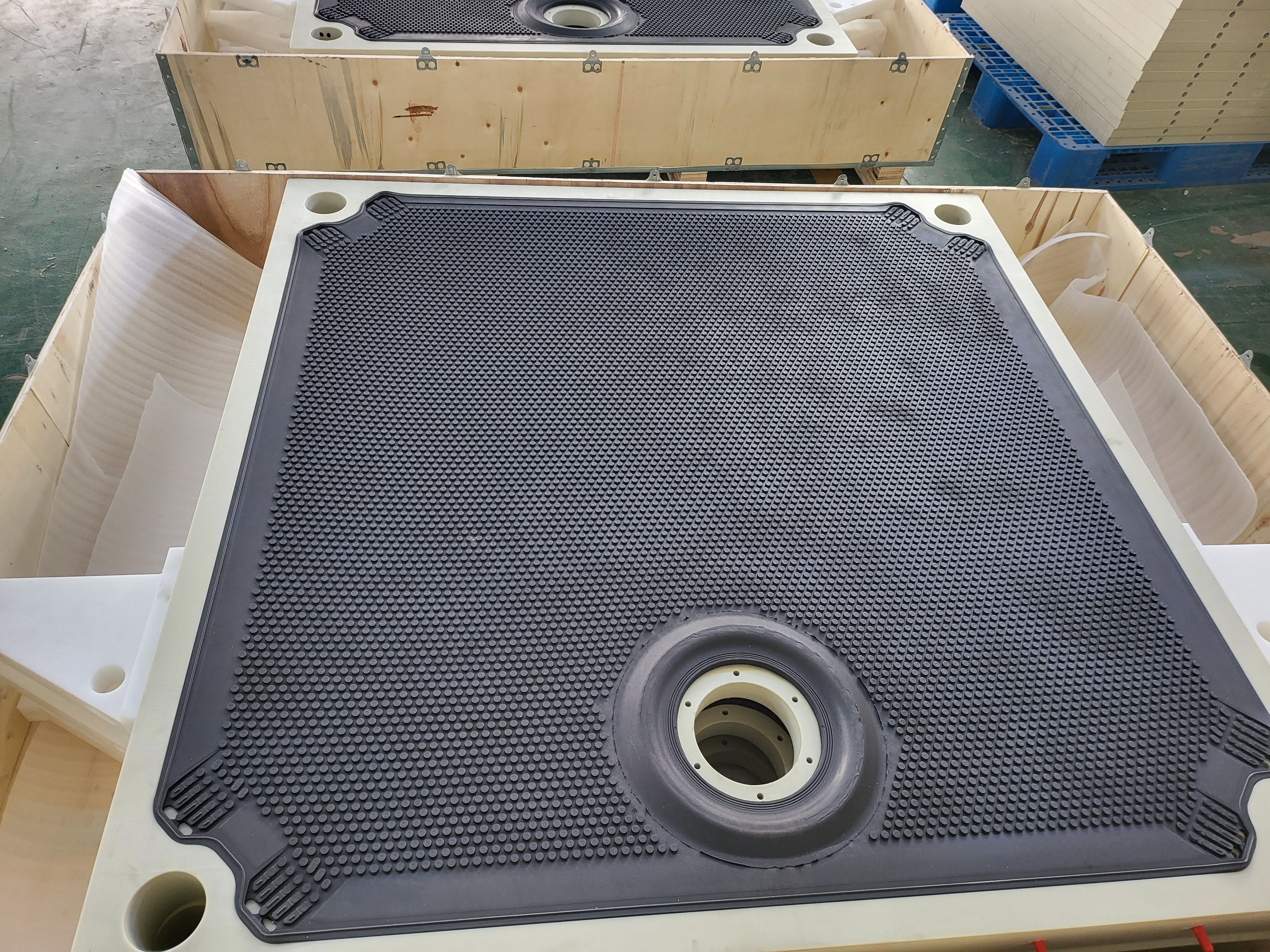
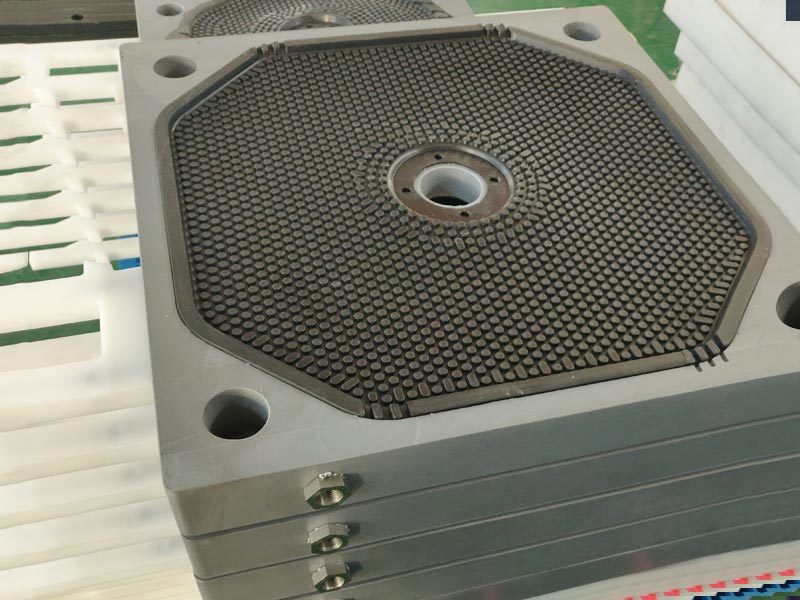
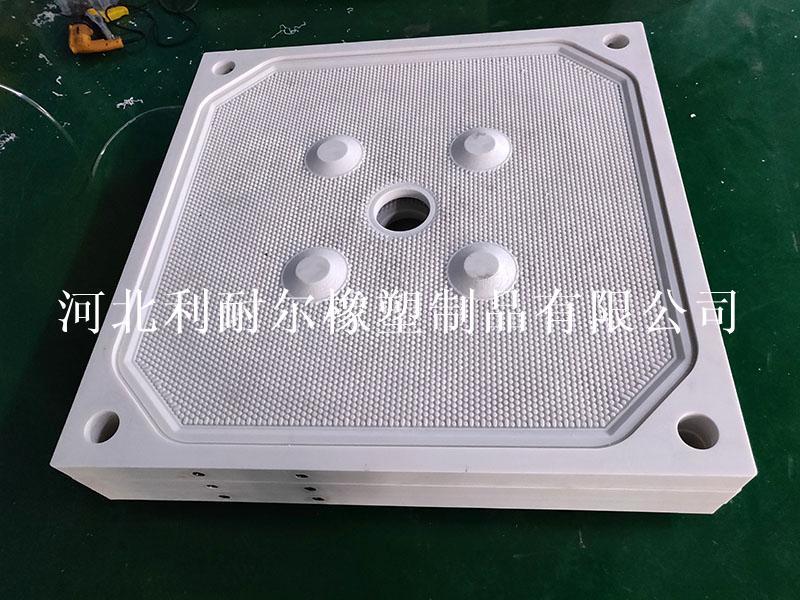
ProductMain products: vertical and horizontal imported and domestic filter plates, diaphragm plates, diaphragms and accessories; pinch valve sleeves and pinch valves and various mining accessories.
-
NewsIn 2013, our company's high-pressure cylinder with phenolic cloth support and guide ring obtained the national key new product certificate, project number: 2013GRA20011; its products in coal cylinders and engineering hydrauli
-
ServiceWe will actively cooperate with more enthusiasm, strengthen internal management, expand the market externally, improve various performance indicators of existing products, and truly achieve our win-win situation!
-
RecruitmentOur company always adheres to the talent concept of "people-oriented", provides a growth platform for talents, and realizes the common growth and development of enterprises and talents.


language
English
العربية
বাংলাদেশ
Български
Hrvatski
Česky
Dansk
Nederland
 Esperanto
Slovenski
Filipino
Suomi
Français
Maori
 Shqiptare
Georgian
 Euskara
Deutsch
Ελλάδα
ישראל
इंडिया
Magyarország
Ísland
Indonesia
Irlanda
Italia
日本語
Sovensko
Հայաստան
한국
Kyrgyz
ປະເທດລາວ
 Zulu
Zulu
Latvian
Lithuanian
Luxembourgish
 Latinus
Macedonian
Малайская
Maltese
Монгол улс
 Cymraeg
ဗမာ
 தமிழ்
தமிழ்
नेपाल
Norge
ایران
Polska
Portugal
România
Российская
Србија
 Slovak
Србија
 Slovak
Bosanski
Slovenian
Беларус
España
Sverige
Точик
ประเทศไทย
Türk
Azərbaycan
Uzbek
 Afrikaans
Việt Nam

The Importance of Dust Control in Industrial Settings: Promoting Safety and Efficiency
Release time:
2023-11-21
Table of Contents: 1. Introduction: The Impact of Dust on Industrial Operations 2. Understanding the Hazards of Dust in Industrial Settings 3. The Benefits of Effective Dust Control Measures 4. Implementing Dust Control Strategies: Best Practices and Technologies 5. Dust Control FAQs: Addressing Common Concerns 6. Conclusion: Prioritizing Dust Control for a Safer and More Efficient Industrial Envi
Table of Contents:
1. Introduction: The Impact of Dust on Industrial Operations
2. Understanding the Hazards of Dust in Industrial Settings
3. The Benefits of Effective Dust Control Measures
4. Implementing Dust Control Strategies: Best Practices and Technologies
5. Dust Control FAQs: Addressing Common Concerns
6. Conclusion: Prioritizing Dust Control for a Safer and More Efficient Industrial Environment
In industrial settings, dust is a pervasive byproduct of various processes such as manufacturing, mining, and construction. Despite its seemingly innocuous nature, dust poses numerous risks to both workers and equipment. This article highlights the importance of implementing robust dust control measures to promote safety, enhance productivity, and improve overall operations.
Industrial dust consists of fine particles that can be suspended in the air for extended periods. These particles may include harmful substances such as silica, asbestos, and metal dust, which can lead to severe health issues when inhaled by workers. Additionally, excessive dust accumulation can create a combustible environment, increasing the risk of explosions and fires.
Prolonged exposure to airborne dust particles can result in respiratory ailments, including allergies, asthma, and chronic obstructive pulmonary disease (COPD). Certain types of dust, such as silica dust, have been linked to more severe conditions like silicosis, lung cancer, and kidney disease. Protecting workers from these health hazards through effective dust control measures is paramount.
Accumulated dust in industrial settings can ignite and cause devastating explosions or fires. Fine particles suspended in the air are highly combustible, especially when exposed to ignition sources like sparks from machinery or electrical malfunctions. Implementing dust control strategies mitigates the risk of these catastrophic incidents, safeguarding personnel, equipment, and facilities.
Implementing robust dust control measures in industrial settings brings forth a multitude of benefits, beyond just ensuring the health and safety of workers. Let's explore some of these advantages:
By proactively managing dust levels, employers can protect their workforce from the harmful effects of dust exposure. This leads to a healthier work environment, reduces absenteeism due to dust-related illnesses, and boosts employee morale and productivity.
Dust can infiltrate machinery and equipment, causing premature wear and tear, clogged filters, and decreased efficiency. Implementing dust control measures, such as regular cleaning and maintenance, ensures optimal performance and extends the lifespan of equipment, ultimately reducing downtime and repair costs.
Dust particles can easily migrate beyond the industrial premises, causing pollution and environmental contamination. By implementing effective dust control measures, industries can prevent the dispersion of harmful substances into the surrounding air, soil, and water bodies, contributing to a greener and more sustainable future.
Many countries have stringent regulations in place to ensure workplace safety and environmental protection. Failure to comply with these regulations may result in hefty fines, legal repercussions, and damage to a company's reputation. Implementing comprehensive dust control measures is not only a legal obligation but also a responsible business practice.
To effectively control dust in industrial settings, organizations must adopt a multi-faceted approach utilizing both best practices and advanced technologies. Some key strategies include:
Identifying potential sources of dust is crucial in formulating an effective control plan. Conducting regular inspections helps identify areas prone to dust generation, allowing for targeted control measures to be implemented.
Implementing engineering controls, such as proper ventilation systems and dust collection units, helps capture and contain dust at its source. This prevents its dispersion into the air and ensures cleaner and safer working conditions.
While engineering controls are essential, personal protective equipment (PPE) is vital in providing an additional layer of defense for workers. Respirators, protective clothing, and eyewear help minimize direct exposure to harmful dust particles.
Comprehensive training programs educate workers about the hazards of dust exposure, proper use of PPE, and adherence to dust control protocols. Knowledgeable employees are better equipped to identify risks and actively contribute to a safer work environment.
Implementing routine cleaning and maintenance schedules ensures the removal of accumulated dust from work areas, equipment, and ventilation systems. Regular inspections and maintenance also help identify and address potential issues that may compromise dust control efforts.
Effective dust control promotes worker safety, prevents equipment damage, reduces health risks, ensures regulatory compliance, and prevents environmental pollution.
Dust exposure can lead to respiratory issues, allergies, asthma, COPD, silicosis, lung cancer, kidney disease, and other severe health conditions.
By preventing dust accumulation and clogging, dust control measures optimize equipment efficiency, extend its lifespan, and reduce repair costs.
Technologies such as dust collectors, ventilation systems, and air filtration units are commonly employed to control and capture dust particles.
Yes, many countries have regulations and standards in place that require industries to implement proper dust control measures to ensure worker safety and environmental protection.
In conclusion, the importance of dust control in industrial settings cannot be overstated. Prioritizing effective dust control measures safeguards the health and well-being of workers, enhances equipment performance, ensures regulatory compliance, and protects the environment. By implementing comprehensive strategies and technologies, industries can create a safer and more efficient working environment for all stakeholders involved.
1. Introduction: The Impact of Dust on Industrial Operations
2. Understanding the Hazards of Dust in Industrial Settings
3. The Benefits of Effective Dust Control Measures
4. Implementing Dust Control Strategies: Best Practices and Technologies
5. Dust Control FAQs: Addressing Common Concerns
6. Conclusion: Prioritizing Dust Control for a Safer and More Efficient Industrial Environment
1. Introduction: The Impact of Dust on Industrial Operations
In industrial settings, dust is a pervasive byproduct of various processes such as manufacturing, mining, and construction. Despite its seemingly innocuous nature, dust poses numerous risks to both workers and equipment. This article highlights the importance of implementing robust dust control measures to promote safety, enhance productivity, and improve overall operations.
2. Understanding the Hazards of Dust in Industrial Settings
Industrial dust consists of fine particles that can be suspended in the air for extended periods. These particles may include harmful substances such as silica, asbestos, and metal dust, which can lead to severe health issues when inhaled by workers. Additionally, excessive dust accumulation can create a combustible environment, increasing the risk of explosions and fires.
2.1 Health Risks Associated with Dust Exposure
Prolonged exposure to airborne dust particles can result in respiratory ailments, including allergies, asthma, and chronic obstructive pulmonary disease (COPD). Certain types of dust, such as silica dust, have been linked to more severe conditions like silicosis, lung cancer, and kidney disease. Protecting workers from these health hazards through effective dust control measures is paramount.
2.2 Fire and Explosion Hazards Posed by Dust Accumulation
Accumulated dust in industrial settings can ignite and cause devastating explosions or fires. Fine particles suspended in the air are highly combustible, especially when exposed to ignition sources like sparks from machinery or electrical malfunctions. Implementing dust control strategies mitigates the risk of these catastrophic incidents, safeguarding personnel, equipment, and facilities.
3. The Benefits of Effective Dust Control Measures
Implementing robust dust control measures in industrial settings brings forth a multitude of benefits, beyond just ensuring the health and safety of workers. Let's explore some of these advantages:
3.1 Enhanced Worker Safety and Health
By proactively managing dust levels, employers can protect their workforce from the harmful effects of dust exposure. This leads to a healthier work environment, reduces absenteeism due to dust-related illnesses, and boosts employee morale and productivity.
3.2 Improved Equipment Performance and Lifespan
Dust can infiltrate machinery and equipment, causing premature wear and tear, clogged filters, and decreased efficiency. Implementing dust control measures, such as regular cleaning and maintenance, ensures optimal performance and extends the lifespan of equipment, ultimately reducing downtime and repair costs.
3.3 Prevention of Environmental Contamination
Dust particles can easily migrate beyond the industrial premises, causing pollution and environmental contamination. By implementing effective dust control measures, industries can prevent the dispersion of harmful substances into the surrounding air, soil, and water bodies, contributing to a greener and more sustainable future.
3.4 Regulatory Compliance and Avoidance of Penalties
Many countries have stringent regulations in place to ensure workplace safety and environmental protection. Failure to comply with these regulations may result in hefty fines, legal repercussions, and damage to a company's reputation. Implementing comprehensive dust control measures is not only a legal obligation but also a responsible business practice.
4. Implementing Dust Control Strategies: Best Practices and Technologies
To effectively control dust in industrial settings, organizations must adopt a multi-faceted approach utilizing both best practices and advanced technologies. Some key strategies include:
4.1 Regular Inspection and Evaluation of Dust Sources
Identifying potential sources of dust is crucial in formulating an effective control plan. Conducting regular inspections helps identify areas prone to dust generation, allowing for targeted control measures to be implemented.
4.2 Engineering Controls and Ventilation Systems
Implementing engineering controls, such as proper ventilation systems and dust collection units, helps capture and contain dust at its source. This prevents its dispersion into the air and ensures cleaner and safer working conditions.
4.3 Personal Protective Equipment (PPE)
While engineering controls are essential, personal protective equipment (PPE) is vital in providing an additional layer of defense for workers. Respirators, protective clothing, and eyewear help minimize direct exposure to harmful dust particles.
4.4 Training and Education
Comprehensive training programs educate workers about the hazards of dust exposure, proper use of PPE, and adherence to dust control protocols. Knowledgeable employees are better equipped to identify risks and actively contribute to a safer work environment.
4.5 Regular Cleaning and Maintenance
Implementing routine cleaning and maintenance schedules ensures the removal of accumulated dust from work areas, equipment, and ventilation systems. Regular inspections and maintenance also help identify and address potential issues that may compromise dust control efforts.
5. Dust Control FAQs: Addressing Common Concerns
Q1: Why is dust control important in industrial settings?
Effective dust control promotes worker safety, prevents equipment damage, reduces health risks, ensures regulatory compliance, and prevents environmental pollution.
Q2: What are the potential health hazards associated with dust exposure?
Dust exposure can lead to respiratory issues, allergies, asthma, COPD, silicosis, lung cancer, kidney disease, and other severe health conditions.
Q3: How can dust control measures improve equipment performance?
By preventing dust accumulation and clogging, dust control measures optimize equipment efficiency, extend its lifespan, and reduce repair costs.
Q4: What technologies are commonly used for dust control in industrial settings?
Technologies such as dust collectors, ventilation systems, and air filtration units are commonly employed to control and capture dust particles.
Q5: Are there legal obligations for implementing dust control measures in industrial settings?
Yes, many countries have regulations and standards in place that require industries to implement proper dust control measures to ensure worker safety and environmental protection.
6. Conclusion: Prioritizing Dust Control for a Safer and More Efficient Industrial Environment
In conclusion, the importance of dust control in industrial settings cannot be overstated. Prioritizing effective dust control measures safeguards the health and well-being of workers, enhances equipment performance, ensures regulatory compliance, and protects the environment. By implementing comprehensive strategies and technologies, industries can create a safer and more efficient working environment for all stakeholders involved.
Related News