
-
AboutHebei Linaier Rubber Products Co., Ltd. is located in Duqiao Industrial Zone, Jingxian City, Hebei Province, adjacent to Dezhou, Shandong. Founded in early 2001 with a registered capital of 35 million yuan, it is a scientific

-
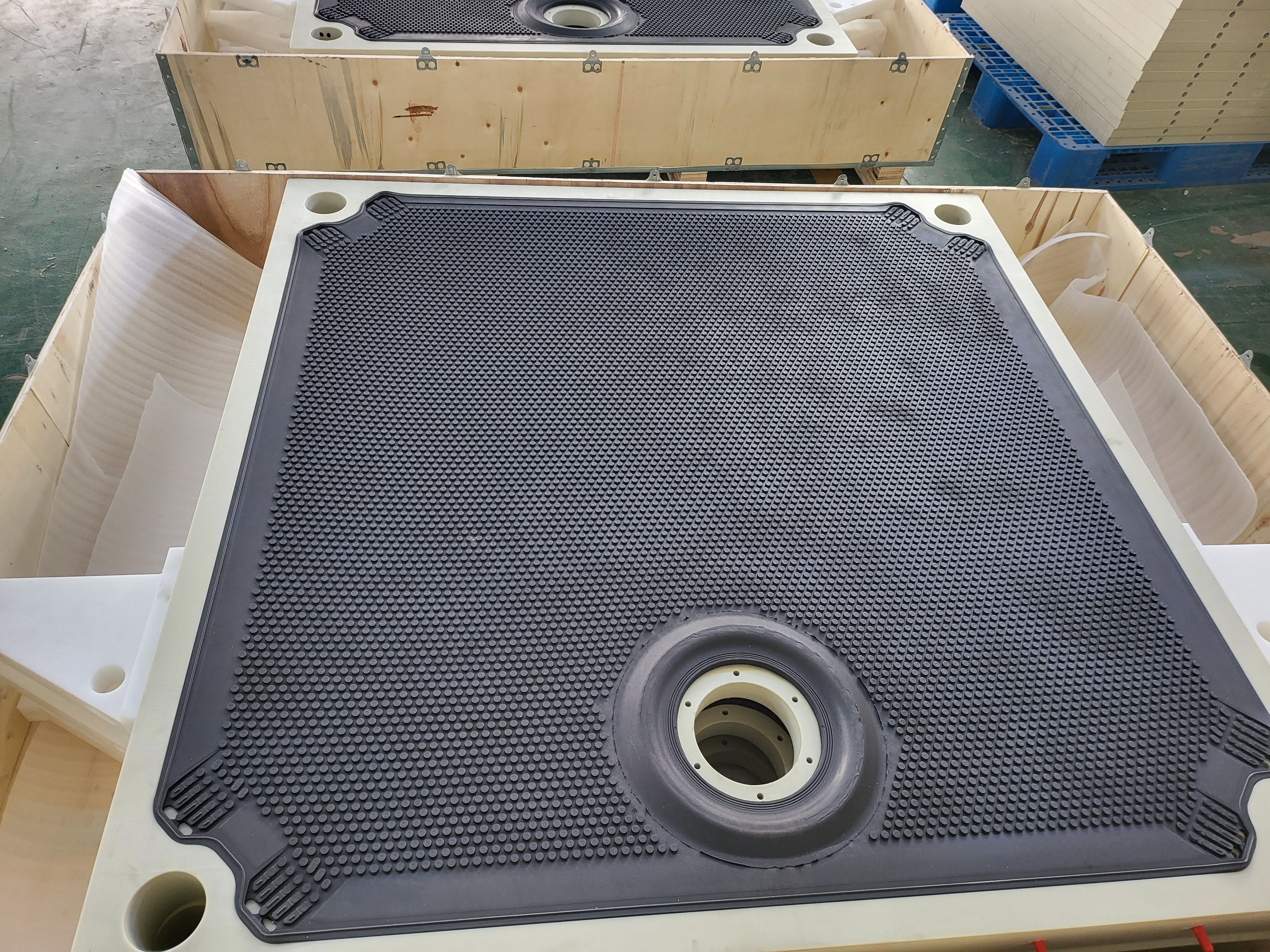
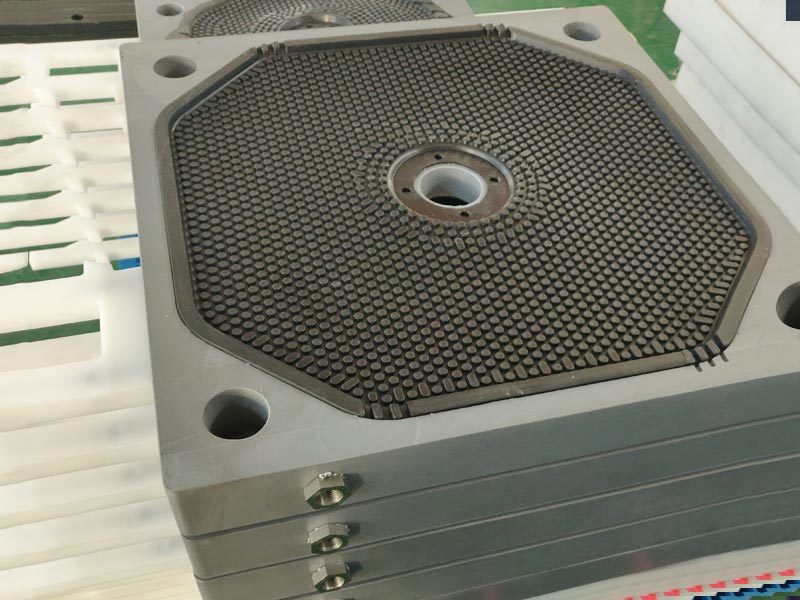
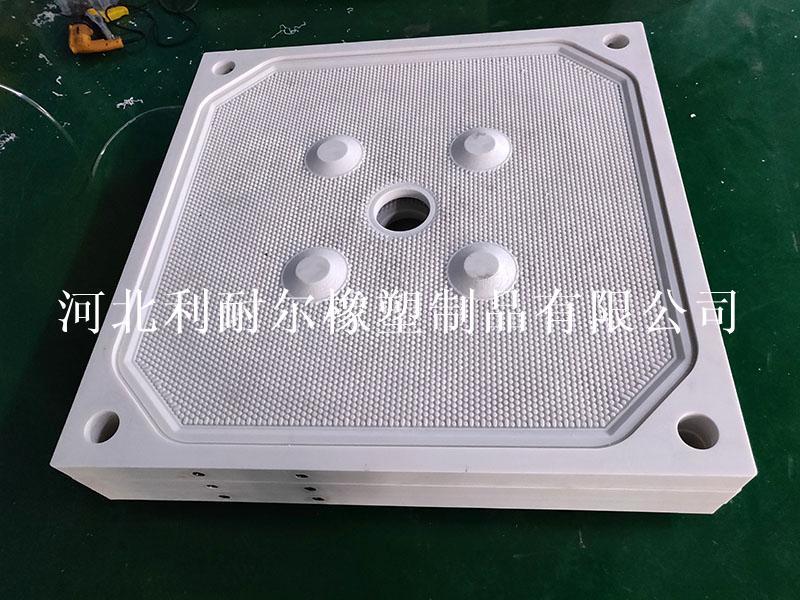
ProductMain products: vertical and horizontal imported and domestic filter plates, diaphragm plates, diaphragms and accessories; pinch valve sleeves and pinch valves and various mining accessories.
-
NewsIn 2013, our company's high-pressure cylinder with phenolic cloth support and guide ring obtained the national key new product certificate, project number: 2013GRA20011; its products in coal cylinders and engineering hydrauli
-
ServiceWe will actively cooperate with more enthusiasm, strengthen internal management, expand the market externally, improve various performance indicators of existing products, and truly achieve our win-win situation!
-
RecruitmentOur company always adheres to the talent concept of "people-oriented", provides a growth platform for talents, and realizes the common growth and development of enterprises and talents.


language
English
العربية
বাংলাদেশ
Български
Hrvatski
Česky
Dansk
Nederland
 Esperanto
Slovenski
Filipino
Suomi
Français
Maori
 Shqiptare
Georgian
 Euskara
Deutsch
Ελλάδα
ישראל
इंडिया
Magyarország
Ísland
Indonesia
Irlanda
Italia
日本語
Sovensko
Հայաստան
한국
Kyrgyz
ປະເທດລາວ
 Zulu
Zulu
Latvian
Lithuanian
Luxembourgish
 Latinus
Macedonian
Малайская
Maltese
Монгол улс
 Cymraeg
ဗမာ
 தமிழ்
தமிழ்
नेपाल
Norge
ایران
Polska
Portugal
România
Российская
Србија
 Slovak
Србија
 Slovak
Bosanski
Slovenian
Беларус
España
Sverige
Точик
ประเทศไทย
Türk
Azərbaycan
Uzbek
 Afrikaans
Việt Nam

Choosing the Right Seal Components for Optimal Performance in Automotive Cylinders
Release time:
2023-11-15
Table of Contents: 1. Introduction 2. The Importance of Seal Components in Automotive Cylinders 3. Understanding Different Types of Seal Components 3.1 Piston Seals 3.2 Rod Seals 3.3 Wiper Seals 3.4 Guide Rings 4. Factors to Consider when Choosing Seal Components 4.1 Temperature and Pressure Resistance 4.2 Material Compatibility 4.3 Friction and Wear Characteristics 4.4 Sea
Table of Contents:
1. Introduction
2. The Importance of Seal Components in Automotive Cylinders
3. Understanding Different Types of Seal Components
3.1 Piston Seals
3.2 Rod Seals
3.3 Wiper Seals
3.4 Guide Rings
4. Factors to Consider when Choosing Seal Components
4.1 Temperature and Pressure Resistance
4.2 Material Compatibility
4.3 Friction and Wear Characteristics
4.4 Seal Performance and Lifespan
5. Common Challenges Faced with Seal Components
5.1 Leakage
5.2 Extrusion
5.3 Contamination
5.4 Installation and Maintenance
6. Frequently Asked Questions (FAQs)
6.1 What are the most common seal materials used in automotive cylinders?
6.2 How can I prevent seal failure in high-pressure applications?
6.3 Are there any specific maintenance requirements for automotive cylinder seals?
6.4 Can I reuse seal components in automotive cylinders?
6.5 What are the signs of seal wear and when should I replace them?
7. Conclusion
Seal components play a crucial role in the optimal performance of automotive cylinders. Choosing the right seals ensures efficient operation, prevents leakage, and increases the lifespan of the cylinders. In this article, we will explore the different types of seal components available, factors to consider when selecting them, common challenges faced, and provide answers to frequently asked questions.
Seal components act as barriers, preventing fluid or gas leakage between various parts of the automotive cylinders. They maintain the integrity of the system, ensuring proper functioning and minimizing wear and tear. Neglecting to choose the right seal components can lead to costly repairs, decreased performance, and even safety risks.
Piston seals are essential for maintaining pressure and preventing fluid bypass between the piston and cylinder wall. They come in various designs, including O-rings, U-cups, and V-rings, each with their own advantages and applications.
Rod seals are installed on the piston rod, preventing external contaminants from entering the cylinder and maintaining internal fluid pressure. They can be single or double-acting, and different materials and designs are available to suit specific operating conditions.
Wiper seals are located on the outer side of the cylinder, wiping away dust, dirt, and other external particles, preventing them from entering the cylinder and damaging the internal components. They are crucial in ensuring the longevity of the seal system.
Guide rings provide stability and support to the piston rod within the cylinder. They help prevent side-loading and ensure smooth and linear motion. Guide rings are typically made from materials with low friction and high wear resistance.
Seal components must be able to withstand the temperature and pressure conditions of the automotive cylinder. They should have the necessary heat resistance, chemical compatibility, and compression set characteristics to ensure optimal performance.
Choosing the right seal material is crucial for maintaining performance and longevity. Factors such as fluid compatibility, wear resistance, and resistance to extrusion must be considered. Common materials used in automotive cylinder seals include Nitrile, Polyurethane, and Fluorocarbon.
Seal components should have low friction properties to minimize energy losses and reduce wear. A balance between sealing efficiency and friction is necessary to optimize performance and prevent premature failure.
Consider the expected lifespan and performance requirements of the seal components. Factors such as seal hardness, elasticity, and resistance to aging should be evaluated to ensure long-lasting and reliable performance.
Leakage is a common challenge faced with seal components. Proper installation, material selection, and regular maintenance can help minimize the risk of leakage.
Extrusion occurs when the seal material is forced into gaps due to high pressure. Choosing the right seal material and design can prevent extrusion and maintain tight sealing.
Contamination from external particles can cause damage to seal components. Adequate wiper seals and regular maintenance practices help to protect seals from contamination.
Proper installation techniques and regular maintenance are crucial for the optimal performance of seal components. Follow manufacturer guidelines and perform routine checks to identify and rectify any issues promptly.
The most common seal materials used in automotive cylinders include Nitrile, Polyurethane, and Fluorocarbon. These materials offer good chemical resistance, wear resistance, and compatibility with various fluids.
To prevent seal failure in high-pressure applications, choose seals specifically designed for high-pressure conditions and ensure proper installation. Regular maintenance and monitoring are also essential to identify any signs of wear or damage early.
Yes, automotive cylinder seals require regular maintenance to ensure optimal performance. This includes periodic checks for wear, damage, and contamination. Lubrication and cleaning may also be necessary, depending on the specific seal components used.
In most cases, it is not recommended to reuse seal components in automotive cylinders. Seals undergo wear and deformation over time, and reusing them can compromise their performance and increase the risk of failure.
Signs of seal wear include fluid leakage, reduced performance, and visible damage or deformation. It is advisable to replace seals as soon as signs of wear are detected to prevent further damage to the cylinder and ensure optimal performance.
Choosing the right seal components for automotive cylinders is crucial to ensure optimal performance, prevent leakage, and increase the lifespan of the cylinders. By considering factors such as temperature and pressure resistance, material compatibility, friction and wear characteristics, and seal performance, you can make an informed decision. Regular maintenance and monitoring are essential to identify any issues promptly and ensure the longevity of the seal system. By following these guidelines, you can optimize the performance of your automotive cylinders and achieve outstanding results.
1. Introduction
2. The Importance of Seal Components in Automotive Cylinders
3. Understanding Different Types of Seal Components
3.1 Piston Seals
3.2 Rod Seals
3.3 Wiper Seals
3.4 Guide Rings
4. Factors to Consider when Choosing Seal Components
4.1 Temperature and Pressure Resistance
4.2 Material Compatibility
4.3 Friction and Wear Characteristics
4.4 Seal Performance and Lifespan
5. Common Challenges Faced with Seal Components
5.1 Leakage
5.2 Extrusion
5.3 Contamination
5.4 Installation and Maintenance
6. Frequently Asked Questions (FAQs)
6.1 What are the most common seal materials used in automotive cylinders?
6.2 How can I prevent seal failure in high-pressure applications?
6.3 Are there any specific maintenance requirements for automotive cylinder seals?
6.4 Can I reuse seal components in automotive cylinders?
6.5 What are the signs of seal wear and when should I replace them?
7. Conclusion
Introduction
Seal components play a crucial role in the optimal performance of automotive cylinders. Choosing the right seals ensures efficient operation, prevents leakage, and increases the lifespan of the cylinders. In this article, we will explore the different types of seal components available, factors to consider when selecting them, common challenges faced, and provide answers to frequently asked questions.
The Importance of Seal Components in Automotive Cylinders
Seal components act as barriers, preventing fluid or gas leakage between various parts of the automotive cylinders. They maintain the integrity of the system, ensuring proper functioning and minimizing wear and tear. Neglecting to choose the right seal components can lead to costly repairs, decreased performance, and even safety risks.
Understanding Different Types of Seal Components
3.1 Piston Seals
Piston seals are essential for maintaining pressure and preventing fluid bypass between the piston and cylinder wall. They come in various designs, including O-rings, U-cups, and V-rings, each with their own advantages and applications.
3.2 Rod Seals
Rod seals are installed on the piston rod, preventing external contaminants from entering the cylinder and maintaining internal fluid pressure. They can be single or double-acting, and different materials and designs are available to suit specific operating conditions.
3.3 Wiper Seals
Wiper seals are located on the outer side of the cylinder, wiping away dust, dirt, and other external particles, preventing them from entering the cylinder and damaging the internal components. They are crucial in ensuring the longevity of the seal system.
3.4 Guide Rings
Guide rings provide stability and support to the piston rod within the cylinder. They help prevent side-loading and ensure smooth and linear motion. Guide rings are typically made from materials with low friction and high wear resistance.
Factors to Consider when Choosing Seal Components
4.1 Temperature and Pressure Resistance
Seal components must be able to withstand the temperature and pressure conditions of the automotive cylinder. They should have the necessary heat resistance, chemical compatibility, and compression set characteristics to ensure optimal performance.
4.2 Material Compatibility
Choosing the right seal material is crucial for maintaining performance and longevity. Factors such as fluid compatibility, wear resistance, and resistance to extrusion must be considered. Common materials used in automotive cylinder seals include Nitrile, Polyurethane, and Fluorocarbon.
4.3 Friction and Wear Characteristics
Seal components should have low friction properties to minimize energy losses and reduce wear. A balance between sealing efficiency and friction is necessary to optimize performance and prevent premature failure.
4.4 Seal Performance and Lifespan
Consider the expected lifespan and performance requirements of the seal components. Factors such as seal hardness, elasticity, and resistance to aging should be evaluated to ensure long-lasting and reliable performance.
Common Challenges Faced with Seal Components
5.1 Leakage
Leakage is a common challenge faced with seal components. Proper installation, material selection, and regular maintenance can help minimize the risk of leakage.
5.2 Extrusion
Extrusion occurs when the seal material is forced into gaps due to high pressure. Choosing the right seal material and design can prevent extrusion and maintain tight sealing.
5.3 Contamination
Contamination from external particles can cause damage to seal components. Adequate wiper seals and regular maintenance practices help to protect seals from contamination.
5.4 Installation and Maintenance
Proper installation techniques and regular maintenance are crucial for the optimal performance of seal components. Follow manufacturer guidelines and perform routine checks to identify and rectify any issues promptly.
Frequently Asked Questions (FAQs)
6.1 What are the most common seal materials used in automotive cylinders?
The most common seal materials used in automotive cylinders include Nitrile, Polyurethane, and Fluorocarbon. These materials offer good chemical resistance, wear resistance, and compatibility with various fluids.
6.2 How can I prevent seal failure in high-pressure applications?
To prevent seal failure in high-pressure applications, choose seals specifically designed for high-pressure conditions and ensure proper installation. Regular maintenance and monitoring are also essential to identify any signs of wear or damage early.
6.3 Are there any specific maintenance requirements for automotive cylinder seals?
Yes, automotive cylinder seals require regular maintenance to ensure optimal performance. This includes periodic checks for wear, damage, and contamination. Lubrication and cleaning may also be necessary, depending on the specific seal components used.
6.4 Can I reuse seal components in automotive cylinders?
In most cases, it is not recommended to reuse seal components in automotive cylinders. Seals undergo wear and deformation over time, and reusing them can compromise their performance and increase the risk of failure.
6.5 What are the signs of seal wear and when should I replace them?
Signs of seal wear include fluid leakage, reduced performance, and visible damage or deformation. It is advisable to replace seals as soon as signs of wear are detected to prevent further damage to the cylinder and ensure optimal performance.
Conclusion
Choosing the right seal components for automotive cylinders is crucial to ensure optimal performance, prevent leakage, and increase the lifespan of the cylinders. By considering factors such as temperature and pressure resistance, material compatibility, friction and wear characteristics, and seal performance, you can make an informed decision. Regular maintenance and monitoring are essential to identify any issues promptly and ensure the longevity of the seal system. By following these guidelines, you can optimize the performance of your automotive cylinders and achieve outstanding results.
Related News