
-
AboutHebei Linaier Rubber Products Co., Ltd. is located in Duqiao Industrial Zone, Jingxian City, Hebei Province, adjacent to Dezhou, Shandong. Founded in early 2001 with a registered capital of 35 million yuan, it is a scientific

-
ProductMain products: vertical and horizontal imported and domestic filter plates, diaphragm plates, diaphragms and accessories; pinch valve sleeves and pinch valves and various mining accessories.
-
NewsIn 2013, our company's high-pressure cylinder with phenolic cloth support and guide ring obtained the national key new product certificate, project number: 2013GRA20011; its products in coal cylinders and engineering hydrauli
-
ServiceWe will actively cooperate with more enthusiasm, strengthen internal management, expand the market externally, improve various performance indicators of existing products, and truly achieve our win-win situation!
-
RecruitmentOur company always adheres to the talent concept of "people-oriented", provides a growth platform for talents, and realizes the common growth and development of enterprises and talents.


language
English
العربية
বাংলাদেশ
Български
Hrvatski
Česky
Dansk
Nederland
 Esperanto
Slovenski
Filipino
Suomi
Français
Maori
 Shqiptare
Georgian
 Euskara
Deutsch
Ελλάδα
ישראל
इंडिया
Magyarország
Ísland
Indonesia
Irlanda
Italia
日本語
Sovensko
Հայաստան
한국
Kyrgyz
ປະເທດລາວ
 Zulu
Zulu
Latvian
Lithuanian
Luxembourgish
 Latinus
Macedonian
Малайская
Maltese
Монгол улс
 Cymraeg
ဗမာ
 தமிழ்
தமிழ்
नेपाल
Norge
ایران
Polska
Portugal
România
Российская
Србија
 Slovak
Србија
 Slovak
Bosanski
Slovenian
Беларус
España
Sverige
Точик
ประเทศไทย
Türk
Azərbaycan
Uzbek
 Afrikaans
Việt Nam

A Step-by-Step Guide to Installing 1500*1500 Filter Plates in Your Industrial Equipment
Release time:
2023-11-08
Table of Contents: 1. Introduction to 1500*1500 Filter Plates 2. Preparing for Installation 2.1. Gather the Necessary Tools and Equipment 2.2. Ensure Safety Precautions 3. Step 1: Assessing Your Industrial Equipment 3.1. Identify the Location for Filter Plate Installation 3.2. Measure the Available Space 4. Step 2: Choosing the Right Filter Plates 4.1. Understand the Different Types
Table of Contents:
1. Introduction to 1500*1500 Filter Plates
2. Preparing for Installation
2.1. Gather the Necessary Tools and Equipment
2.2. Ensure Safety Precautions
3. Step 1: Assessing Your Industrial Equipment
3.1. Identify the Location for Filter Plate Installation
3.2. Measure the Available Space
4. Step 2: Choosing the Right Filter Plates
4.1. Understand the Different Types of Filter Plates
4.2. Consider the Material and Design
5. Step 3: Preparing the Filter Plates
5.1. Inspect the Plates for Any Damage
5.2. Clean and Rinse the Plates Thoroughly
6. Step 4: Positioning the Filter Plates
6.1. Follow the Equipment Manufacturer's Instructions
6.2. Align the Plates Correctly
7. Step 5: Securing the Filter Plates
7.1. Use the Provided Fastening Mechanisms
7.2. Tighten the Fasteners Properly
8. Step 6: Testing the Filter Plates
8.1. Check for Leaks or Misalignments
8.2. Run a Test Cycle with Water or the Appropriate Fluid
9. Step 7: Maintenance and Troubleshooting
9.1. Regularly Inspect and Clean the Filter Plates
9.2. Address Any Issues Promptly
10. Frequently Asked Questions (FAQs)
10.1. Can I install the filter plates myself, or should I hire a professional?
10.2. How often should I replace the filter plates?
10.3. What are the common problems that may occur during installation?
10.4. Can I reuse filter plates in different equipment?
10.5. How long does the installation process typically take?
11. Conclusion
Heading 1: Introduction to 1500*1500 Filter Plates
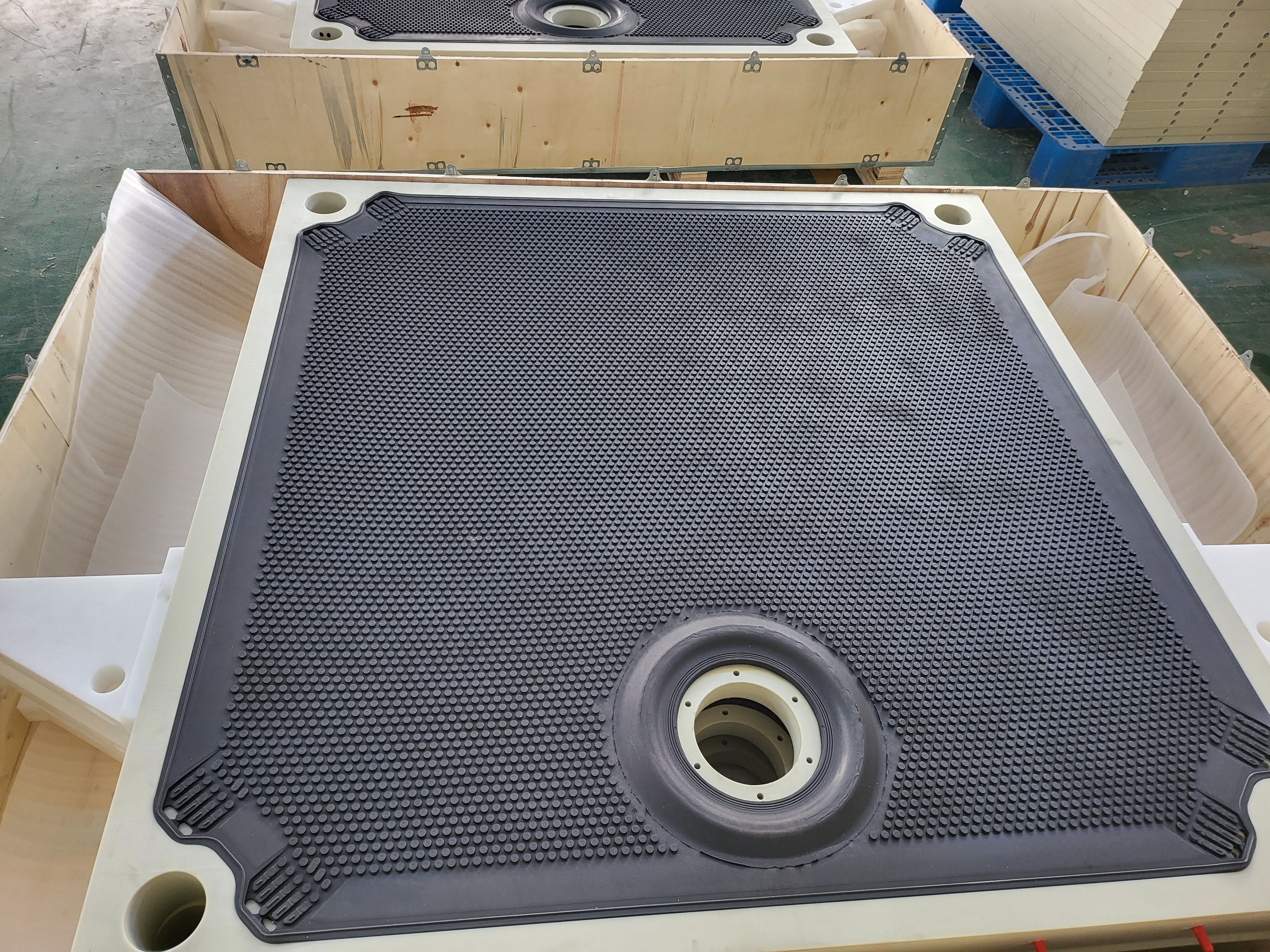
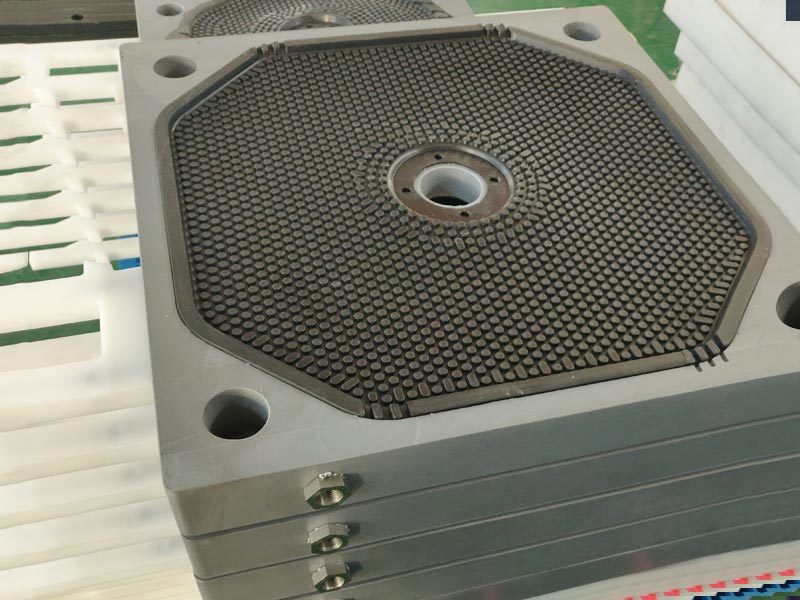
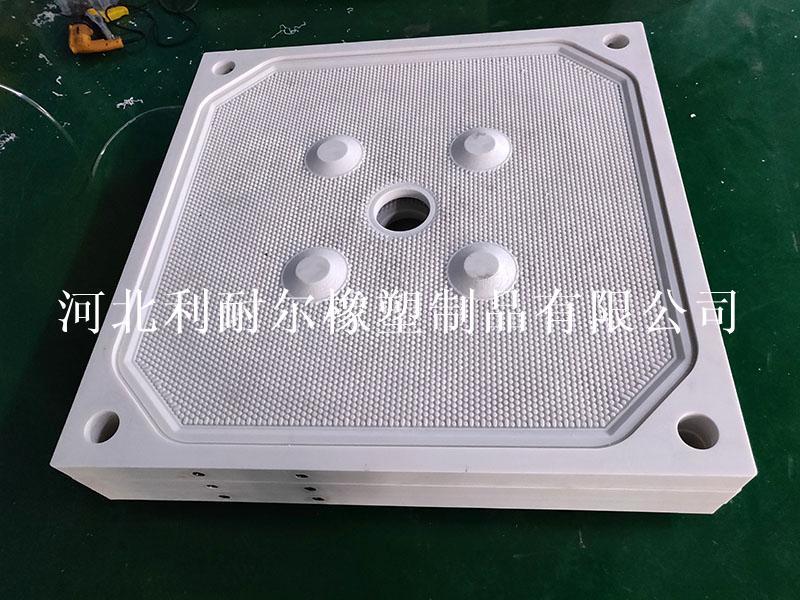
1500*1500 filter plates are essential components of industrial equipment used for filtration purposes. These plates play a crucial role in separating solids from liquids, ensuring the efficiency and effectiveness of various industrial processes.
Heading 2: Preparing for Installation
Before you begin installing the 1500*1500 filter plates, it's important to gather the necessary tools and equipment. Additionally, ensure that you follow safety precautions to prevent any accidents or injuries during the installation process.
Heading 3: Step 1: Assessing Your Industrial Equipment
To install the filter plates correctly, you need to assess your industrial equipment and identify the ideal location for the installation. Measure the available space to determine the suitability of the 1500*1500 filter plates.
Heading 4: Step 2: Choosing the Right Filter Plates
Selecting the appropriate filter plates is crucial for optimal filtration performance. Understand the different types of filter plates available and consider factors such as material and design before making your decision.
Heading 5: Step 3: Preparing the Filter Plates
Before installation, inspect the filter plates for any damage. Clean and rinse them thoroughly to remove any impurities that may affect their functionality.
Heading 6: Step 4: Positioning the Filter Plates
Follow the instructions provided by the equipment manufacturer to position the filter plates correctly. Proper alignment is crucial for optimal filtration efficiency.
Heading 7: Step 5: Securing the Filter Plates
Ensure that you use the provided fastening mechanisms to secure the filter plates in place. Tighten the fasteners properly to prevent any leakage or misalignment.
Heading 8: Step 6: Testing the Filter Plates
After installation, it's essential to test the filter plates for any potential issues. Check for leaks or misalignments and run a test cycle with water or the appropriate fluid to ensure everything is working as expected.
Heading 9: Step 7: Maintenance and Troubleshooting
Regular maintenance is crucial to ensure the longevity and efficiency of the filter plates. Inspect and clean them regularly, addressing any issues promptly to prevent further damage.
Heading 10: Frequently Asked Questions (FAQs)
Here are some commonly asked questions about installing 1500*1500 filter plates:
FAQ 1: Can I install the filter plates myself, or should I hire a professional?
While it is possible to install the filter plates yourself, it is recommended to hire a professional for the best results. They have the expertise and experience to ensure a proper installation.
FAQ 2: How often should I replace the filter plates?
The frequency of filter plate replacement depends on several factors, including the type of filtration process and the nature of the substances being filtered. Consult the equipment manufacturer or a professional for guidance on replacement intervals.
FAQ 3: What are the common problems that may occur during installation?
Common problems during installation may include misalignment, leaks, or damage to the filter plates. Proper preparation and following the installation steps carefully can help avoid these issues.
FAQ 4: Can I reuse filter plates in different equipment?
In some cases, filter plates can be reused in different equipment, especially if they are compatible in terms of size and design. However, it is important to consult the manufacturer's guidelines to ensure proper compatibility.
FAQ 5: How long does the installation process typically take?
The installation process duration varies depending on several factors, including the complexity of the equipment and the level of expertise. On average, it may take several hours to complete the installation.
Conclusion
In conclusion, installing 1500*1500 filter plates in your industrial equipment is a crucial step to ensure efficient filtration processes. By following the step-by-step guide provided, you can successfully install these filter plates and enhance the performance of your industrial equipment. Regular maintenance and prompt troubleshooting will help prolong the lifespan of the filter plates and optimize their functionality. Remember to consult professionals or the equipment manufacturer whenever necessary for the best results.
1. Introduction to 1500*1500 Filter Plates
2. Preparing for Installation
2.1. Gather the Necessary Tools and Equipment
2.2. Ensure Safety Precautions
3. Step 1: Assessing Your Industrial Equipment
3.1. Identify the Location for Filter Plate Installation
3.2. Measure the Available Space
4. Step 2: Choosing the Right Filter Plates
4.1. Understand the Different Types of Filter Plates
4.2. Consider the Material and Design
5. Step 3: Preparing the Filter Plates
5.1. Inspect the Plates for Any Damage
5.2. Clean and Rinse the Plates Thoroughly
6. Step 4: Positioning the Filter Plates
6.1. Follow the Equipment Manufacturer's Instructions
6.2. Align the Plates Correctly
7. Step 5: Securing the Filter Plates
7.1. Use the Provided Fastening Mechanisms
7.2. Tighten the Fasteners Properly
8. Step 6: Testing the Filter Plates
8.1. Check for Leaks or Misalignments
8.2. Run a Test Cycle with Water or the Appropriate Fluid
9. Step 7: Maintenance and Troubleshooting
9.1. Regularly Inspect and Clean the Filter Plates
9.2. Address Any Issues Promptly
10. Frequently Asked Questions (FAQs)
10.1. Can I install the filter plates myself, or should I hire a professional?
10.2. How often should I replace the filter plates?
10.3. What are the common problems that may occur during installation?
10.4. Can I reuse filter plates in different equipment?
10.5. How long does the installation process typically take?
11. Conclusion
Heading 1: Introduction to 1500*1500 Filter Plates
Introduction to 1500*1500 Filter Plates
1500*1500 filter plates are essential components of industrial equipment used for filtration purposes. These plates play a crucial role in separating solids from liquids, ensuring the efficiency and effectiveness of various industrial processes.
Heading 2: Preparing for Installation
Preparing for Installation
Before you begin installing the 1500*1500 filter plates, it's important to gather the necessary tools and equipment. Additionally, ensure that you follow safety precautions to prevent any accidents or injuries during the installation process.
Heading 3: Step 1: Assessing Your Industrial Equipment
Step 1: Assessing Your Industrial Equipment
To install the filter plates correctly, you need to assess your industrial equipment and identify the ideal location for the installation. Measure the available space to determine the suitability of the 1500*1500 filter plates.
Heading 4: Step 2: Choosing the Right Filter Plates
Step 2: Choosing the Right Filter Plates
Selecting the appropriate filter plates is crucial for optimal filtration performance. Understand the different types of filter plates available and consider factors such as material and design before making your decision.
Heading 5: Step 3: Preparing the Filter Plates
Step 3: Preparing the Filter Plates
Before installation, inspect the filter plates for any damage. Clean and rinse them thoroughly to remove any impurities that may affect their functionality.
Heading 6: Step 4: Positioning the Filter Plates
Step 4: Positioning the Filter Plates
Follow the instructions provided by the equipment manufacturer to position the filter plates correctly. Proper alignment is crucial for optimal filtration efficiency.
Heading 7: Step 5: Securing the Filter Plates
Step 5: Securing the Filter Plates
Ensure that you use the provided fastening mechanisms to secure the filter plates in place. Tighten the fasteners properly to prevent any leakage or misalignment.
Heading 8: Step 6: Testing the Filter Plates
Step 6: Testing the Filter Plates
After installation, it's essential to test the filter plates for any potential issues. Check for leaks or misalignments and run a test cycle with water or the appropriate fluid to ensure everything is working as expected.
Heading 9: Step 7: Maintenance and Troubleshooting
Step 7: Maintenance and Troubleshooting
Regular maintenance is crucial to ensure the longevity and efficiency of the filter plates. Inspect and clean them regularly, addressing any issues promptly to prevent further damage.
Heading 10: Frequently Asked Questions (FAQs)
Frequently Asked Questions (FAQs)
Here are some commonly asked questions about installing 1500*1500 filter plates:
FAQ 1: Can I install the filter plates myself, or should I hire a professional?
Can I install the filter plates myself, or should I hire a professional?
While it is possible to install the filter plates yourself, it is recommended to hire a professional for the best results. They have the expertise and experience to ensure a proper installation.
FAQ 2: How often should I replace the filter plates?
How often should I replace the filter plates?
The frequency of filter plate replacement depends on several factors, including the type of filtration process and the nature of the substances being filtered. Consult the equipment manufacturer or a professional for guidance on replacement intervals.
FAQ 3: What are the common problems that may occur during installation?
What are the common problems that may occur during installation?
Common problems during installation may include misalignment, leaks, or damage to the filter plates. Proper preparation and following the installation steps carefully can help avoid these issues.
FAQ 4: Can I reuse filter plates in different equipment?
Can I reuse filter plates in different equipment?
In some cases, filter plates can be reused in different equipment, especially if they are compatible in terms of size and design. However, it is important to consult the manufacturer's guidelines to ensure proper compatibility.
FAQ 5: How long does the installation process typically take?
How long does the installation process typically take?
The installation process duration varies depending on several factors, including the complexity of the equipment and the level of expertise. On average, it may take several hours to complete the installation.
Conclusion
In conclusion, installing 1500*1500 filter plates in your industrial equipment is a crucial step to ensure efficient filtration processes. By following the step-by-step guide provided, you can successfully install these filter plates and enhance the performance of your industrial equipment. Regular maintenance and prompt troubleshooting will help prolong the lifespan of the filter plates and optimize their functionality. Remember to consult professionals or the equipment manufacturer whenever necessary for the best results.
Related News