
-
AboutHebei Linaier Rubber Products Co., Ltd. is located in Duqiao Industrial Zone, Jingxian City, Hebei Province, adjacent to Dezhou, Shandong. Founded in early 2001 with a registered capital of 35 million yuan, it is a scientific

-
ProductMain products: vertical and horizontal imported and domestic filter plates, diaphragm plates, diaphragms and accessories; pinch valve sleeves and pinch valves and various mining accessories.
-
NewsIn 2013, our company's high-pressure cylinder with phenolic cloth support and guide ring obtained the national key new product certificate, project number: 2013GRA20011; its products in coal cylinders and engineering hydrauli
-
ServiceWe will actively cooperate with more enthusiasm, strengthen internal management, expand the market externally, improve various performance indicators of existing products, and truly achieve our win-win situation!
-
RecruitmentOur company always adheres to the talent concept of "people-oriented", provides a growth platform for talents, and realizes the common growth and development of enterprises and talents.


language
English
العربية
বাংলাদেশ
Български
Hrvatski
Česky
Dansk
Nederland
 Esperanto
Slovenski
Filipino
Suomi
Français
Maori
 Shqiptare
Georgian
 Euskara
Deutsch
Ελλάδα
ישראל
इंडिया
Magyarország
Ísland
Indonesia
Irlanda
Italia
日本語
Sovensko
Հայաստան
한국
Kyrgyz
ປະເທດລາວ
 Zulu
Zulu
Latvian
Lithuanian
Luxembourgish
 Latinus
Macedonian
Малайская
Maltese
Монгол улс
 Cymraeg
ဗမာ
 தமிழ்
தமிழ்
नेपाल
Norge
ایران
Polska
Portugal
România
Российская
Србија
 Slovak
Србија
 Slovak
Bosanski
Slovenian
Беларус
España
Sverige
Точик
ประเทศไทย
Türk
Azərbaycan
Uzbek
 Afrikaans
Việt Nam

The Ultimate Guide to Choosing VPA20 Filter Plates
Release time:
2023-11-07
Table of Contents: 1. Introduction: Understanding VPA20 Filter Plates 2. Factors to Consider When Choosing VPA20 Filter Plates 3. The Benefits of Using VPA20 Filter Plates 4. Types of VPA20 Filter Plates a. Type A: High-Performance Filter Plates b. Type B: Standard Filter Plates c. Type C: Customized Filter Plates 5. Selecting the Right Material for VPA20 Filter Plates a. Polypropylene
Table of Contents:
1. Introduction: Understanding VPA20 Filter Plates
2. Factors to Consider When Choosing VPA20 Filter Plates
3. The Benefits of Using VPA20 Filter Plates
4. Types of VPA20 Filter Plates
a. Type A: High-Performance Filter Plates
b. Type B: Standard Filter Plates
c. Type C: Customized Filter Plates
5. Selecting the Right Material for VPA20 Filter Plates
a. Polypropylene Filter Plates
b. Stainless Steel Filter Plates
c. Cast Iron Filter Plates
6. Size and Design Considerations for VPA20 Filter Plates
a. Plate Size and Thickness
b. Recessed vs. Membrane Filter Plates
c. Filtration Area and Capacity
7. Understanding Filtration Efficiency and Cake Release
a. Micron Ratings and Particle Size
b. Cake Release Mechanisms
8. Compatibility with VPA20 Filter Press Systems
a. Plate and Frame Filter Press
b. Chamber Filter Press
c. Membrane Filter Press
9. Maintenance and Cleaning of VPA20 Filter Plates
a. Regular Inspection and Replacement
b. Cleaning Techniques and Recommendations
10. Frequently Asked Questions (FAQs)
a. What is the lifespan of VPA20 filter plates?
b. How often should I replace VPA20 filter plates?
c. Can VPA20 filter plates be used for hazardous substances?
d. Are VPA20 filter plates compatible with other filter press systems?
e. What is the recommended cleaning procedure for VPA20 filter plates?
1. Introduction: Understanding VPA20 Filter Plates
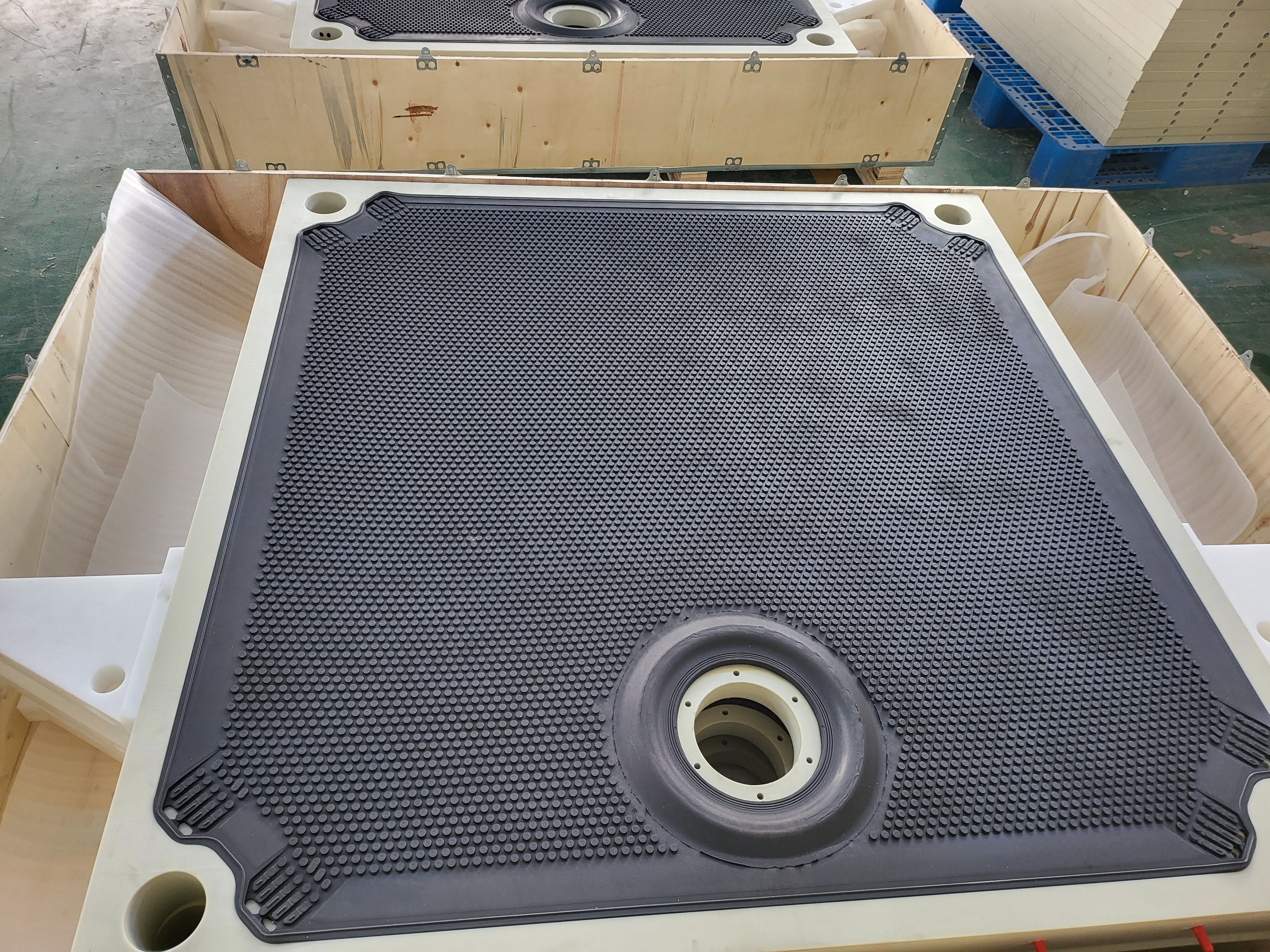
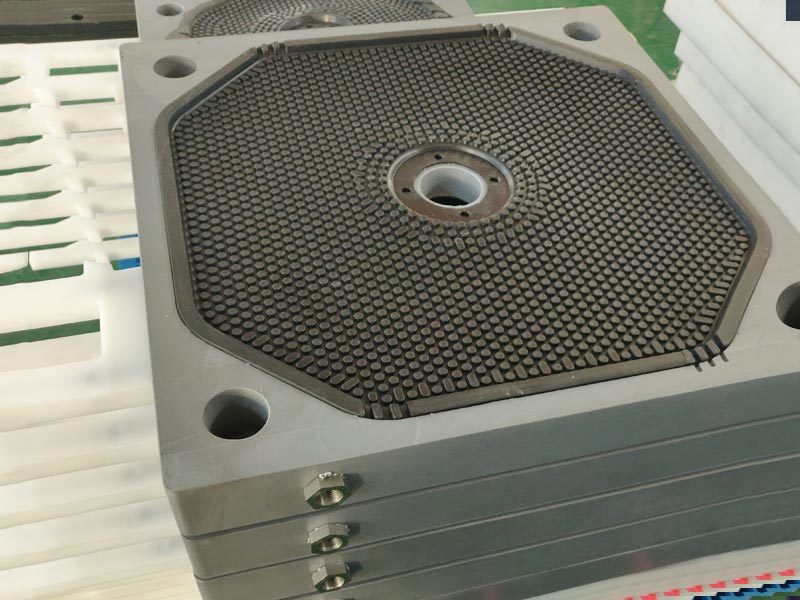
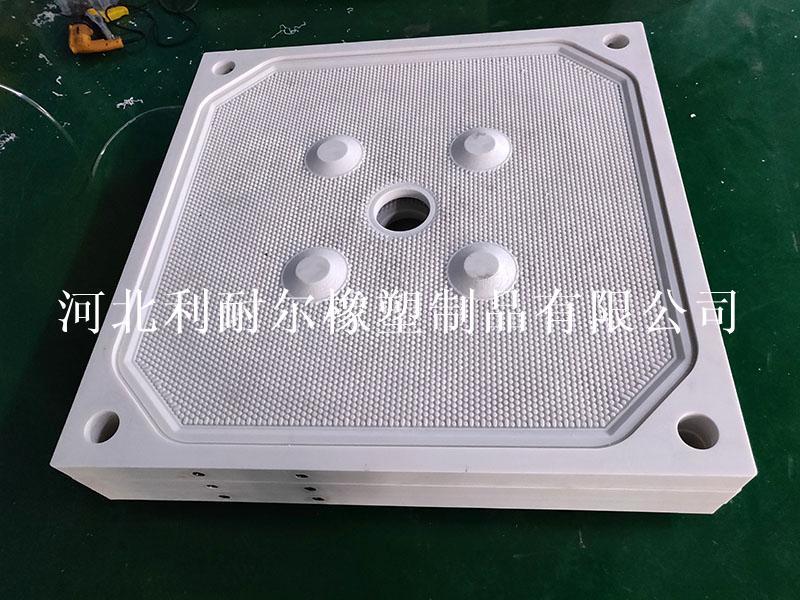
VPA20 filter plates are essential components of industrial equipment used for filtration purposes. They play a crucial role in separating solids from liquids, ensuring optimum performance and efficiency. In this guide, we will dive deeper into the selection process to help you make an informed decision.
2. Factors to Consider When Choosing VPA20 Filter Plates
To choose the right VPA20 filter plates, several factors need to be considered. These include filtration requirements, operating conditions, compatibility with filter press systems, and more. By understanding these factors, you can ensure that your filter plates meet your specific needs.
3. The Benefits of Using VPA20 Filter Plates
VPA20 filter plates offer various advantages, including high filtration efficiency, durability, and versatility. They are designed to withstand harsh environments and can be customized to suit different applications. Choosing VPA20 filter plates ensures optimal performance and longevity.
4. Types of VPA20 Filter Plates
VPA20 filter plates come in different types, each catering to specific filtration requirements. Type A filter plates are known for their high performance, while Type B offers standard filtration capabilities. Type C filter plates can be customized to meet unique needs, providing flexibility and efficiency.
5. Selecting the Right Material for VPA20 Filter Plates
The choice of material for VPA20 filter plates is crucial, as it determines their durability, chemical resistance, and suitability for specific applications. Polypropylene, stainless steel, and cast iron are commonly used materials, each with its own set of benefits and considerations.
6. Size and Design Considerations for VPA20 Filter Plates
When selecting VPA20 filter plates, factors such as plate size, thickness, design (recessed or membrane), and filtration area are important considerations. These factors impact the filtration efficiency, capacity, and cake release mechanism of the filter plates.
7. Understanding Filtration Efficiency and Cake Release
Filtration efficiency is determined by the micron rating of the filter plates, which indicates the smallest particle size they can capture. Additionally, the cake release mechanism affects the ease of cake removal from the filter plates, ensuring smooth operation and maintenance.
8. Compatibility with VPA20 Filter Press Systems
VPA20 filter plates are designed to be compatible with various filter press systems, including plate and frame, chamber, and membrane filter presses. Understanding the compatibility allows for seamless integration and optimal filtration performance.
9. Maintenance and Cleaning of VPA20 Filter Plates
Regular inspection and maintenance of VPA20 filter plates are vital to their longevity and performance. This section provides guidance on inspecting and replacing worn-out plates, as well as recommended cleaning techniques to ensure optimal filtration efficiency.
10. Frequently Asked Questions (FAQs)
a. What is the lifespan of VPA20 filter plates?
b. How often should I replace VPA20 filter plates?
c. Can VPA20 filter plates be used for hazardous substances?
d. Are VPA20 filter plates compatible with other filter press systems?
e. What is the recommended cleaning procedure for VPA20 filter plates?
In conclusion, choosing the right VPA20 filter plates is crucial for achieving efficient and reliable filtration in your industrial equipment. By considering factors such as filtration requirements, material selection, and compatibility with filter press systems, you can make an informed decision that ensures optimal performance and longevity. With this comprehensive guide, you are equipped with the knowledge to select the perfect VPA20 filter plates for your needs.
1. Introduction: Understanding VPA20 Filter Plates
2. Factors to Consider When Choosing VPA20 Filter Plates
3. The Benefits of Using VPA20 Filter Plates
4. Types of VPA20 Filter Plates
a. Type A: High-Performance Filter Plates
b. Type B: Standard Filter Plates
c. Type C: Customized Filter Plates
5. Selecting the Right Material for VPA20 Filter Plates
a. Polypropylene Filter Plates
b. Stainless Steel Filter Plates
c. Cast Iron Filter Plates
6. Size and Design Considerations for VPA20 Filter Plates
a. Plate Size and Thickness
b. Recessed vs. Membrane Filter Plates
c. Filtration Area and Capacity
7. Understanding Filtration Efficiency and Cake Release
a. Micron Ratings and Particle Size
b. Cake Release Mechanisms
8. Compatibility with VPA20 Filter Press Systems
a. Plate and Frame Filter Press
b. Chamber Filter Press
c. Membrane Filter Press
9. Maintenance and Cleaning of VPA20 Filter Plates
a. Regular Inspection and Replacement
b. Cleaning Techniques and Recommendations
10. Frequently Asked Questions (FAQs)
a. What is the lifespan of VPA20 filter plates?
b. How often should I replace VPA20 filter plates?
c. Can VPA20 filter plates be used for hazardous substances?
d. Are VPA20 filter plates compatible with other filter press systems?
e. What is the recommended cleaning procedure for VPA20 filter plates?
1. Introduction: Understanding VPA20 Filter Plates
VPA20 filter plates are essential components of industrial equipment used for filtration purposes. They play a crucial role in separating solids from liquids, ensuring optimum performance and efficiency. In this guide, we will dive deeper into the selection process to help you make an informed decision.
2. Factors to Consider When Choosing VPA20 Filter Plates
To choose the right VPA20 filter plates, several factors need to be considered. These include filtration requirements, operating conditions, compatibility with filter press systems, and more. By understanding these factors, you can ensure that your filter plates meet your specific needs.
3. The Benefits of Using VPA20 Filter Plates
VPA20 filter plates offer various advantages, including high filtration efficiency, durability, and versatility. They are designed to withstand harsh environments and can be customized to suit different applications. Choosing VPA20 filter plates ensures optimal performance and longevity.
4. Types of VPA20 Filter Plates
VPA20 filter plates come in different types, each catering to specific filtration requirements. Type A filter plates are known for their high performance, while Type B offers standard filtration capabilities. Type C filter plates can be customized to meet unique needs, providing flexibility and efficiency.
5. Selecting the Right Material for VPA20 Filter Plates
The choice of material for VPA20 filter plates is crucial, as it determines their durability, chemical resistance, and suitability for specific applications. Polypropylene, stainless steel, and cast iron are commonly used materials, each with its own set of benefits and considerations.
6. Size and Design Considerations for VPA20 Filter Plates
When selecting VPA20 filter plates, factors such as plate size, thickness, design (recessed or membrane), and filtration area are important considerations. These factors impact the filtration efficiency, capacity, and cake release mechanism of the filter plates.
7. Understanding Filtration Efficiency and Cake Release
Filtration efficiency is determined by the micron rating of the filter plates, which indicates the smallest particle size they can capture. Additionally, the cake release mechanism affects the ease of cake removal from the filter plates, ensuring smooth operation and maintenance.
8. Compatibility with VPA20 Filter Press Systems
VPA20 filter plates are designed to be compatible with various filter press systems, including plate and frame, chamber, and membrane filter presses. Understanding the compatibility allows for seamless integration and optimal filtration performance.
9. Maintenance and Cleaning of VPA20 Filter Plates
Regular inspection and maintenance of VPA20 filter plates are vital to their longevity and performance. This section provides guidance on inspecting and replacing worn-out plates, as well as recommended cleaning techniques to ensure optimal filtration efficiency.
10. Frequently Asked Questions (FAQs)
a. What is the lifespan of VPA20 filter plates?
b. How often should I replace VPA20 filter plates?
c. Can VPA20 filter plates be used for hazardous substances?
d. Are VPA20 filter plates compatible with other filter press systems?
e. What is the recommended cleaning procedure for VPA20 filter plates?
In conclusion, choosing the right VPA20 filter plates is crucial for achieving efficient and reliable filtration in your industrial equipment. By considering factors such as filtration requirements, material selection, and compatibility with filter press systems, you can make an informed decision that ensures optimal performance and longevity. With this comprehensive guide, you are equipped with the knowledge to select the perfect VPA20 filter plates for your needs.
Related News