
-
AboutHebei Linaier Rubber Products Co., Ltd. is located in Duqiao Industrial Zone, Jingxian City, Hebei Province, adjacent to Dezhou, Shandong. Founded in early 2001 with a registered capital of 35 million yuan, it is a scientific

-
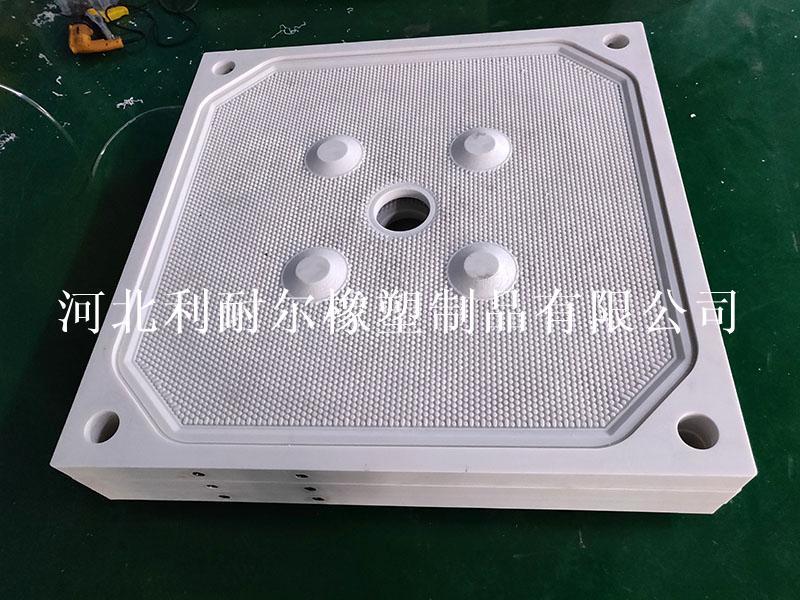
ProductMain products: vertical and horizontal imported and domestic filter plates, diaphragm plates, diaphragms and accessories; pinch valve sleeves and pinch valves and various mining accessories.
-
NewsIn 2013, our company's high-pressure cylinder with phenolic cloth support and guide ring obtained the national key new product certificate, project number: 2013GRA20011; its products in coal cylinders and engineering hydrauli
-
ServiceWe will actively cooperate with more enthusiasm, strengthen internal management, expand the market externally, improve various performance indicators of existing products, and truly achieve our win-win situation!
-
RecruitmentOur company always adheres to the talent concept of "people-oriented", provides a growth platform for talents, and realizes the common growth and development of enterprises and talents.


language
English
العربية
বাংলাদেশ
Български
Hrvatski
Česky
Dansk
Nederland
 Esperanto
Slovenski
Filipino
Suomi
Français
Maori
 Shqiptare
Georgian
 Euskara
Deutsch
Ελλάδα
ישראל
इंडिया
Magyarország
Ísland
Indonesia
Irlanda
Italia
日本語
Sovensko
Հայաստան
한국
Kyrgyz
ປະເທດລາວ
 Zulu
Zulu
Latvian
Lithuanian
Luxembourgish
 Latinus
Macedonian
Малайская
Maltese
Монгол улс
 Cymraeg
ဗမာ
 தமிழ்
தமிழ்
नेपाल
Norge
ایران
Polska
Portugal
România
Российская
Србија
 Slovak
Србија
 Slovak
Bosanski
Slovenian
Беларус
España
Sverige
Точик
ประเทศไทย
Türk
Azərbaycan
Uzbek
 Afrikaans
Việt Nam

The Importance of Sealing Rings for Filter Plates in Industrial Equipment
Release time:
2023-11-05
Table of Contents: 1. Introduction: Understanding the Role of Sealing Rings in Industrial Equipment 2. What are Sealing Rings and How Do They Work? 3. The Significance of Sealing Rings for Filter Plates in Industrial Equipment 4. Benefits of Using Sealing Rings in Industrial Equipment 5. Factors to Consider When Choosing Sealing Rings for Filter Plates 6. Common Types of Sealing Rings for Industri
Table of Contents:
1. Introduction: Understanding the Role of Sealing Rings in Industrial Equipment
2. What are Sealing Rings and How Do They Work?
3. The Significance of Sealing Rings for Filter Plates in Industrial Equipment
4. Benefits of Using Sealing Rings in Industrial Equipment
5. Factors to Consider When Choosing Sealing Rings for Filter Plates
6. Common Types of Sealing Rings for Industrial Equipment
7. Installation and Maintenance Tips for Sealing Rings
8. Frequently Asked Questions (FAQs) About Sealing Rings for Filter Plates
9. Conclusion
Industrial equipment, especially those with filter plates, require precise and reliable sealing mechanisms to ensure optimal performance. Sealing rings play a crucial role in maintaining the integrity of the equipment by preventing leakage, avoiding contamination, and prolonging the lifespan of the machinery. In this article, we will delve into the importance of sealing rings for filter plates in industrial equipment and explore their benefits and considerations for selection and maintenance.
Sealing rings, also known as gaskets or o-rings, are circular components made from flexible materials such as rubber, silicone, or metal. They are designed to create a secure and tight seal between two mating surfaces, preventing the escape of fluids or gases and preventing the entry of contaminants.
These rings work by fitting into the designated groove or recess, forming a barrier between the contact surfaces. When compressed, the sealing ring fills any irregularities or gaps, ensuring a leak-free seal. The elasticity and flexibility of the material allow the sealing ring to adapt to changes in temperature, pressure, and movement, maintaining the integrity of the seal.
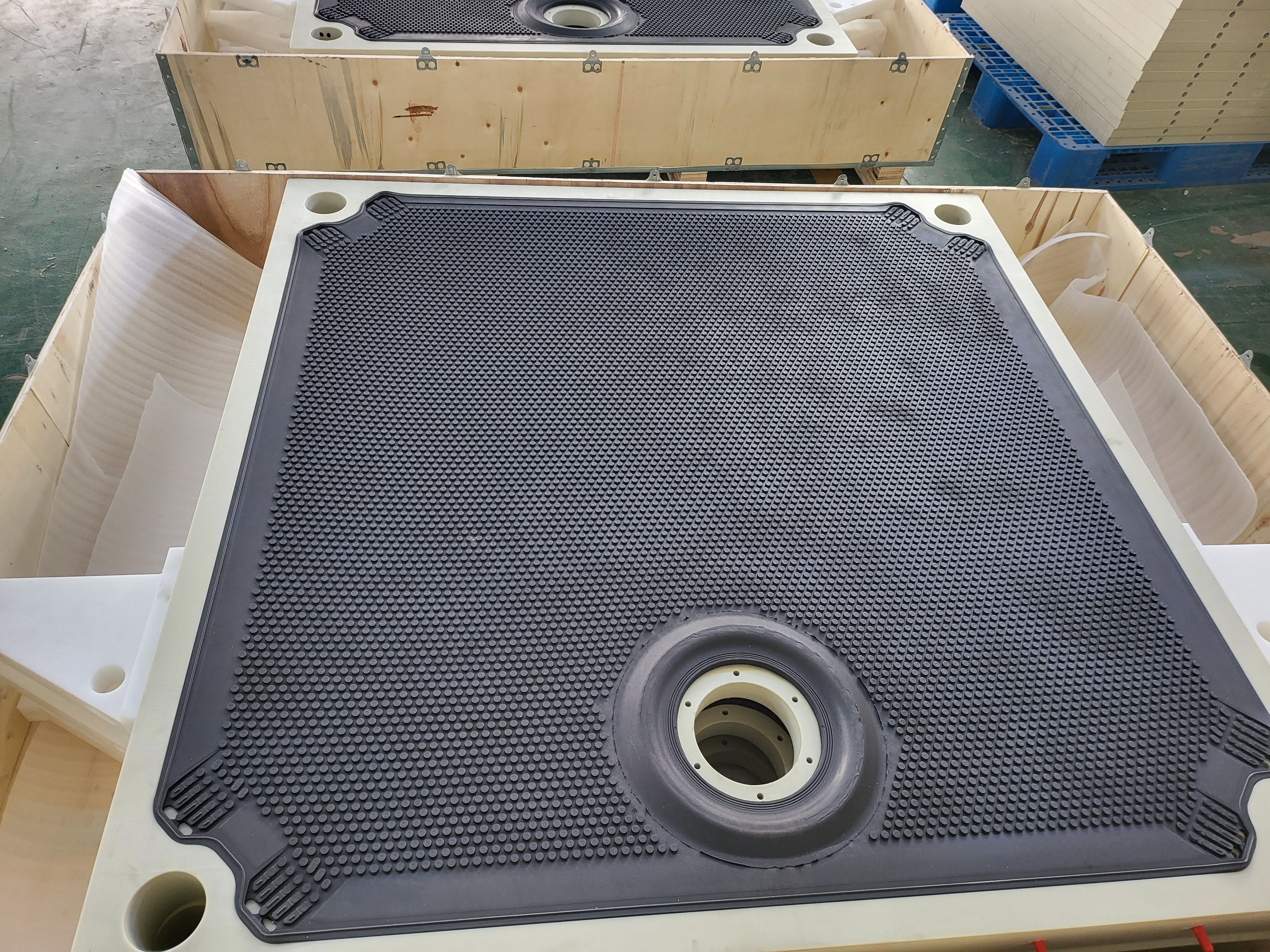
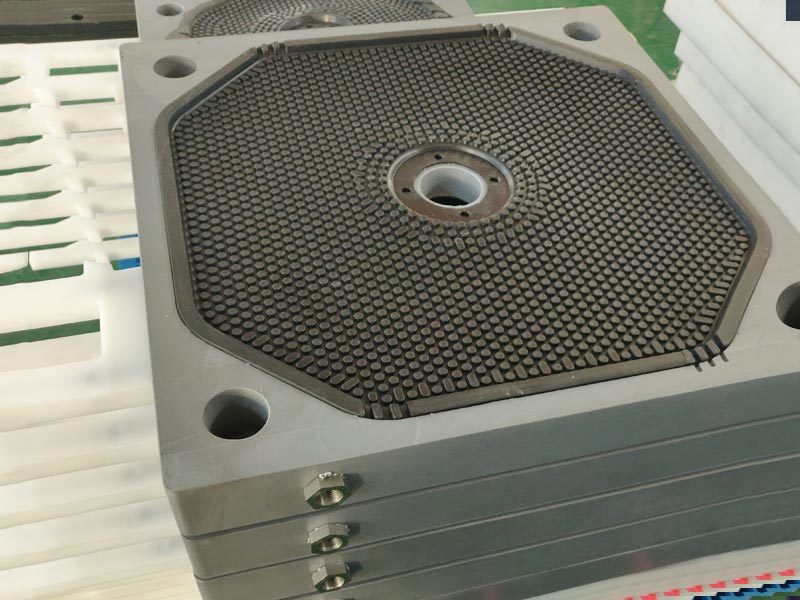
In industrial equipment, particularly those with filter plates, sealing rings play a pivotal role in the filtration process. Filter plates are essential components in various industries such as chemical processing, pharmaceuticals, and wastewater treatment. They are responsible for separating solids from liquids or gases, ensuring the purity and quality of the final product.
Sealing rings for filter plates are vital for several reasons:
Filter plates rely on a tight seal to prevent the leakage of fluids or gases during the filtration process. Sealing rings create a barrier that ensures the substances being filtered remain contained within the designated chamber, avoiding any cross-contamination or loss of valuable resources. This is particularly critical in industries where even the slightest leakage can lead to significant financial losses or compromise product quality.
Efficient filtration requires a consistent and reliable seal between the filter plates. Sealing rings ensure that the pressure exerted on the filter plates is distributed evenly, promoting uniform filtration across the entire surface area. This uniformity enhances the filtration efficiency, maximizing the throughput and reducing processing time. With properly sealed filter plates, industries can achieve higher productivity and improve their overall operational efficiency.
Proper sealing of filter plates not only safeguards the filtration process but also contributes to the longevity of the industrial equipment. Sealing rings protect the delicate components of the machinery from premature wear and tear due to excessive vibration, pressure, or temperature fluctuations. By preventing damage and reducing the need for frequent repairs, sealing rings help minimize downtime and maintenance costs, ultimately increasing the lifespan of the equipment.
The utilization of sealing rings in industrial equipment offers a multitude of benefits, including:
Sealing rings create a reliable barrier against leaks, ensuring the integrity of the equipment and preventing costly losses of fluids or gases. By maintaining a secure seal, industries can avoid environmental pollution, product contamination, and potential safety hazards.
The presence of sealing rings provides an added layer of safety in industrial equipment. By preventing leakage and reducing the risk of accidents, sealing rings contribute to a safer working environment for operators and minimize the potential for equipment damage or failure.
Effective sealing with the use of sealing rings optimizes the efficiency and productivity of industrial equipment. By eliminating leaks, equipment downtime is reduced, and the filtration process can proceed uninterrupted, leading to higher throughput and increased productivity.
The prevention of leaks and the extended lifespan of equipment due to proper sealing significantly reduce maintenance and repair costs. Industries can allocate their resources more efficiently and invest in other areas of production, resulting in long-term cost savings.
Selecting the appropriate sealing rings for filter plates is crucial to ensure their effectiveness and compatibility with the industrial equipment. Consider the following factors when choosing sealing rings:
Different applications require sealing rings made from specific materials to withstand varying temperatures, pressures, and chemical exposures. Consider the compatibility of the sealing ring material with the fluids or gases being processed and the operating conditions of the equipment.
Ensure the sealing rings are of proper size and dimensions to fit snugly into the designated groove or recess of the filter plates. Incorrect sizing can compromise the seal and lead to leaks or inefficient filtration.
Take into account the operational pressure and temperature requirements of the industrial equipment. Choose sealing rings that can withstand the expected fluctuations and maintain their sealing properties under such conditions.
Consider the expected lifespan of the sealing rings and their resistance to wear, tear, and degradation. Opt for materials that offer excellent durability and longevity to minimize the frequency of replacements.
Several types of sealing rings are commonly used in industrial equipment. The choice of sealing ring depends on the specific application and the operating conditions. Some widely used types include:
Rubber sealing rings, usually made of synthetic rubber such as nitrile or silicone, are versatile and economical options. They provide effective sealing properties and are suitable for various moderate-temperature applications.
Metal sealing rings, often made of stainless steel or other alloys, offer excellent resistance to high temperatures and aggressive chemicals. They are commonly used in industries with harsh operating conditions.
Silicone sealing rings possess superior temperature resistance and flexibility, making them ideal for applications that involve extreme temperature fluctuations. They are commonly used in food processing, pharmaceuticals, and medical industries.
Proper installation and maintenance of sealing rings are essential for optimal performance and longevity. Consider the following tips:
Ensure the sealing rings are placed correctly in the designated groove or recess, following the manufacturer's instructions. Improper installation may result in a compromised seal and lead to leakage.
Periodically inspect the sealing rings for signs of wear, damage, or degradation. Replace any worn-out or damaged sealing rings promptly to maintain the integrity of the seal.
Keep the sealing surfaces and sealing rings clean from debris, dirt, or contaminants. Regularly clean the filter plates and sealing rings to avoid potential blockages or compromised seals.
If recommended by the manufacturer, apply a suitable lubricant to the sealing rings to facilitate smooth installation and operation. However, ensure the lubricant is compatible with the sealing ring material and the substances being processed.
Sealing ring lifespan depends on various factors such as material quality, operating conditions, and maintenance practices. On average, well-maintained sealing rings can last anywhere from several months to several years.
In most cases, sealing rings are not designed for reuse. Due to the potential for wear, deformation, or degradation, it is recommended to replace sealing rings with new ones to maintain optimal sealing performance.
The resistance of sealing rings to chemicals depends on the material used. Different materials have varying degrees of chemical resistance. It is crucial to select sealing rings that are compatible with the specific fluids or gases being processed.
Not all sealing rings require lubrication. Some materials, such as silicone, do not require additional lubrication. Refer to the manufacturer's guidelines to determine if lubrication is necessary and use a compatible lubricant if recommended.
The ability of sealing rings to withstand extreme temperatures depends on the material used. Certain materials, like silicone or metal, offer excellent temperature resistance and can withstand both high and low temperatures.
Sealing rings play a crucial role in industrial equipment, particularly in filter plates, by ensuring leak-free operations, maintaining the purity of substances being processed, and prolonging equipment lifespan. The proper selection, installation, and maintenance of sealing rings are vital for optimal performance and efficiency. By understanding the significance of sealing rings and implementing best practices, industries can enhance their operational productivity, reduce costs, and improve overall safety.
1. Introduction: Understanding the Role of Sealing Rings in Industrial Equipment
2. What are Sealing Rings and How Do They Work?
3. The Significance of Sealing Rings for Filter Plates in Industrial Equipment
4. Benefits of Using Sealing Rings in Industrial Equipment
5. Factors to Consider When Choosing Sealing Rings for Filter Plates
6. Common Types of Sealing Rings for Industrial Equipment
7. Installation and Maintenance Tips for Sealing Rings
8. Frequently Asked Questions (FAQs) About Sealing Rings for Filter Plates
9. Conclusion
1. Introduction: Understanding the Role of Sealing Rings in Industrial Equipment
Industrial equipment, especially those with filter plates, require precise and reliable sealing mechanisms to ensure optimal performance. Sealing rings play a crucial role in maintaining the integrity of the equipment by preventing leakage, avoiding contamination, and prolonging the lifespan of the machinery. In this article, we will delve into the importance of sealing rings for filter plates in industrial equipment and explore their benefits and considerations for selection and maintenance.
2. What are Sealing Rings and How Do They Work?
Sealing rings, also known as gaskets or o-rings, are circular components made from flexible materials such as rubber, silicone, or metal. They are designed to create a secure and tight seal between two mating surfaces, preventing the escape of fluids or gases and preventing the entry of contaminants.
These rings work by fitting into the designated groove or recess, forming a barrier between the contact surfaces. When compressed, the sealing ring fills any irregularities or gaps, ensuring a leak-free seal. The elasticity and flexibility of the material allow the sealing ring to adapt to changes in temperature, pressure, and movement, maintaining the integrity of the seal.
3. The Significance of Sealing Rings for Filter Plates in Industrial Equipment
In industrial equipment, particularly those with filter plates, sealing rings play a pivotal role in the filtration process. Filter plates are essential components in various industries such as chemical processing, pharmaceuticals, and wastewater treatment. They are responsible for separating solids from liquids or gases, ensuring the purity and quality of the final product.
Sealing rings for filter plates are vital for several reasons:
3.1 Preventing Leakage and Contamination
Filter plates rely on a tight seal to prevent the leakage of fluids or gases during the filtration process. Sealing rings create a barrier that ensures the substances being filtered remain contained within the designated chamber, avoiding any cross-contamination or loss of valuable resources. This is particularly critical in industries where even the slightest leakage can lead to significant financial losses or compromise product quality.
3.2 Enhancing Filtration Efficiency
Efficient filtration requires a consistent and reliable seal between the filter plates. Sealing rings ensure that the pressure exerted on the filter plates is distributed evenly, promoting uniform filtration across the entire surface area. This uniformity enhances the filtration efficiency, maximizing the throughput and reducing processing time. With properly sealed filter plates, industries can achieve higher productivity and improve their overall operational efficiency.
3.3 Extending Equipment Lifespan and Reducing Maintenance
Proper sealing of filter plates not only safeguards the filtration process but also contributes to the longevity of the industrial equipment. Sealing rings protect the delicate components of the machinery from premature wear and tear due to excessive vibration, pressure, or temperature fluctuations. By preventing damage and reducing the need for frequent repairs, sealing rings help minimize downtime and maintenance costs, ultimately increasing the lifespan of the equipment.
4. Benefits of Using Sealing Rings in Industrial Equipment
The utilization of sealing rings in industrial equipment offers a multitude of benefits, including:
4.1 Leak Prevention
Sealing rings create a reliable barrier against leaks, ensuring the integrity of the equipment and preventing costly losses of fluids or gases. By maintaining a secure seal, industries can avoid environmental pollution, product contamination, and potential safety hazards.
4.2 Enhanced Safety
The presence of sealing rings provides an added layer of safety in industrial equipment. By preventing leakage and reducing the risk of accidents, sealing rings contribute to a safer working environment for operators and minimize the potential for equipment damage or failure.
4.3 Improved Efficiency and Productivity
Effective sealing with the use of sealing rings optimizes the efficiency and productivity of industrial equipment. By eliminating leaks, equipment downtime is reduced, and the filtration process can proceed uninterrupted, leading to higher throughput and increased productivity.
4.4 Cost Savings
The prevention of leaks and the extended lifespan of equipment due to proper sealing significantly reduce maintenance and repair costs. Industries can allocate their resources more efficiently and invest in other areas of production, resulting in long-term cost savings.
5. Factors to Consider When Choosing Sealing Rings for Filter Plates
Selecting the appropriate sealing rings for filter plates is crucial to ensure their effectiveness and compatibility with the industrial equipment. Consider the following factors when choosing sealing rings:
5.1 Material Compatibility
Different applications require sealing rings made from specific materials to withstand varying temperatures, pressures, and chemical exposures. Consider the compatibility of the sealing ring material with the fluids or gases being processed and the operating conditions of the equipment.
5.2 Size and Dimensions
Ensure the sealing rings are of proper size and dimensions to fit snugly into the designated groove or recess of the filter plates. Incorrect sizing can compromise the seal and lead to leaks or inefficient filtration.
5.3 Pressure and Temperature Ratings
Take into account the operational pressure and temperature requirements of the industrial equipment. Choose sealing rings that can withstand the expected fluctuations and maintain their sealing properties under such conditions.
5.4 Longevity and Durability
Consider the expected lifespan of the sealing rings and their resistance to wear, tear, and degradation. Opt for materials that offer excellent durability and longevity to minimize the frequency of replacements.
6. Common Types of Sealing Rings for Industrial Equipment
Several types of sealing rings are commonly used in industrial equipment. The choice of sealing ring depends on the specific application and the operating conditions. Some widely used types include:
6.1 Rubber Sealing Rings
Rubber sealing rings, usually made of synthetic rubber such as nitrile or silicone, are versatile and economical options. They provide effective sealing properties and are suitable for various moderate-temperature applications.
6.2 Metal Sealing Rings
Metal sealing rings, often made of stainless steel or other alloys, offer excellent resistance to high temperatures and aggressive chemicals. They are commonly used in industries with harsh operating conditions.
6.3 Silicone Sealing Rings
Silicone sealing rings possess superior temperature resistance and flexibility, making them ideal for applications that involve extreme temperature fluctuations. They are commonly used in food processing, pharmaceuticals, and medical industries.
7. Installation and Maintenance Tips for Sealing Rings
Proper installation and maintenance of sealing rings are essential for optimal performance and longevity. Consider the following tips:
7.1 Careful Installation
Ensure the sealing rings are placed correctly in the designated groove or recess, following the manufacturer's instructions. Improper installation may result in a compromised seal and lead to leakage.
7.2 Regular Inspection
Periodically inspect the sealing rings for signs of wear, damage, or degradation. Replace any worn-out or damaged sealing rings promptly to maintain the integrity of the seal.
7.3 Cleanliness
Keep the sealing surfaces and sealing rings clean from debris, dirt, or contaminants. Regularly clean the filter plates and sealing rings to avoid potential blockages or compromised seals.
7.4 Lubrication (if applicable)
If recommended by the manufacturer, apply a suitable lubricant to the sealing rings to facilitate smooth installation and operation. However, ensure the lubricant is compatible with the sealing ring material and the substances being processed.
8. Frequently Asked Questions (FAQs) About Sealing Rings for Filter Plates
FAQ 1: What is the expected lifespan of sealing rings for filter plates?
Sealing ring lifespan depends on various factors such as material quality, operating conditions, and maintenance practices. On average, well-maintained sealing rings can last anywhere from several months to several years.
FAQ 2: Can sealing rings be reused?
In most cases, sealing rings are not designed for reuse. Due to the potential for wear, deformation, or degradation, it is recommended to replace sealing rings with new ones to maintain optimal sealing performance.
FAQ 3: Are sealing rings resistant to all types of chemicals?
The resistance of sealing rings to chemicals depends on the material used. Different materials have varying degrees of chemical resistance. It is crucial to select sealing rings that are compatible with the specific fluids or gases being processed.
FAQ 4: Can I use lubricants on all types of sealing rings?
Not all sealing rings require lubrication. Some materials, such as silicone, do not require additional lubrication. Refer to the manufacturer's guidelines to determine if lubrication is necessary and use a compatible lubricant if recommended.
FAQ 5: Can sealing rings withstand extreme temperatures?
The ability of sealing rings to withstand extreme temperatures depends on the material used. Certain materials, like silicone or metal, offer excellent temperature resistance and can withstand both high and low temperatures.
9. Conclusion
Sealing rings play a crucial role in industrial equipment, particularly in filter plates, by ensuring leak-free operations, maintaining the purity of substances being processed, and prolonging equipment lifespan. The proper selection, installation, and maintenance of sealing rings are vital for optimal performance and efficiency. By understanding the significance of sealing rings and implementing best practices, industries can enhance their operational productivity, reduce costs, and improve overall safety.
Related News