
-
AboutHebei Linaier Rubber Products Co., Ltd. is located in Duqiao Industrial Zone, Jingxian City, Hebei Province, adjacent to Dezhou, Shandong. Founded in early 2001 with a registered capital of 35 million yuan, it is a scientific

-
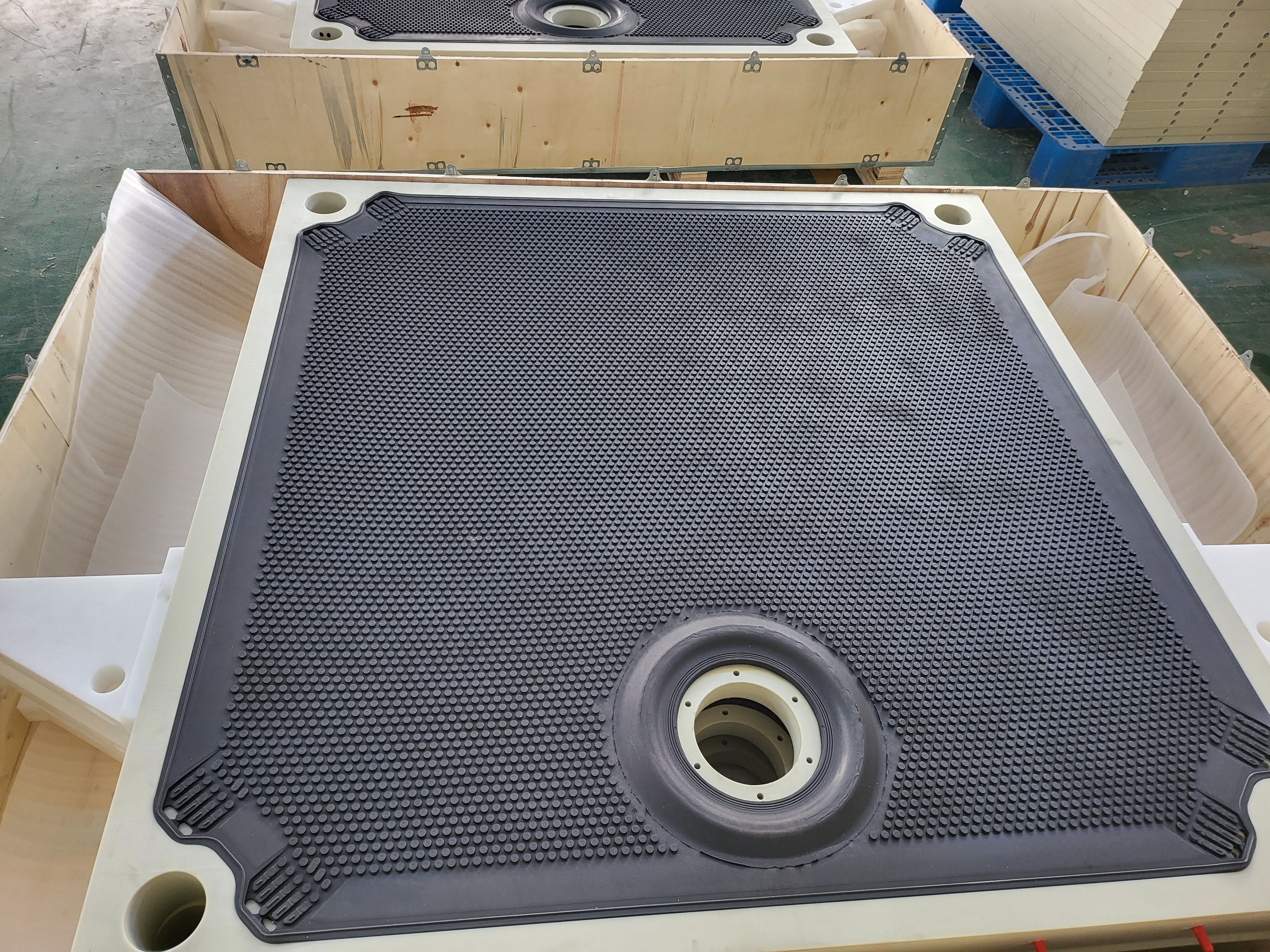
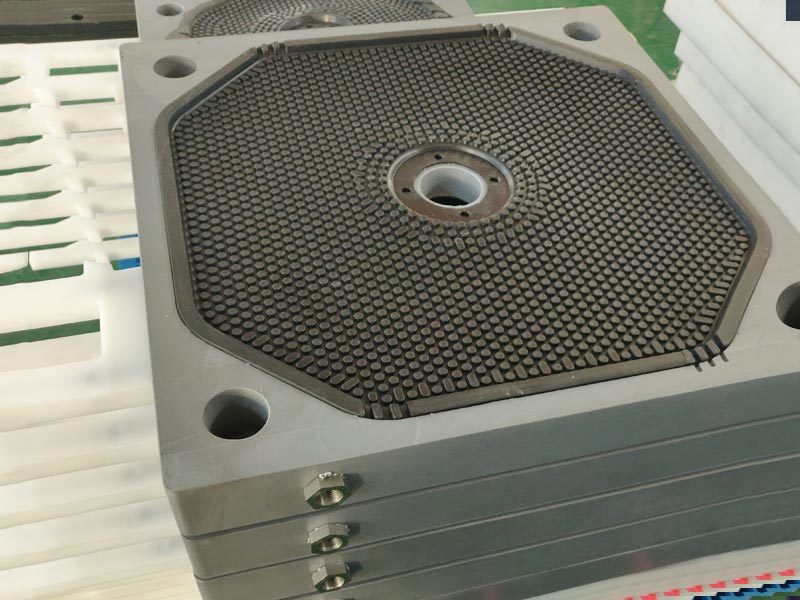
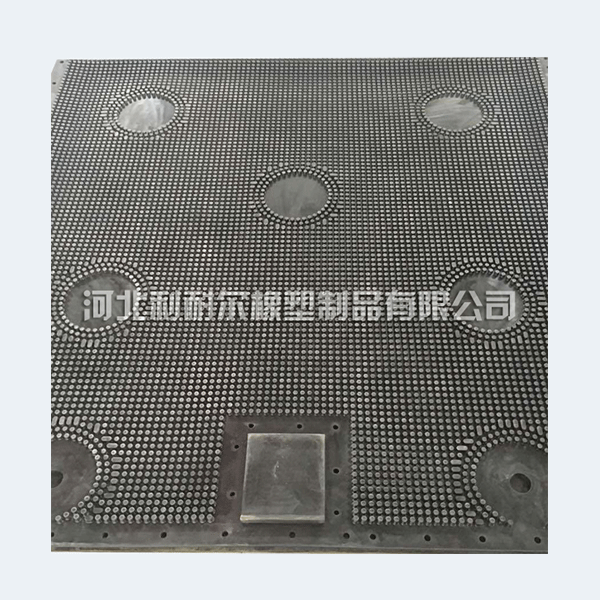
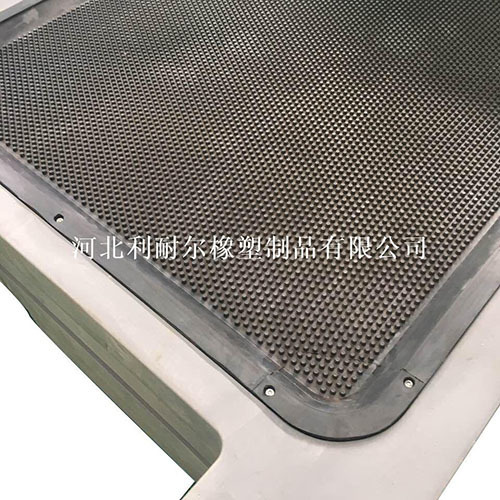
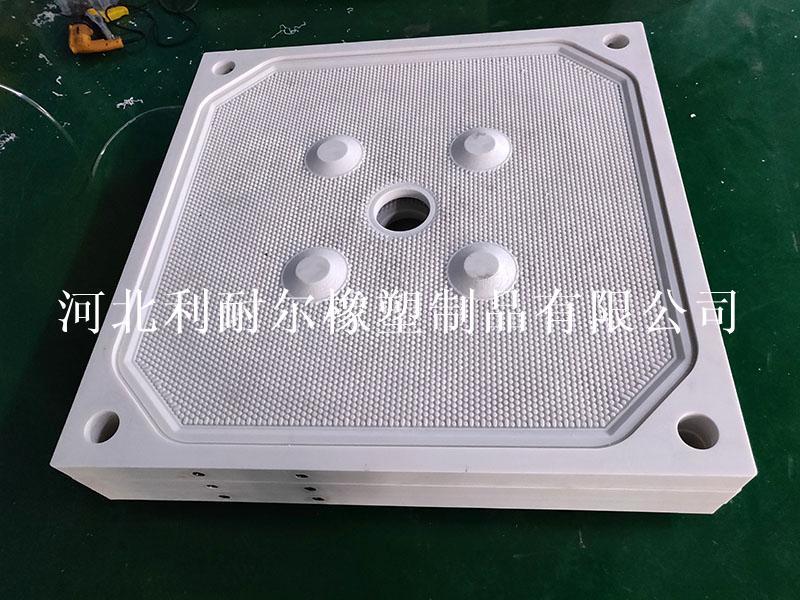
ProductMain products: vertical and horizontal imported and domestic filter plates, diaphragm plates, diaphragms and accessories; pinch valve sleeves and pinch valves and various mining accessories.
-
NewsIn 2013, our company's high-pressure cylinder with phenolic cloth support and guide ring obtained the national key new product certificate, project number: 2013GRA20011; its products in coal cylinders and engineering hydrauli
-
ServiceWe will actively cooperate with more enthusiasm, strengthen internal management, expand the market externally, improve various performance indicators of existing products, and truly achieve our win-win situation!
-
RecruitmentOur company always adheres to the talent concept of "people-oriented", provides a growth platform for talents, and realizes the common growth and development of enterprises and talents.


language
English
العربية
বাংলাদেশ
Български
Hrvatski
Česky
Dansk
Nederland
 Esperanto
Slovenski
Filipino
Suomi
Français
Maori
 Shqiptare
Georgian
 Euskara
Deutsch
Ελλάδα
ישראל
इंडिया
Magyarország
Ísland
Indonesia
Irlanda
Italia
日本語
Sovensko
Հայաստան
한국
Kyrgyz
ປະເທດລາວ
 Zulu
Zulu
Latvian
Lithuanian
Luxembourgish
 Latinus
Macedonian
Малайская
Maltese
Монгол улс
 Cymraeg
ဗမာ
 தமிழ்
தமிழ்
नेपाल
Norge
ایران
Polska
Portugal
România
Российская
Србија
 Slovak
Србија
 Slovak
Bosanski
Slovenian
Беларус
España
Sverige
Точик
ประเทศไทย
Türk
Azərbaycan
Uzbek
 Afrikaans
Việt Nam

The Ultimate Guide to Choosing the Right 1000 Filter Frame
Release time:
2023-11-03
## Table of Contents 1. Importance of Filter Frames 2. Types of Filter Frames 3. Factors to Consider When Choosing a Filter Frame 4. Materials Used in Filter Frames 5. How to Determine the Right Size for Your Filter Frame 6. Maintenance and Upkeep of Filter Frames 7. Frequently Asked Questions (FAQs) 8. Conclusion ## 1. Importance of Filter Frames Filter frames play a critical role in industrial e
## Table of Contents
1. Importance of Filter Frames
2. Types of Filter Frames
3. Factors to Consider When Choosing a Filter Frame
4. Materials Used in Filter Frames
5. How to Determine the Right Size for Your Filter Frame
6. Maintenance and Upkeep of Filter Frames
7. Frequently Asked Questions (FAQs)
8. Conclusion
## 1. Importance of Filter Frames
Filter frames play a critical role in industrial equipment and components. They provide structural support and ensure the efficient functioning of filters. A well-chosen filter frame enhances the overall performance and longevity of your filtration system.
## 2. Types of Filter Frames
There are several types of filter frames available in the market, each catering to specific requirements. The most common types include:
### H1: Box Filter Frames
Box filter frames are rectangular or square in shape, designed to hold filters firmly in place. They are widely used in HVAC systems and industrial applications.
### H2: Bag Filter Frames
Bag filter frames are cylindrical and used to secure bag filters. These frames are commonly found in liquid filtration systems and industrial processes.
### H2: Panel Filter Frames
Panel filter frames are typically made of metal and used to hold panel filters. They are commonly found in air conditioning units and ventilation systems.
### H2: Cartridge Filter Frames
Cartridge filter frames are used to house cartridge filters. They are popular in water treatment systems and various industrial applications.
## 3. Factors to Consider When Choosing a Filter Frame
When selecting a filter frame, it is essential to consider the following factors:
### H1: Filtration Efficiency
Choose a filter frame that complements the filtration efficiency of your filters. The frame should provide an airtight seal to prevent any bypass and ensure effective filtration.
### H2: Application and Environment
Consider the specific application and environment in which the filter frame will be used. Different industries may require specialized frames that can withstand high temperatures, corrosive environments, or heavy-duty operations.
### H2: Installation and Maintenance
Evaluate the ease of installation and maintenance requirements of the filter frame. Opt for frames that are easy to assemble, disassemble, and clean, as this can save time and effort in the long run.
### H2: Cost and Longevity
Balance your budget constraints with the expected lifespan of the filter frame. Investing in a high-quality frame may initially incur higher costs but can result in long-term savings due to reduced maintenance and replacement needs.
## 4. Materials Used in Filter Frames
Filter frames are typically constructed using various materials, depending on their intended applications. The most common materials include:
### H1: Metal Frames
Metal frames, such as aluminum, stainless steel, or galvanized steel, offer durability and resistance to corrosion. They are widely used in heavy-duty industrial applications.
### H2: Plastic Frames
Plastic frames, often made from PVC or polypropylene, are lightweight and cost-effective. They are suitable for applications that do not require high strength or resistance to extreme conditions.
### H2: Fiberglass Frames
Fiberglass frames are known for their excellent chemical resistance and durability. They are commonly used in environments with high humidity or corrosive substances.
## 5. How to Determine the Right Size for Your Filter Frame
To ensure the proper fit of your filter frame, follow these steps:
1. Measure the dimensions of the filter media (length, width, and thickness).
2. Add an extra allowance of 1/8 to 1/4 inch to each side to allow for easy insertion and removal.
3. Select a filter frame that matches the adjusted dimensions.
By accurately measuring and selecting the right size, you can prevent air leakage and ensure optimal filtration performance.
## 6. Maintenance and Upkeep of Filter Frames
Regular maintenance is crucial to prolong the lifespan and efficiency of your filter frame. Here are some essential maintenance tips:
- Clean the filter frame regularly to remove dust, debris, and contaminants.
- Inspect for any signs of damage or corrosion, and replace the frame if necessary.
- Follow the manufacturer's guidelines for maintenance and filter replacement schedules.
- Keep a record of maintenance activities for reference and tracking.
By adhering to a proper maintenance routine, you can maximize the lifespan and functionality of your filter frame.
## 7. Frequently Asked Questions (FAQs)
FAQ 1: Can I reuse a filter frame?
Answer: Yes, as long as the frame is in good condition and properly maintained, it can be reused multiple times.
FAQ 2: Can I customize a filter frame according to my specific requirements?
Answer: Yes, many manufacturers offer customization options to meet unique specifications and applications.
FAQ 3: How often should I replace the filter frame?
Answer: The lifespan of a filter frame depends on factors such as usage, environment, and maintenance. Regular inspections can help determine when a replacement is necessary.
FAQ 4: Can I use different types of filter frames within the same system?
Answer: Some systems allow the use of different types of filter frames, but it is essential to ensure proper compatibility and performance.
FAQ 5: Are filter frames interchangeable between brands?
Answer: Filter frames may vary in size and design between brands. It is recommended to consult the manufacturer or supplier for compatibility information.
## 8. Conclusion
Selecting the right 1000 filter frame for your industrial equipment and components is crucial for optimal filtration performance. By considering factors such as filtration efficiency, application, materials, and maintenance requirements, you can make an informed decision. Regular maintenance and proper upkeep will ensure the longevity and effectiveness of your filter frame. Choose wisely and enjoy the benefits of a well-designed filtration system.
1. Importance of Filter Frames
2. Types of Filter Frames
3. Factors to Consider When Choosing a Filter Frame
4. Materials Used in Filter Frames
5. How to Determine the Right Size for Your Filter Frame
6. Maintenance and Upkeep of Filter Frames
7. Frequently Asked Questions (FAQs)
8. Conclusion
## 1. Importance of Filter Frames
Filter frames play a critical role in industrial equipment and components. They provide structural support and ensure the efficient functioning of filters. A well-chosen filter frame enhances the overall performance and longevity of your filtration system.
## 2. Types of Filter Frames
There are several types of filter frames available in the market, each catering to specific requirements. The most common types include:
### H1: Box Filter Frames
Box filter frames are rectangular or square in shape, designed to hold filters firmly in place. They are widely used in HVAC systems and industrial applications.
### H2: Bag Filter Frames
Bag filter frames are cylindrical and used to secure bag filters. These frames are commonly found in liquid filtration systems and industrial processes.
### H2: Panel Filter Frames
Panel filter frames are typically made of metal and used to hold panel filters. They are commonly found in air conditioning units and ventilation systems.
### H2: Cartridge Filter Frames
Cartridge filter frames are used to house cartridge filters. They are popular in water treatment systems and various industrial applications.
## 3. Factors to Consider When Choosing a Filter Frame
When selecting a filter frame, it is essential to consider the following factors:
### H1: Filtration Efficiency
Choose a filter frame that complements the filtration efficiency of your filters. The frame should provide an airtight seal to prevent any bypass and ensure effective filtration.
### H2: Application and Environment
Consider the specific application and environment in which the filter frame will be used. Different industries may require specialized frames that can withstand high temperatures, corrosive environments, or heavy-duty operations.
### H2: Installation and Maintenance
Evaluate the ease of installation and maintenance requirements of the filter frame. Opt for frames that are easy to assemble, disassemble, and clean, as this can save time and effort in the long run.
### H2: Cost and Longevity
Balance your budget constraints with the expected lifespan of the filter frame. Investing in a high-quality frame may initially incur higher costs but can result in long-term savings due to reduced maintenance and replacement needs.
## 4. Materials Used in Filter Frames
Filter frames are typically constructed using various materials, depending on their intended applications. The most common materials include:
### H1: Metal Frames
Metal frames, such as aluminum, stainless steel, or galvanized steel, offer durability and resistance to corrosion. They are widely used in heavy-duty industrial applications.
### H2: Plastic Frames
Plastic frames, often made from PVC or polypropylene, are lightweight and cost-effective. They are suitable for applications that do not require high strength or resistance to extreme conditions.
### H2: Fiberglass Frames
Fiberglass frames are known for their excellent chemical resistance and durability. They are commonly used in environments with high humidity or corrosive substances.
## 5. How to Determine the Right Size for Your Filter Frame
To ensure the proper fit of your filter frame, follow these steps:
1. Measure the dimensions of the filter media (length, width, and thickness).
2. Add an extra allowance of 1/8 to 1/4 inch to each side to allow for easy insertion and removal.
3. Select a filter frame that matches the adjusted dimensions.
By accurately measuring and selecting the right size, you can prevent air leakage and ensure optimal filtration performance.
## 6. Maintenance and Upkeep of Filter Frames
Regular maintenance is crucial to prolong the lifespan and efficiency of your filter frame. Here are some essential maintenance tips:
- Clean the filter frame regularly to remove dust, debris, and contaminants.
- Inspect for any signs of damage or corrosion, and replace the frame if necessary.
- Follow the manufacturer's guidelines for maintenance and filter replacement schedules.
- Keep a record of maintenance activities for reference and tracking.
By adhering to a proper maintenance routine, you can maximize the lifespan and functionality of your filter frame.
## 7. Frequently Asked Questions (FAQs)
FAQ 1: Can I reuse a filter frame?
Answer: Yes, as long as the frame is in good condition and properly maintained, it can be reused multiple times.
FAQ 2: Can I customize a filter frame according to my specific requirements?
Answer: Yes, many manufacturers offer customization options to meet unique specifications and applications.
FAQ 3: How often should I replace the filter frame?
Answer: The lifespan of a filter frame depends on factors such as usage, environment, and maintenance. Regular inspections can help determine when a replacement is necessary.
FAQ 4: Can I use different types of filter frames within the same system?
Answer: Some systems allow the use of different types of filter frames, but it is essential to ensure proper compatibility and performance.
FAQ 5: Are filter frames interchangeable between brands?
Answer: Filter frames may vary in size and design between brands. It is recommended to consult the manufacturer or supplier for compatibility information.
## 8. Conclusion
Selecting the right 1000 filter frame for your industrial equipment and components is crucial for optimal filtration performance. By considering factors such as filtration efficiency, application, materials, and maintenance requirements, you can make an informed decision. Regular maintenance and proper upkeep will ensure the longevity and effectiveness of your filter frame. Choose wisely and enjoy the benefits of a well-designed filtration system.
Related News