
-
AboutHebei Linaier Rubber Products Co., Ltd. is located in Duqiao Industrial Zone, Jingxian City, Hebei Province, adjacent to Dezhou, Shandong. Founded in early 2001 with a registered capital of 35 million yuan, it is a scientific

-
ProductMain products: vertical and horizontal imported and domestic filter plates, diaphragm plates, diaphragms and accessories; pinch valve sleeves and pinch valves and various mining accessories.
-
NewsIn 2013, our company's high-pressure cylinder with phenolic cloth support and guide ring obtained the national key new product certificate, project number: 2013GRA20011; its products in coal cylinders and engineering hydrauli
-
ServiceWe will actively cooperate with more enthusiasm, strengthen internal management, expand the market externally, improve various performance indicators of existing products, and truly achieve our win-win situation!
-
RecruitmentOur company always adheres to the talent concept of "people-oriented", provides a growth platform for talents, and realizes the common growth and development of enterprises and talents.


language
English
العربية
বাংলাদেশ
Български
Hrvatski
Česky
Dansk
Nederland
 Esperanto
Slovenski
Filipino
Suomi
Français
Maori
 Shqiptare
Georgian
 Euskara
Deutsch
Ελλάδα
ישראל
इंडिया
Magyarország
Ísland
Indonesia
Irlanda
Italia
日本語
Sovensko
Հայաստան
한국
Kyrgyz
ປະເທດລາວ
 Zulu
Zulu
Latvian
Lithuanian
Luxembourgish
 Latinus
Macedonian
Малайская
Maltese
Монгол улс
 Cymraeg
ဗမာ
 தமிழ்
தமிழ்
नेपाल
Norge
ایران
Polska
Portugal
România
Российская
Србија
 Slovak
Србија
 Slovak
Bosanski
Slovenian
Беларус
España
Sverige
Точик
ประเทศไทย
Türk
Azərbaycan
Uzbek
 Afrikaans
Việt Nam

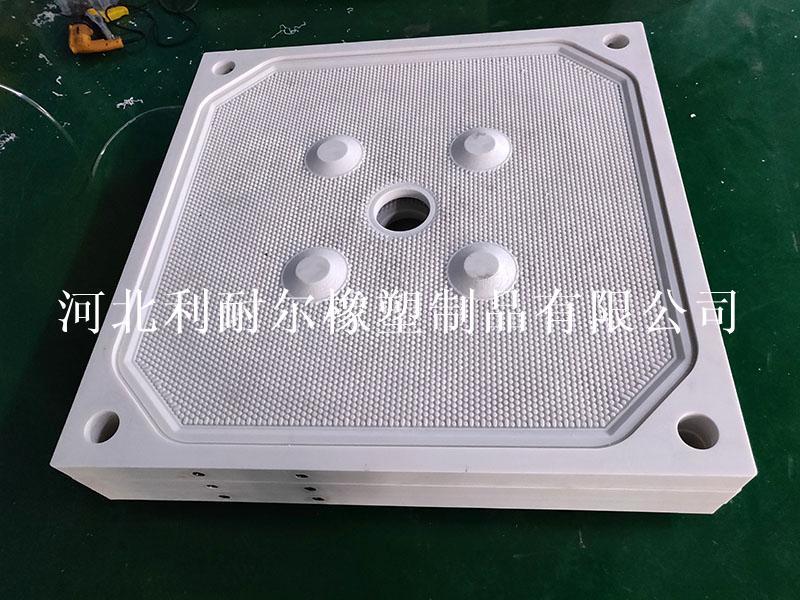
The Importance of 1516 Diaphragm Plate in Industrial Equipment
Release time:
2023-10-30
Introduction Understanding the Significance of the 1516 Diaphragm Plate in Industrial Equipment What is a 1516 Diaphragm Plate? A 1516 diaphragm plate is a critical component used in industrial equipment. It acts as a barrier or membrane that separates two chambers within a system. This plate is designed to endure high pressures and withstand different types of fluids or gases. How Does a 1516 Dia
Introduction
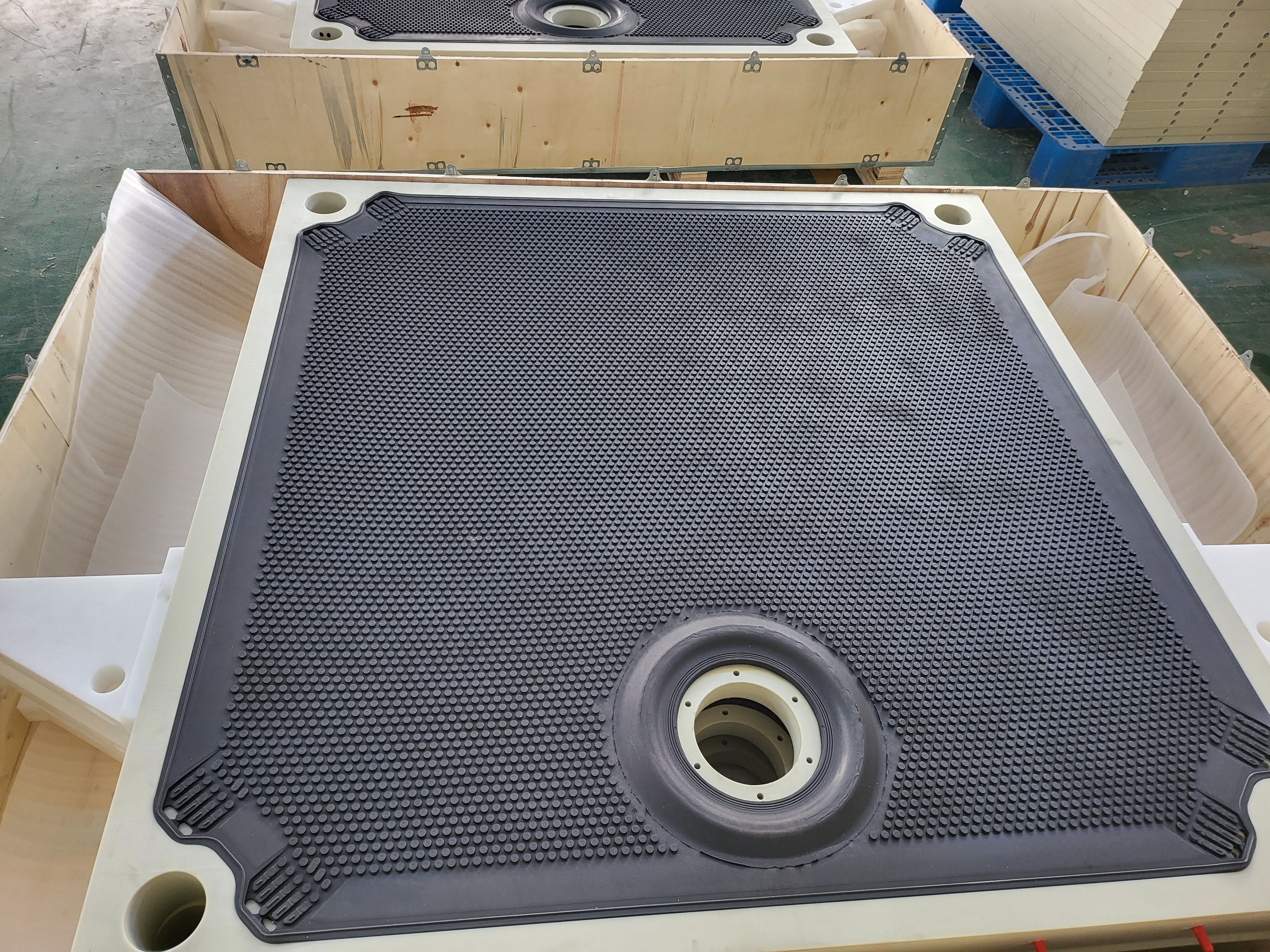
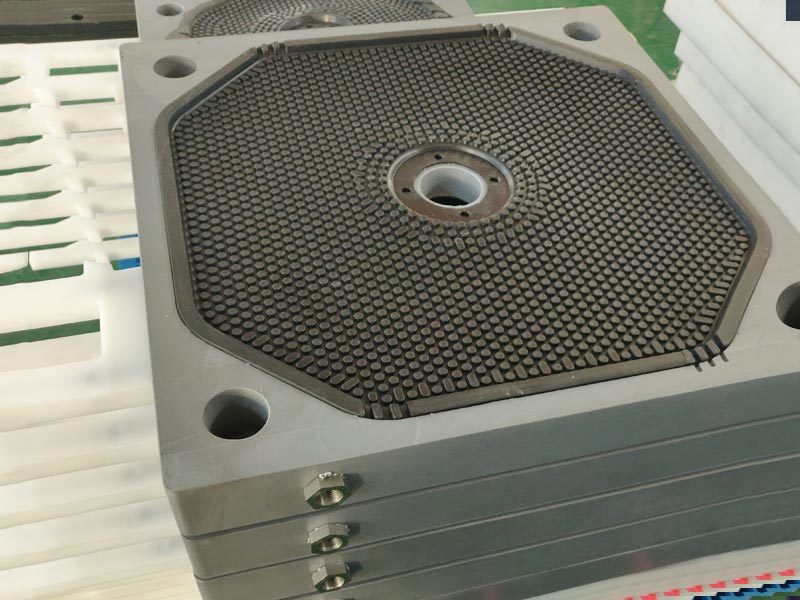
A 1516 diaphragm plate is a critical component used in industrial equipment. It acts as a barrier or membrane that separates two chambers within a system. This plate is designed to endure high pressures and withstand different types of fluids or gases.
The 1516 diaphragm plate operates by flexing or deforming in response to changes in pressure. When one side of the plate is subjected to higher pressure than the other, it moves to maintain equilibrium. This movement allows for controlled fluid or gas flow and helps regulate the desired output.
1. Reliable Performance: The 1516 diaphragm plate offers exceptional reliability, ensuring consistent operation even under demanding conditions.
2. Flexibility: This component can handle various types of fluids and gases, making it suitable for a wide range of industrial applications.
3. Cost-Effectiveness: By using a 1516 diaphragm plate, companies can minimize maintenance costs, as it requires little to no lubrication and has a long lifespan.
4. Enhanced Safety: The diaphragm plate acts as a barrier, preventing the mixing of different fluids or gases, thereby ensuring safety in industrial processes.
5. Easy Installation: With its simple design, the 1516 diaphragm plate can be easily installed and integrated into existing systems, reducing downtime.
Applications of 1516 Diaphragm Plate
In the chemical industry, the 1516 diaphragm plate plays a crucial role in regulating fluid flow and preventing cross-contamination. It is commonly used in pumps, compressors, and valves, ensuring the safe transfer of hazardous chemicals.
In the pharmaceutical industry, strict regulations and high standards demand reliable equipment. The 1516 diaphragm plate finds its application in pharmaceutical pumps, ensuring the accurate and contamination-free transfer of sensitive fluids.
The food and beverage industry requires hygienic and efficient processes. The 1516 diaphragm plate is utilized in pumps, valves, and dosing systems to maintain product quality, prevent contamination, and ensure precise control over fluid flow.
Water treatment plants rely on the 1516 diaphragm plate to manage fluid flow, maintain optimal pressure levels, and prevent the mixing of different water sources. This component ensures efficient and safe water treatment processes.
Choosing the Right 1516 Diaphragm Plate
When selecting a 1516 diaphragm plate, compatibility with the specific fluid or gas being handled is crucial. Consider factors such as chemical resistance, temperature limits, and pressure ratings to ensure the chosen diaphragm plate can withstand the intended application.
Different materials, such as rubber, elastomers, or plastics, offer varying levels of resistance and durability. Understand the requirements of your industrial application and choose a diaphragm plate material that aligns with those needs.
The design and construction of the diaphragm plate impact its performance. Look for features like reinforced structures, accurate dimensions, and proper sealing to maximize efficiency and longevity.
FAQs
The replacement frequency of the 1516 diaphragm plate depends on factors like usage, fluid compatibility, and operating conditions. Regular inspections and maintenance can help identify signs of wear and tear, indicating the need for replacement.
Yes, certain diaphragm plate materials are specifically designed to handle corrosive fluids. It is essential to choose a diaphragm plate that is chemically resistant to the specific fluid being handled to ensure longevity and prevent system failures.
Yes, diaphragm plates are commonly used in high-pressure applications. However, it is crucial to select a diaphragm plate with a pressure rating suitable for the intended operating conditions to ensure safe and reliable performance.
In most cases, diaphragm plates can be installed by following the manufacturer's instructions. However, it is recommended to consult with a professional or skilled technician to ensure proper installation and minimize the risk of errors.
Conclusion
In summary, the 1516 diaphragm plate is a vital component in industrial equipment, offering reliability, flexibility, cost-effectiveness, and enhanced safety. Its versatility allows it to be used in various industries, including chemicals, pharmaceuticals, food and beverages, and water treatment. When choosing a diaphragm plate, factors such as compatibility, material selection, and design should be considered for optimal performance. By understanding the importance of the 1516 diaphragm plate and its proper selection, industrial processes can operate smoothly and efficiently.
Understanding the Significance of the 1516 Diaphragm Plate in Industrial Equipment
What is a 1516 Diaphragm Plate?
A 1516 diaphragm plate is a critical component used in industrial equipment. It acts as a barrier or membrane that separates two chambers within a system. This plate is designed to endure high pressures and withstand different types of fluids or gases.
How Does a 1516 Diaphragm Plate Work?
The 1516 diaphragm plate operates by flexing or deforming in response to changes in pressure. When one side of the plate is subjected to higher pressure than the other, it moves to maintain equilibrium. This movement allows for controlled fluid or gas flow and helps regulate the desired output.
Benefits of Using a 1516 Diaphragm Plate
1. Reliable Performance: The 1516 diaphragm plate offers exceptional reliability, ensuring consistent operation even under demanding conditions.
2. Flexibility: This component can handle various types of fluids and gases, making it suitable for a wide range of industrial applications.
3. Cost-Effectiveness: By using a 1516 diaphragm plate, companies can minimize maintenance costs, as it requires little to no lubrication and has a long lifespan.
4. Enhanced Safety: The diaphragm plate acts as a barrier, preventing the mixing of different fluids or gases, thereby ensuring safety in industrial processes.
5. Easy Installation: With its simple design, the 1516 diaphragm plate can be easily installed and integrated into existing systems, reducing downtime.
Applications of 1516 Diaphragm Plate
Understanding the Versatility of the 1516 Diaphragm Plate
Chemical Industry
In the chemical industry, the 1516 diaphragm plate plays a crucial role in regulating fluid flow and preventing cross-contamination. It is commonly used in pumps, compressors, and valves, ensuring the safe transfer of hazardous chemicals.
Pharmaceutical Industry
In the pharmaceutical industry, strict regulations and high standards demand reliable equipment. The 1516 diaphragm plate finds its application in pharmaceutical pumps, ensuring the accurate and contamination-free transfer of sensitive fluids.
Food and Beverage Industry
The food and beverage industry requires hygienic and efficient processes. The 1516 diaphragm plate is utilized in pumps, valves, and dosing systems to maintain product quality, prevent contamination, and ensure precise control over fluid flow.
Water Treatment Industry
Water treatment plants rely on the 1516 diaphragm plate to manage fluid flow, maintain optimal pressure levels, and prevent the mixing of different water sources. This component ensures efficient and safe water treatment processes.
Choosing the Right 1516 Diaphragm Plate
Factors to Consider for Optimal Performance
Compatibility
When selecting a 1516 diaphragm plate, compatibility with the specific fluid or gas being handled is crucial. Consider factors such as chemical resistance, temperature limits, and pressure ratings to ensure the chosen diaphragm plate can withstand the intended application.
Material Selection
Different materials, such as rubber, elastomers, or plastics, offer varying levels of resistance and durability. Understand the requirements of your industrial application and choose a diaphragm plate material that aligns with those needs.
Design and Construction
The design and construction of the diaphragm plate impact its performance. Look for features like reinforced structures, accurate dimensions, and proper sealing to maximize efficiency and longevity.
FAQs
Frequently Asked Questions
1. How often should the 1516 diaphragm plate be replaced?
The replacement frequency of the 1516 diaphragm plate depends on factors like usage, fluid compatibility, and operating conditions. Regular inspections and maintenance can help identify signs of wear and tear, indicating the need for replacement.
2. Can a diaphragm plate handle corrosive fluids?
Yes, certain diaphragm plate materials are specifically designed to handle corrosive fluids. It is essential to choose a diaphragm plate that is chemically resistant to the specific fluid being handled to ensure longevity and prevent system failures.
3. Are diaphragm plates suitable for high-pressure applications?
Yes, diaphragm plates are commonly used in high-pressure applications. However, it is crucial to select a diaphragm plate with a pressure rating suitable for the intended operating conditions to ensure safe and reliable performance.
4. Can I install a diaphragm plate myself?
In most cases, diaphragm plates can be installed by following the manufacturer's instructions. However, it is recommended to consult with a professional or skilled technician to ensure proper installation and minimize the risk of errors.
Conclusion
The Crucial Role of the 1516 Diaphragm Plate in Industrial Equipment
In summary, the 1516 diaphragm plate is a vital component in industrial equipment, offering reliability, flexibility, cost-effectiveness, and enhanced safety. Its versatility allows it to be used in various industries, including chemicals, pharmaceuticals, food and beverages, and water treatment. When choosing a diaphragm plate, factors such as compatibility, material selection, and design should be considered for optimal performance. By understanding the importance of the 1516 diaphragm plate and its proper selection, industrial processes can operate smoothly and efficiently.
Related News