
-
AboutHebei Linaier Rubber Products Co., Ltd. is located in Duqiao Industrial Zone, Jingxian City, Hebei Province, adjacent to Dezhou, Shandong. Founded in early 2001 with a registered capital of 35 million yuan, it is a scientific

-
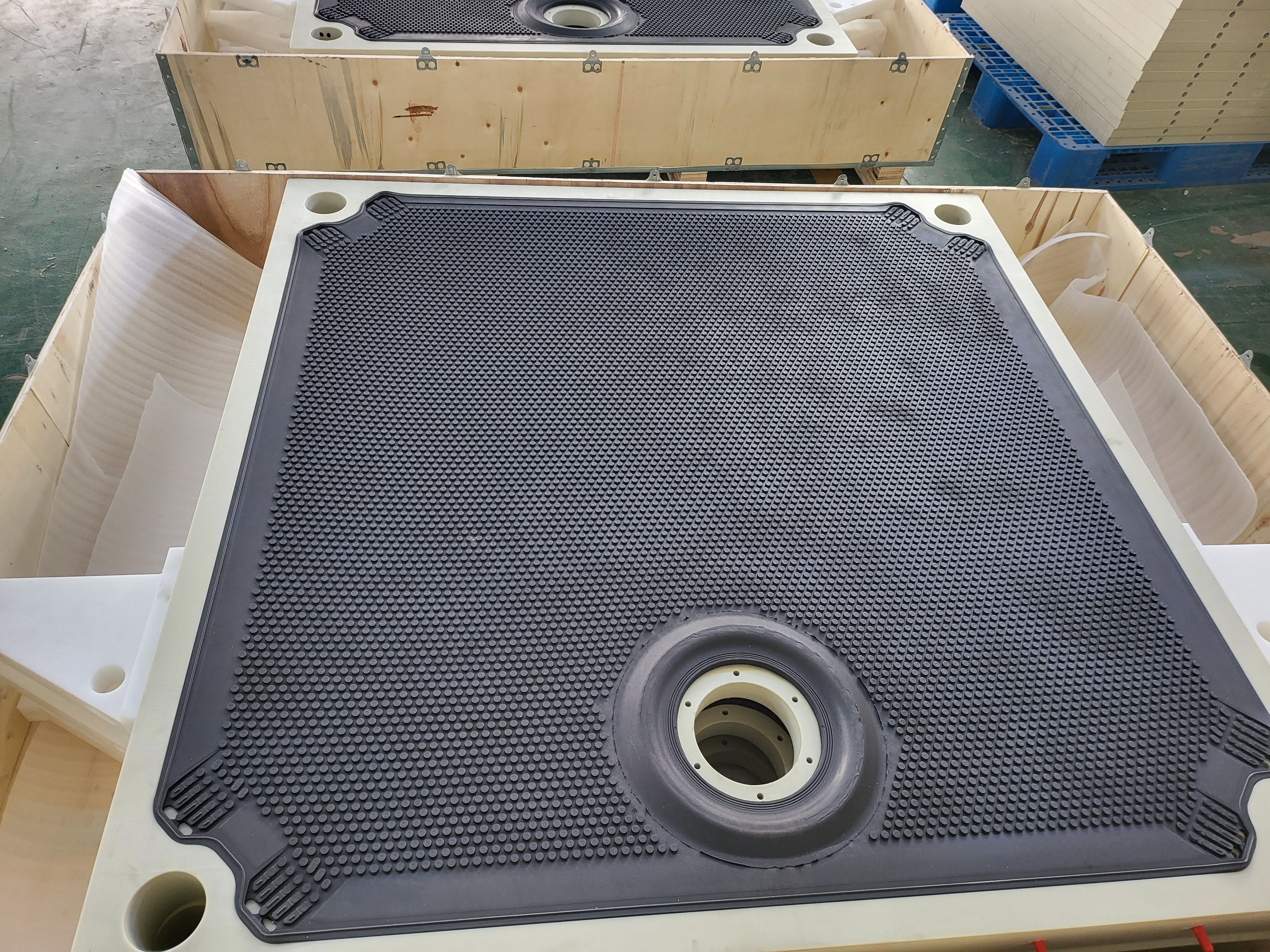
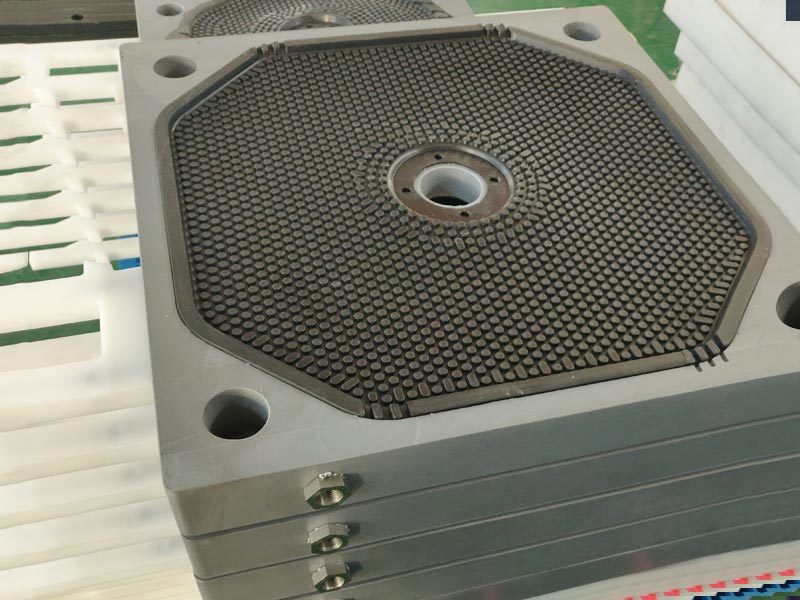
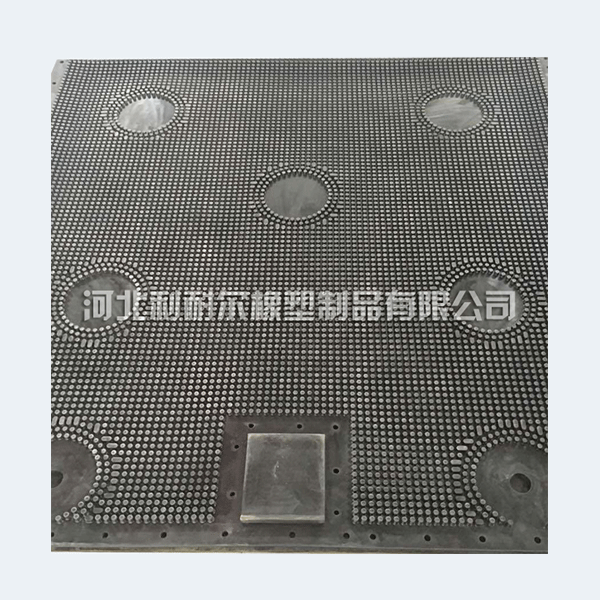
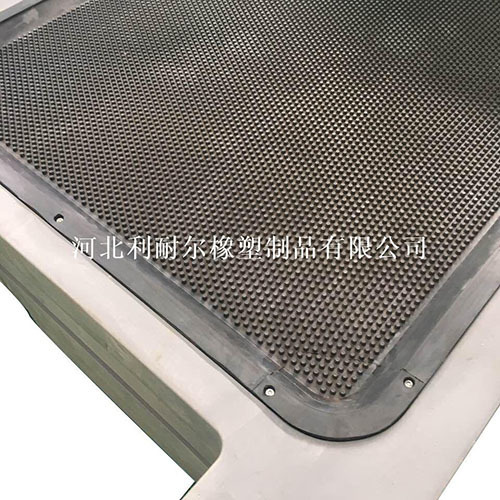
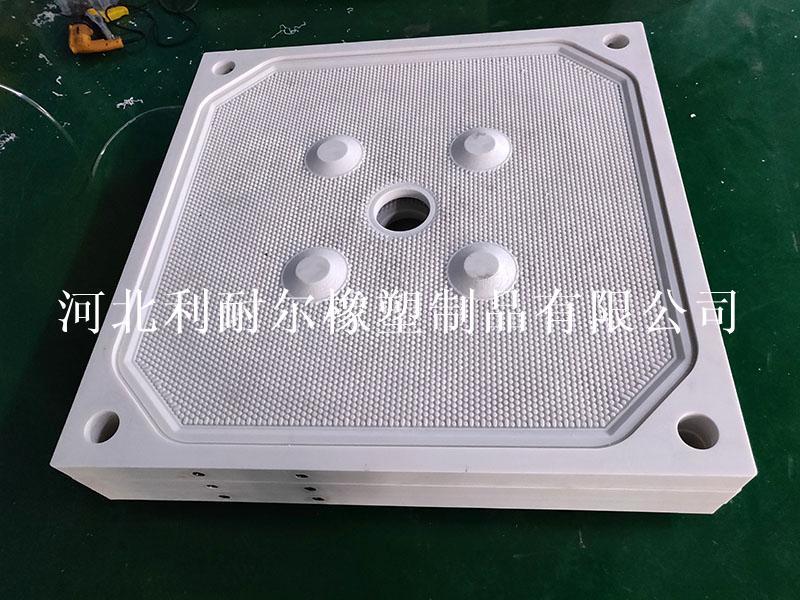
ProductMain products: vertical and horizontal imported and domestic filter plates, diaphragm plates, diaphragms and accessories; pinch valve sleeves and pinch valves and various mining accessories.
-
NewsIn 2013, our company's high-pressure cylinder with phenolic cloth support and guide ring obtained the national key new product certificate, project number: 2013GRA20011; its products in coal cylinders and engineering hydrauli
-
ServiceWe will actively cooperate with more enthusiasm, strengthen internal management, expand the market externally, improve various performance indicators of existing products, and truly achieve our win-win situation!
-
RecruitmentOur company always adheres to the talent concept of "people-oriented", provides a growth platform for talents, and realizes the common growth and development of enterprises and talents.


language
English
العربية
বাংলাদেশ
Български
Hrvatski
Česky
Dansk
Nederland
 Esperanto
Slovenski
Filipino
Suomi
Français
Maori
 Shqiptare
Georgian
 Euskara
Deutsch
Ελλάδα
ישראל
इंडिया
Magyarország
Ísland
Indonesia
Irlanda
Italia
日本語
Sovensko
Հայաստան
한국
Kyrgyz
ປະເທດລາວ
 Zulu
Zulu
Latvian
Lithuanian
Luxembourgish
 Latinus
Macedonian
Малайская
Maltese
Монгол улс
 Cymraeg
ဗမာ
 தமிழ்
தமிழ்
नेपाल
Norge
ایران
Polska
Portugal
România
Российская
Србија
 Slovak
Србија
 Slovak
Bosanski
Slovenian
Беларус
España
Sverige
Точик
ประเทศไทย
Türk
Azərbaycan
Uzbek
 Afrikaans
Việt Nam

The Benefits of Using Filter Frames in the Plastics Industry
Release time:
2023-10-15
Table of Contents: 1. Introduction 2. Filter Frames: An Overview 3. Improved Filtration Efficiency 3.1 Increased Surface Area 3.2 Enhanced Particle Capture 4. Enhanced Product Quality 4.1 Removal of Contaminants 4.2 Reduced Defects and Rejections 5. Cost Reduction 5.1 Extended Equipment Lifespan 5.2 Reduced Downtime and Maintenance Costs 6. Sustainability and Environmental
Table of Contents:
1. Introduction
2. Filter Frames: An Overview
3. Improved Filtration Efficiency
3.1 Increased Surface Area
3.2 Enhanced Particle Capture
4. Enhanced Product Quality
4.1 Removal of Contaminants
4.2 Reduced Defects and Rejections
5. Cost Reduction
5.1 Extended Equipment Lifespan
5.2 Reduced Downtime and Maintenance Costs
6. Sustainability and Environmental Benefits
6.1 Lower Energy Consumption
6.2 Minimized Waste
7. Application Areas in the Plastics Industry
7.1 Injection Molding
7.2 Extrusion Processes
7.3 Blow Molding
7.4 Thermoforming
8. FAQs (Frequently Asked Questions)
8.1 How do filter frames improve filtration efficiency?
8.2 Can filter frames be customized for specific applications?
8.3 What materials are commonly used in filter frames?
8.4 How do filter frames contribute to cost reduction?
8.5 Are there any environmental benefits associated with filter frames?
9. Conclusion
1. Introduction
In the dynamic world of the plastics industry, manufacturers are constantly seeking ways to optimize their processes and improve product quality. One such innovation that has gained considerable attention is the use of filter frames. Filter frames serve as a crucial element in filtration systems, offering numerous benefits that positively impact production efficiency, product quality, and cost reduction.
2. Filter Frames: An Overview
Filter frames are structural components designed to support filters within a filtration system. These frames are typically made from durable materials such as stainless steel or high-quality plastic, ensuring longevity and resistance to corrosion. By securely holding the filter media in place, filter frames prevent bypass and ensure efficient filtration.
3. Improved Filtration Efficiency
3.1 Increased Surface Area
Filter frames significantly increase the available surface area for filtration. This expanded area allows for higher flow rates and improved particle capture, leading to enhanced overall filtration efficiency.
3.2 Enhanced Particle Capture
With their precise construction and tight fit, filter frames prevent particles from bypassing the filtration media. This ensures that contaminants are efficiently captured, resulting in cleaner and purer end products.
4. Enhanced Product Quality
4.1 Removal of Contaminants
Filter frames play a vital role in eliminating unwanted contaminants from plastic materials during the manufacturing process. By trapping impurities such as dust, debris, and foreign particles, filter frames contribute to the production of high-quality, defect-free plastics.
4.2 Reduced Defects and Rejections
The implementation of filter frames minimizes the occurrence of defects in plastic products, leading to higher acceptance rates and reduced rejection rates. This translates to increased customer satisfaction and improved brand reputation.
5. Cost Reduction
5.1 Extended Equipment Lifespan
By effectively removing contaminants from plastic materials, filter frames help protect processing equipment from premature wear and damage. This extends the lifespan of machinery, reducing the need for frequent replacements and resulting in significant cost savings.
5.2 Reduced Downtime and Maintenance Costs
Maintaining clean and well-functioning filtration systems with the help of filter frames decreases the frequency of equipment breakdowns and associated downtime. This leads to lower maintenance costs and increased productivity.
6. Sustainability and Environmental Benefits
6.1 Lower Energy Consumption
Filter frames contribute to energy efficiency by allowing for higher flow rates and reduced pressure drops. This results in lower energy consumption during the filtration process, helping companies achieve their sustainability goals.
6.2 Minimized Waste
Efficient filtration systems made possible by filter frames ensure effective removal of contaminants, reducing the amount of waste generated. This promotes environmental responsibility and supports a circular economy approach in the plastics industry.
7. Application Areas in the Plastics Industry
7.1 Injection Molding
Filter frames find extensive use in injection molding processes, where they help maintain the integrity of molds, prevent clogging, and improve the quality of molded plastic parts.
7.2 Extrusion Processes
In extrusion processes, filter frames are vital for removing impurities that could affect the extruded product's appearance, strength, and overall performance.
7.3 Blow Molding
Filter frames play a crucial role in blow molding by ensuring the production of clean and defect-free plastic bottles, containers, and other blow-molded products.
7.4 Thermoforming
Filter frames contribute to the success of thermoforming processes by filtering out contaminants that could compromise the final shape, clarity, and strength of thermoformed plastic products.
8. FAQs (Frequently Asked Questions)
8.1 How do filter frames improve filtration efficiency?
Filter frames increase the available surface area for filtration, allowing for higher flow rates and improved particle capture, ultimately enhancing overall filtration efficiency.
8.2 Can filter frames be customized for specific applications?
Yes, filter frames can be tailored to meet specific requirements, such as size, shape, and compatibility with different filter media, ensuring optimal performance for various filtration applications in the plastics industry.
8.3 What materials are commonly used in filter frames?
Stainless steel and high-quality plastics, such as polypropylene and nylon, are commonly used materials for filter frames due to their durability, corrosion resistance, and compatibility with different filtration processes.
8.4 How do filter frames contribute to cost reduction?
Filter frames protect processing equipment, extending its lifespan and reducing the need for frequent replacements. Additionally, they minimize downtime and associated maintenance costs by ensuring efficient filtration and preventing equipment breakdowns.
8.5 Are there any environmental benefits associated with filter frames?
Yes, filter frames promote sustainability by reducing energy consumption through improved flow rates and minimized pressure drops. They also contribute to waste reduction by effectively removing contaminants, aligning with environmentally-friendly practices in the plastics industry.
9. Conclusion
Incorporating filter frames into the plastics industry brings a multitude of benefits, including improved filtration efficiency, enhanced product quality, cost reduction, and sustainability advantages. By utilizing filter frames, manufacturers can achieve higher productivity, lower rejection rates, and significant cost savings. Embracing this innovative solution enables companies to stay at the forefront of the industry and meet the evolving demands of their customers while ensuring a greener and more efficient manufacturing process.
1. Introduction
2. Filter Frames: An Overview
3. Improved Filtration Efficiency
3.1 Increased Surface Area
3.2 Enhanced Particle Capture
4. Enhanced Product Quality
4.1 Removal of Contaminants
4.2 Reduced Defects and Rejections
5. Cost Reduction
5.1 Extended Equipment Lifespan
5.2 Reduced Downtime and Maintenance Costs
6. Sustainability and Environmental Benefits
6.1 Lower Energy Consumption
6.2 Minimized Waste
7. Application Areas in the Plastics Industry
7.1 Injection Molding
7.2 Extrusion Processes
7.3 Blow Molding
7.4 Thermoforming
8. FAQs (Frequently Asked Questions)
8.1 How do filter frames improve filtration efficiency?
8.2 Can filter frames be customized for specific applications?
8.3 What materials are commonly used in filter frames?
8.4 How do filter frames contribute to cost reduction?
8.5 Are there any environmental benefits associated with filter frames?
9. Conclusion
1. Introduction
In the dynamic world of the plastics industry, manufacturers are constantly seeking ways to optimize their processes and improve product quality. One such innovation that has gained considerable attention is the use of filter frames. Filter frames serve as a crucial element in filtration systems, offering numerous benefits that positively impact production efficiency, product quality, and cost reduction.
2. Filter Frames: An Overview
Filter frames are structural components designed to support filters within a filtration system. These frames are typically made from durable materials such as stainless steel or high-quality plastic, ensuring longevity and resistance to corrosion. By securely holding the filter media in place, filter frames prevent bypass and ensure efficient filtration.
3. Improved Filtration Efficiency
3.1 Increased Surface Area
Filter frames significantly increase the available surface area for filtration. This expanded area allows for higher flow rates and improved particle capture, leading to enhanced overall filtration efficiency.
3.2 Enhanced Particle Capture
With their precise construction and tight fit, filter frames prevent particles from bypassing the filtration media. This ensures that contaminants are efficiently captured, resulting in cleaner and purer end products.
4. Enhanced Product Quality
4.1 Removal of Contaminants
Filter frames play a vital role in eliminating unwanted contaminants from plastic materials during the manufacturing process. By trapping impurities such as dust, debris, and foreign particles, filter frames contribute to the production of high-quality, defect-free plastics.
4.2 Reduced Defects and Rejections
The implementation of filter frames minimizes the occurrence of defects in plastic products, leading to higher acceptance rates and reduced rejection rates. This translates to increased customer satisfaction and improved brand reputation.
5. Cost Reduction
5.1 Extended Equipment Lifespan
By effectively removing contaminants from plastic materials, filter frames help protect processing equipment from premature wear and damage. This extends the lifespan of machinery, reducing the need for frequent replacements and resulting in significant cost savings.
5.2 Reduced Downtime and Maintenance Costs
Maintaining clean and well-functioning filtration systems with the help of filter frames decreases the frequency of equipment breakdowns and associated downtime. This leads to lower maintenance costs and increased productivity.
6. Sustainability and Environmental Benefits
6.1 Lower Energy Consumption
Filter frames contribute to energy efficiency by allowing for higher flow rates and reduced pressure drops. This results in lower energy consumption during the filtration process, helping companies achieve their sustainability goals.
6.2 Minimized Waste
Efficient filtration systems made possible by filter frames ensure effective removal of contaminants, reducing the amount of waste generated. This promotes environmental responsibility and supports a circular economy approach in the plastics industry.
7. Application Areas in the Plastics Industry
7.1 Injection Molding
Filter frames find extensive use in injection molding processes, where they help maintain the integrity of molds, prevent clogging, and improve the quality of molded plastic parts.
7.2 Extrusion Processes
In extrusion processes, filter frames are vital for removing impurities that could affect the extruded product's appearance, strength, and overall performance.
7.3 Blow Molding
Filter frames play a crucial role in blow molding by ensuring the production of clean and defect-free plastic bottles, containers, and other blow-molded products.
7.4 Thermoforming
Filter frames contribute to the success of thermoforming processes by filtering out contaminants that could compromise the final shape, clarity, and strength of thermoformed plastic products.
8. FAQs (Frequently Asked Questions)
8.1 How do filter frames improve filtration efficiency?
Filter frames increase the available surface area for filtration, allowing for higher flow rates and improved particle capture, ultimately enhancing overall filtration efficiency.
8.2 Can filter frames be customized for specific applications?
Yes, filter frames can be tailored to meet specific requirements, such as size, shape, and compatibility with different filter media, ensuring optimal performance for various filtration applications in the plastics industry.
8.3 What materials are commonly used in filter frames?
Stainless steel and high-quality plastics, such as polypropylene and nylon, are commonly used materials for filter frames due to their durability, corrosion resistance, and compatibility with different filtration processes.
8.4 How do filter frames contribute to cost reduction?
Filter frames protect processing equipment, extending its lifespan and reducing the need for frequent replacements. Additionally, they minimize downtime and associated maintenance costs by ensuring efficient filtration and preventing equipment breakdowns.
8.5 Are there any environmental benefits associated with filter frames?
Yes, filter frames promote sustainability by reducing energy consumption through improved flow rates and minimized pressure drops. They also contribute to waste reduction by effectively removing contaminants, aligning with environmentally-friendly practices in the plastics industry.
9. Conclusion
Incorporating filter frames into the plastics industry brings a multitude of benefits, including improved filtration efficiency, enhanced product quality, cost reduction, and sustainability advantages. By utilizing filter frames, manufacturers can achieve higher productivity, lower rejection rates, and significant cost savings. Embracing this innovative solution enables companies to stay at the forefront of the industry and meet the evolving demands of their customers while ensuring a greener and more efficient manufacturing process.
Related News