
-
AboutHebei Linaier Rubber Products Co., Ltd. is located in Duqiao Industrial Zone, Jingxian City, Hebei Province, adjacent to Dezhou, Shandong. Founded in early 2001 with a registered capital of 35 million yuan, it is a scientific

-
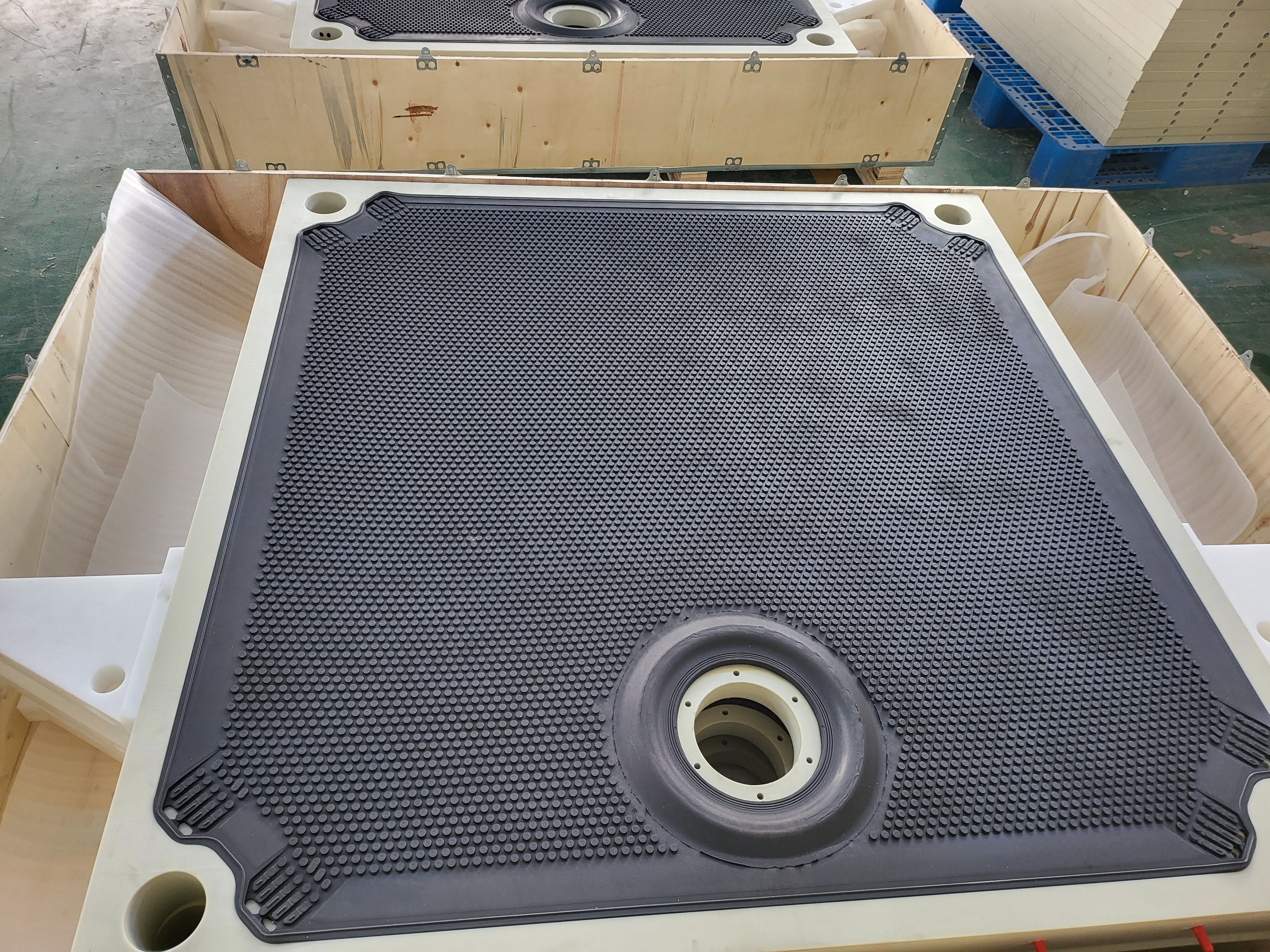
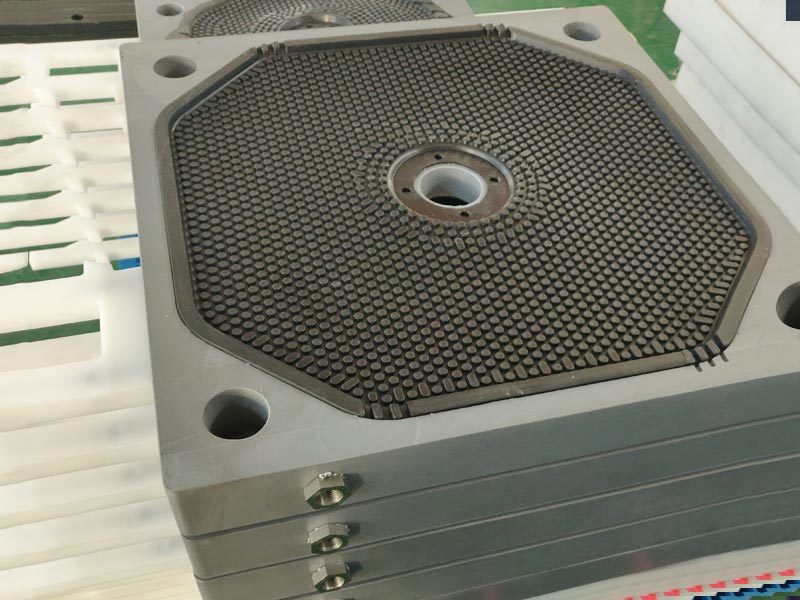
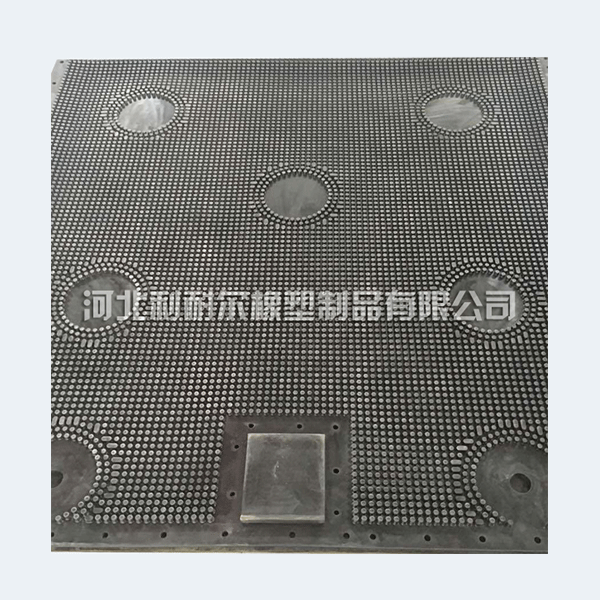
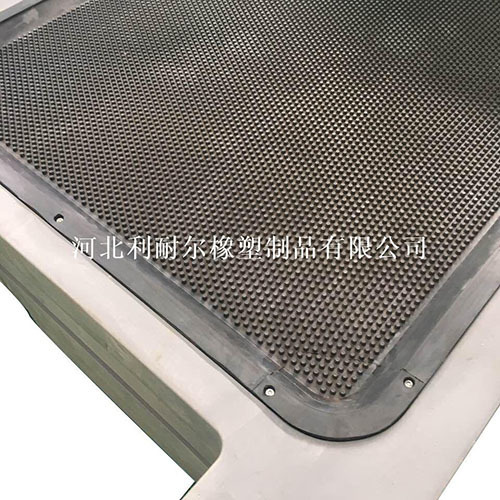
ProductMain products: vertical and horizontal imported and domestic filter plates, diaphragm plates, diaphragms and accessories; pinch valve sleeves and pinch valves and various mining accessories.
-
NewsIn 2013, our company's high-pressure cylinder with phenolic cloth support and guide ring obtained the national key new product certificate, project number: 2013GRA20011; its products in coal cylinders and engineering hydrauli
-
ServiceWe will actively cooperate with more enthusiasm, strengthen internal management, expand the market externally, improve various performance indicators of existing products, and truly achieve our win-win situation!
-
RecruitmentOur company always adheres to the talent concept of "people-oriented", provides a growth platform for talents, and realizes the common growth and development of enterprises and talents.


language
English
العربية
বাংলাদেশ
Български
Hrvatski
Česky
Dansk
Nederland
 Esperanto
Slovenski
Filipino
Suomi
Français
Maori
 Shqiptare
Georgian
 Euskara
Deutsch
Ελλάδα
ישראל
इंडिया
Magyarország
Ísland
Indonesia
Irlanda
Italia
日本語
Sovensko
Հայաստան
한국
Kyrgyz
ປະເທດລາວ
 Zulu
Zulu
Latvian
Lithuanian
Luxembourgish
 Latinus
Macedonian
Малайская
Maltese
Монгол улс
 Cymraeg
ဗမာ
 தமிழ்
தமிழ்
नेपाल
Norge
ایران
Polska
Portugal
România
Российская
Србија
 Slovak
Србија
 Slovak
Bosanski
Slovenian
Беларус
España
Sverige
Точик
ประเทศไทย
Türk
Azərbaycan
Uzbek
 Afrikaans
Việt Nam

Exploring the Uses and Benefits of Grid Plates in the Chemical Industry
Release time:
2023-10-07
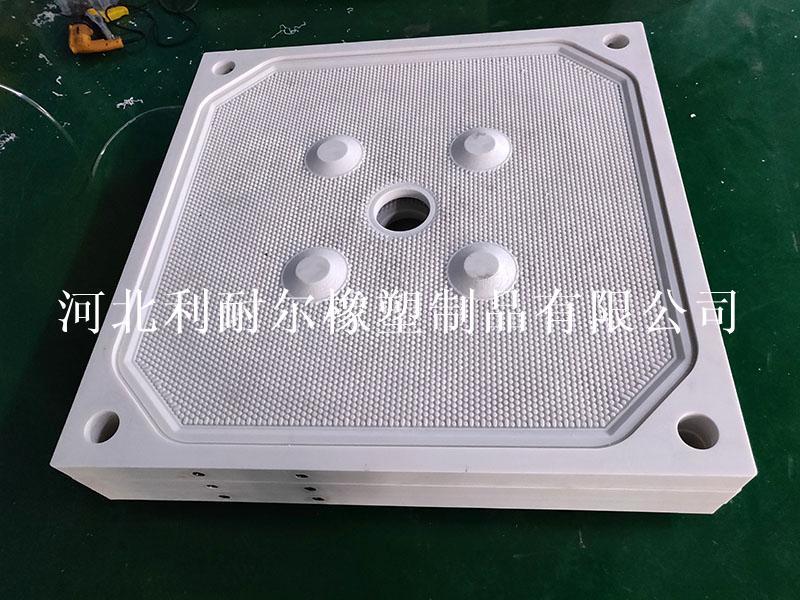
Grid Plate: Unveiling its Applications and Advantages in the Chemical Industry Introduction: In the realm of plastic manufacturing, the chemical industry plays a vital role in producing a wide array of plastic products. Among the many components used in this industry, grid plates stand out as a versatile and essential tool. This article dives into the world of grid plates, unraveling their applica
Grid Plate: Unveiling its Applications and Advantages in the Chemical Industry
Introduction:
In the realm of plastic manufacturing, the chemical industry plays a vital role in producing a wide array of plastic products. Among the many components used in this industry, grid plates stand out as a versatile and essential tool. This article dives into the world of grid plates, unraveling their applications and highlighting the advantages they offer to professionals in the chemical industry.
1. Enhancing Mold Efficiency:
Grid plates, also known as grid sheets or perforated plates, are widely utilized in the chemical industry to optimize the performance of molds. These plates feature a grid-like pattern with precise perforations, allowing for improved airflow and heat transfer during the molding process. By enhancing mold efficiency, grid plates enable faster production cycles, reducing manufacturing time and costs.
2. Ensuring Uniform Cooling:
One of the main challenges in plastic manufacturing is achieving uniform cooling of molded products. Grid plates address this issue by promoting consistent cooling across the entire mold surface. Through their perforated design, these plates facilitate the circulation of cooling media, such as water or air, evenly throughout the mold. As a result, manufacturers can produce plastic products with uniform dimensions, minimizing defects and improving overall quality.
3. Preventing Warpage:
Warpage, or deformation, is a common concern in plastic manufacturing. Grid plates contribute to combating this issue by minimizing thermal stress during the cooling phase. By allowing efficient heat dissipation, these plates assist in preventing warpage, ensuring the final products maintain their desired shape and integrity.
4. Enhancing Mold Release:
Efficient mold release is crucial in plastic manufacturing to ensure easy removal of products from the mold without damage or sticking. Grid plates offer an advantage in this aspect as well. The perforated pattern of the plates allows for better air circulation between the mold and the plastic, facilitating the release process. This feature reduces the likelihood of product damage and enhances production efficiency.
5. Facilitating Material Savings:
Grid plates not only improve the quality and efficiency of plastic manufacturing but also contribute to material savings. By optimizing cooling and reducing warpage, these plates minimize the need for rework or scrap materials. This leads to cost reduction and resource conservation, making grid plates an environmentally friendly solution for the chemical industry.
Conclusion:
Grid plates play a vital role in the chemical industry, particularly in the manufacturing of plastic products. From enhancing mold efficiency and ensuring uniform cooling to preventing warpage and facilitating mold release, these plates offer a range of benefits to professionals in the industry. By incorporating grid plates into their processes, plastic manufacturers can optimize production, improve product quality, and reduce costs, all while promoting sustainability.
Introduction:
In the realm of plastic manufacturing, the chemical industry plays a vital role in producing a wide array of plastic products. Among the many components used in this industry, grid plates stand out as a versatile and essential tool. This article dives into the world of grid plates, unraveling their applications and highlighting the advantages they offer to professionals in the chemical industry.
1. Enhancing Mold Efficiency:
Grid plates, also known as grid sheets or perforated plates, are widely utilized in the chemical industry to optimize the performance of molds. These plates feature a grid-like pattern with precise perforations, allowing for improved airflow and heat transfer during the molding process. By enhancing mold efficiency, grid plates enable faster production cycles, reducing manufacturing time and costs.
2. Ensuring Uniform Cooling:
One of the main challenges in plastic manufacturing is achieving uniform cooling of molded products. Grid plates address this issue by promoting consistent cooling across the entire mold surface. Through their perforated design, these plates facilitate the circulation of cooling media, such as water or air, evenly throughout the mold. As a result, manufacturers can produce plastic products with uniform dimensions, minimizing defects and improving overall quality.
3. Preventing Warpage:
Warpage, or deformation, is a common concern in plastic manufacturing. Grid plates contribute to combating this issue by minimizing thermal stress during the cooling phase. By allowing efficient heat dissipation, these plates assist in preventing warpage, ensuring the final products maintain their desired shape and integrity.
4. Enhancing Mold Release:
Efficient mold release is crucial in plastic manufacturing to ensure easy removal of products from the mold without damage or sticking. Grid plates offer an advantage in this aspect as well. The perforated pattern of the plates allows for better air circulation between the mold and the plastic, facilitating the release process. This feature reduces the likelihood of product damage and enhances production efficiency.
5. Facilitating Material Savings:
Grid plates not only improve the quality and efficiency of plastic manufacturing but also contribute to material savings. By optimizing cooling and reducing warpage, these plates minimize the need for rework or scrap materials. This leads to cost reduction and resource conservation, making grid plates an environmentally friendly solution for the chemical industry.
Conclusion:
Grid plates play a vital role in the chemical industry, particularly in the manufacturing of plastic products. From enhancing mold efficiency and ensuring uniform cooling to preventing warpage and facilitating mold release, these plates offer a range of benefits to professionals in the industry. By incorporating grid plates into their processes, plastic manufacturers can optimize production, improve product quality, and reduce costs, all while promoting sustainability.
Related News