
-
AboutHebei Linaier Rubber Products Co., Ltd. is located in Duqiao Industrial Zone, Jingxian City, Hebei Province, adjacent to Dezhou, Shandong. Founded in early 2001 with a registered capital of 35 million yuan, it is a scientific

-
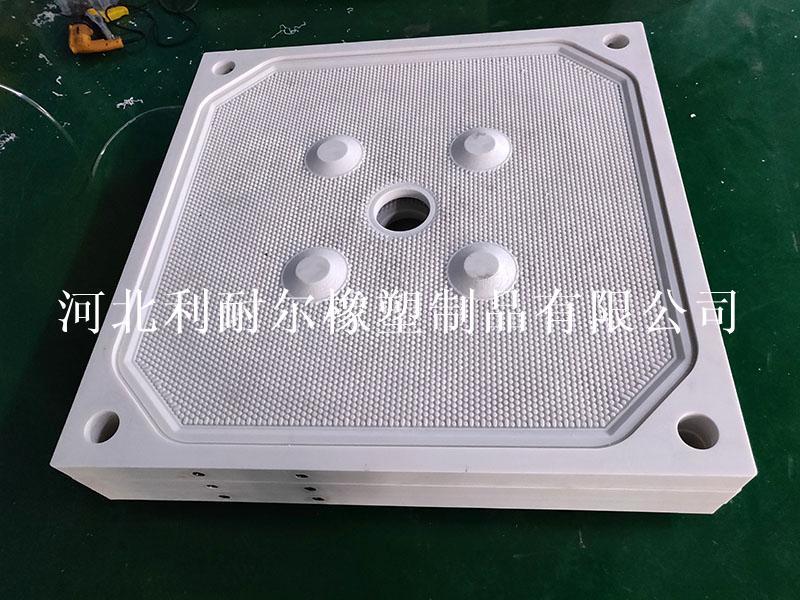
ProductMain products: vertical and horizontal imported and domestic filter plates, diaphragm plates, diaphragms and accessories; pinch valve sleeves and pinch valves and various mining accessories.
-
NewsIn 2013, our company's high-pressure cylinder with phenolic cloth support and guide ring obtained the national key new product certificate, project number: 2013GRA20011; its products in coal cylinders and engineering hydrauli
-
ServiceWe will actively cooperate with more enthusiasm, strengthen internal management, expand the market externally, improve various performance indicators of existing products, and truly achieve our win-win situation!
-
RecruitmentOur company always adheres to the talent concept of "people-oriented", provides a growth platform for talents, and realizes the common growth and development of enterprises and talents.


language
English
العربية
বাংলাদেশ
Български
Hrvatski
Česky
Dansk
Nederland
 Esperanto
Slovenski
Filipino
Suomi
Français
Maori
 Shqiptare
Georgian
 Euskara
Deutsch
Ελλάδα
ישראל
इंडिया
Magyarország
Ísland
Indonesia
Irlanda
Italia
日本語
Sovensko
Հայաստան
한국
Kyrgyz
ປະເທດລາວ
 Zulu
Zulu
Latvian
Lithuanian
Luxembourgish
 Latinus
Macedonian
Малайская
Maltese
Монгол улс
 Cymraeg
ဗမာ
 தமிழ்
தமிழ்
नेपाल
Norge
ایران
Polska
Portugal
România
Российская
Србија
 Slovak
Србија
 Slovak
Bosanski
Slovenian
Беларус
España
Sverige
Точик
ประเทศไทย
Türk
Azərbaycan
Uzbek
 Afrikaans
Việt Nam

Unleashing the Potential of Grid Plate in the Chemical Industry
Release time:
2023-10-07
Table of Contents: 1. Introduction: Grid Plate - A Game-Changer in the Chemical Industry 2. Understanding Grid Plates and Their Functionality 3. Versatile Applications of Grid Plates in Chemical Processes 3.1 Improving Mixing Efficiency and Reaction Kinetics 3.2 Enhancing Heat Transfer and Mass Transfer 4. The Advantages of Grid Plates in Safety and Environmental Sustainability 5. Grid Pla
Table of Contents:
1. Introduction: Grid Plate - A Game-Changer in the Chemical Industry
2. Understanding Grid Plates and Their Functionality
3. Versatile Applications of Grid Plates in Chemical Processes
3.1 Improving Mixing Efficiency and Reaction Kinetics
3.2 Enhancing Heat Transfer and Mass Transfer
4. The Advantages of Grid Plates in Safety and Environmental Sustainability
5. Grid Plate Materials: Choosing the Right Option for Your Application
6. Future Trends and Innovations in Grid Plate Technology
7. Frequently Asked Questions (FAQs)
7.1 How does a grid plate work in a chemical reactor?
7.2 What are the key considerations when selecting a grid plate material?
7.3 Can grid plates be retrofitted into existing chemical processes?
7.4 How do grid plates contribute to energy efficiency?
7.5 Are there any limitations or challenges in using grid plates?
8. Conclusion: Unlocking the Potential of Grid Plates in the Chemical Industry
1. Introduction: Grid Plate - A Game-Changer in the Chemical Industry
Grid plates have emerged as a game-changer in the chemical industry, offering unparalleled benefits and opportunities for optimization. This article delves into the immense potential of grid plates and how they can revolutionize chemical processes.
2. Understanding Grid Plates and Their Functionality
Grid plates, also known as grid baffles or grid spacers, are structures placed inside chemical reactors to enhance mixing, heat transfer, and mass transfer. These perforated plates feature a grid-like pattern that promotes efficient fluid flow by disrupting laminar flow and creating turbulence.
3. Versatile Applications of Grid Plates in Chemical Processes
3.1 Improving Mixing Efficiency and Reaction Kinetics
By inducing turbulence and enhancing the contact between reactants, grid plates significantly improve mixing efficiency and reaction kinetics. This leads to faster reaction rates, increased yield, and improved product quality.
3.2 Enhancing Heat Transfer and Mass Transfer
Grid plates facilitate effective heat transfer by breaking up stagnant zones and promoting convective heat exchange. Additionally, they enhance mass transfer by increasing the interfacial area between phases, enabling efficient transfer of reactants and products.
4. The Advantages of Grid Plates in Safety and Environmental Sustainability
Grid plates play a crucial role in ensuring safety and environmental sustainability in chemical processes. They prevent the formation of hotspots, reduce the risk of thermal runaway reactions, and enhance process control. Furthermore, grid plates promote energy efficiency and reduce resource consumption, contributing to a greener and more sustainable chemical industry.
5. Grid Plate Materials: Choosing the Right Option for Your Application
Grid plates are available in various materials, including stainless steel, polypropylene, and ceramic. The choice of material depends on factors such as temperature, pressure, chemical compatibility, and durability. Understanding these considerations is vital for selecting the most suitable grid plate material for your specific application.
6. Future Trends and Innovations in Grid Plate Technology
The future of grid plates in the chemical industry looks promising, with ongoing research and innovation focusing on enhancing their performance and applicability. Advanced computational modeling, 3D printing, and novel materials are some of the areas driving the evolution of grid plate technology, enabling even greater optimization and efficiency.
7. Frequently Asked Questions (FAQs)
7.1 How does a grid plate work in a chemical reactor?
A grid plate disrupts laminar flow and creates turbulence, enhancing mixing, heat transfer, and mass transfer within the reactor. This leads to improved reaction kinetics, heat distribution, and mass transfer rates.
7.2 What are the key considerations when selecting a grid plate material?
Key considerations include temperature and pressure compatibility, chemical resistance, mechanical strength, durability, and cost-effectiveness. Evaluating these factors ensures the selection of a material that suits the specific requirements of the chemical process.
7.3 Can grid plates be retrofitted into existing chemical processes?
Yes, grid plates can be retrofitted into existing chemical processes, offering a cost-effective solution to enhance process efficiency without significant modifications.
7.4 How do grid plates contribute to energy efficiency?
Grid plates promote energy efficiency by improving mixing efficiency, reducing the need for high-energy mixing equipment, and enhancing heat transfer and mass transfer rates. This results in lower energy consumption and reduced operating costs.
7.5 Are there any limitations or challenges in using grid plates?
While grid plates offer numerous benefits, challenges can arise in terms of pressure drop, fouling, and material selection. Proper design, maintenance, and selection of appropriate materials can help mitigate these challenges effectively.
8. Conclusion: Unlocking the Potential of Grid Plates in the Chemical Industry
Grid plates are a powerful tool that can unlock the full potential of chemical processes, leading to improved efficiency, productivity, and sustainability. By leveraging their benefits in mixing, heat transfer, and mass transfer, the chemical industry can achieve new levels of optimization and stay ahead in a competitive landscape. Embrace the potential of grid plates and pave the way for a brighter future in chemical processing.
In conclusion, the potential of grid plates in the chemical industry is immense. By optimizing mixing, heat transfer, and mass transfer, grid plates offer a range of benefits that can transform chemical operations. Embrace this game-changing technology and position your organization for success in the ever-evolving chemical industry.
1. Introduction: Grid Plate - A Game-Changer in the Chemical Industry
2. Understanding Grid Plates and Their Functionality
3. Versatile Applications of Grid Plates in Chemical Processes
3.1 Improving Mixing Efficiency and Reaction Kinetics
3.2 Enhancing Heat Transfer and Mass Transfer
4. The Advantages of Grid Plates in Safety and Environmental Sustainability
5. Grid Plate Materials: Choosing the Right Option for Your Application
6. Future Trends and Innovations in Grid Plate Technology
7. Frequently Asked Questions (FAQs)
7.1 How does a grid plate work in a chemical reactor?
7.2 What are the key considerations when selecting a grid plate material?
7.3 Can grid plates be retrofitted into existing chemical processes?
7.4 How do grid plates contribute to energy efficiency?
7.5 Are there any limitations or challenges in using grid plates?
8. Conclusion: Unlocking the Potential of Grid Plates in the Chemical Industry
1. Introduction: Grid Plate - A Game-Changer in the Chemical Industry
Grid plates have emerged as a game-changer in the chemical industry, offering unparalleled benefits and opportunities for optimization. This article delves into the immense potential of grid plates and how they can revolutionize chemical processes.
2. Understanding Grid Plates and Their Functionality
Grid plates, also known as grid baffles or grid spacers, are structures placed inside chemical reactors to enhance mixing, heat transfer, and mass transfer. These perforated plates feature a grid-like pattern that promotes efficient fluid flow by disrupting laminar flow and creating turbulence.
3. Versatile Applications of Grid Plates in Chemical Processes
3.1 Improving Mixing Efficiency and Reaction Kinetics
By inducing turbulence and enhancing the contact between reactants, grid plates significantly improve mixing efficiency and reaction kinetics. This leads to faster reaction rates, increased yield, and improved product quality.
3.2 Enhancing Heat Transfer and Mass Transfer
Grid plates facilitate effective heat transfer by breaking up stagnant zones and promoting convective heat exchange. Additionally, they enhance mass transfer by increasing the interfacial area between phases, enabling efficient transfer of reactants and products.
4. The Advantages of Grid Plates in Safety and Environmental Sustainability
Grid plates play a crucial role in ensuring safety and environmental sustainability in chemical processes. They prevent the formation of hotspots, reduce the risk of thermal runaway reactions, and enhance process control. Furthermore, grid plates promote energy efficiency and reduce resource consumption, contributing to a greener and more sustainable chemical industry.
5. Grid Plate Materials: Choosing the Right Option for Your Application
Grid plates are available in various materials, including stainless steel, polypropylene, and ceramic. The choice of material depends on factors such as temperature, pressure, chemical compatibility, and durability. Understanding these considerations is vital for selecting the most suitable grid plate material for your specific application.
6. Future Trends and Innovations in Grid Plate Technology
The future of grid plates in the chemical industry looks promising, with ongoing research and innovation focusing on enhancing their performance and applicability. Advanced computational modeling, 3D printing, and novel materials are some of the areas driving the evolution of grid plate technology, enabling even greater optimization and efficiency.
7. Frequently Asked Questions (FAQs)
7.1 How does a grid plate work in a chemical reactor?
A grid plate disrupts laminar flow and creates turbulence, enhancing mixing, heat transfer, and mass transfer within the reactor. This leads to improved reaction kinetics, heat distribution, and mass transfer rates.
7.2 What are the key considerations when selecting a grid plate material?
Key considerations include temperature and pressure compatibility, chemical resistance, mechanical strength, durability, and cost-effectiveness. Evaluating these factors ensures the selection of a material that suits the specific requirements of the chemical process.
7.3 Can grid plates be retrofitted into existing chemical processes?
Yes, grid plates can be retrofitted into existing chemical processes, offering a cost-effective solution to enhance process efficiency without significant modifications.
7.4 How do grid plates contribute to energy efficiency?
Grid plates promote energy efficiency by improving mixing efficiency, reducing the need for high-energy mixing equipment, and enhancing heat transfer and mass transfer rates. This results in lower energy consumption and reduced operating costs.
7.5 Are there any limitations or challenges in using grid plates?
While grid plates offer numerous benefits, challenges can arise in terms of pressure drop, fouling, and material selection. Proper design, maintenance, and selection of appropriate materials can help mitigate these challenges effectively.
8. Conclusion: Unlocking the Potential of Grid Plates in the Chemical Industry
Grid plates are a powerful tool that can unlock the full potential of chemical processes, leading to improved efficiency, productivity, and sustainability. By leveraging their benefits in mixing, heat transfer, and mass transfer, the chemical industry can achieve new levels of optimization and stay ahead in a competitive landscape. Embrace the potential of grid plates and pave the way for a brighter future in chemical processing.
In conclusion, the potential of grid plates in the chemical industry is immense. By optimizing mixing, heat transfer, and mass transfer, grid plates offer a range of benefits that can transform chemical operations. Embrace this game-changing technology and position your organization for success in the ever-evolving chemical industry.
Related News