
-
AboutHebei Linaier Rubber Products Co., Ltd. is located in Duqiao Industrial Zone, Jingxian City, Hebei Province, adjacent to Dezhou, Shandong. Founded in early 2001 with a registered capital of 35 million yuan, it is a scientific

-
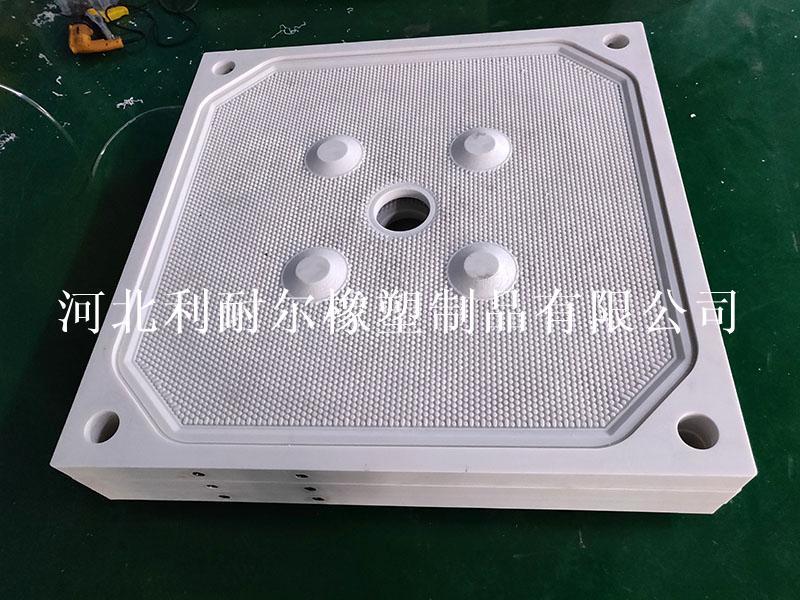
ProductMain products: vertical and horizontal imported and domestic filter plates, diaphragm plates, diaphragms and accessories; pinch valve sleeves and pinch valves and various mining accessories.
-
NewsIn 2013, our company's high-pressure cylinder with phenolic cloth support and guide ring obtained the national key new product certificate, project number: 2013GRA20011; its products in coal cylinders and engineering hydrauli
-
ServiceWe will actively cooperate with more enthusiasm, strengthen internal management, expand the market externally, improve various performance indicators of existing products, and truly achieve our win-win situation!
-
RecruitmentOur company always adheres to the talent concept of "people-oriented", provides a growth platform for talents, and realizes the common growth and development of enterprises and talents.


language
English
العربية
বাংলাদেশ
Български
Hrvatski
Česky
Dansk
Nederland
 Esperanto
Slovenski
Filipino
Suomi
Français
Maori
 Shqiptare
Georgian
 Euskara
Deutsch
Ελλάδα
ישראל
इंडिया
Magyarország
Ísland
Indonesia
Irlanda
Italia
日本語
Sovensko
Հայաստան
한국
Kyrgyz
ປະເທດລາວ
 Zulu
Zulu
Latvian
Lithuanian
Luxembourgish
 Latinus
Macedonian
Малайская
Maltese
Монгол улс
 Cymraeg
ဗမာ
 தமிழ்
தமிழ்
नेपाल
Norge
ایران
Polska
Portugal
România
Российская
Србија
 Slovak
Србија
 Slovak
Bosanski
Slovenian
Беларус
España
Sverige
Точик
ประเทศไทย
Türk
Azərbaycan
Uzbek
 Afrikaans
Việt Nam

All You Need to Know about Ear Plates in the Plastics Industry
Release time:
2023-10-06
Introduction: Ear plates play a crucial role in the field of plastics and its diverse applications. As an essential component in the manufacturing process, understanding the significance and applications of ear plates is vital for professionals in the chemical industry, specifically in plastic and its associated products. Let's explore further! 1. Definition and Composition: Ear plates, also known
Introduction:
Ear plates play a crucial role in the field of plastics and its diverse applications. As an essential component in the manufacturing process, understanding the significance and applications of ear plates is vital for professionals in the chemical industry, specifically in plastic and its associated products. Let's explore further!
1. Definition and Composition:
Ear plates, also known as ear tags or ear buttons, are small plastic components typically made from high-quality materials like polypropylene or polyethylene. These plates are designed to be attached to various plastic products, providing functionality and versatility.
2. Functionality and Applications:
2.1 Enhancing Durability: Ear plates are commonly used to reinforce the strength and durability of plastic products. By attaching these plates to critical areas, such as corners or joints, they provide additional support, reducing the risk of breakage or damage.
2.2 Identification and Tracking: In certain industries, especially in agriculture and livestock, ear plates are used for identification and tracking purposes. These plates can be customized with unique codes or numbers, enabling easy recognition and management of individual items or animals.
2.3 Ease of Handling: By integrating ear plates into plastic products, manufacturers can enhance the ease of handling and transportation. The plates serve as grip points, allowing for a secure hold and minimizing the risk of slipping or dropping during use or transportation.
2.4 Aesthetic Appeal: In addition to their functional benefits, ear plates can also contribute to the aesthetic appeal of plastic products. Manufacturers can choose from various colors, shapes, and designs, adding an attractive touch to their creations.
3. Key Considerations for Professionals:
3.1 Material Selection: Professionals in the plastics industry should carefully consider the material used for ear plates based on the specific requirements of their products. Factors such as strength, flexibility, and chemical resistance should be taken into account.
3.2 Customization Options: It is essential for professionals to explore customization options for ear plates. This includes selecting the appropriate size, shape, color, and surface finish to ensure compatibility with the overall design and functionality of the plastic product.
3.3 Quality Assurance: Maintaining high-quality standards is imperative in the plastics industry. Professionals should collaborate with reputable suppliers who adhere to strict manufacturing practices and provide certifications, ensuring the reliability and longevity of the ear plates.
In conclusion, ear plates serve a multifaceted purpose in the realm of plastic and its products. From enhancing durability and ease of handling to enabling identification and tracking, these small plastic components play a significant role. Professionals in the chemical industry, particularly those involved in plastics, must comprehend the importance and applications of ear plates to optimize their manufacturing processes and deliver exceptional products.
Ear plates play a crucial role in the field of plastics and its diverse applications. As an essential component in the manufacturing process, understanding the significance and applications of ear plates is vital for professionals in the chemical industry, specifically in plastic and its associated products. Let's explore further!
1. Definition and Composition:
Ear plates, also known as ear tags or ear buttons, are small plastic components typically made from high-quality materials like polypropylene or polyethylene. These plates are designed to be attached to various plastic products, providing functionality and versatility.
2. Functionality and Applications:
2.1 Enhancing Durability: Ear plates are commonly used to reinforce the strength and durability of plastic products. By attaching these plates to critical areas, such as corners or joints, they provide additional support, reducing the risk of breakage or damage.
2.2 Identification and Tracking: In certain industries, especially in agriculture and livestock, ear plates are used for identification and tracking purposes. These plates can be customized with unique codes or numbers, enabling easy recognition and management of individual items or animals.
2.3 Ease of Handling: By integrating ear plates into plastic products, manufacturers can enhance the ease of handling and transportation. The plates serve as grip points, allowing for a secure hold and minimizing the risk of slipping or dropping during use or transportation.
2.4 Aesthetic Appeal: In addition to their functional benefits, ear plates can also contribute to the aesthetic appeal of plastic products. Manufacturers can choose from various colors, shapes, and designs, adding an attractive touch to their creations.
3. Key Considerations for Professionals:
3.1 Material Selection: Professionals in the plastics industry should carefully consider the material used for ear plates based on the specific requirements of their products. Factors such as strength, flexibility, and chemical resistance should be taken into account.
3.2 Customization Options: It is essential for professionals to explore customization options for ear plates. This includes selecting the appropriate size, shape, color, and surface finish to ensure compatibility with the overall design and functionality of the plastic product.
3.3 Quality Assurance: Maintaining high-quality standards is imperative in the plastics industry. Professionals should collaborate with reputable suppliers who adhere to strict manufacturing practices and provide certifications, ensuring the reliability and longevity of the ear plates.
In conclusion, ear plates serve a multifaceted purpose in the realm of plastic and its products. From enhancing durability and ease of handling to enabling identification and tracking, these small plastic components play a significant role. Professionals in the chemical industry, particularly those involved in plastics, must comprehend the importance and applications of ear plates to optimize their manufacturing processes and deliver exceptional products.
Related News