
-
AboutHebei Linaier Rubber Products Co., Ltd. is located in Duqiao Industrial Zone, Jingxian City, Hebei Province, adjacent to Dezhou, Shandong. Founded in early 2001 with a registered capital of 35 million yuan, it is a scientific

-
ProductMain products: vertical and horizontal imported and domestic filter plates, diaphragm plates, diaphragms and accessories; pinch valve sleeves and pinch valves and various mining accessories.
-
NewsIn 2013, our company's high-pressure cylinder with phenolic cloth support and guide ring obtained the national key new product certificate, project number: 2013GRA20011; its products in coal cylinders and engineering hydrauli
-
ServiceWe will actively cooperate with more enthusiasm, strengthen internal management, expand the market externally, improve various performance indicators of existing products, and truly achieve our win-win situation!
-
RecruitmentOur company always adheres to the talent concept of "people-oriented", provides a growth platform for talents, and realizes the common growth and development of enterprises and talents.


 Esperanto
 Shqiptare
 Euskara
 Zulu
Zulu
 Latinus
 Cymraeg
 தமிழ்
தமிழ்
 Slovak
 Slovak
 Afrikaans

The Ultimate Guide to Finding the Perfect 800 Filter Plate
Release time:
2023-10-03
Table of Contents: 1. Understanding the Importance of 800 Filter Plates 2. Exploring Different Types of 800 Filter Plates 3. Key Features to Look for in an 800 Filter Plate 4. Navigating the Market for 800 Filter Plates 5. How to Choose the Right 800 Filter Plate for Your Needs 6. Frequently Asked Questions (FAQs) 7. Conclusion 1. Understanding the Importance of 800 Filter Plates What is an 800 Fi
1. Understanding the Importance of 800 Filter Plates
2. Exploring Different Types of 800 Filter Plates
3. Key Features to Look for in an 800 Filter Plate
4. Navigating the Market for 800 Filter Plates
5. How to Choose the Right 800 Filter Plate for Your Needs
6. Frequently Asked Questions (FAQs)
7. Conclusion
1. Understanding the Importance of 800 Filter Plates
What is an 800 Filter Plate?
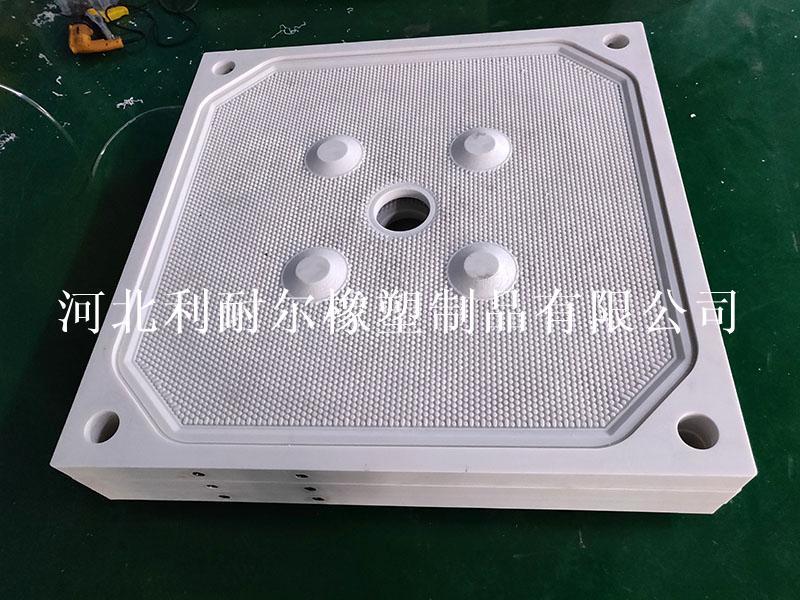
An 800 filter plate is an essential component of a filtration system used in various industries such as chemical, pharmaceutical, and mining. It acts as a barrier that separates solids from liquids during the filtration process, ensuring optimal filtration efficiency and quality.
Why is Choosing the Right Filter Plate Important?
Selecting the right 800 filter plate is crucial as it directly impacts the overall performance and effectiveness of your filtration system. A well-suited filter plate ensures efficient filtration, extends the lifespan of your equipment, and improves productivity.
2. Exploring Different Types of 800 Filter Plates
Plate and Frame Filter Plates
Plate and frame filter plates are the most commonly used type in industrial filtration. They consist of a series of plates with filter media in between, allowing for efficient separation of solids and liquids.
Membrane Filter Plates
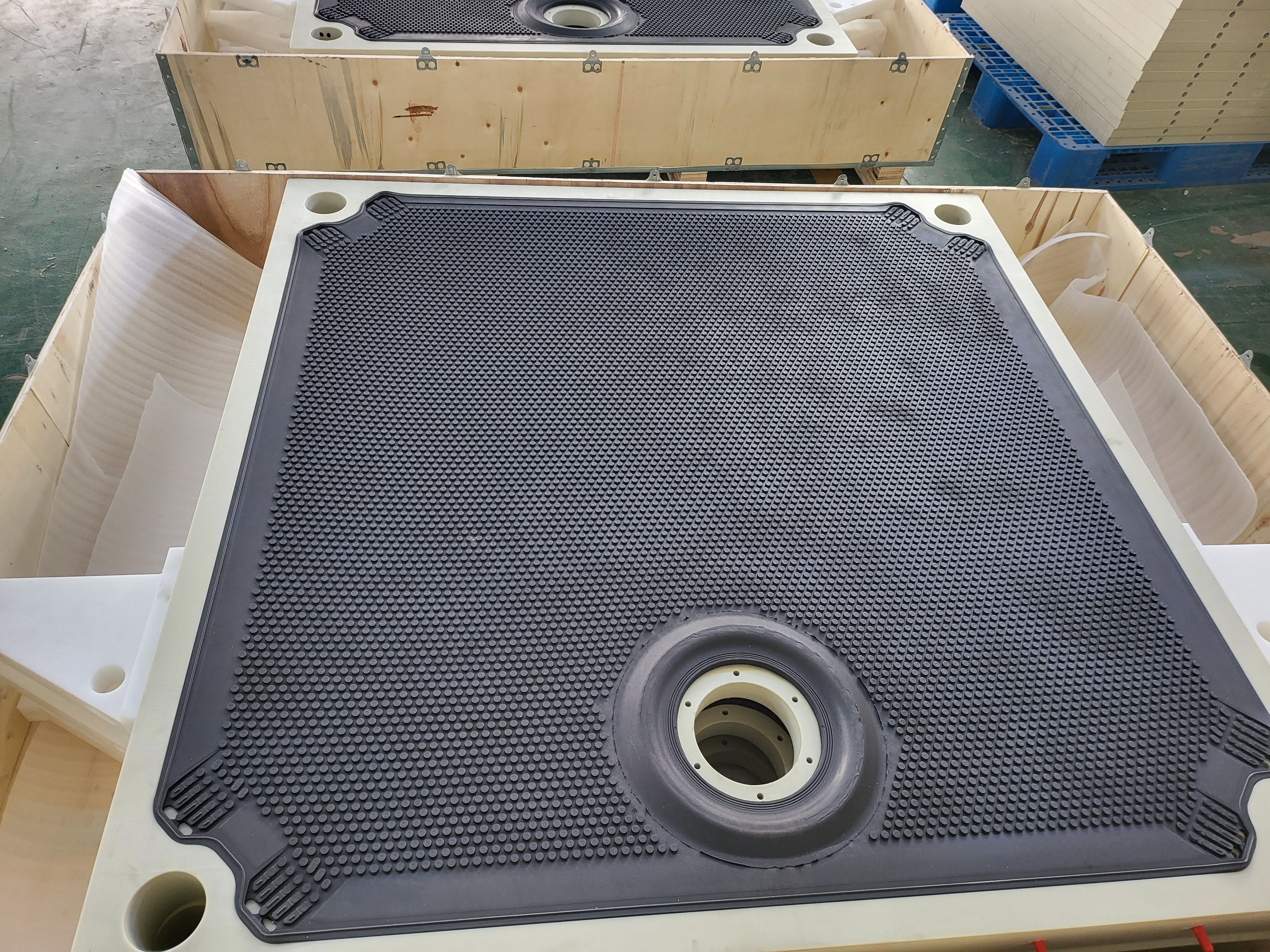
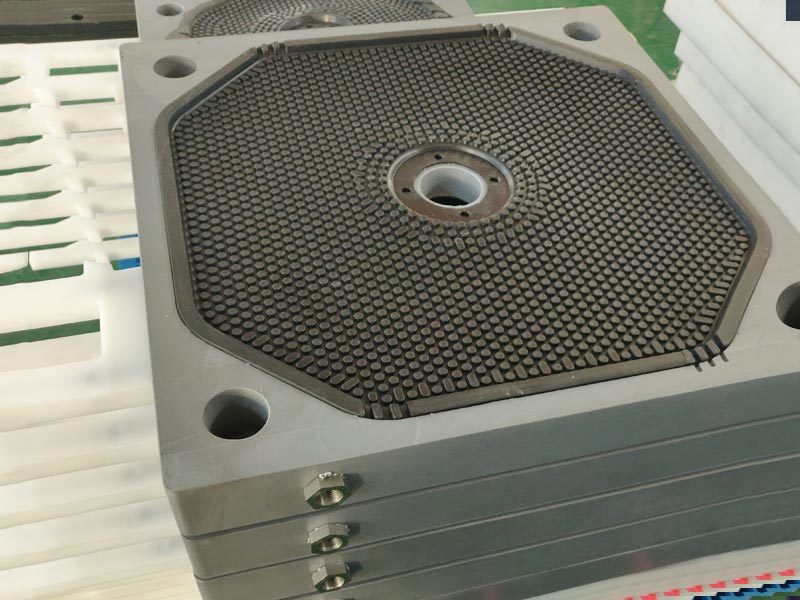
Membrane filter plates feature an additional membrane layer that enhances the filtration process and allows for higher solids retention. They are often used in applications that require high filtration efficiency and precision.
Recessed Chamber Filter Plates
Recessed chamber filter plates are designed with a recessed area where the solids accumulate during the filtration process. They offer excellent cake washing capabilities and are suitable for applications with high solids content.
3. Key Features to Look for in an 800 Filter Plate
Material and Compatibility
Ensure that the 800 filter plate is made from a durable and chemically resistant material, such as polypropylene or stainless steel. Additionally, consider its compatibility with your filtration system and the substances you are filtering.
Plate Size and Configuration
Choose the appropriate plate size and configuration that matches the capacity and requirements of your filtration system. Consider factors such as filtration area, cake thickness, and plate dimensions.
Filtration Efficiency
Look for 800 filter plates that offer high filtration efficiency to ensure optimal separation of solids and liquids. Consider features such as pore size, membrane technology, and cake release properties.
4. Navigating the Market for 800 Filter Plates
Researching and Comparing Options
Start by conducting thorough research on different manufacturers and suppliers of 800 filter plates. Compare their offerings in terms of quality, price, customer reviews, and certifications to identify reliable and reputable options.
Seeking Expert Advice
Consulting with filtration experts or industry professionals can provide valuable insights and recommendations on the best 800 filter plates for your specific needs. They can help you understand technical specifications and guide you towards the most suitable options.
5. How to Choose the Right 800 Filter Plate for Your Needs
Identify Your Filtration Requirements
Evaluate the specific needs of your filtration process, including parameters such as filtration volume, temperature, pressure, and the nature of the substances being filtered. This will help you determine the ideal features and specifications of the 800 filter plate.
Consider Long-Term Value
Look beyond the initial cost and consider the long-term value offered by different 800 filter plates. Factors such as durability, ease of maintenance, and compatibility with future filtration needs should be taken into account.
Request Samples or Demonstrations
If possible, request samples or demonstrations from potential suppliers to assess the performance and quality of their 800 filter plates. This will give you a firsthand experience and assist in making an informed decision.
6. Frequently Asked Questions (FAQs)
Q1: How often should I replace an 800 filter plate?
The replacement frequency of an 800 filter plate depends on various factors such as the type of application, quality of maintenance, and operating conditions. It is recommended to follow the manufacturer's guidelines and conduct regular inspections to determine when a replacement is necessary.
Q2: Can I clean an 800 filter plate?
Yes, most 800 filter plates can be cleaned to remove accumulated solids. However, the cleaning method may vary depending on the material and design of the filter plate. Refer to the manufacturer's instructions for the appropriate cleaning procedure.
Q3: How do I ensure proper installation of an 800 filter plate?
Proper installation of an 800 filter plate is crucial for its optimal performance. Follow the manufacturer's installation instructions carefully, ensuring correct alignment, sealing, and tightening of components. If unsure, consult a filtration expert for assistance.
Q4: Can I customize an 800 filter plate?
Yes, many manufacturers offer customization options for 800 filter plates to meet specific requirements. Contact the manufacturer or supplier to discuss your customization needs and explore the available options.
Q5: How do I maintain an 800 filter plate?
Regular maintenance of an 800 filter plate involves routine cleaning, inspection for damage or wear, and replacing any worn-out components. Follow the maintenance guidelines provided by the manufacturer to ensure optimal performance and longevity.
7. Conclusion
In conclusion, finding the perfect 800 filter plate for your filtration needs requires careful consideration of various factors. Understanding the importance of filter plates, exploring different types, and evaluating key features are essential steps in the selection process. Navigating the market, seeking expert advice, and making an informed decision based on your specific requirements will ensure that you optimize your filtration process with the ideal 800 filter plate.
Related News