
-
AboutHebei Linaier Rubber Products Co., Ltd. is located in Duqiao Industrial Zone, Jingxian City, Hebei Province, adjacent to Dezhou, Shandong. Founded in early 2001 with a registered capital of 35 million yuan, it is a scientific

-
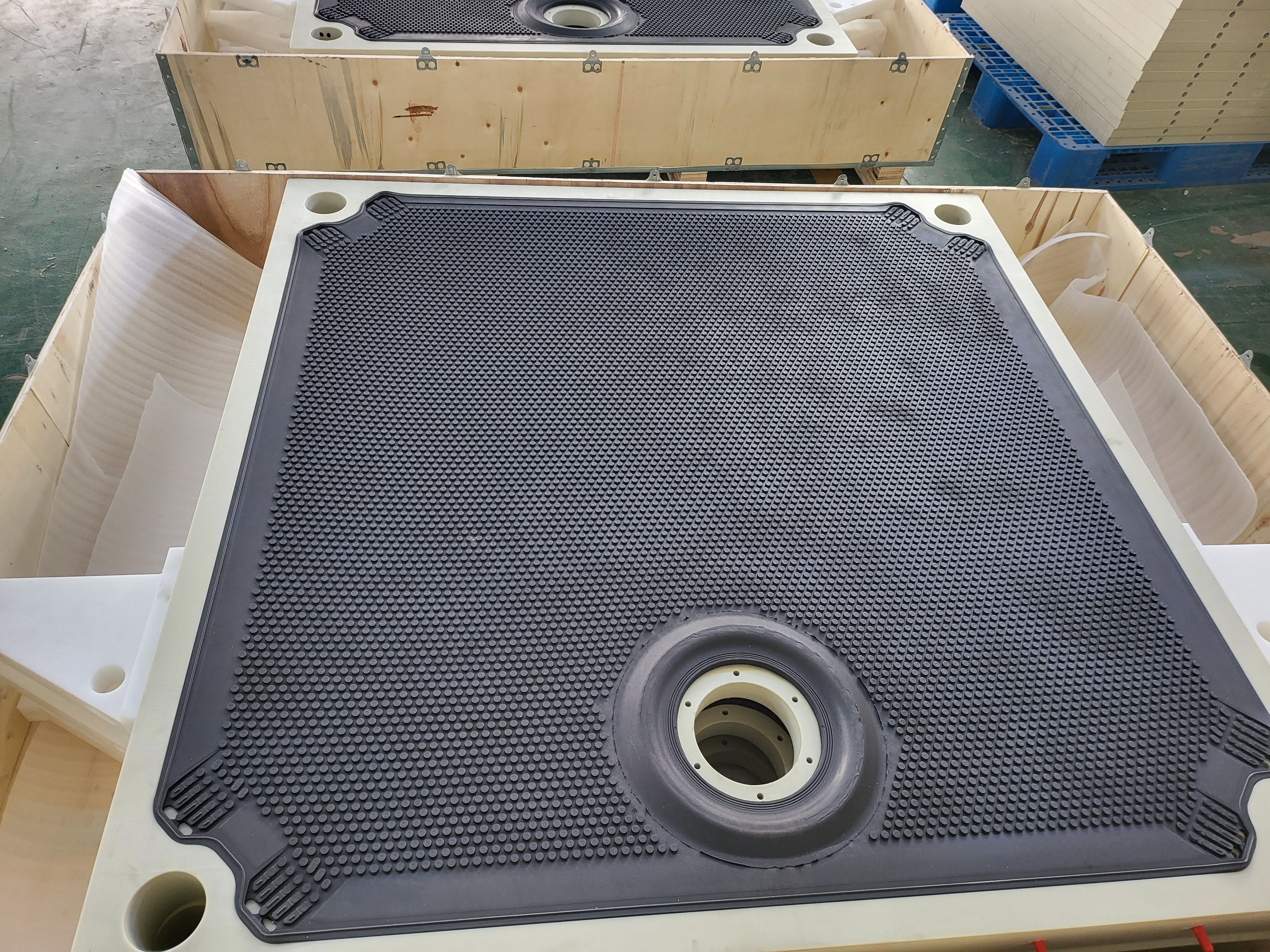
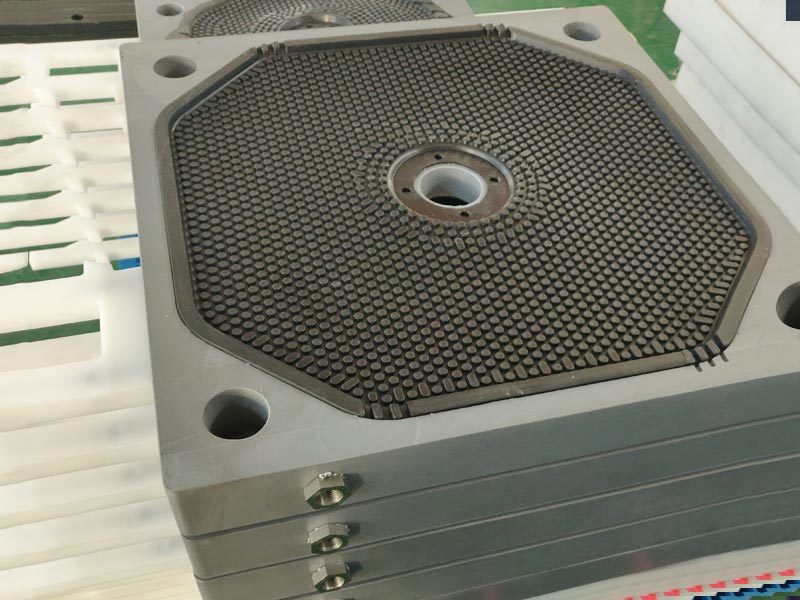
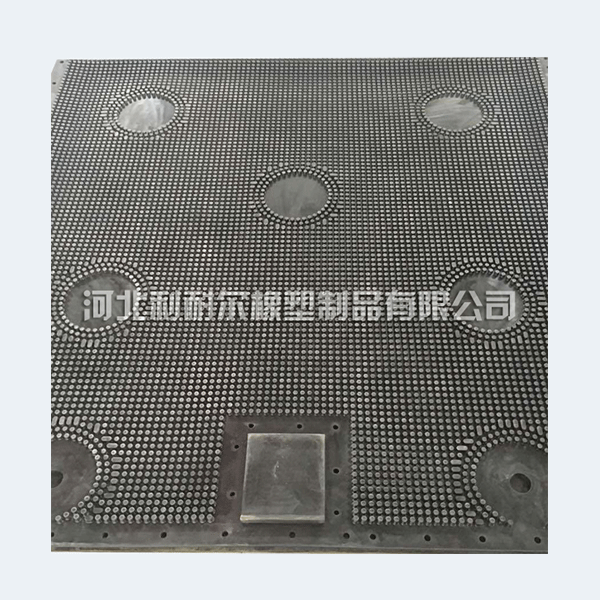
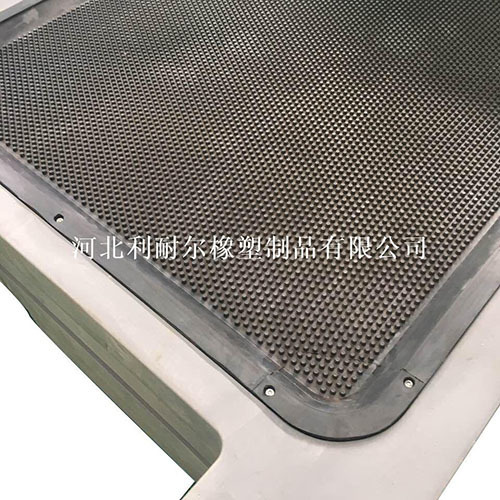
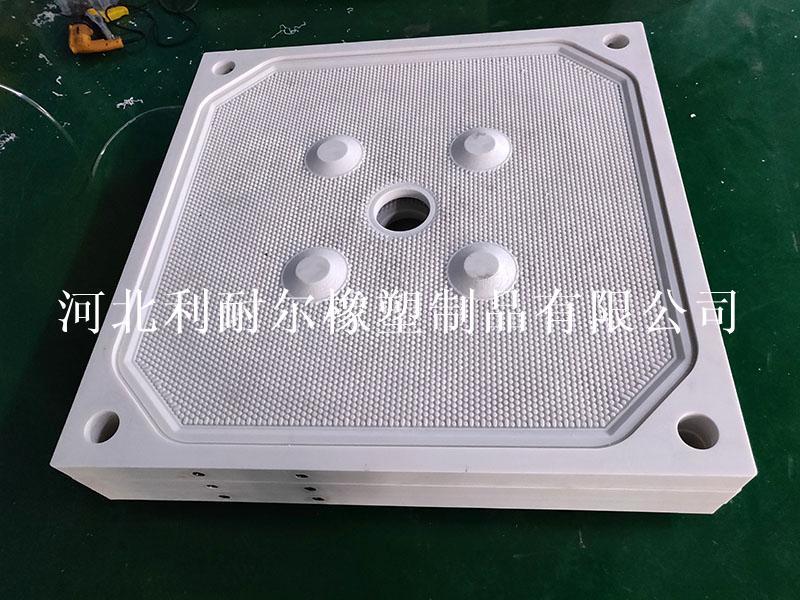
ProductMain products: vertical and horizontal imported and domestic filter plates, diaphragm plates, diaphragms and accessories; pinch valve sleeves and pinch valves and various mining accessories.
-
NewsIn 2013, our company's high-pressure cylinder with phenolic cloth support and guide ring obtained the national key new product certificate, project number: 2013GRA20011; its products in coal cylinders and engineering hydrauli
-
ServiceWe will actively cooperate with more enthusiasm, strengthen internal management, expand the market externally, improve various performance indicators of existing products, and truly achieve our win-win situation!
-
RecruitmentOur company always adheres to the talent concept of "people-oriented", provides a growth platform for talents, and realizes the common growth and development of enterprises and talents.


language
English
العربية
বাংলাদেশ
Български
Hrvatski
Česky
Dansk
Nederland
 Esperanto
Slovenski
Filipino
Suomi
Français
Maori
 Shqiptare
Georgian
 Euskara
Deutsch
Ελλάδα
ישראל
इंडिया
Magyarország
Ísland
Indonesia
Irlanda
Italia
日本語
Sovensko
Հայաստան
한국
Kyrgyz
ປະເທດລາວ
 Zulu
Zulu
Latvian
Lithuanian
Luxembourgish
 Latinus
Macedonian
Малайская
Maltese
Монгол улс
 Cymraeg
ဗမာ
 தமிழ்
தமிழ்
नेपाल
Norge
ایران
Polska
Portugal
România
Российская
Србија
 Slovak
Србија
 Slovak
Bosanski
Slovenian
Беларус
España
Sverige
Точик
ประเทศไทย
Türk
Azərbaycan
Uzbek
 Afrikaans
Việt Nam

How to Choose the Best China Filter Press Sealing Strip for Your Industrial Equipment
Release time:
2023-09-29
Table of Contents: 1. Introduction: The Significance of a Quality China Filter Press Sealing Strip 2. Types of China Filter Press Sealing Strips 2.1 Natural Rubber Sealing Strips 2.2 Synthetic Rubber Sealing Strips 2.3 Silicone Sealing Strips 2.4 EPDM Sealing Strips 2.5 Other Material Options 3. Factors to Consider When Choosing a China Filter Press Sealing Strip 3.1 Temperature
Table of Contents:
1. Introduction: The Significance of a Quality China Filter Press Sealing Strip
2. Types of China Filter Press Sealing Strips
2.1 Natural Rubber Sealing Strips
2.2 Synthetic Rubber Sealing Strips
2.3 Silicone Sealing Strips
2.4 EPDM Sealing Strips
2.5 Other Material Options
3. Factors to Consider When Choosing a China Filter Press Sealing Strip
3.1 Temperature Resistance
3.2 Chemical Compatibility
3.3 Durability and Longevity
3.4 Installation and Maintenance Ease
3.5 Cost-Effectiveness
4. Understanding Sealing Strip Specifications
4.1 Dimensions and Tolerance
4.2 Hardness and Compression Set
4.3 Tear Strength and Elongation
4.4 Aging and Weather Resistance
5. Assessing Supplier Reliability and Quality Assurance
5.1 Reputation and Experience
5.2 Manufacturing Capabilities
5.3 Compliance with Industry Standards
5.4 Customer Reviews and Testimonials
6. The Role of Customization in Filter Press Sealing Strip Selection
6.1 Tailored Solutions for Unique Requirements
6.2 Technical Support and Consultation
6.3 Prototyping and Sampling
6.4 Flexibility in Order Quantities
7. Frequently Asked Questions (FAQs)
7.1 What is the purpose of a filter press sealing strip?
7.2 How long do sealing strips typically last?
7.3 Can I use any sealing strip material for my industrial equipment?
7.4 Are custom sealing strip options available?
7.5 What steps should I take to ensure proper installation of the sealing strip?
8. Conclusion: Making the Right Choice for Your Industrial Equipment
A high-quality sealing strip plays a vital role in the efficient operation of filter press equipment. It acts as a barrier between the filter plates, preventing leakage and ensuring optimal performance. Choosing the best China filter press sealing strip for your industrial equipment is crucial to maintain productivity, reduce downtime, and enhance overall equipment lifespan.
When it comes to sealing strips, there are several material options available. Understanding the characteristics and advantages of each will help you make an informed decision. The most common types of China filter press sealing strips are:
Natural rubber sealing strips are known for their excellent elasticity and resilience. They offer good resistance to wear and tear, making them suitable for a wide range of industrial applications. However, they may not be suitable for certain chemical environments or extreme temperatures.
Synthetic rubber sealing strips, such as neoprene and nitrile, offer enhanced chemical resistance and temperature stability compared to natural rubber. They are ideal for applications involving oils, solvents, and moderate temperature variations.
Silicone sealing strips excel in high-temperature applications, as they can withstand extreme heat without losing their elasticity. They also exhibit excellent resistance to aging, UV radiation, and ozone, making them suitable for outdoor and demanding environments.
EPDM (Ethylene Propylene Diene Monomer) sealing strips are valued for their exceptional resistance to weathering, UV radiation, and chemicals. They offer reliable performance across a wide temperature range, making them a versatile choice for various industrial applications.
Apart from the aforementioned types, there are several other sealing strip materials available, such as PVC, TPE, and FKM. Each material has its own unique properties and is suitable for specific applications. It is essential to assess your equipment's requirements and consult with experts to determine the best material option.
Selecting the right sealing strip involves evaluating various factors to ensure optimal performance and longevity. Consider the following aspects:
Evaluate the temperature range your equipment operates in and choose a sealing strip material that can withstand those conditions without compromising its properties. Ensure the material's maximum and minimum temperature ratings align with your requirements.
Determine the chemicals or substances that the sealing strip will come into contact with during equipment operation. Choose a material that exhibits excellent resistance to those chemicals to avoid premature degradation or failure.
Assess the expected lifespan of the sealing strip and consider the operational demands placed on your equipment. Opt for a material that offers good wear resistance, tear strength, and overall durability to minimize the need for frequent replacements.
Consider the ease of installation and maintenance of the sealing strip. Ensure it can be easily fitted onto your equipment and that any necessary maintenance procedures are straightforward. This will save time and effort during maintenance activities.
Evaluate the overall cost of the sealing strip, including its purchase price, installation expenses, and maintenance requirements. Balance the initial investment with the expected lifespan and performance of the sealing strip to determine its cost-effectiveness.
To make an informed decision, it is essential to understand the specifications provided by sealing strip manufacturers. Pay attention to the following key specifications:
Check the dimensions and tolerance requirements of the sealing strip to ensure it fits your equipment perfectly. Accurate measurements and a suitable tolerance range are crucial to prevent leakage and ensure proper sealing.
Hardness is a measure of the sealing strip's resistance to indentation. Compression set refers to how well the sealing strip recovers its original shape after being compressed. Both properties impact the sealing strip's effectiveness and longevity.
Tear strength determines the sealing strip's resistance to tearing or elongation under stress. Elongation indicates the material's ability to stretch without permanent deformation. Higher tear strength and elongation values generally indicate better durability.
Consider the sealing strip's resistance to aging and weathering factors such as UV radiation, ozone, and extreme temperatures. A sealing strip that can withstand harsh conditions without deteriorating will provide long-term reliability.
When sourcing a China filter press sealing strip, it is crucial to ensure the supplier's reliability and commitment to delivering high-quality products. Consider the following aspects:
Research the supplier's reputation and experience in the industry. Look for customer reviews, testimonials, and any certifications or awards that demonstrate their expertise and commitment to quality.
Evaluate the supplier's manufacturing capabilities and facilities. Ensure they have the necessary equipment and expertise to produce sealing strips that meet your specific requirements.
Check if the supplier adheres to recognized industry standards and quality management systems, such as ISO 9001. This ensures that their products undergo rigorous testing and inspections to meet the highest quality standards.
Read customer reviews and testimonials to gauge the supplier's reliability, responsiveness, and after-sales support. Positive feedback indicates a trustworthy supplier who prioritizes customer satisfaction.
Consider the benefits of customizing your China filter press sealing strip to meet your specific requirements:
Customizing a sealing strip allows you to address specific challenges or unique specifications that off-the-shelf options may not fulfill. It enables you to achieve a perfect fit and optimal performance for your industrial equipment.
Engaging with a supplier who offers technical support and consultation ensures that your custom sealing strip meets your equipment's exact needs. Their expertise can help you identify the most suitable material and design for your application.
Customization often involves prototyping and sampling to ensure the sealing strip performs as intended. This iterative process allows you to make adjustments and fine-tune the design until you achieve the desired results.
Customization provides flexibility in terms of order quantities. Whether you need a small batch or a large volume of sealing strips, a reputable supplier should accommodate your requirements.
A filter press sealing strip creates a tight seal between filter plates, preventing leakage and ensuring efficient filtration processes.
The lifespan of sealing strips varies depending on factors such as material quality, operating conditions, and maintenance practices. However, with proper care, sealing strips can last for several years.
No, not all sealing strip materials are suitable for every industrial application. Consider factors like temperature, chemical exposure, and the specific requirements of your equipment when selecting a sealing strip material.
Yes, many suppliers offer custom sealing strip options to meet unique requirements. Customization allows you to tailor the sealing strip's dimensions, material composition, and properties to suit your equipment.
Follow the manufacturer's guidelines and recommendations for installation. Ensure the sealing strip is clean, properly aligned, and securely fastened to prevent any leaks or inefficiencies.
Selecting the best China filter press sealing strip for your industrial equipment is a critical decision that requires careful consideration. By understanding the different types of sealing strip materials, evaluating key factors, and assessing supplier reliability, you can make an informed choice. Customization options offer additional benefits, enabling you to achieve optimal performance and efficiency. Invest in a high-quality sealing strip to safeguard your industrial equipment, enhance productivity, and minimize downtime. Choose wisely and enjoy the peace of mind that comes with knowing your equipment is well-protected.
1. Introduction: The Significance of a Quality China Filter Press Sealing Strip
2. Types of China Filter Press Sealing Strips
2.1 Natural Rubber Sealing Strips
2.2 Synthetic Rubber Sealing Strips
2.3 Silicone Sealing Strips
2.4 EPDM Sealing Strips
2.5 Other Material Options
3. Factors to Consider When Choosing a China Filter Press Sealing Strip
3.1 Temperature Resistance
3.2 Chemical Compatibility
3.3 Durability and Longevity
3.4 Installation and Maintenance Ease
3.5 Cost-Effectiveness
4. Understanding Sealing Strip Specifications
4.1 Dimensions and Tolerance
4.2 Hardness and Compression Set
4.3 Tear Strength and Elongation
4.4 Aging and Weather Resistance
5. Assessing Supplier Reliability and Quality Assurance
5.1 Reputation and Experience
5.2 Manufacturing Capabilities
5.3 Compliance with Industry Standards
5.4 Customer Reviews and Testimonials
6. The Role of Customization in Filter Press Sealing Strip Selection
6.1 Tailored Solutions for Unique Requirements
6.2 Technical Support and Consultation
6.3 Prototyping and Sampling
6.4 Flexibility in Order Quantities
7. Frequently Asked Questions (FAQs)
7.1 What is the purpose of a filter press sealing strip?
7.2 How long do sealing strips typically last?
7.3 Can I use any sealing strip material for my industrial equipment?
7.4 Are custom sealing strip options available?
7.5 What steps should I take to ensure proper installation of the sealing strip?
8. Conclusion: Making the Right Choice for Your Industrial Equipment
1. Introduction: The Significance of a Quality China Filter Press Sealing Strip
A high-quality sealing strip plays a vital role in the efficient operation of filter press equipment. It acts as a barrier between the filter plates, preventing leakage and ensuring optimal performance. Choosing the best China filter press sealing strip for your industrial equipment is crucial to maintain productivity, reduce downtime, and enhance overall equipment lifespan.
2. Types of China Filter Press Sealing Strips
When it comes to sealing strips, there are several material options available. Understanding the characteristics and advantages of each will help you make an informed decision. The most common types of China filter press sealing strips are:
2.1 Natural Rubber Sealing Strips
Natural rubber sealing strips are known for their excellent elasticity and resilience. They offer good resistance to wear and tear, making them suitable for a wide range of industrial applications. However, they may not be suitable for certain chemical environments or extreme temperatures.
2.2 Synthetic Rubber Sealing Strips
Synthetic rubber sealing strips, such as neoprene and nitrile, offer enhanced chemical resistance and temperature stability compared to natural rubber. They are ideal for applications involving oils, solvents, and moderate temperature variations.
2.3 Silicone Sealing Strips
Silicone sealing strips excel in high-temperature applications, as they can withstand extreme heat without losing their elasticity. They also exhibit excellent resistance to aging, UV radiation, and ozone, making them suitable for outdoor and demanding environments.
2.4 EPDM Sealing Strips
EPDM (Ethylene Propylene Diene Monomer) sealing strips are valued for their exceptional resistance to weathering, UV radiation, and chemicals. They offer reliable performance across a wide temperature range, making them a versatile choice for various industrial applications.
2.5 Other Material Options
Apart from the aforementioned types, there are several other sealing strip materials available, such as PVC, TPE, and FKM. Each material has its own unique properties and is suitable for specific applications. It is essential to assess your equipment's requirements and consult with experts to determine the best material option.
3. Factors to Consider When Choosing a China Filter Press Sealing Strip
Selecting the right sealing strip involves evaluating various factors to ensure optimal performance and longevity. Consider the following aspects:
3.1 Temperature Resistance
Evaluate the temperature range your equipment operates in and choose a sealing strip material that can withstand those conditions without compromising its properties. Ensure the material's maximum and minimum temperature ratings align with your requirements.
3.2 Chemical Compatibility
Determine the chemicals or substances that the sealing strip will come into contact with during equipment operation. Choose a material that exhibits excellent resistance to those chemicals to avoid premature degradation or failure.
3.3 Durability and Longevity
Assess the expected lifespan of the sealing strip and consider the operational demands placed on your equipment. Opt for a material that offers good wear resistance, tear strength, and overall durability to minimize the need for frequent replacements.
3.4 Installation and Maintenance Ease
Consider the ease of installation and maintenance of the sealing strip. Ensure it can be easily fitted onto your equipment and that any necessary maintenance procedures are straightforward. This will save time and effort during maintenance activities.
3.5 Cost-Effectiveness
Evaluate the overall cost of the sealing strip, including its purchase price, installation expenses, and maintenance requirements. Balance the initial investment with the expected lifespan and performance of the sealing strip to determine its cost-effectiveness.
4. Understanding Sealing Strip Specifications
To make an informed decision, it is essential to understand the specifications provided by sealing strip manufacturers. Pay attention to the following key specifications:
4.1 Dimensions and Tolerance
Check the dimensions and tolerance requirements of the sealing strip to ensure it fits your equipment perfectly. Accurate measurements and a suitable tolerance range are crucial to prevent leakage and ensure proper sealing.
4.2 Hardness and Compression Set
Hardness is a measure of the sealing strip's resistance to indentation. Compression set refers to how well the sealing strip recovers its original shape after being compressed. Both properties impact the sealing strip's effectiveness and longevity.
4.3 Tear Strength and Elongation
Tear strength determines the sealing strip's resistance to tearing or elongation under stress. Elongation indicates the material's ability to stretch without permanent deformation. Higher tear strength and elongation values generally indicate better durability.
4.4 Aging and Weather Resistance
Consider the sealing strip's resistance to aging and weathering factors such as UV radiation, ozone, and extreme temperatures. A sealing strip that can withstand harsh conditions without deteriorating will provide long-term reliability.
5. Assessing Supplier Reliability and Quality Assurance
When sourcing a China filter press sealing strip, it is crucial to ensure the supplier's reliability and commitment to delivering high-quality products. Consider the following aspects:
5.1 Reputation and Experience
Research the supplier's reputation and experience in the industry. Look for customer reviews, testimonials, and any certifications or awards that demonstrate their expertise and commitment to quality.
5.2 Manufacturing Capabilities
Evaluate the supplier's manufacturing capabilities and facilities. Ensure they have the necessary equipment and expertise to produce sealing strips that meet your specific requirements.
5.3 Compliance with Industry Standards
Check if the supplier adheres to recognized industry standards and quality management systems, such as ISO 9001. This ensures that their products undergo rigorous testing and inspections to meet the highest quality standards.
5.4 Customer Reviews and Testimonials
Read customer reviews and testimonials to gauge the supplier's reliability, responsiveness, and after-sales support. Positive feedback indicates a trustworthy supplier who prioritizes customer satisfaction.
6. The Role of Customization in Filter Press Sealing Strip Selection
Consider the benefits of customizing your China filter press sealing strip to meet your specific requirements:
6.1 Tailored Solutions for Unique Requirements
Customizing a sealing strip allows you to address specific challenges or unique specifications that off-the-shelf options may not fulfill. It enables you to achieve a perfect fit and optimal performance for your industrial equipment.
6.2 Technical Support and Consultation
Engaging with a supplier who offers technical support and consultation ensures that your custom sealing strip meets your equipment's exact needs. Their expertise can help you identify the most suitable material and design for your application.
6.3 Prototyping and Sampling
Customization often involves prototyping and sampling to ensure the sealing strip performs as intended. This iterative process allows you to make adjustments and fine-tune the design until you achieve the desired results.
6.4 Flexibility in Order Quantities
Customization provides flexibility in terms of order quantities. Whether you need a small batch or a large volume of sealing strips, a reputable supplier should accommodate your requirements.
7. Frequently Asked Questions (FAQs)
7.1 What is the purpose of a filter press sealing strip?
A filter press sealing strip creates a tight seal between filter plates, preventing leakage and ensuring efficient filtration processes.
7.2 How long do sealing strips typically last?
The lifespan of sealing strips varies depending on factors such as material quality, operating conditions, and maintenance practices. However, with proper care, sealing strips can last for several years.
7.3 Can I use any sealing strip material for my industrial equipment?
No, not all sealing strip materials are suitable for every industrial application. Consider factors like temperature, chemical exposure, and the specific requirements of your equipment when selecting a sealing strip material.
7.4 Are custom sealing strip options available?
Yes, many suppliers offer custom sealing strip options to meet unique requirements. Customization allows you to tailor the sealing strip's dimensions, material composition, and properties to suit your equipment.
7.5 What steps should I take to ensure proper installation of the sealing strip?
Follow the manufacturer's guidelines and recommendations for installation. Ensure the sealing strip is clean, properly aligned, and securely fastened to prevent any leaks or inefficiencies.
8. Conclusion: Making the Right Choice for Your Industrial Equipment
Selecting the best China filter press sealing strip for your industrial equipment is a critical decision that requires careful consideration. By understanding the different types of sealing strip materials, evaluating key factors, and assessing supplier reliability, you can make an informed choice. Customization options offer additional benefits, enabling you to achieve optimal performance and efficiency. Invest in a high-quality sealing strip to safeguard your industrial equipment, enhance productivity, and minimize downtime. Choose wisely and enjoy the peace of mind that comes with knowing your equipment is well-protected.
Related News