
-
AboutHebei Linaier Rubber Products Co., Ltd. is located in Duqiao Industrial Zone, Jingxian City, Hebei Province, adjacent to Dezhou, Shandong. Founded in early 2001 with a registered capital of 35 million yuan, it is a scientific

-
ProductMain products: vertical and horizontal imported and domestic filter plates, diaphragm plates, diaphragms and accessories; pinch valve sleeves and pinch valves and various mining accessories.
-
NewsIn 2013, our company's high-pressure cylinder with phenolic cloth support and guide ring obtained the national key new product certificate, project number: 2013GRA20011; its products in coal cylinders and engineering hydrauli
-
ServiceWe will actively cooperate with more enthusiasm, strengthen internal management, expand the market externally, improve various performance indicators of existing products, and truly achieve our win-win situation!
-
RecruitmentOur company always adheres to the talent concept of "people-oriented", provides a growth platform for talents, and realizes the common growth and development of enterprises and talents.


language
English
العربية
বাংলাদেশ
Български
Hrvatski
Česky
Dansk
Nederland
 Esperanto
Slovenski
Filipino
Suomi
Français
Maori
 Shqiptare
Georgian
 Euskara
Deutsch
Ελλάδα
ישראל
इंडिया
Magyarország
Ísland
Indonesia
Irlanda
Italia
日本語
Sovensko
Հայաստան
한국
Kyrgyz
ປະເທດລາວ
 Zulu
Zulu
Latvian
Lithuanian
Luxembourgish
 Latinus
Macedonian
Малайская
Maltese
Монгол улс
 Cymraeg
ဗမာ
 தமிழ்
தமிழ்
नेपाल
Norge
ایران
Polska
Portugal
România
Российская
Србија
 Slovak
Србија
 Slovak
Bosanski
Slovenian
Беларус
España
Sverige
Точик
ประเทศไทย
Türk
Azərbaycan
Uzbek
 Afrikaans
Việt Nam

Choosing the Right Supplier for Affordable 1500 Rubber Filter Plate: A Comprehensive Guide
Release time:
2023-09-28
**Table of Contents** 1. Introduction 2. Understanding the Importance of a Reliable Supplier 3. Factors to Consider When Choosing a Supplier 3.1 Quality Standards 3.2 Price Competitiveness 3.3 Delivery Time and Logistics 3.4 Customer Support and After-Sales Service 3.5 Reputation and Reviews 3.6 Supplier's Capabilities and Resources 3.7 Customization Options 3.8 Compliance
**Table of Contents**
1. Introduction
2. Understanding the Importance of a Reliable Supplier
3. Factors to Consider When Choosing a Supplier
3.1 Quality Standards
3.2 Price Competitiveness
3.3 Delivery Time and Logistics
3.4 Customer Support and After-Sales Service
3.5 Reputation and Reviews
3.6 Supplier's Capabilities and Resources
3.7 Customization Options
3.8 Compliance with Industry Regulations
4. Frequently Asked Questions (FAQs)
4.1 What is the average lifespan of a rubber filter plate?
4.2 Are there any specific maintenance requirements for rubber filter plates?
4.3 Can I get a sample before making a bulk purchase?
4.4 How do I determine the right size of rubber filter plate for my needs?
4.5 What are the common applications of 1500 rubber filter plates?
5. Conclusion
**1. Introduction**
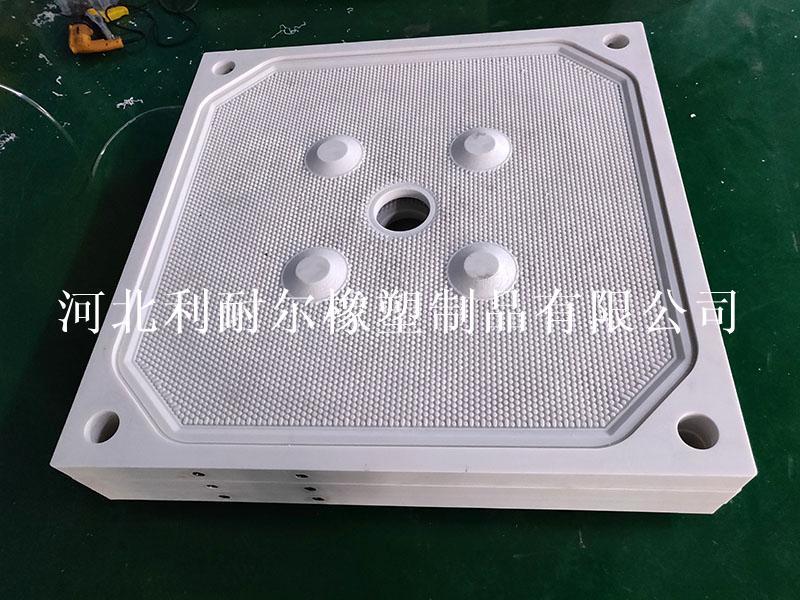
When it comes to sourcing affordable 1500 rubber filter plates, finding the right supplier is crucial. This article aims to guide you through the process of selecting a reputable supplier that not only offers competitive pricing but also delivers high-quality products and excellent customer service.
**2. Understanding the Importance of a Reliable Supplier**
Choosing a reliable supplier for your 1500 rubber filter plate requirements is essential for several reasons. Firstly, a reputable supplier ensures the consistent supply of top-notch products, minimizing downtime and production delays. Secondly, they provide reliable technical support and after-sales service, assisting you in resolving any issues that may arise. Lastly, a reliable supplier offers competitive pricing, helping you save costs in the long run.
**3. Factors to Consider When Choosing a Supplier**
**3.1 Quality Standards**
Ensure that the supplier adheres to stringent quality control measures. Look for certifications such as ISO 9001:2015, which demonstrate their commitment to maintaining high-quality standards. Quality rubber filter plates will have excellent resistance to chemicals, heat, and pressure, ensuring durability and optimal filtration performance.
**3.2 Price Competitiveness**
While affordability is a key consideration, it is essential to strike a balance between cost and quality. Compare prices from different suppliers to ensure you are getting a competitive and fair deal. Avoid compromising on quality solely for cost savings, as it may lead to frequent replacements and higher long-term expenses.
**3.3 Delivery Time and Logistics**
Consider the supplier's ability to meet your delivery deadlines. Prompt and reliable delivery is crucial to avoid disruptions in your production process. Additionally, inquire about their logistics capabilities, including packaging, handling, and transportation, to ensure your rubber filter plates arrive in excellent condition.
**3.4 Customer Support and After-Sales Service**
A supplier with excellent customer support and after-sales service can make a significant difference. They should be responsive to your queries, provide technical assistance when needed, and promptly address any concerns or issues that may arise during the usage of their rubber filter plates.
**3.5 Reputation and Reviews**
Research the supplier's reputation in the market and look for customer reviews and testimonials. A reputable supplier will have positive feedback, indicating their reliability, professionalism, and commitment to customer satisfaction. Consider reaching out to their existing customers for first-hand experiences.
**3.6 Supplier's Capabilities and Resources**
Evaluate the supplier's production capabilities and resources. Ensure they have sufficient capacity to meet your demands consistently. A supplier with advanced machinery and experienced personnel can often deliver superior products, customization options, and faster turnaround times.
**3.7 Customization Options**
If your filtration needs require specific customization, ensure the supplier can accommodate your requirements. Whether it's custom sizes, materials, or designs, choose a supplier who can provide tailored solutions to meet your unique specifications.
**3.8 Compliance with Industry Regulations**
Verify that the supplier complies with relevant industry regulations and standards. This ensures that the rubber filter plates they offer are safe, reliable, and suitable for your application. Compliance with regulations such as FDA, REACH, and RoHS is essential, especially in industries where filtration is critical, such as pharmaceuticals and food processing.
**4. Frequently Asked Questions (FAQs)**
**4.1 What is the average lifespan of a rubber filter plate?**
The lifespan of a rubber filter plate depends on various factors such as the operating conditions, maintenance, and usage frequency. However, with proper care and maintenance, a high-quality rubber filter plate can last several years.
**4.2 Are there any specific maintenance requirements for rubber filter plates?**
Routine maintenance is essential to prolong the lifespan of rubber filter plates. Regular cleaning, inspection for damages or wear, and proper storage can help ensure optimal performance and longevity.
**4.3 Can I get a sample before making a bulk purchase?**
Many suppliers offer samples for evaluation purposes. It is advisable to request a sample to assess the quality, compatibility, and suitability of the rubber filter plate before making a bulk purchase.
**4.4 How do I determine the right size of rubber filter plate for my needs?**
The right size of the rubber filter plate depends on various factors, including the filtration capacity required, the dimensions of your filtration equipment, and the specific application. Consult with the supplier or a filtration expert to determine the appropriate size for your needs.
**4.5 What are the common applications of 1500 rubber filter plates?**
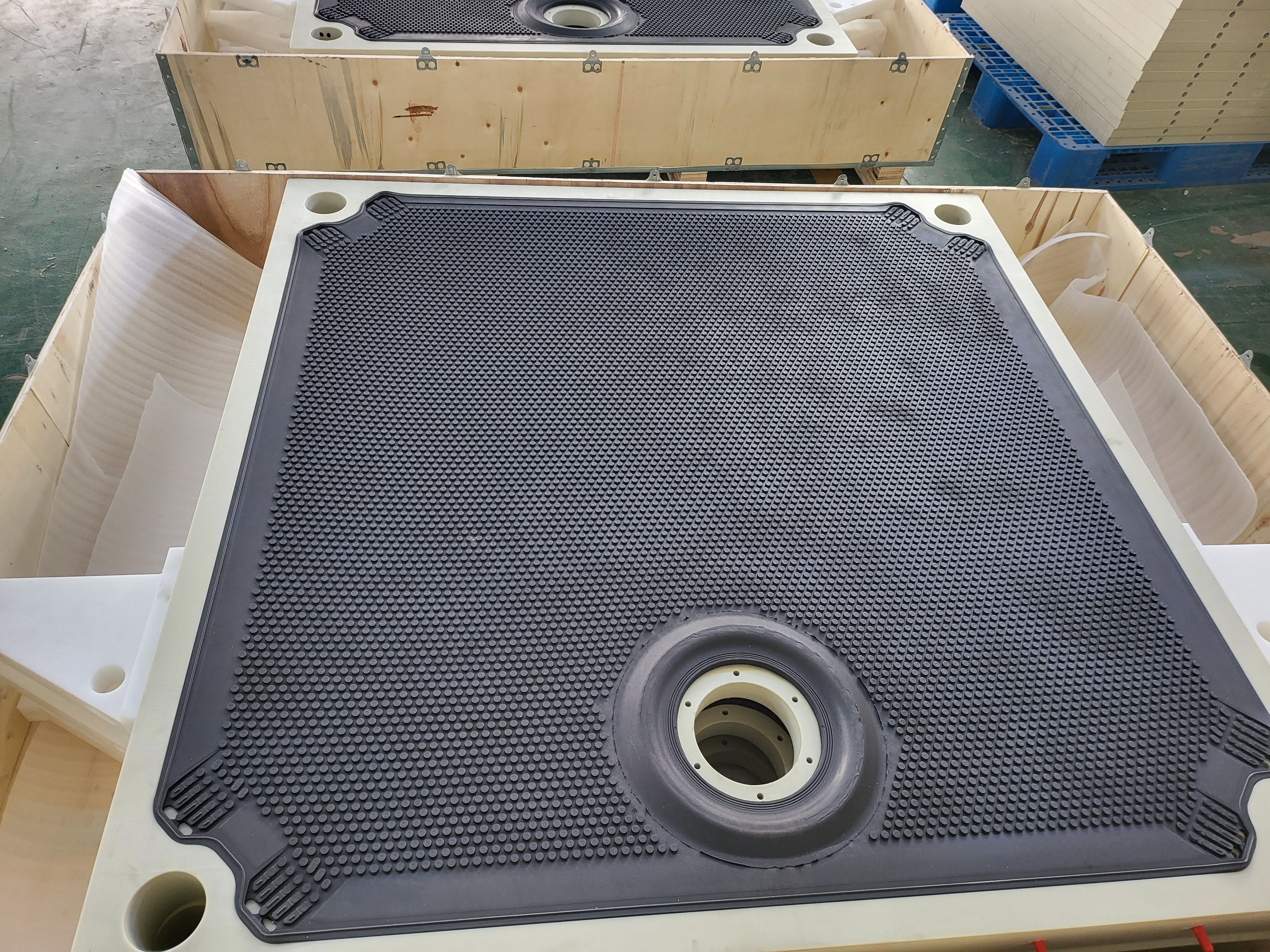
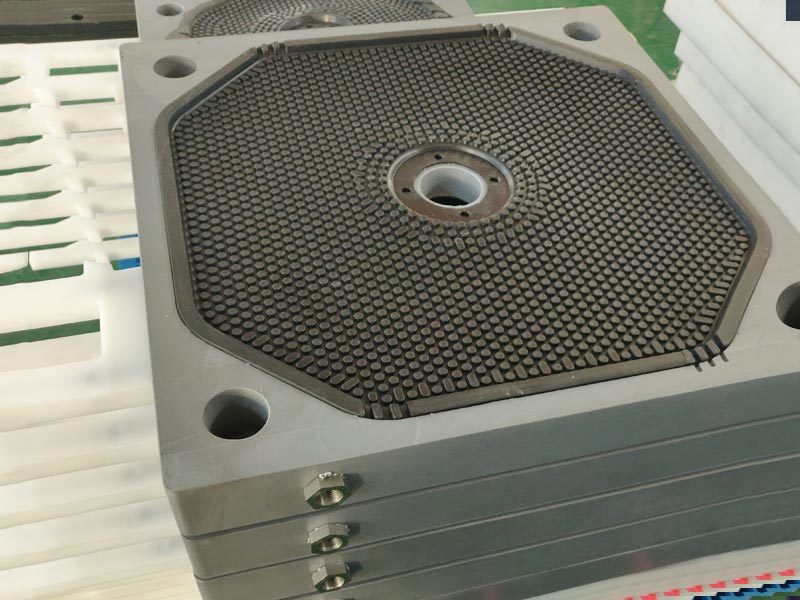
1500 rubber filter plates are commonly used in industries such as mining, chemical processing, wastewater treatment, and pharmaceuticals. They are suitable for various filtration processes, including solid-liquid separation, sludge dewatering, and particle removal.
**5. Conclusion**
Choosing the right supplier for affordable 1500 rubber filter plates is a critical decision that can significantly impact your filtration process's efficiency and overall costs. By considering factors such as quality standards, price competitiveness, delivery time, customer support, customization options, and compliance, you can make an informed choice. Remember to conduct thorough research, evaluate supplier reputations, and consider customer reviews to ensure you find a reliable supplier that meets your specific requirements. With the right supplier, you can achieve optimal filtration performance while minimizing expenses and downtime.
1. Introduction
2. Understanding the Importance of a Reliable Supplier
3. Factors to Consider When Choosing a Supplier
3.1 Quality Standards
3.2 Price Competitiveness
3.3 Delivery Time and Logistics
3.4 Customer Support and After-Sales Service
3.5 Reputation and Reviews
3.6 Supplier's Capabilities and Resources
3.7 Customization Options
3.8 Compliance with Industry Regulations
4. Frequently Asked Questions (FAQs)
4.1 What is the average lifespan of a rubber filter plate?
4.2 Are there any specific maintenance requirements for rubber filter plates?
4.3 Can I get a sample before making a bulk purchase?
4.4 How do I determine the right size of rubber filter plate for my needs?
4.5 What are the common applications of 1500 rubber filter plates?
5. Conclusion
**1. Introduction**
When it comes to sourcing affordable 1500 rubber filter plates, finding the right supplier is crucial. This article aims to guide you through the process of selecting a reputable supplier that not only offers competitive pricing but also delivers high-quality products and excellent customer service.
**2. Understanding the Importance of a Reliable Supplier**
Choosing a reliable supplier for your 1500 rubber filter plate requirements is essential for several reasons. Firstly, a reputable supplier ensures the consistent supply of top-notch products, minimizing downtime and production delays. Secondly, they provide reliable technical support and after-sales service, assisting you in resolving any issues that may arise. Lastly, a reliable supplier offers competitive pricing, helping you save costs in the long run.
**3. Factors to Consider When Choosing a Supplier**
**3.1 Quality Standards**
Ensure that the supplier adheres to stringent quality control measures. Look for certifications such as ISO 9001:2015, which demonstrate their commitment to maintaining high-quality standards. Quality rubber filter plates will have excellent resistance to chemicals, heat, and pressure, ensuring durability and optimal filtration performance.
**3.2 Price Competitiveness**
While affordability is a key consideration, it is essential to strike a balance between cost and quality. Compare prices from different suppliers to ensure you are getting a competitive and fair deal. Avoid compromising on quality solely for cost savings, as it may lead to frequent replacements and higher long-term expenses.
**3.3 Delivery Time and Logistics**
Consider the supplier's ability to meet your delivery deadlines. Prompt and reliable delivery is crucial to avoid disruptions in your production process. Additionally, inquire about their logistics capabilities, including packaging, handling, and transportation, to ensure your rubber filter plates arrive in excellent condition.
**3.4 Customer Support and After-Sales Service**
A supplier with excellent customer support and after-sales service can make a significant difference. They should be responsive to your queries, provide technical assistance when needed, and promptly address any concerns or issues that may arise during the usage of their rubber filter plates.
**3.5 Reputation and Reviews**
Research the supplier's reputation in the market and look for customer reviews and testimonials. A reputable supplier will have positive feedback, indicating their reliability, professionalism, and commitment to customer satisfaction. Consider reaching out to their existing customers for first-hand experiences.
**3.6 Supplier's Capabilities and Resources**
Evaluate the supplier's production capabilities and resources. Ensure they have sufficient capacity to meet your demands consistently. A supplier with advanced machinery and experienced personnel can often deliver superior products, customization options, and faster turnaround times.
**3.7 Customization Options**
If your filtration needs require specific customization, ensure the supplier can accommodate your requirements. Whether it's custom sizes, materials, or designs, choose a supplier who can provide tailored solutions to meet your unique specifications.
**3.8 Compliance with Industry Regulations**
Verify that the supplier complies with relevant industry regulations and standards. This ensures that the rubber filter plates they offer are safe, reliable, and suitable for your application. Compliance with regulations such as FDA, REACH, and RoHS is essential, especially in industries where filtration is critical, such as pharmaceuticals and food processing.
**4. Frequently Asked Questions (FAQs)**
**4.1 What is the average lifespan of a rubber filter plate?**
The lifespan of a rubber filter plate depends on various factors such as the operating conditions, maintenance, and usage frequency. However, with proper care and maintenance, a high-quality rubber filter plate can last several years.
**4.2 Are there any specific maintenance requirements for rubber filter plates?**
Routine maintenance is essential to prolong the lifespan of rubber filter plates. Regular cleaning, inspection for damages or wear, and proper storage can help ensure optimal performance and longevity.
**4.3 Can I get a sample before making a bulk purchase?**
Many suppliers offer samples for evaluation purposes. It is advisable to request a sample to assess the quality, compatibility, and suitability of the rubber filter plate before making a bulk purchase.
**4.4 How do I determine the right size of rubber filter plate for my needs?**
The right size of the rubber filter plate depends on various factors, including the filtration capacity required, the dimensions of your filtration equipment, and the specific application. Consult with the supplier or a filtration expert to determine the appropriate size for your needs.
**4.5 What are the common applications of 1500 rubber filter plates?**
1500 rubber filter plates are commonly used in industries such as mining, chemical processing, wastewater treatment, and pharmaceuticals. They are suitable for various filtration processes, including solid-liquid separation, sludge dewatering, and particle removal.
**5. Conclusion**
Choosing the right supplier for affordable 1500 rubber filter plates is a critical decision that can significantly impact your filtration process's efficiency and overall costs. By considering factors such as quality standards, price competitiveness, delivery time, customer support, customization options, and compliance, you can make an informed choice. Remember to conduct thorough research, evaluate supplier reputations, and consider customer reviews to ensure you find a reliable supplier that meets your specific requirements. With the right supplier, you can achieve optimal filtration performance while minimizing expenses and downtime.
Related News