
-
AboutHebei Linaier Rubber Products Co., Ltd. is located in Duqiao Industrial Zone, Jingxian City, Hebei Province, adjacent to Dezhou, Shandong. Founded in early 2001 with a registered capital of 35 million yuan, it is a scientific

-
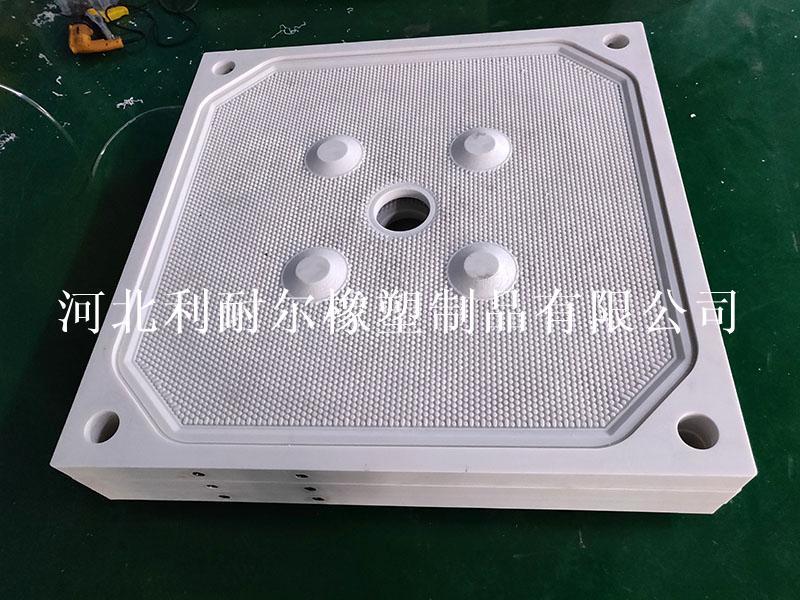
ProductMain products: vertical and horizontal imported and domestic filter plates, diaphragm plates, diaphragms and accessories; pinch valve sleeves and pinch valves and various mining accessories.
-
NewsIn 2013, our company's high-pressure cylinder with phenolic cloth support and guide ring obtained the national key new product certificate, project number: 2013GRA20011; its products in coal cylinders and engineering hydrauli
-
ServiceWe will actively cooperate with more enthusiasm, strengthen internal management, expand the market externally, improve various performance indicators of existing products, and truly achieve our win-win situation!
-
RecruitmentOur company always adheres to the talent concept of "people-oriented", provides a growth platform for talents, and realizes the common growth and development of enterprises and talents.


language
English
العربية
বাংলাদেশ
Български
Hrvatski
Česky
Dansk
Nederland
 Esperanto
Slovenski
Filipino
Suomi
Français
Maori
 Shqiptare
Georgian
 Euskara
Deutsch
Ελλάδα
ישראל
इंडिया
Magyarország
Ísland
Indonesia
Irlanda
Italia
日本語
Sovensko
Հայաստան
한국
Kyrgyz
ປະເທດລາວ
 Zulu
Zulu
Latvian
Lithuanian
Luxembourgish
 Latinus
Macedonian
Малайская
Maltese
Монгол улс
 Cymraeg
ဗမာ
 தமிழ்
தமிழ்
नेपाल
Norge
ایران
Polska
Portugal
România
Российская
Србија
 Slovak
Србија
 Slovak
Bosanski
Slovenian
Беларус
España
Sverige
Точик
ประเทศไทย
Türk
Azərbaycan
Uzbek
 Afrikaans
Việt Nam

Release time:
2023-09-24
Table of Contents 1. Introduction: Understanding the Importance of Horizontal Filter Press Diaphragms 2. The Role of Diaphragms in Filtration: How They Work 3. Advantages of Using Horizontal Filter Press Diaphragms 4. Factors to Consider When Choosing Diaphragms for Your Filtration System 5. Best Practices for Optimal Filtration Results with Diaphragms 6. Common Challenges and Troubleshooting Tips
Table of Contents
1. Introduction: Understanding the Importance of Horizontal Filter Press Diaphragms
2. The Role of Diaphragms in Filtration: How They Work
3. Advantages of Using Horizontal Filter Press Diaphragms
4. Factors to Consider When Choosing Diaphragms for Your Filtration System
5. Best Practices for Optimal Filtration Results with Diaphragms
6. Common Challenges and Troubleshooting Tips
7. Frequently Asked Questions (FAQs)
8. Conclusion: Achieving Unparalleled Filtration Performance with Diaphragms
---
## 1. Introduction: Understanding the Importance of Horizontal Filter Press Diaphragms
In today's ever-evolving industrial landscape, achieving optimal filtration results is paramount. Horizontal filter press diaphragms play a crucial role in enhancing the efficiency and effectiveness of the filtration process. By understanding the significance of diaphragms and their impact on filtration performance, you can unlock the true potential of your filtration system.
## 2. The Role of Diaphragms in Filtration: How They Work
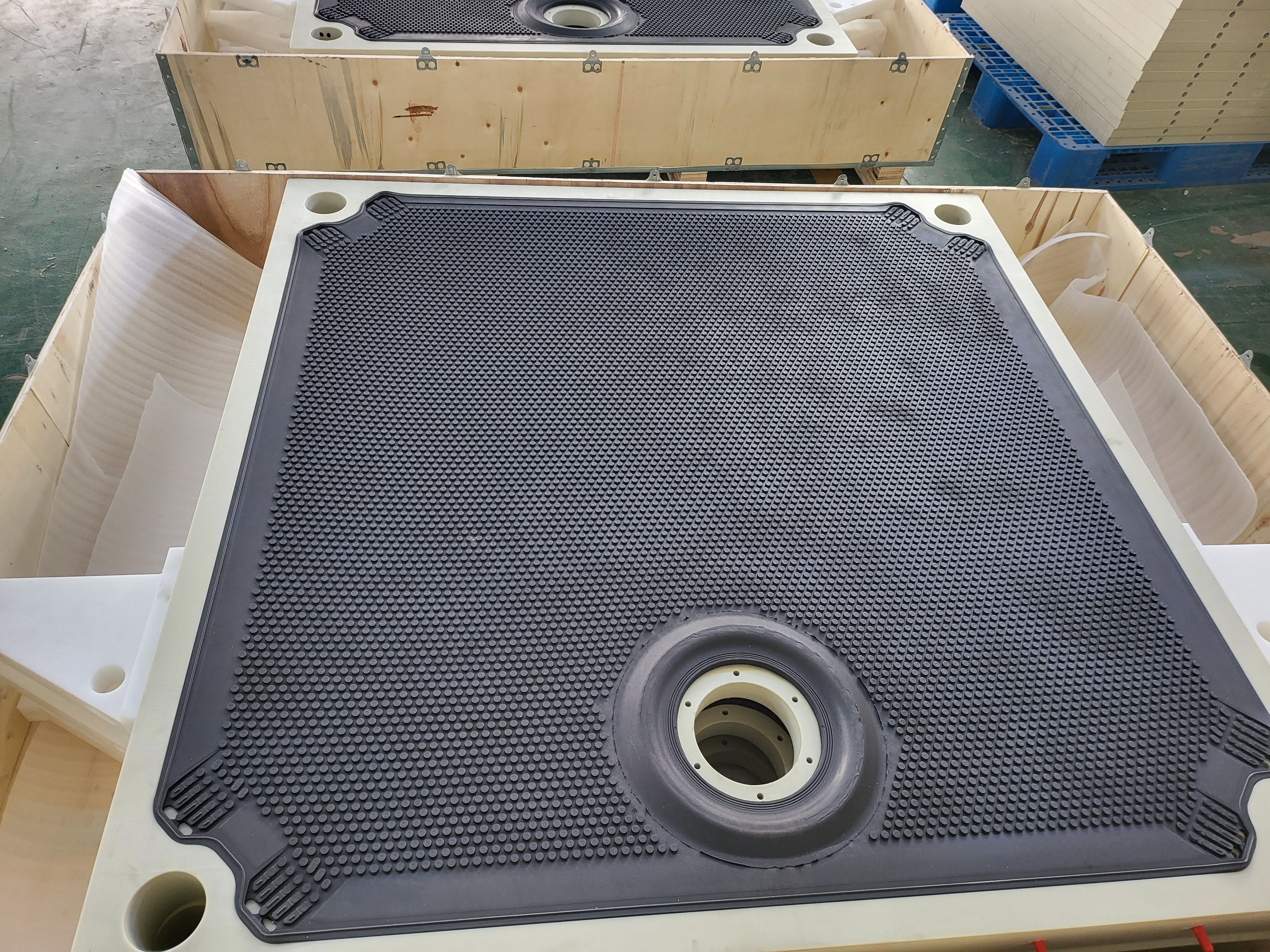
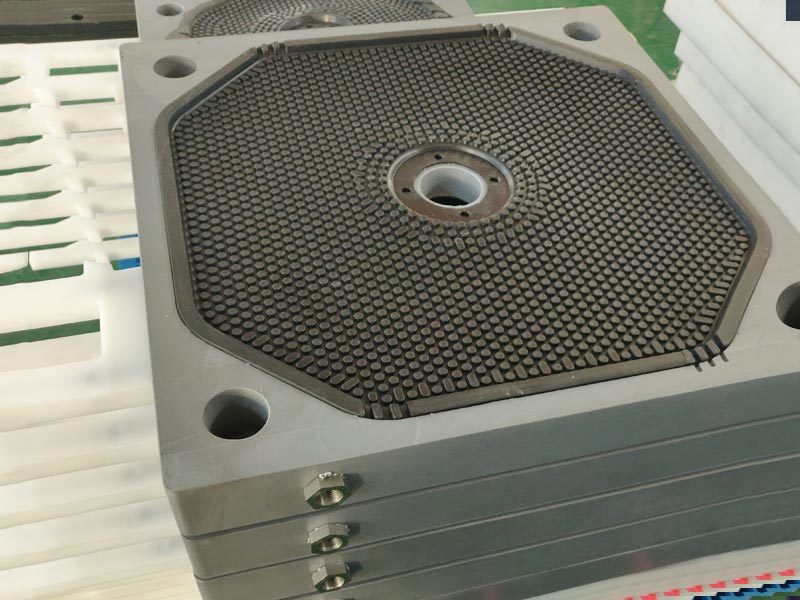
Diaphragms are integral components of horizontal filter presses, serving as a barrier between the filter plates and the slurry being filtered. These flexible membranes provide a seal and separate the filtration chamber, ensuring controlled and efficient filtration. As the slurry is pumped into the chamber, the diaphragm expands, exerting pressure on the filter plate stack. This pressure forces the liquid component of the slurry to be extracted, leaving behind the solid particles.
## 3. Advantages of Using Horizontal Filter Press Diaphragms
Utilizing horizontal filter press diaphragms offers several advantages that contribute to superior filtration results. These advantages include:
### 3.1 Enhanced Filtration Efficiency
Diaphragms enable precise control over the filtration process, resulting in higher filtration efficiency. The flexibility and adaptability of diaphragms ensure optimal sealing, preventing any leakage or bypass that could compromise the filtration outcome.
### 3.2 Improved Cake Dryness
By exerting consistent pressure on the filter plates, diaphragms help achieve optimum cake dryness. This leads to reduced moisture content in the filtered solids, enhancing their handling and disposal while maximizing productivity.
### 3.3 Increased Filtration Speed
The use of diaphragms enables quicker filtration cycles due to their ability to maintain steady pressure on the filter plates. This translates to higher throughput and improved overall filtration system performance.
### 3.4 Extended Equipment Lifespan
Diaphragms contribute to the longevity of horizontal filter presses by minimizing wear and tear on the filter plates. The controlled pressure distribution provided by diaphragms reduces the risk of plate damage, enhancing the lifespan of the equipment.
## 4. Factors to Consider When Choosing Diaphragms for Your Filtration System
Selecting the appropriate diaphragms for your filtration system is crucial for achieving optimal results. Consider the following factors before making your choice:
### 4.1 Material Compatibility
Ensure that the diaphragm material is compatible with the slurry being filtered. Chemical resistance, durability, and longevity are key considerations when determining the suitability of the diaphragm material for your application.
### 4.2 Membrane Flexibility
The flexibility of the diaphragm plays a significant role in achieving consistent pressure distribution and effective sealing. Opt for diaphragms with the ideal combination of rigidity and elasticity to ensure optimal filtration outcomes.
### 4.3 Temperature and Pressure Resistance
Evaluate the diaphragm's capability to withstand the temperature and pressure conditions within your filtration system. Choosing diaphragms that can withstand these factors will prevent premature failure and ensure continuous filtration operations.
## 5. Best Practices for Optimal Filtration Results with Diaphragms
To achieve the best possible filtration results using horizontal filter press diaphragms, consider implementing the following best practices:
### 5.1 Regular Maintenance and Inspection
Perform routine maintenance and inspection to ensure the diaphragms are in optimal condition. Check for any signs of wear, damage, or degradation and replace them promptly to avoid compromising filtration performance.
### 5.2 Proper Installation and Alignment
Ensure correct installation and alignment of the diaphragms within the filter press. Proper alignment guarantees uniform pressure distribution and prevents any bypass or leakage that could affect filtration efficiency.
### 5.3 Optimization of Filtration Parameters
Fine-tune the filtration parameters such as pressure, temperature, and cycle time to achieve the desired filtration outcomes. Continuously monitor and adjust these parameters as needed, keeping in mind the specifications and capabilities of the diaphragms.
## 6. Common Challenges and Troubleshooting Tips
Despite the effectiveness of horizontal filter press diaphragms, certain challenges may arise during the filtration process. Here are some common challenges and troubleshooting tips to overcome them:
1. Challenge: Uneven Cake Thickness
- Troubleshooting Tip: Ensure proper alignment and installation of the diaphragms to ensure uniform pressure distribution.
2. Challenge: Diaphragm Leakage
- Troubleshooting Tip: Check for any tears or damage in the diaphragms and replace them if necessary. Verify that the diaphragms are correctly installed and aligned.
3. Challenge: Slow Filtration Speed
- Troubleshooting Tip: Adjust the filtration parameters, such as pressure and cycle time, to optimize the filtration speed. Inspect the diaphragms for any signs of clogging or blockage.
## 7. Frequently Asked Questions (FAQs)
### FAQ 1: How often should diaphragms be replaced?
Answer: The replacement frequency of diaphragms depends on various factors such as the operating conditions, the type of slurry being filtered, and the quality of the diaphragms. Regular inspection and monitoring will help determine the optimal replacement schedule.
### FAQ 2: Can diaphragms be repaired instead of replaced?
Answer: In some cases, minor tears or damage in diaphragms can be repaired. However, significant damage or wear usually necessitates the replacement of the diaphragms to maintain filtration performance.
### FAQ 3: Are diaphragms compatible with different filter plate materials?
Answer: Yes, diaphragms are designed to be compatible with various filter plate materials. However, it is essential to choose diaphragms that are specifically formulated for compatibility with the desired filter plate material.
### FAQ 4: How can I optimize the lifespan of diaphragms?
Answer: Regular maintenance, proper installation, and adherence to recommended operating parameters are key to maximizing the lifespan of diaphragms. Avoiding excessive pressure, temperature, or chemical exposure can significantly extend their longevity.
### FAQ 5: Can diaphragms be used in other types of filtration systems?
Answer: While horizontal filter press diaphragms are specifically designed for filter presses, certain adaptations and customization can allow their use in other filtration systems. Consult with filtration experts to explore the possibilities.
## 8. Conclusion: Achieving Unparalleled Filtration Performance with Diaphragms
Horizontal filter press diaphragms are indispensable tools for achieving optimal filtration results. By leveraging their advantages and implementing best practices, you can enhance filtration efficiency, improve cake dryness, and increase overall system productivity. Choose the right diaphragms, maintain them diligently, and troubleshoot any challenges effectively to unlock the full potential of your filtration system. With the right approach, achieving optimal filtration results using horizontal filter press diaphragms becomes a reality.
1. Introduction: Understanding the Importance of Horizontal Filter Press Diaphragms
2. The Role of Diaphragms in Filtration: How They Work
3. Advantages of Using Horizontal Filter Press Diaphragms
4. Factors to Consider When Choosing Diaphragms for Your Filtration System
5. Best Practices for Optimal Filtration Results with Diaphragms
6. Common Challenges and Troubleshooting Tips
7. Frequently Asked Questions (FAQs)
8. Conclusion: Achieving Unparalleled Filtration Performance with Diaphragms
---
## 1. Introduction: Understanding the Importance of Horizontal Filter Press Diaphragms
In today's ever-evolving industrial landscape, achieving optimal filtration results is paramount. Horizontal filter press diaphragms play a crucial role in enhancing the efficiency and effectiveness of the filtration process. By understanding the significance of diaphragms and their impact on filtration performance, you can unlock the true potential of your filtration system.
## 2. The Role of Diaphragms in Filtration: How They Work
Diaphragms are integral components of horizontal filter presses, serving as a barrier between the filter plates and the slurry being filtered. These flexible membranes provide a seal and separate the filtration chamber, ensuring controlled and efficient filtration. As the slurry is pumped into the chamber, the diaphragm expands, exerting pressure on the filter plate stack. This pressure forces the liquid component of the slurry to be extracted, leaving behind the solid particles.
## 3. Advantages of Using Horizontal Filter Press Diaphragms
Utilizing horizontal filter press diaphragms offers several advantages that contribute to superior filtration results. These advantages include:
### 3.1 Enhanced Filtration Efficiency
Diaphragms enable precise control over the filtration process, resulting in higher filtration efficiency. The flexibility and adaptability of diaphragms ensure optimal sealing, preventing any leakage or bypass that could compromise the filtration outcome.
### 3.2 Improved Cake Dryness
By exerting consistent pressure on the filter plates, diaphragms help achieve optimum cake dryness. This leads to reduced moisture content in the filtered solids, enhancing their handling and disposal while maximizing productivity.
### 3.3 Increased Filtration Speed
The use of diaphragms enables quicker filtration cycles due to their ability to maintain steady pressure on the filter plates. This translates to higher throughput and improved overall filtration system performance.
### 3.4 Extended Equipment Lifespan
Diaphragms contribute to the longevity of horizontal filter presses by minimizing wear and tear on the filter plates. The controlled pressure distribution provided by diaphragms reduces the risk of plate damage, enhancing the lifespan of the equipment.
## 4. Factors to Consider When Choosing Diaphragms for Your Filtration System
Selecting the appropriate diaphragms for your filtration system is crucial for achieving optimal results. Consider the following factors before making your choice:
### 4.1 Material Compatibility
Ensure that the diaphragm material is compatible with the slurry being filtered. Chemical resistance, durability, and longevity are key considerations when determining the suitability of the diaphragm material for your application.
### 4.2 Membrane Flexibility
The flexibility of the diaphragm plays a significant role in achieving consistent pressure distribution and effective sealing. Opt for diaphragms with the ideal combination of rigidity and elasticity to ensure optimal filtration outcomes.
### 4.3 Temperature and Pressure Resistance
Evaluate the diaphragm's capability to withstand the temperature and pressure conditions within your filtration system. Choosing diaphragms that can withstand these factors will prevent premature failure and ensure continuous filtration operations.
## 5. Best Practices for Optimal Filtration Results with Diaphragms
To achieve the best possible filtration results using horizontal filter press diaphragms, consider implementing the following best practices:
### 5.1 Regular Maintenance and Inspection
Perform routine maintenance and inspection to ensure the diaphragms are in optimal condition. Check for any signs of wear, damage, or degradation and replace them promptly to avoid compromising filtration performance.
### 5.2 Proper Installation and Alignment
Ensure correct installation and alignment of the diaphragms within the filter press. Proper alignment guarantees uniform pressure distribution and prevents any bypass or leakage that could affect filtration efficiency.
### 5.3 Optimization of Filtration Parameters
Fine-tune the filtration parameters such as pressure, temperature, and cycle time to achieve the desired filtration outcomes. Continuously monitor and adjust these parameters as needed, keeping in mind the specifications and capabilities of the diaphragms.
## 6. Common Challenges and Troubleshooting Tips
Despite the effectiveness of horizontal filter press diaphragms, certain challenges may arise during the filtration process. Here are some common challenges and troubleshooting tips to overcome them:
1. Challenge: Uneven Cake Thickness
- Troubleshooting Tip: Ensure proper alignment and installation of the diaphragms to ensure uniform pressure distribution.
2. Challenge: Diaphragm Leakage
- Troubleshooting Tip: Check for any tears or damage in the diaphragms and replace them if necessary. Verify that the diaphragms are correctly installed and aligned.
3. Challenge: Slow Filtration Speed
- Troubleshooting Tip: Adjust the filtration parameters, such as pressure and cycle time, to optimize the filtration speed. Inspect the diaphragms for any signs of clogging or blockage.
## 7. Frequently Asked Questions (FAQs)
### FAQ 1: How often should diaphragms be replaced?
Answer: The replacement frequency of diaphragms depends on various factors such as the operating conditions, the type of slurry being filtered, and the quality of the diaphragms. Regular inspection and monitoring will help determine the optimal replacement schedule.
### FAQ 2: Can diaphragms be repaired instead of replaced?
Answer: In some cases, minor tears or damage in diaphragms can be repaired. However, significant damage or wear usually necessitates the replacement of the diaphragms to maintain filtration performance.
### FAQ 3: Are diaphragms compatible with different filter plate materials?
Answer: Yes, diaphragms are designed to be compatible with various filter plate materials. However, it is essential to choose diaphragms that are specifically formulated for compatibility with the desired filter plate material.
### FAQ 4: How can I optimize the lifespan of diaphragms?
Answer: Regular maintenance, proper installation, and adherence to recommended operating parameters are key to maximizing the lifespan of diaphragms. Avoiding excessive pressure, temperature, or chemical exposure can significantly extend their longevity.
### FAQ 5: Can diaphragms be used in other types of filtration systems?
Answer: While horizontal filter press diaphragms are specifically designed for filter presses, certain adaptations and customization can allow their use in other filtration systems. Consult with filtration experts to explore the possibilities.
## 8. Conclusion: Achieving Unparalleled Filtration Performance with Diaphragms
Horizontal filter press diaphragms are indispensable tools for achieving optimal filtration results. By leveraging their advantages and implementing best practices, you can enhance filtration efficiency, improve cake dryness, and increase overall system productivity. Choose the right diaphragms, maintain them diligently, and troubleshoot any challenges effectively to unlock the full potential of your filtration system. With the right approach, achieving optimal filtration results using horizontal filter press diaphragms becomes a reality.
Related News