
-
AboutHebei Linaier Rubber Products Co., Ltd. is located in Duqiao Industrial Zone, Jingxian City, Hebei Province, adjacent to Dezhou, Shandong. Founded in early 2001 with a registered capital of 35 million yuan, it is a scientific

-
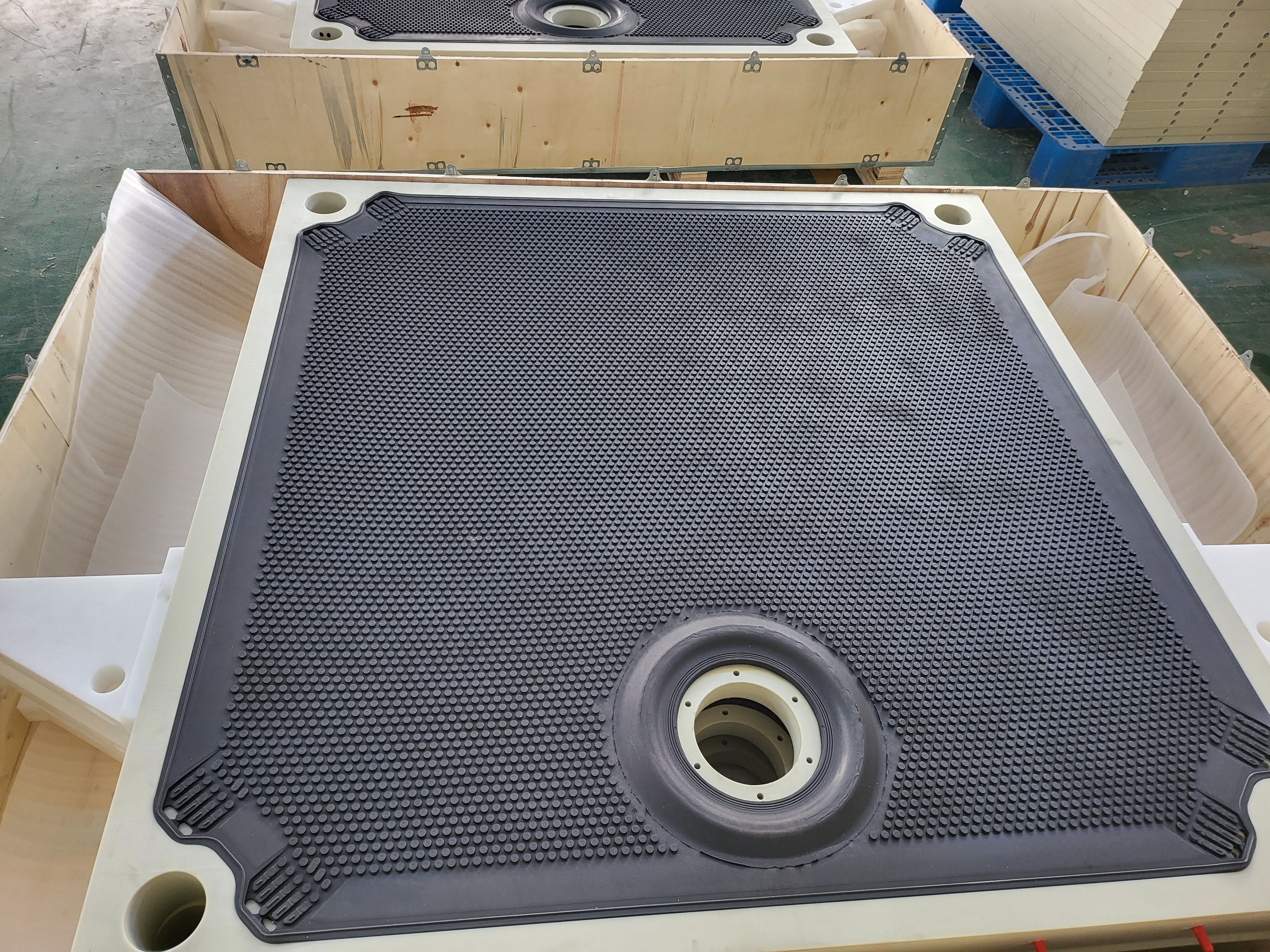
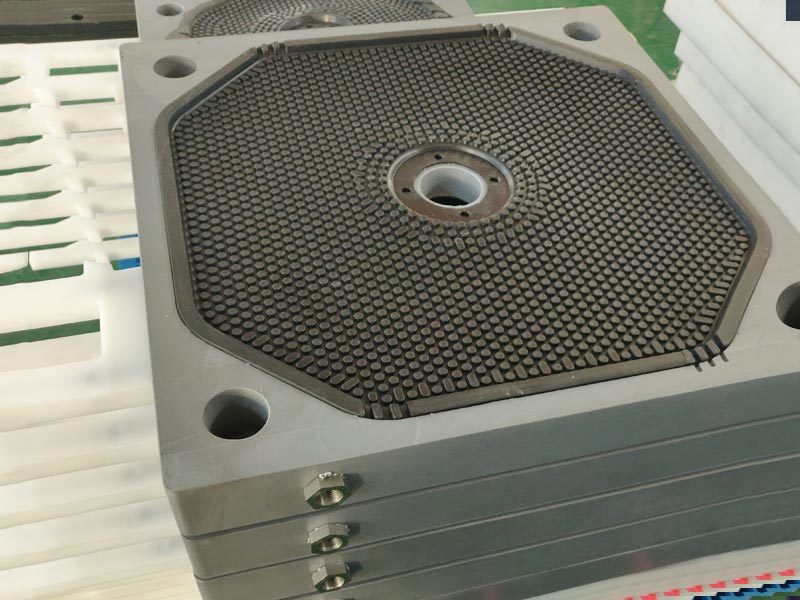
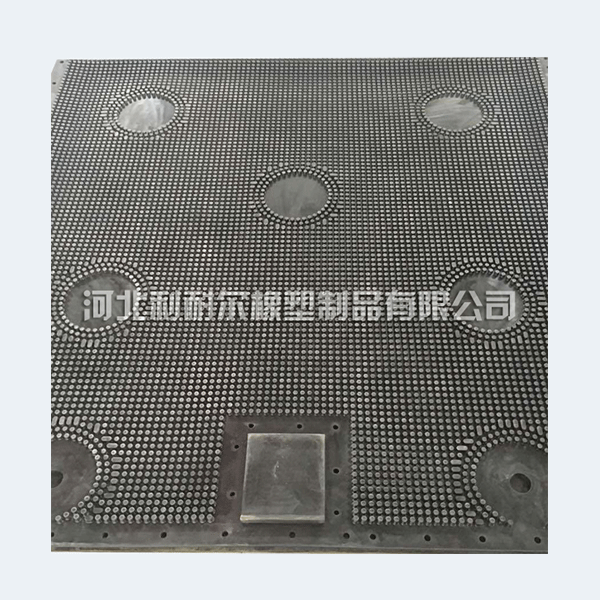
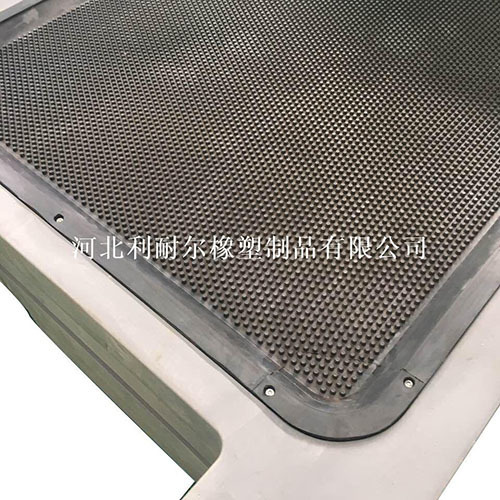
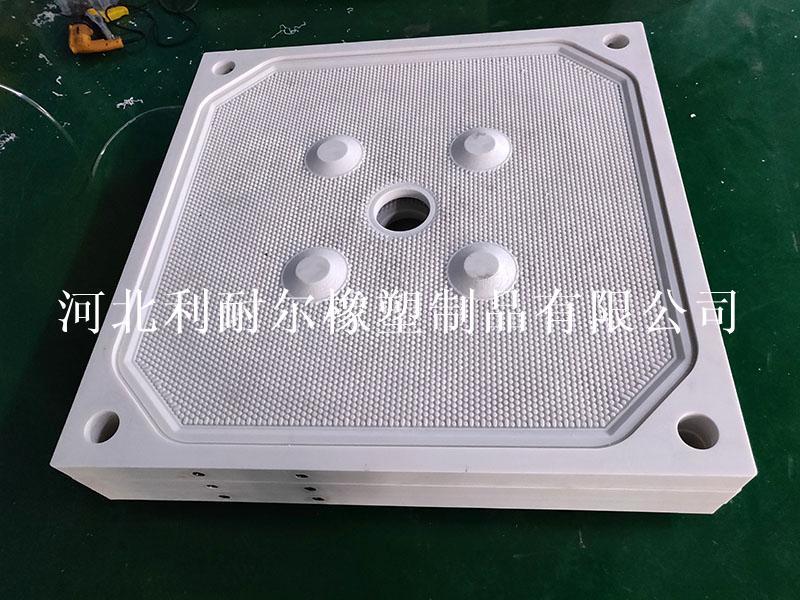
ProductMain products: vertical and horizontal imported and domestic filter plates, diaphragm plates, diaphragms and accessories; pinch valve sleeves and pinch valves and various mining accessories.
-
NewsIn 2013, our company's high-pressure cylinder with phenolic cloth support and guide ring obtained the national key new product certificate, project number: 2013GRA20011; its products in coal cylinders and engineering hydrauli
-
ServiceWe will actively cooperate with more enthusiasm, strengthen internal management, expand the market externally, improve various performance indicators of existing products, and truly achieve our win-win situation!
-
RecruitmentOur company always adheres to the talent concept of "people-oriented", provides a growth platform for talents, and realizes the common growth and development of enterprises and talents.


language
English
العربية
বাংলাদেশ
Български
Hrvatski
Česky
Dansk
Nederland
 Esperanto
Slovenski
Filipino
Suomi
Français
Maori
 Shqiptare
Georgian
 Euskara
Deutsch
Ελλάδα
ישראל
इंडिया
Magyarország
Ísland
Indonesia
Irlanda
Italia
日本語
Sovensko
Հայաստան
한국
Kyrgyz
ປະເທດລາວ
 Zulu
Zulu
Latvian
Lithuanian
Luxembourgish
 Latinus
Macedonian
Малайская
Maltese
Монгол улс
 Cymraeg
ဗမာ
 தமிழ்
தமிழ்
नेपाल
Norge
ایران
Polska
Portugal
România
Российская
Србија
 Slovak
Србија
 Slovak
Bosanski
Slovenian
Беларус
España
Sverige
Точик
ประเทศไทย
Türk
Azərbaycan
Uzbek
 Afrikaans
Việt Nam

Maximizing Efficiency: A Comprehensive Guide to Horizontal Filter Press Filter Plates
Release time:
2023-09-23
Table of Contents: 1. Introduction: Understanding the Importance of Filter Plates 2. Choosing the Right Filter Plates for Your Horizontal Filter Press 3. Enhancing Cake Release for Improved Filtration Efficiency 4. Preventing Filter Cloth Blinding: Maintenance Tips for Filter Plates 5. Extending the Lifespan of Your Filter Plates 6. Frequently Asked Questions (FAQs) 6.1. How often should I clea
Table of Contents:
1. Introduction: Understanding the Importance of Filter Plates
2. Choosing the Right Filter Plates for Your Horizontal Filter Press
3. Enhancing Cake Release for Improved Filtration Efficiency
4. Preventing Filter Cloth Blinding: Maintenance Tips for Filter Plates
5. Extending the Lifespan of Your Filter Plates
6. Frequently Asked Questions (FAQs)
6.1. How often should I clean and inspect my filter plates?
6.2. Can I reuse filter plates?
6.3. What are the common causes of filter plate damage?
6.4. How do I troubleshoot filter cloth blinding issues?
6.5. Are there any alternative materials for filter plates?
7. Conclusion
Filter plates play a crucial role in horizontal filter press systems, as they determine the efficiency and effectiveness of the filtration process. These plates act as the main filtration media, facilitating the separation of solids from liquids. To maximize the efficiency of your filter press, it is essential to have a comprehensive understanding of filter plate design, usage, and maintenance.
Selecting the appropriate filter plates is vital for achieving optimal filtration results. Consider factors such as plate material, pore size, and design features that suit your specific application requirements. By choosing filter plates that are compatible with your filtration process, you can enhance filtration efficiency and minimize downtime.
The material composition of filter plates greatly impacts their performance and durability. Common materials include polypropylene, stainless steel, and cast iron. Polypropylene filter plates are lightweight, corrosion-resistant, and cost-effective, making them suitable for most applications. Stainless steel plates offer excellent chemical resistance and durability, ideal for demanding filtration processes. Cast iron plates are known for their high strength and robustness, often used in heavy-duty applications.
The selection of pore size and design features depends on the nature of the solids and the desired filtration efficiency. Smaller pore sizes are effective in capturing fine particles, but they may lead to increased pressure differentials and longer filtration cycles. Larger pore sizes facilitate faster flow rates but may allow some solids to pass through. Consider the specific requirements of your filtration process to determine the optimal pore size and design features such as corner feed or center feed plates.
Efficient cake release plays a crucial role in achieving high filtration efficiency. Proper cake release prevents cake buildup on the filter cloth and reduces the risk of filter cloth blinding. Several techniques can be employed to enhance cake release, including plate surface treatments, controlled plate opening, and cake washing.
Surface treatments can improve the cake release properties of filter plates. Innovative coatings and textures can be applied to the plate surfaces to promote easy cake detachment. These treatments minimize cake adhesion, resulting in smoother cake release and improved filtration efficiency.
Proper control of the plate opening during the filtration process is crucial for effective cake release. Gradual and uniform plate opening prevents cake disruption and minimizes the risk of filter cloth blinding. By optimizing the plate opening parameters, you can achieve consistent cake release and enhance filtration efficiency.
In some applications, cake washing is necessary to remove impurities and improve filtrate quality. Incorporating cake washing cycles into the filtration process helps maintain optimal filter performance and enhance filtration efficiency. Proper plate design and implementation of effective cake washing techniques are essential for successful cake washing operations.
Filter cloth blinding can significantly impact the filtration efficiency and lifespan of filter plates. It occurs when particles accumulate on the filter cloth, obstructing the flow of liquids and reducing filtration performance. Regular maintenance and adherence to preventive measures can minimize filter cloth blinding and ensure optimal filtration results.
Regular cleaning and inspection of filter plates are essential to identify potential issues and prevent filter cloth blinding. Remove any accumulated solids or debris from the plate surfaces to maintain unobstructed flow channels. Inspect for signs of damage or wear and address them promptly to prevent further complications.
Proper installation of filter cloths is crucial to prevent blinding. Ensure the cloth is correctly centered on the plate and secured tightly to avoid slippage or misalignment. Follow manufacturer guidelines for cloth tension and replacement intervals to maintain optimal filtration performance.
Optimize filtration parameters such as feed pressure, temperature, and cycle times to minimize the risk of filter cloth blinding. Operating within the recommended parameters helps maintain a consistent filtration process and reduces the chances of clogging or blinding.
Proper maintenance and care are crucial for extending the lifespan of your filter plates. By implementing preventive measures and addressing potential issues promptly, you can maximize the longevity and performance of your horizontal filter press.
Perform regular maintenance and cleaning of your filter plates to prevent the accumulation of solids and debris. This ensures unobstructed flow channels and optimal filtration performance. Follow manufacturer recommendations for cleaning agents and techniques to avoid damaging the plates.
Monitor the condition of your filter plates and replace any damaged or worn-out plates promptly. Cracked or deformed plates can compromise the filtration efficiency and lead to costly downtime. Keep spare plates on hand to minimize production disruptions.
Store spare filter plates in a clean and dry environment to prevent damage or contamination. Ensure proper stacking and support to avoid deformations or warping. Keep a record of plate usage and replacement dates to facilitate timely maintenance and minimize downtime.
Regular cleaning and inspection should be performed according to your specific filtration process requirements. However, it is generally recommended to clean and inspect filter plates at regular intervals, such as every batch or every few days, depending on the application.
Yes, filter plates can be reused as long as they are in good condition and meet the filtration requirements. Regular maintenance, proper cleaning, and prompt replacement of damaged plates are essential for extending their lifespan.
Common causes of filter plate damage include improper handling, excessive pressure or impact, chemical corrosion, and temperature extremes. Implementing proper operating procedures and adhering to maintenance guidelines can help prevent plate damage.
To troubleshoot filter cloth blinding, ensure proper cleaning and inspection of filter plates and filter cloths. Check for proper plate opening and adjust filtration parameters if necessary. If the blinding persists, consult with a filtration expert for further guidance.
Yes, there are alternative materials available for filter plates, such as polyvinyl chloride (PVC) and ceramic. These materials offer specific advantages and are suitable for certain applications. Consult with a filtration specialist to determine the most suitable material for your filtration process.
Maximizing the efficiency of your horizontal filter press relies on understanding the critical aspects of filter plate design, usage, and maintenance. By selecting the right filter plates, enhancing cake release, preventing filter cloth blinding, and extending the lifespan of your equipment, you can optimize the filtration process and achieve superior results. Regular maintenance and adherence to preventive measures are key to maximizing efficiency and minimizing downtime. Consult with filtration experts to ensure the best practices for your specific application, and enjoy the benefits of an efficient and cost-effective filtration process.
1. Introduction: Understanding the Importance of Filter Plates
2. Choosing the Right Filter Plates for Your Horizontal Filter Press
3. Enhancing Cake Release for Improved Filtration Efficiency
4. Preventing Filter Cloth Blinding: Maintenance Tips for Filter Plates
5. Extending the Lifespan of Your Filter Plates
6. Frequently Asked Questions (FAQs)
6.1. How often should I clean and inspect my filter plates?
6.2. Can I reuse filter plates?
6.3. What are the common causes of filter plate damage?
6.4. How do I troubleshoot filter cloth blinding issues?
6.5. Are there any alternative materials for filter plates?
7. Conclusion
1. Introduction: Understanding the Importance of Filter Plates
Filter plates play a crucial role in horizontal filter press systems, as they determine the efficiency and effectiveness of the filtration process. These plates act as the main filtration media, facilitating the separation of solids from liquids. To maximize the efficiency of your filter press, it is essential to have a comprehensive understanding of filter plate design, usage, and maintenance.
2. Choosing the Right Filter Plates for Your Horizontal Filter Press
Selecting the appropriate filter plates is vital for achieving optimal filtration results. Consider factors such as plate material, pore size, and design features that suit your specific application requirements. By choosing filter plates that are compatible with your filtration process, you can enhance filtration efficiency and minimize downtime.
2.1. Plate Material
The material composition of filter plates greatly impacts their performance and durability. Common materials include polypropylene, stainless steel, and cast iron. Polypropylene filter plates are lightweight, corrosion-resistant, and cost-effective, making them suitable for most applications. Stainless steel plates offer excellent chemical resistance and durability, ideal for demanding filtration processes. Cast iron plates are known for their high strength and robustness, often used in heavy-duty applications.
2.2. Pore Size and Design Features
The selection of pore size and design features depends on the nature of the solids and the desired filtration efficiency. Smaller pore sizes are effective in capturing fine particles, but they may lead to increased pressure differentials and longer filtration cycles. Larger pore sizes facilitate faster flow rates but may allow some solids to pass through. Consider the specific requirements of your filtration process to determine the optimal pore size and design features such as corner feed or center feed plates.
3. Enhancing Cake Release for Improved Filtration Efficiency
Efficient cake release plays a crucial role in achieving high filtration efficiency. Proper cake release prevents cake buildup on the filter cloth and reduces the risk of filter cloth blinding. Several techniques can be employed to enhance cake release, including plate surface treatments, controlled plate opening, and cake washing.
3.1. Plate Surface Treatments
Surface treatments can improve the cake release properties of filter plates. Innovative coatings and textures can be applied to the plate surfaces to promote easy cake detachment. These treatments minimize cake adhesion, resulting in smoother cake release and improved filtration efficiency.
3.2. Controlled Plate Opening
Proper control of the plate opening during the filtration process is crucial for effective cake release. Gradual and uniform plate opening prevents cake disruption and minimizes the risk of filter cloth blinding. By optimizing the plate opening parameters, you can achieve consistent cake release and enhance filtration efficiency.
3.3. Cake Washing
In some applications, cake washing is necessary to remove impurities and improve filtrate quality. Incorporating cake washing cycles into the filtration process helps maintain optimal filter performance and enhance filtration efficiency. Proper plate design and implementation of effective cake washing techniques are essential for successful cake washing operations.
4. Preventing Filter Cloth Blinding: Maintenance Tips for Filter Plates
Filter cloth blinding can significantly impact the filtration efficiency and lifespan of filter plates. It occurs when particles accumulate on the filter cloth, obstructing the flow of liquids and reducing filtration performance. Regular maintenance and adherence to preventive measures can minimize filter cloth blinding and ensure optimal filtration results.
4.1. Proper Cleaning and Inspection
Regular cleaning and inspection of filter plates are essential to identify potential issues and prevent filter cloth blinding. Remove any accumulated solids or debris from the plate surfaces to maintain unobstructed flow channels. Inspect for signs of damage or wear and address them promptly to prevent further complications.
4.2. Correct Filter Cloth Installation
Proper installation of filter cloths is crucial to prevent blinding. Ensure the cloth is correctly centered on the plate and secured tightly to avoid slippage or misalignment. Follow manufacturer guidelines for cloth tension and replacement intervals to maintain optimal filtration performance.
4.3. Optimization of Filtration Parameters
Optimize filtration parameters such as feed pressure, temperature, and cycle times to minimize the risk of filter cloth blinding. Operating within the recommended parameters helps maintain a consistent filtration process and reduces the chances of clogging or blinding.
5. Extending the Lifespan of Your Filter Plates
Proper maintenance and care are crucial for extending the lifespan of your filter plates. By implementing preventive measures and addressing potential issues promptly, you can maximize the longevity and performance of your horizontal filter press.
5.1. Regular Maintenance and Cleaning
Perform regular maintenance and cleaning of your filter plates to prevent the accumulation of solids and debris. This ensures unobstructed flow channels and optimal filtration performance. Follow manufacturer recommendations for cleaning agents and techniques to avoid damaging the plates.
5.2. Timely Replacement of Damaged Plates
Monitor the condition of your filter plates and replace any damaged or worn-out plates promptly. Cracked or deformed plates can compromise the filtration efficiency and lead to costly downtime. Keep spare plates on hand to minimize production disruptions.
5.3. Proper Storage of Spare Plates
Store spare filter plates in a clean and dry environment to prevent damage or contamination. Ensure proper stacking and support to avoid deformations or warping. Keep a record of plate usage and replacement dates to facilitate timely maintenance and minimize downtime.
6. Frequently Asked Questions (FAQs)
6.1. How often should I clean and inspect my filter plates?
Regular cleaning and inspection should be performed according to your specific filtration process requirements. However, it is generally recommended to clean and inspect filter plates at regular intervals, such as every batch or every few days, depending on the application.
6.2. Can I reuse filter plates?
Yes, filter plates can be reused as long as they are in good condition and meet the filtration requirements. Regular maintenance, proper cleaning, and prompt replacement of damaged plates are essential for extending their lifespan.
6.3. What are the common causes of filter plate damage?
Common causes of filter plate damage include improper handling, excessive pressure or impact, chemical corrosion, and temperature extremes. Implementing proper operating procedures and adhering to maintenance guidelines can help prevent plate damage.
6.4. How do I troubleshoot filter cloth blinding issues?
To troubleshoot filter cloth blinding, ensure proper cleaning and inspection of filter plates and filter cloths. Check for proper plate opening and adjust filtration parameters if necessary. If the blinding persists, consult with a filtration expert for further guidance.
6.5. Are there any alternative materials for filter plates?
Yes, there are alternative materials available for filter plates, such as polyvinyl chloride (PVC) and ceramic. These materials offer specific advantages and are suitable for certain applications. Consult with a filtration specialist to determine the most suitable material for your filtration process.
7. Conclusion
Maximizing the efficiency of your horizontal filter press relies on understanding the critical aspects of filter plate design, usage, and maintenance. By selecting the right filter plates, enhancing cake release, preventing filter cloth blinding, and extending the lifespan of your equipment, you can optimize the filtration process and achieve superior results. Regular maintenance and adherence to preventive measures are key to maximizing efficiency and minimizing downtime. Consult with filtration experts to ensure the best practices for your specific application, and enjoy the benefits of an efficient and cost-effective filtration process.
Related News