
-
AboutHebei Linaier Rubber Products Co., Ltd. is located in Duqiao Industrial Zone, Jingxian City, Hebei Province, adjacent to Dezhou, Shandong. Founded in early 2001 with a registered capital of 35 million yuan, it is a scientific

-
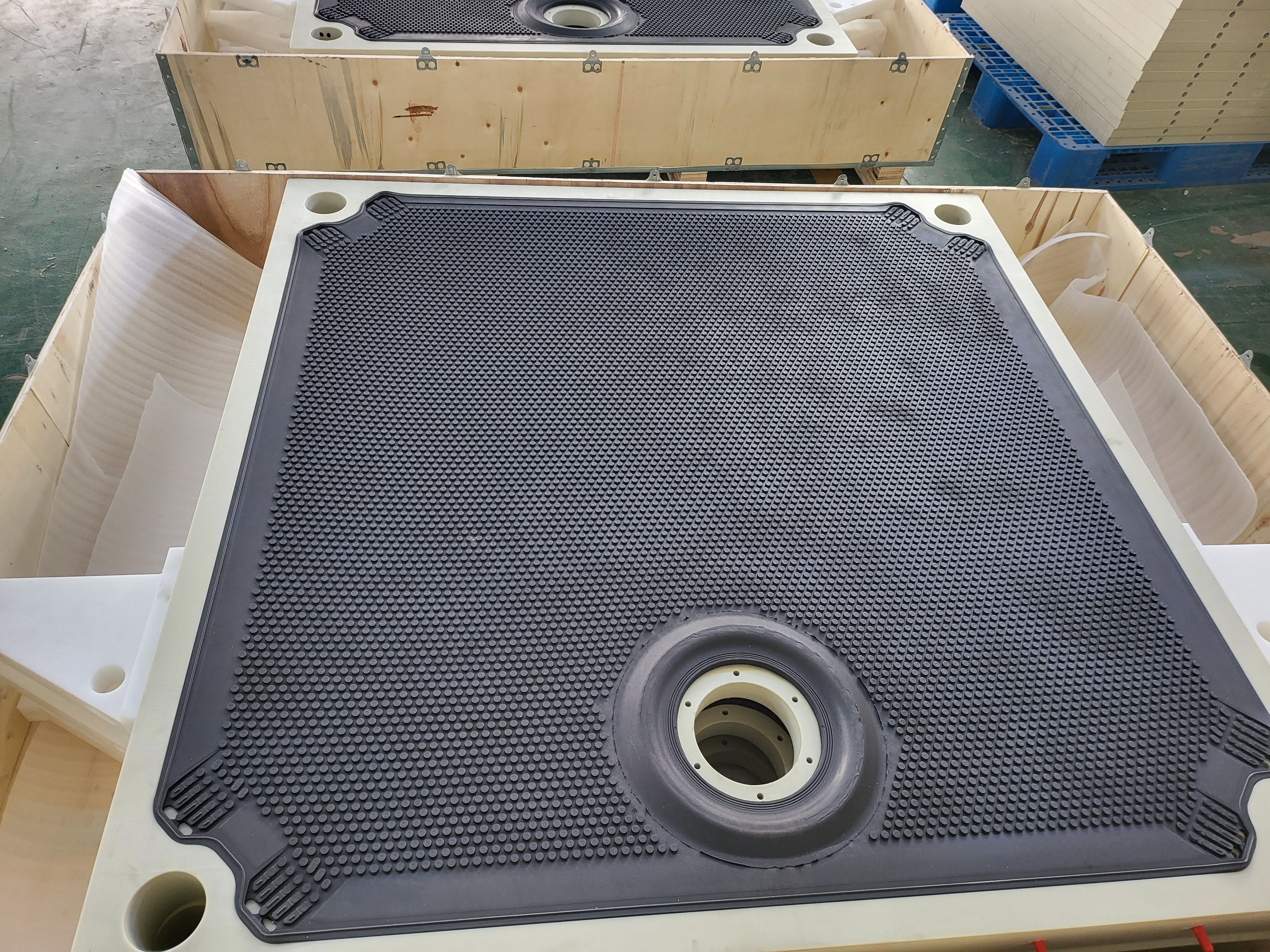
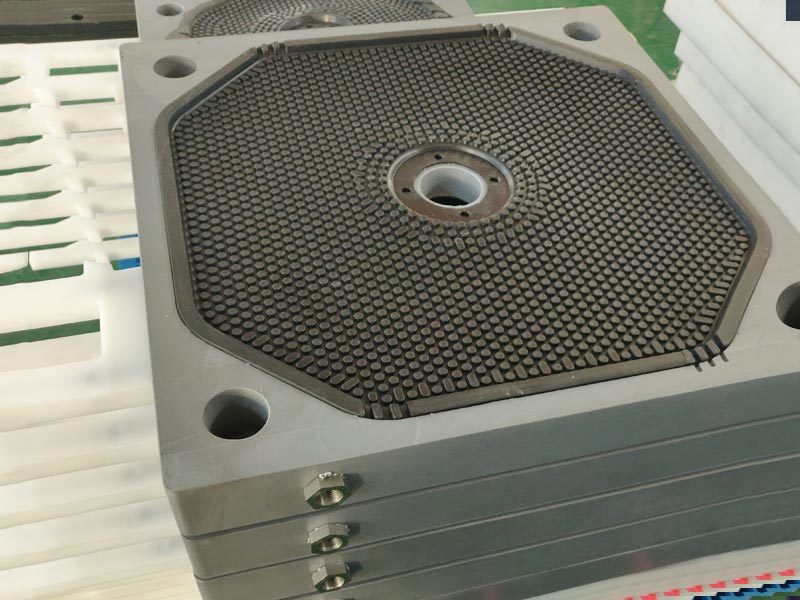
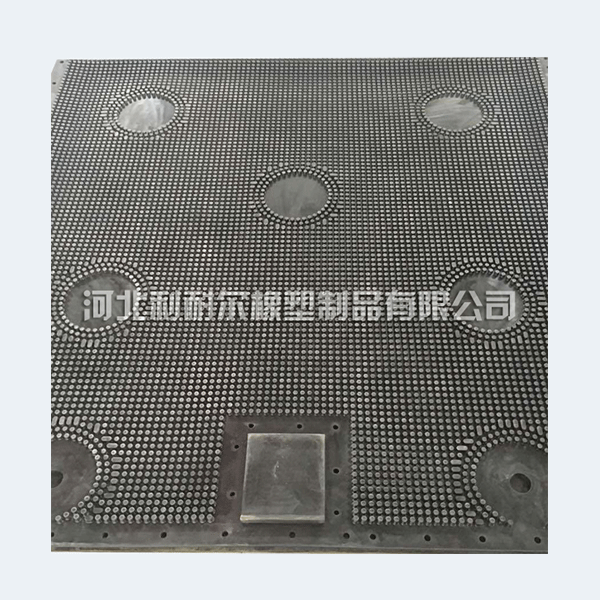
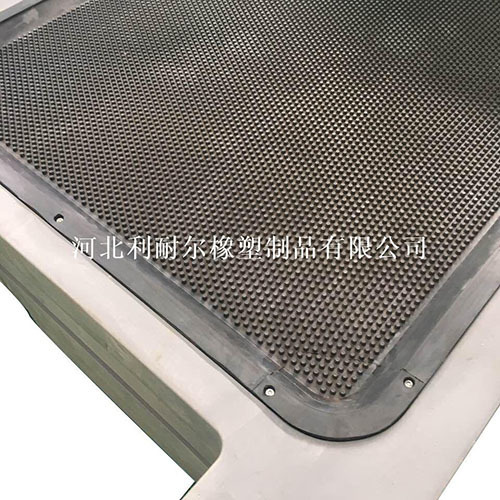
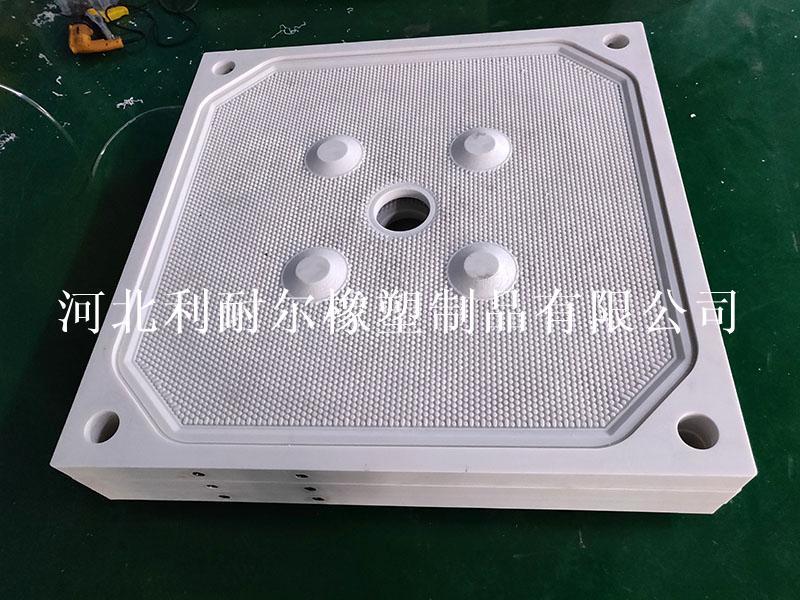
ProductMain products: vertical and horizontal imported and domestic filter plates, diaphragm plates, diaphragms and accessories; pinch valve sleeves and pinch valves and various mining accessories.
-
NewsIn 2013, our company's high-pressure cylinder with phenolic cloth support and guide ring obtained the national key new product certificate, project number: 2013GRA20011; its products in coal cylinders and engineering hydrauli
-
ServiceWe will actively cooperate with more enthusiasm, strengthen internal management, expand the market externally, improve various performance indicators of existing products, and truly achieve our win-win situation!
-
RecruitmentOur company always adheres to the talent concept of "people-oriented", provides a growth platform for talents, and realizes the common growth and development of enterprises and talents.


language
English
العربية
বাংলাদেশ
Български
Hrvatski
Česky
Dansk
Nederland
 Esperanto
Slovenski
Filipino
Suomi
Français
Maori
 Shqiptare
Georgian
 Euskara
Deutsch
Ελλάδα
ישראל
इंडिया
Magyarország
Ísland
Indonesia
Irlanda
Italia
日本語
Sovensko
Հայաստան
한국
Kyrgyz
ປະເທດລາວ
 Zulu
Zulu
Latvian
Lithuanian
Luxembourgish
 Latinus
Macedonian
Малайская
Maltese
Монгол улс
 Cymraeg
ဗမာ
 தமிழ்
தமிழ்
नेपाल
Norge
ایران
Polska
Portugal
România
Российская
Србија
 Slovak
Србија
 Slovak
Bosanski
Slovenian
Беларус
España
Sverige
Точик
ประเทศไทย
Türk
Azərbaycan
Uzbek
 Afrikaans
Việt Nam

How Pinch Valve Series Revolutionizes the Plastics Industry
Release time:
2023-09-18
Table of Contents 1. Introduction 2. Understanding Pinch Valve Series 3. Advantages of Pinch Valve Series in the Plastics Industry 4. Applications of Pinch Valve Series in Plastics Manufacturing 5. Innovations and Technological Advancements in Pinch Valve Series 6. Frequently Asked Questions (FAQs) 7. Conclusion 1. Introduction In this article, we dive into the world of pinch valve series and how
Table of Contents
1. Introduction
2. Understanding Pinch Valve Series
3. Advantages of Pinch Valve Series in the Plastics Industry
4. Applications of Pinch Valve Series in Plastics Manufacturing
5. Innovations and Technological Advancements in Pinch Valve Series
6. Frequently Asked Questions (FAQs)
7. Conclusion
1. Introduction
In this article, we dive into the world of pinch valve series and how they are revolutionizing the plastics industry. We explore the advantages, applications, and the latest technological advancements that make pinch valves an essential component in plastics manufacturing processes.
2. Understanding Pinch Valve Series
Pinch valve series are a type of flow control device that regulate the flow of fluids or gases by pinching a flexible tube or sleeve. This unique design allows for precise control and shut-off capabilities, making it an ideal solution for various industries, including the plastics sector.
3. Advantages of Pinch Valve Series in the Plastics Industry
3.1 Improved Contamination Control
Pinch valves offer superior contamination control due to their design that completely isolates the fluid or gas from the external environment. This feature is critical in the plastics industry, where maintaining purity and preventing contamination is of utmost importance.
3.2 Reduced Maintenance
Pinch valves are known for their simple construction and minimal moving parts, resulting in reduced maintenance requirements. This advantage translates into cost savings and increased operational efficiency for plastics manufacturers.
3.3 Enhanced Durability
The materials used in pinch valves, such as corrosion-resistant alloys and robust elastomers, ensure high durability even in demanding environments. This durability factor is crucial in the plastics industry, where exposure to aggressive chemicals and abrasive materials is common.
3.4 Precise Flow Control
Pinch valve series offer precise control over the flow rate, pressure, and volume of fluids or gases. This level of control is essential in plastics manufacturing processes, where accuracy and consistency play a vital role in achieving desired product quality.
4. Applications of Pinch Valve Series in Plastics Manufacturing
4.1 Injection Molding
Pinch valves are widely used in injection molding processes to control the flow of molten plastics into molds. Their precise control capabilities ensure accurate filling of molds, resulting in consistent product dimensions and reduced wastage.
4.2 Extrusion Processes
Pinch valves find applications in extrusion processes, where they regulate the flow of melted plastic through dies or nozzles. This control allows for uniform product extrusion, minimizing defects and ensuring product consistency.
4.3 Blow Molding
In blow molding, pinch valves are utilized to control the flow of air to shape and cool molten plastic into desired forms. The precise control offered by pinch valves ensures uniform wall thickness and high-quality finished products.
5. Innovations and Technological Advancements in Pinch Valve Series
5.1 Smart Valve Technology
Recent advancements in pinch valve series include the integration of smart valve technology. This technology enables remote monitoring, control, and diagnostics of pinch valves, enhancing operational efficiency and reducing downtime.
5.2 Enhanced Materials and Coatings
Manufacturers are continuously developing new materials and coatings for pinch valves to improve their resistance to harsh chemicals, abrasion, and wear. These advancements extend the lifespan of pinch valves in the plastics industry.
5.3 Automation Integration
Pinch valves are increasingly being integrated into automated systems in the plastics industry. This integration allows for seamless integration with other process control equipment, optimizing productivity and reducing manual intervention.
6. Frequently Asked Questions (FAQs)
6.1 What is the lifespan of pinch valve series in the plastics industry?
6.2 Can pinch valves handle abrasive materials commonly used in plastics manufacturing?
6.3 Are pinch valves suitable for high-pressure applications?
6.4 How do pinch valves improve the efficiency of plastics manufacturing processes?
6.5 Are pinch valves compatible with various plastic materials?
7. Conclusion
In conclusion, the pinch valve series has revolutionized the plastics industry with its numerous advantages and versatile applications. Its precise control, improved contamination control, and durability make it an indispensable component in plastics manufacturing processes. With ongoing innovations and technological advancements, pinch valve series continue to shape the future of the plastics industry. Embrace the pinch valve revolution and unlock the potential for enhanced productivity and quality in plastics manufacturing.
1. Introduction
2. Understanding Pinch Valve Series
3. Advantages of Pinch Valve Series in the Plastics Industry
4. Applications of Pinch Valve Series in Plastics Manufacturing
5. Innovations and Technological Advancements in Pinch Valve Series
6. Frequently Asked Questions (FAQs)
7. Conclusion
1. Introduction
In this article, we dive into the world of pinch valve series and how they are revolutionizing the plastics industry. We explore the advantages, applications, and the latest technological advancements that make pinch valves an essential component in plastics manufacturing processes.
2. Understanding Pinch Valve Series
Pinch valve series are a type of flow control device that regulate the flow of fluids or gases by pinching a flexible tube or sleeve. This unique design allows for precise control and shut-off capabilities, making it an ideal solution for various industries, including the plastics sector.
3. Advantages of Pinch Valve Series in the Plastics Industry
3.1 Improved Contamination Control
Pinch valves offer superior contamination control due to their design that completely isolates the fluid or gas from the external environment. This feature is critical in the plastics industry, where maintaining purity and preventing contamination is of utmost importance.
3.2 Reduced Maintenance
Pinch valves are known for their simple construction and minimal moving parts, resulting in reduced maintenance requirements. This advantage translates into cost savings and increased operational efficiency for plastics manufacturers.
3.3 Enhanced Durability
The materials used in pinch valves, such as corrosion-resistant alloys and robust elastomers, ensure high durability even in demanding environments. This durability factor is crucial in the plastics industry, where exposure to aggressive chemicals and abrasive materials is common.
3.4 Precise Flow Control
Pinch valve series offer precise control over the flow rate, pressure, and volume of fluids or gases. This level of control is essential in plastics manufacturing processes, where accuracy and consistency play a vital role in achieving desired product quality.
4. Applications of Pinch Valve Series in Plastics Manufacturing
4.1 Injection Molding
Pinch valves are widely used in injection molding processes to control the flow of molten plastics into molds. Their precise control capabilities ensure accurate filling of molds, resulting in consistent product dimensions and reduced wastage.
4.2 Extrusion Processes
Pinch valves find applications in extrusion processes, where they regulate the flow of melted plastic through dies or nozzles. This control allows for uniform product extrusion, minimizing defects and ensuring product consistency.
4.3 Blow Molding
In blow molding, pinch valves are utilized to control the flow of air to shape and cool molten plastic into desired forms. The precise control offered by pinch valves ensures uniform wall thickness and high-quality finished products.
5. Innovations and Technological Advancements in Pinch Valve Series
5.1 Smart Valve Technology
Recent advancements in pinch valve series include the integration of smart valve technology. This technology enables remote monitoring, control, and diagnostics of pinch valves, enhancing operational efficiency and reducing downtime.
5.2 Enhanced Materials and Coatings
Manufacturers are continuously developing new materials and coatings for pinch valves to improve their resistance to harsh chemicals, abrasion, and wear. These advancements extend the lifespan of pinch valves in the plastics industry.
5.3 Automation Integration
Pinch valves are increasingly being integrated into automated systems in the plastics industry. This integration allows for seamless integration with other process control equipment, optimizing productivity and reducing manual intervention.
6. Frequently Asked Questions (FAQs)
6.1 What is the lifespan of pinch valve series in the plastics industry?
6.2 Can pinch valves handle abrasive materials commonly used in plastics manufacturing?
6.3 Are pinch valves suitable for high-pressure applications?
6.4 How do pinch valves improve the efficiency of plastics manufacturing processes?
6.5 Are pinch valves compatible with various plastic materials?
7. Conclusion
In conclusion, the pinch valve series has revolutionized the plastics industry with its numerous advantages and versatile applications. Its precise control, improved contamination control, and durability make it an indispensable component in plastics manufacturing processes. With ongoing innovations and technological advancements, pinch valve series continue to shape the future of the plastics industry. Embrace the pinch valve revolution and unlock the potential for enhanced productivity and quality in plastics manufacturing.
Related News