
-
AboutHebei Linaier Rubber Products Co., Ltd. is located in Duqiao Industrial Zone, Jingxian City, Hebei Province, adjacent to Dezhou, Shandong. Founded in early 2001 with a registered capital of 35 million yuan, it is a scientific

-
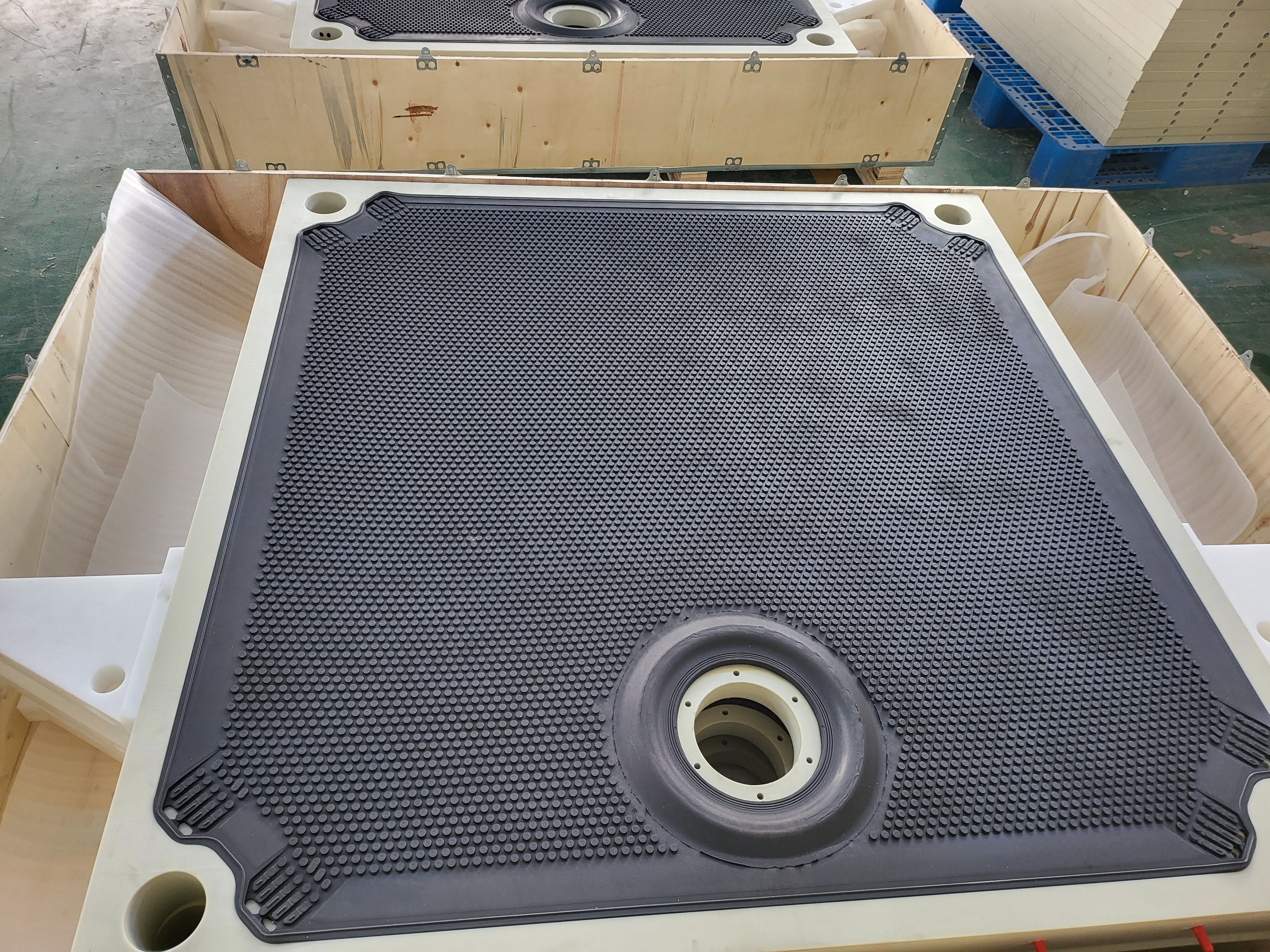
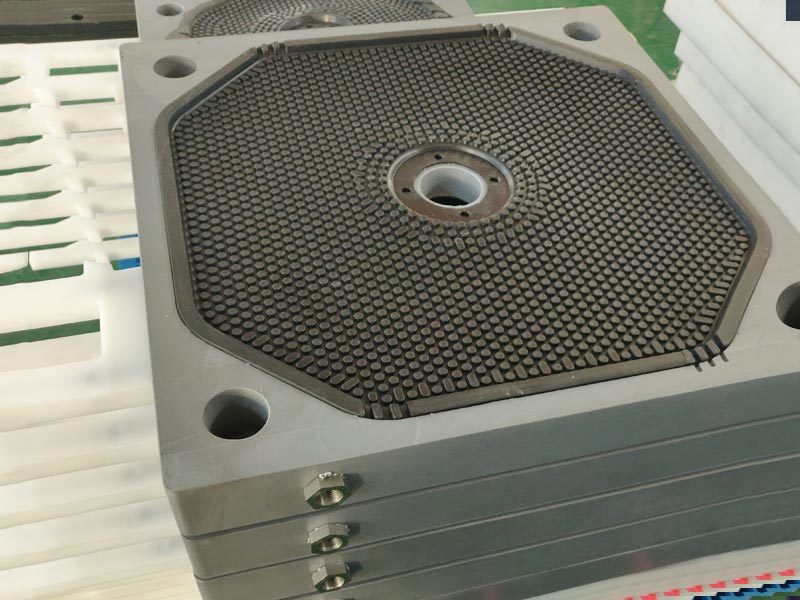
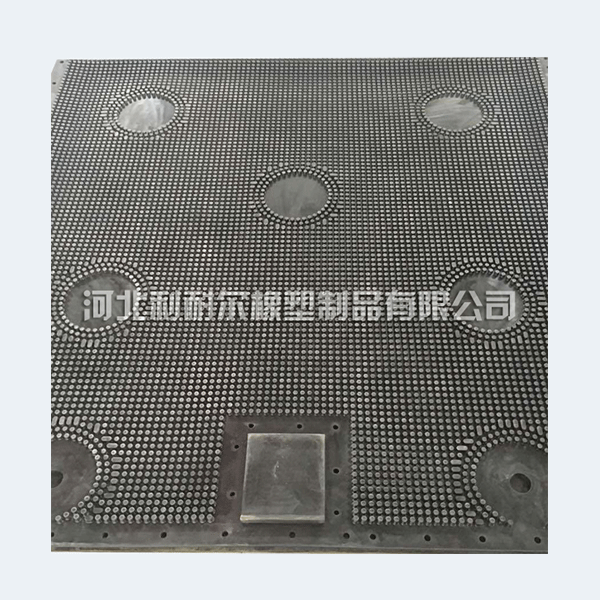
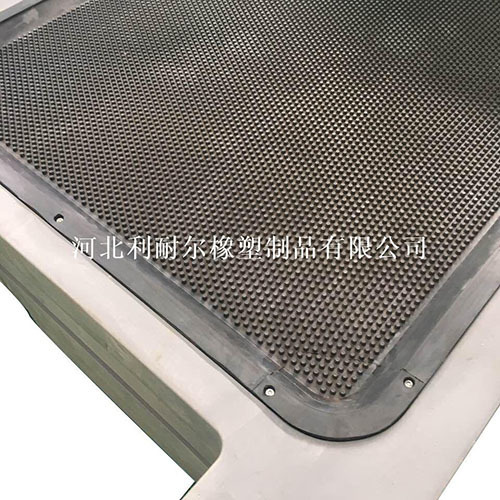
ProductMain products: vertical and horizontal imported and domestic filter plates, diaphragm plates, diaphragms and accessories; pinch valve sleeves and pinch valves and various mining accessories.
-
NewsIn 2013, our company's high-pressure cylinder with phenolic cloth support and guide ring obtained the national key new product certificate, project number: 2013GRA20011; its products in coal cylinders and engineering hydrauli
-
ServiceWe will actively cooperate with more enthusiasm, strengthen internal management, expand the market externally, improve various performance indicators of existing products, and truly achieve our win-win situation!
-
RecruitmentOur company always adheres to the talent concept of "people-oriented", provides a growth platform for talents, and realizes the common growth and development of enterprises and talents.


language
English
العربية
বাংলাদেশ
Български
Hrvatski
Česky
Dansk
Nederland
 Esperanto
Slovenski
Filipino
Suomi
Français
Maori
 Shqiptare
Georgian
 Euskara
Deutsch
Ελλάδα
ישראל
इंडिया
Magyarország
Ísland
Indonesia
Irlanda
Italia
日本語
Sovensko
Հայաստան
한국
Kyrgyz
ປະເທດລາວ
 Zulu
Zulu
Latvian
Lithuanian
Luxembourgish
 Latinus
Macedonian
Малайская
Maltese
Монгол улс
 Cymraeg
ဗမာ
 தமிழ்
தமிழ்
नेपाल
Norge
ایران
Polska
Portugal
România
Российская
Србија
 Slovak
Србија
 Slovak
Bosanski
Slovenian
Беларус
España
Sverige
Точик
ประเทศไทย
Türk
Azərbaycan
Uzbek
 Afrikaans
Việt Nam

Enhancing Efficiency: The Benefits of Using Diaphragm Plate in the Plastic Industry
Release time:
2023-09-16
Table of Contents: 1. Introduction: The Importance of Efficiency in the Plastic Industry 2. What is a Diaphragm Plate? 3. The Benefits of Using Diaphragm Plates in the Plastic Industry 3.1 Increased Productivity 3.2 Enhanced Energy Efficiency 3.3 Improved Quality and Consistency 3.4 Cost-Effectiveness 3.5 Reduced Downtime and Maintenance 4. Applications of Diaphragm Plates in t
Table of Contents:
1. Introduction: The Importance of Efficiency in the Plastic Industry
2. What is a Diaphragm Plate?
3. The Benefits of Using Diaphragm Plates in the Plastic Industry
3.1 Increased Productivity
3.2 Enhanced Energy Efficiency
3.3 Improved Quality and Consistency
3.4 Cost-Effectiveness
3.5 Reduced Downtime and Maintenance
4. Applications of Diaphragm Plates in the Plastic Industry
4.1 Injection Molding
4.2 Blow Molding
4.3 Extrusion
4.4 Thermoforming
5. Factors to Consider When Choosing Diaphragm Plates
5.1 Material Compatibility
5.2 Durability and Longevity
5.3 Customization Options
5.4 Supplier Reliability
6. Frequently Asked Questions (FAQs)
6.1 What materials are diaphragm plates typically made of?
6.2 Can diaphragm plates be used in high-pressure applications?
6.3 Are diaphragm plates easy to install and maintain?
6.4 Can diaphragm plates be customized according to specific requirements?
6.5 How do diaphragm plates contribute to energy efficiency?
7. Conclusion
1. Introduction: The Importance of Efficiency in the Plastic Industry
In the highly competitive plastic industry, efficiency plays a crucial role in determining the success of businesses. Maximizing productivity, minimizing costs, and ensuring consistent quality are key objectives for plastic manufacturers. One effective way to achieve these goals is by incorporating diaphragm plates into their operations. This article explores the benefits of using diaphragm plates in the plastic industry and how they contribute to enhancing efficiency.
2. What is a Diaphragm Plate?
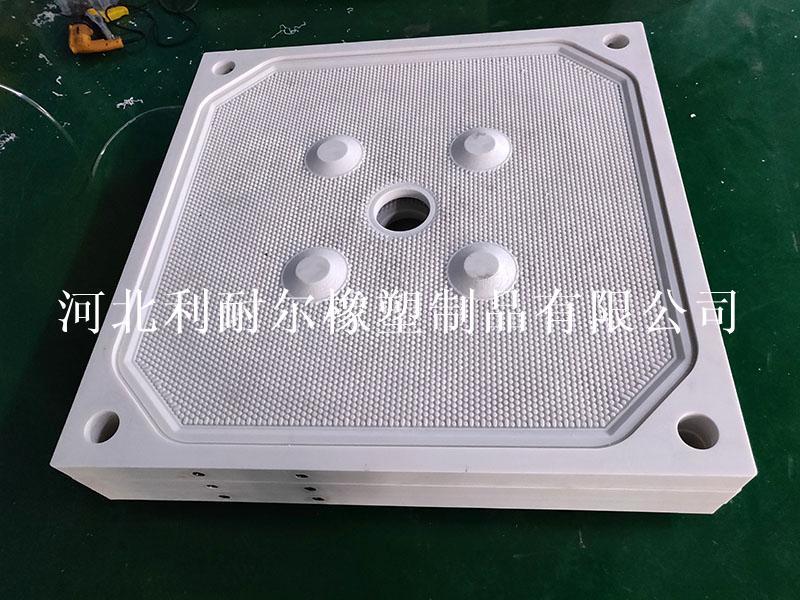
A diaphragm plate is a specialized component used in various plastic manufacturing processes, including injection molding, blow molding, extrusion, and thermoforming. It acts as a barrier between different sections of the machinery, allowing for precise control of pressure, temperature, and material flow. Diaphragm plates are typically made of durable and heat-resistant materials such as stainless steel or reinforced polymers.
3. The Benefits of Using Diaphragm Plates in the Plastic Industry
3.1 Increased Productivity
Diaphragm plates enable plastic manufacturers to achieve higher production rates by optimizing the flow of materials and maintaining consistent pressure levels. This results in shorter cycle times and increased output, leading to enhanced productivity and reduced manufacturing costs.
3.2 Enhanced Energy Efficiency
By effectively controlling pressure and temperature, diaphragm plates contribute to energy efficiency in plastic manufacturing processes. They minimize energy wastage by ensuring that the required levels are maintained without unnecessary fluctuations or excessive use of resources.
3.3 Improved Quality and Consistency
The precise control provided by diaphragm plates results in improved product quality and consistency. By maintaining consistent pressure levels and material flow, manufacturers can produce plastic parts with minimal defects, reducing scrap rates and enhancing customer satisfaction.
3.4 Cost-Effectiveness
Diaphragm plates help plastic manufacturers achieve cost-effectiveness in several ways. By increasing productivity and minimizing downtime, they enable businesses to produce more units in less time, reducing overall production costs. Additionally, the improvement in product quality leads to lower rejection rates and the need for rework, further reducing expenses.
3.5 Reduced Downtime and Maintenance
The use of diaphragm plates in the plastic industry can significantly reduce downtime and maintenance requirements. Their robust design and resistance to wear allow for prolonged use without frequent replacements. This results in fewer production interruptions and cost savings associated with maintenance and equipment downtime.
4. Applications of Diaphragm Plates in the Plastic Industry
4.1 Injection Molding
Diaphragm plates play a critical role in injection molding processes by controlling the flow and pressure of molten plastic within the mold cavity. This ensures the production of consistent, high-quality parts with precise dimensions.
4.2 Blow Molding
In blow molding, diaphragm plates help regulate the flow of air and plastic during the formation of hollow plastic products. This enables manufacturers to produce bottles, containers, and other hollow shapes with accurate wall thickness and uniformity.
4.3 Extrusion
Diaphragm plates are used in extrusion processes to maintain consistent pressure and temperature during the formation of plastic profiles, sheets, and films. This results in products with uniform thickness and improved surface quality.
4.4 Thermoforming
In thermoforming, diaphragm plates control the forming pressure and ensure uniform material distribution during the molding of plastic sheets into desired shapes. This leads to improved product aesthetics and dimensional accuracy.
5. Factors to Consider When Choosing Diaphragm Plates
5.1 Material Compatibility
When selecting diaphragm plates, it is crucial to consider their compatibility with the specific materials used in the plastic manufacturing process. Different materials have varying levels of chemical resistance and thermal stability, so choosing the right material ensures long-lasting performance.
5.2 Durability and Longevity
Diaphragm plates should be durable enough to withstand the demanding conditions of plastic manufacturing. High-quality materials, proper design, and precision manufacturing contribute to the longevity of diaphragm plates, reducing the need for frequent replacements.
5.3 Customization Options
The ability to customize diaphragm plates according to specific requirements is an important consideration. Manufacturers may have unique process parameters or equipment specifications that require tailored diaphragm plates for optimal performance.
5.4 Supplier Reliability
Choosing a reliable supplier is crucial when sourcing diaphragm plates. A reputable supplier with a track record of delivering high-quality products ensures consistent performance, timely delivery, and excellent customer support.
6. Frequently Asked Questions (FAQs)
6.1 What materials are diaphragm plates typically made of?
Diaphragm plates are commonly made of materials such as stainless steel, reinforced polymers, or other heat-resistant alloys suitable for the specific application.
6.2 Can diaphragm plates be used in high-pressure applications?
Yes, diaphragm plates can be designed to withstand high-pressure conditions. It is essential to select the appropriate material and design to ensure safety and optimal performance.
6.3 Are diaphragm plates easy to install and maintain?
Diaphragm plates are typically designed for easy installation and minimal maintenance. However, proper installation and regular inspection are necessary to ensure optimal performance and longevity.
6.4 Can diaphragm plates be customized according to specific requirements?
Yes, reputable manufacturers offer customization options to meet specific requirements, such as size, shape, and material compatibility.
6.5 How do diaphragm plates contribute to energy efficiency?
Diaphragm plates help minimize energy wastage by precisely controlling pressure and temperature, ensuring optimal process conditions without excessive resource consumption.
7. Conclusion
Incorporating diaphragm plates into the plastic industry brings numerous benefits, including increased productivity, enhanced energy efficiency, improved quality, and cost-effectiveness. These specialized components play a crucial role in controlling pressure and material flow, contributing to the overall efficiency and success of plastic manufacturing processes. By selecting the right diaphragm plates and partnering with reliable suppliers, businesses in the plastic industry can optimize their operations and gain a competitive edge in the market.
1. Introduction: The Importance of Efficiency in the Plastic Industry
2. What is a Diaphragm Plate?
3. The Benefits of Using Diaphragm Plates in the Plastic Industry
3.1 Increased Productivity
3.2 Enhanced Energy Efficiency
3.3 Improved Quality and Consistency
3.4 Cost-Effectiveness
3.5 Reduced Downtime and Maintenance
4. Applications of Diaphragm Plates in the Plastic Industry
4.1 Injection Molding
4.2 Blow Molding
4.3 Extrusion
4.4 Thermoforming
5. Factors to Consider When Choosing Diaphragm Plates
5.1 Material Compatibility
5.2 Durability and Longevity
5.3 Customization Options
5.4 Supplier Reliability
6. Frequently Asked Questions (FAQs)
6.1 What materials are diaphragm plates typically made of?
6.2 Can diaphragm plates be used in high-pressure applications?
6.3 Are diaphragm plates easy to install and maintain?
6.4 Can diaphragm plates be customized according to specific requirements?
6.5 How do diaphragm plates contribute to energy efficiency?
7. Conclusion
1. Introduction: The Importance of Efficiency in the Plastic Industry
In the highly competitive plastic industry, efficiency plays a crucial role in determining the success of businesses. Maximizing productivity, minimizing costs, and ensuring consistent quality are key objectives for plastic manufacturers. One effective way to achieve these goals is by incorporating diaphragm plates into their operations. This article explores the benefits of using diaphragm plates in the plastic industry and how they contribute to enhancing efficiency.
2. What is a Diaphragm Plate?
A diaphragm plate is a specialized component used in various plastic manufacturing processes, including injection molding, blow molding, extrusion, and thermoforming. It acts as a barrier between different sections of the machinery, allowing for precise control of pressure, temperature, and material flow. Diaphragm plates are typically made of durable and heat-resistant materials such as stainless steel or reinforced polymers.
3. The Benefits of Using Diaphragm Plates in the Plastic Industry
3.1 Increased Productivity
Diaphragm plates enable plastic manufacturers to achieve higher production rates by optimizing the flow of materials and maintaining consistent pressure levels. This results in shorter cycle times and increased output, leading to enhanced productivity and reduced manufacturing costs.
3.2 Enhanced Energy Efficiency
By effectively controlling pressure and temperature, diaphragm plates contribute to energy efficiency in plastic manufacturing processes. They minimize energy wastage by ensuring that the required levels are maintained without unnecessary fluctuations or excessive use of resources.
3.3 Improved Quality and Consistency
The precise control provided by diaphragm plates results in improved product quality and consistency. By maintaining consistent pressure levels and material flow, manufacturers can produce plastic parts with minimal defects, reducing scrap rates and enhancing customer satisfaction.
3.4 Cost-Effectiveness
Diaphragm plates help plastic manufacturers achieve cost-effectiveness in several ways. By increasing productivity and minimizing downtime, they enable businesses to produce more units in less time, reducing overall production costs. Additionally, the improvement in product quality leads to lower rejection rates and the need for rework, further reducing expenses.
3.5 Reduced Downtime and Maintenance
The use of diaphragm plates in the plastic industry can significantly reduce downtime and maintenance requirements. Their robust design and resistance to wear allow for prolonged use without frequent replacements. This results in fewer production interruptions and cost savings associated with maintenance and equipment downtime.
4. Applications of Diaphragm Plates in the Plastic Industry
4.1 Injection Molding
Diaphragm plates play a critical role in injection molding processes by controlling the flow and pressure of molten plastic within the mold cavity. This ensures the production of consistent, high-quality parts with precise dimensions.
4.2 Blow Molding
In blow molding, diaphragm plates help regulate the flow of air and plastic during the formation of hollow plastic products. This enables manufacturers to produce bottles, containers, and other hollow shapes with accurate wall thickness and uniformity.
4.3 Extrusion
Diaphragm plates are used in extrusion processes to maintain consistent pressure and temperature during the formation of plastic profiles, sheets, and films. This results in products with uniform thickness and improved surface quality.
4.4 Thermoforming
In thermoforming, diaphragm plates control the forming pressure and ensure uniform material distribution during the molding of plastic sheets into desired shapes. This leads to improved product aesthetics and dimensional accuracy.
5. Factors to Consider When Choosing Diaphragm Plates
5.1 Material Compatibility
When selecting diaphragm plates, it is crucial to consider their compatibility with the specific materials used in the plastic manufacturing process. Different materials have varying levels of chemical resistance and thermal stability, so choosing the right material ensures long-lasting performance.
5.2 Durability and Longevity
Diaphragm plates should be durable enough to withstand the demanding conditions of plastic manufacturing. High-quality materials, proper design, and precision manufacturing contribute to the longevity of diaphragm plates, reducing the need for frequent replacements.
5.3 Customization Options
The ability to customize diaphragm plates according to specific requirements is an important consideration. Manufacturers may have unique process parameters or equipment specifications that require tailored diaphragm plates for optimal performance.
5.4 Supplier Reliability
Choosing a reliable supplier is crucial when sourcing diaphragm plates. A reputable supplier with a track record of delivering high-quality products ensures consistent performance, timely delivery, and excellent customer support.
6. Frequently Asked Questions (FAQs)
6.1 What materials are diaphragm plates typically made of?
Diaphragm plates are commonly made of materials such as stainless steel, reinforced polymers, or other heat-resistant alloys suitable for the specific application.
6.2 Can diaphragm plates be used in high-pressure applications?
Yes, diaphragm plates can be designed to withstand high-pressure conditions. It is essential to select the appropriate material and design to ensure safety and optimal performance.
6.3 Are diaphragm plates easy to install and maintain?
Diaphragm plates are typically designed for easy installation and minimal maintenance. However, proper installation and regular inspection are necessary to ensure optimal performance and longevity.
6.4 Can diaphragm plates be customized according to specific requirements?
Yes, reputable manufacturers offer customization options to meet specific requirements, such as size, shape, and material compatibility.
6.5 How do diaphragm plates contribute to energy efficiency?
Diaphragm plates help minimize energy wastage by precisely controlling pressure and temperature, ensuring optimal process conditions without excessive resource consumption.
7. Conclusion
Incorporating diaphragm plates into the plastic industry brings numerous benefits, including increased productivity, enhanced energy efficiency, improved quality, and cost-effectiveness. These specialized components play a crucial role in controlling pressure and material flow, contributing to the overall efficiency and success of plastic manufacturing processes. By selecting the right diaphragm plates and partnering with reliable suppliers, businesses in the plastic industry can optimize their operations and gain a competitive edge in the market.
Related News