
-
AboutHebei Linaier Rubber Products Co., Ltd. is located in Duqiao Industrial Zone, Jingxian City, Hebei Province, adjacent to Dezhou, Shandong. Founded in early 2001 with a registered capital of 35 million yuan, it is a scientific

-
ProductMain products: vertical and horizontal imported and domestic filter plates, diaphragm plates, diaphragms and accessories; pinch valve sleeves and pinch valves and various mining accessories.
-
NewsIn 2013, our company's high-pressure cylinder with phenolic cloth support and guide ring obtained the national key new product certificate, project number: 2013GRA20011; its products in coal cylinders and engineering hydrauli
-
ServiceWe will actively cooperate with more enthusiasm, strengthen internal management, expand the market externally, improve various performance indicators of existing products, and truly achieve our win-win situation!
-
RecruitmentOur company always adheres to the talent concept of "people-oriented", provides a growth platform for talents, and realizes the common growth and development of enterprises and talents.


language
English
العربية
বাংলাদেশ
Български
Hrvatski
Česky
Dansk
Nederland
 Esperanto
Slovenski
Filipino
Suomi
Français
Maori
 Shqiptare
Georgian
 Euskara
Deutsch
Ελλάδα
ישראל
इंडिया
Magyarország
Ísland
Indonesia
Irlanda
Italia
日本語
Sovensko
Հայաստան
한국
Kyrgyz
ປະເທດລາວ
 Zulu
Zulu
Latvian
Lithuanian
Luxembourgish
 Latinus
Macedonian
Малайская
Maltese
Монгол улс
 Cymraeg
ဗမာ
 தமிழ்
தமிழ்
नेपाल
Norge
ایران
Polska
Portugal
România
Российская
Србија
 Slovak
Србија
 Slovak
Bosanski
Slovenian
Беларус
España
Sverige
Точик
ประเทศไทย
Türk
Azərbaycan
Uzbek
 Afrikaans
Việt Nam

Release time:
2023-09-09
Table of Contents: 1. Introduction: The Importance of Filter Press Diaphragm Maintenance 2. Understanding Filter Press Diaphragms and Their Role in Chemical Industry 3. Common Challenges in Diaphragm Maintenance and Their Impact 4. Best Practices for Diaphragm Maintenance in Chemical Industry 5. Step-by-Step Guide to Diaphragm Cleaning and Inspection 6. Troubleshooting Diaphragm Issues: Causes and
Table of Contents:
1. Introduction: The Importance of Filter Press Diaphragm Maintenance
2. Understanding Filter Press Diaphragms and Their Role in Chemical Industry
3. Common Challenges in Diaphragm Maintenance and Their Impact
4. Best Practices for Diaphragm Maintenance in Chemical Industry
5. Step-by-Step Guide to Diaphragm Cleaning and Inspection
6. Troubleshooting Diaphragm Issues: Causes and Solutions
7. Extended Diaphragm Lifespan: Proactive Measures and Strategies
8. FAQs: Answering Your Most Pressing Diaphragm Maintenance Questions
9. Conclusion: Enhancing Filter Press Diaphragm Performance for Longevity in Chemical Industry
Maintaining filter press diaphragms is crucial for ensuring optimal performance and robustness in chemical manufacturing processes. Diaphragms play a vital role in the filtration process, providing a barrier between the solids and the filtrate. Neglecting diaphragm maintenance can lead to reduced filtration efficiency, increased downtime, and costly repairs. In this article, we will delve into the various aspects of diaphragm maintenance to help you maximize the longevity of your filter press system.
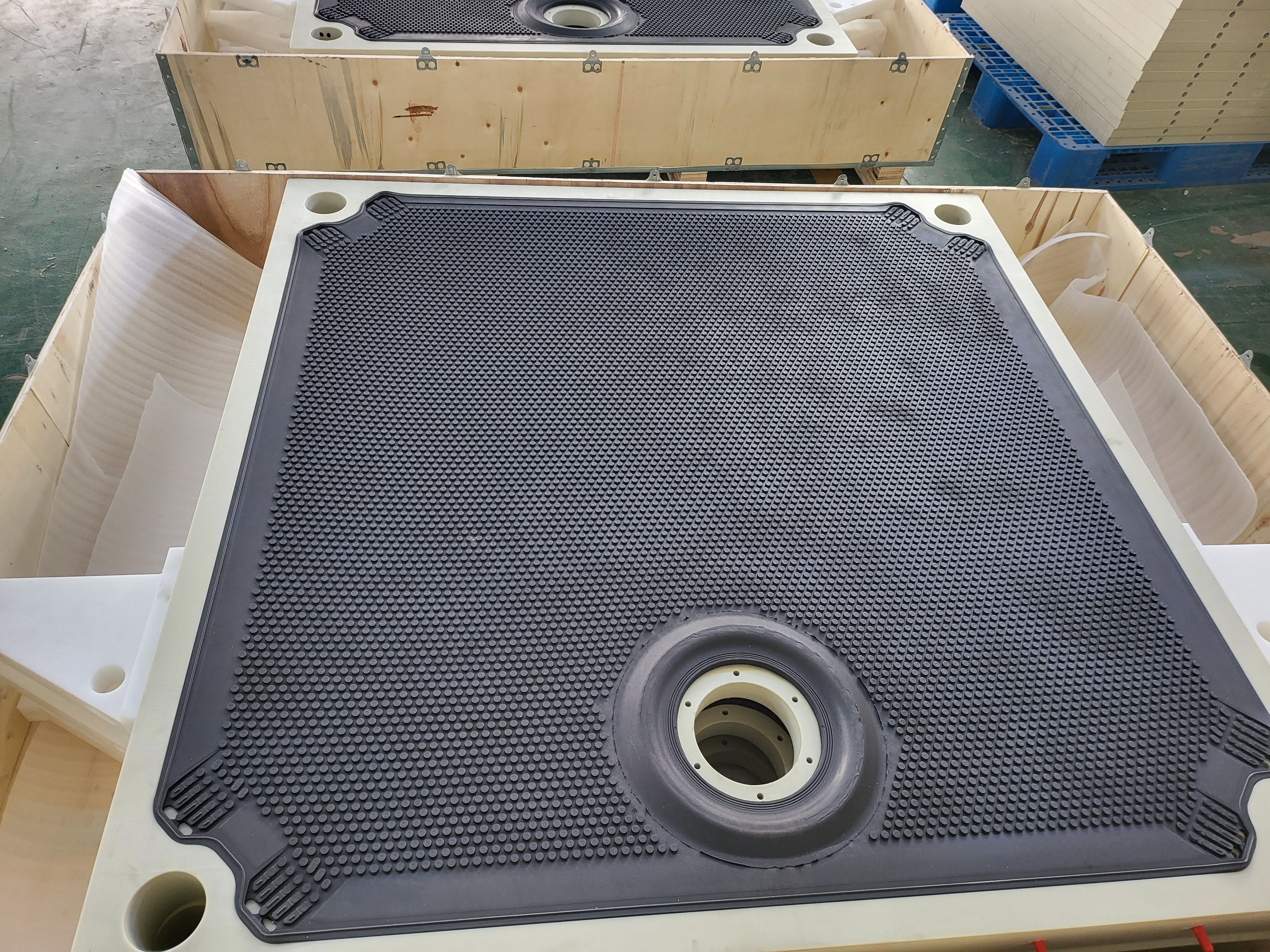
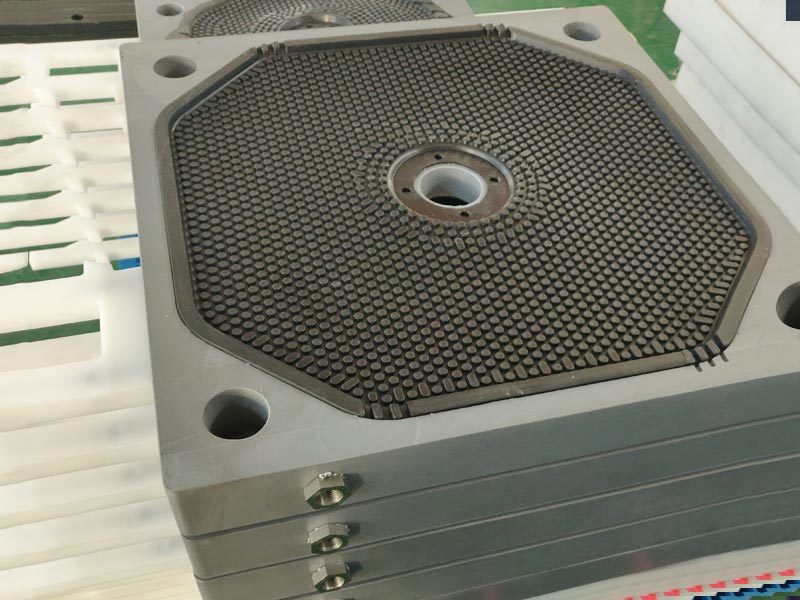
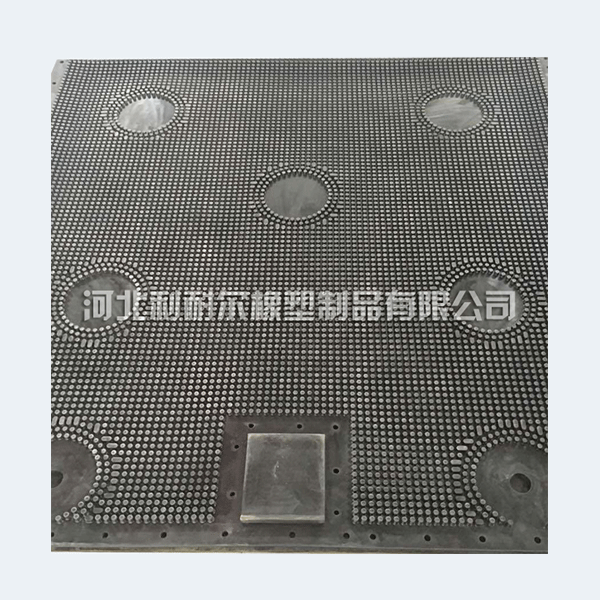
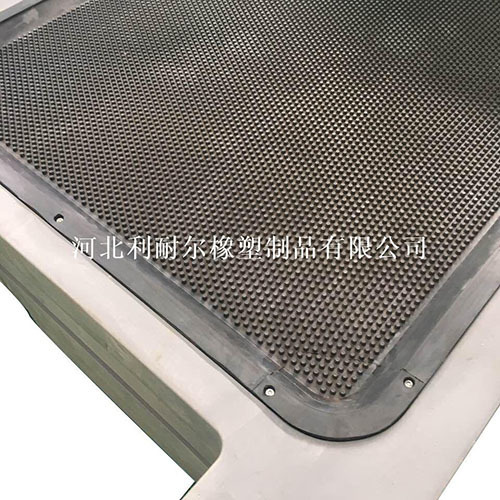
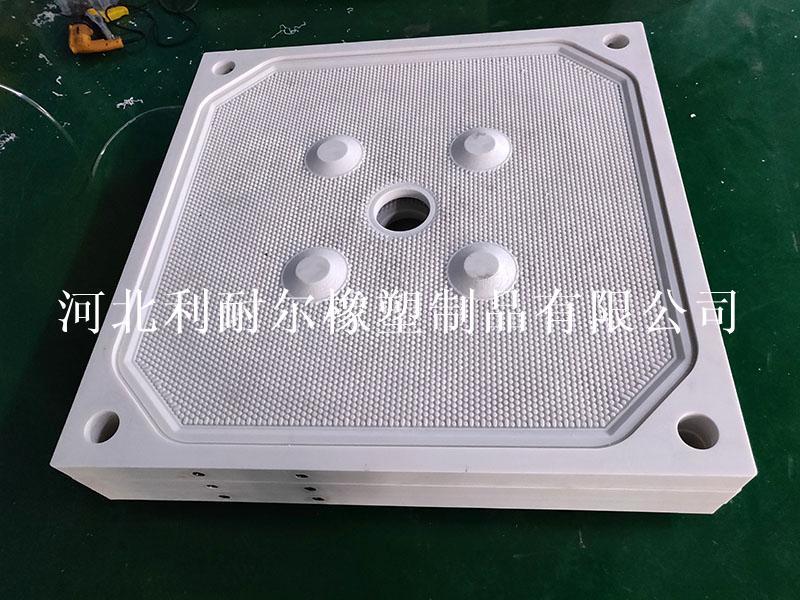
Filter press diaphragms are critical components designed to withstand the demanding conditions of chemical filtration. These flexible membranes act as a barrier, allowing selective passage of liquids while retaining solids. They enable efficient separation and dewatering of chemical slurries, ensuring optimal product quality and process efficiency. Diaphragms are typically made of robust materials like rubber or elastomers, chosen for their chemical resistance and durability.
Despite their resilience, filter press diaphragms are susceptible to wear and tear over time. Chemical industry environments, characterized by aggressive chemicals, high pressures, and temperature variations, pose unique challenges to diaphragm performance. Some common issues include:
1. Abrasion and punctures: Continuous contact with abrasive solids can lead to diaphragm damage, compromising filtration effectiveness.
2. Chemical attack: Exposure to aggressive chemicals can cause degradation, swelling, or hardening of diaphragms, reducing their lifespan.
3. Improper installation: Incorrect installation techniques can result in diaphragm misalignment, leading to premature failure and decreased efficiency.
4. Overcompression: Excessive pressure exerted on diaphragms can cause deformation or rupture, impacting filtration performance.
Addressing these challenges proactively and implementing effective maintenance practices can significantly extend the diaphragm's lifespan and optimize filtration processes.
To ensure the longevity of filter press diaphragms in the chemical industry, it is essential to follow these best practices:
1. Regular inspections: Conduct routine visual inspections to identify signs of wear, tear, or damage. Replace damaged diaphragms promptly to prevent further issues.
2. Proper cleaning: Thoroughly clean diaphragms after each filtration cycle to remove solids, chemical residues, and potential blockages.
3. Correct storage: Store diaphragms in a clean, dry, and temperature-controlled environment to prevent degradation and maintain their integrity.
4. Adequate lubrication: Apply suitable lubricants to diaphragm components to reduce friction and enhance performance.
5. Operator training: Train personnel on proper diaphragm handling, installation, and maintenance procedures to minimize the risk of errors and premature failures.
6. Record keeping: Maintain detailed records of diaphragm maintenance, including inspection dates, replacements, and any issues encountered. This information helps identify recurring problems and plan preventive measures.
Implementing these best practices can optimize diaphragm performance, prolong their lifespan, and minimize downtime in chemical filtration processes.
Regular cleaning and inspection are vital for the longevity of filter press diaphragms. Follow these steps to ensure thorough maintenance:
1. Shut down the filtration system and release any pressure.
2. Remove the diaphragms from the filter press assembly according to the manufacturer's instructions.
3. Rinse the diaphragms with clean water to remove any loose solids or chemical residues.
4. Prepare a cleaning solution by diluting a mild detergent or cleaner in water, following the manufacturer's recommendations.
5. Immerse the diaphragms in the cleaning solution and gently scrub them using a soft brush or sponge.
6. Rinse the diaphragms thoroughly to remove any traces of the cleaning solution.
7. Inspect each diaphragm carefully for signs of wear, tear, punctures, or chemical damage.
8. Replace any damaged diaphragms with new ones of the appropriate size and material.
9. Once cleaned and inspected, reinstall the diaphragms following the manufacturer's instructions.
10. Start up the filtration system and perform a leakage test to ensure proper diaphragm installation and functionality.
Despite regular maintenance, diaphragm issues may still arise. Understanding the causes and implementing appropriate solutions can help address these challenges effectively. Some common diaphragm issues include:
1. Leakage: Diaphragm leaks can occur due to improper installation, misalignment, or damage. Check for misalignment, replace damaged diaphragms, and ensure proper installation to resolve leakage issues.
2. Reduced filtration efficiency: If filtration efficiency decreases, consider factors like clogged filter media, improper diaphragm sizing, or worn-out diaphragms. Clean or replace clogged media, ensure correct diaphragm size, and replace worn-out diaphragms to restore efficiency.
3. Diaphragm swelling or hardening: Chemical attack can cause diaphragms to swell or harden, leading to reduced flexibility and compromised performance. Choose diaphragm materials with higher chemical resistance and consult with experts to select the most suitable options.
4. Diaphragm rupture or punctures: Abrasive solids or excessive pressure can cause diaphragm rupture or punctures. Opt for diaphragms with enhanced durability or consider implementing pre-filtration techniques to reduce solids' impact.
To further extend diaphragm lifespan and enhance performance, consider implementing the following proactive measures:
1. Chemical compatibility testing: Conduct compatibility tests to determine the most suitable diaphragm material for specific chemical applications. This helps prevent premature failures due to chemical attack.
2. Optimal filter media selection: Select filter media that complement the diaphragm material, preventing excessive wear and tear and maintaining filtration efficiency.
3. Pressure and cycle optimization: Optimize filtration pressure and cycle duration to reduce stress on diaphragms, prolonging their lifespan.
4. Regular equipment maintenance: Perform routine maintenance on the entire filter press system, including pumps, valves, and other components, to ensure optimal performance and prevent issues that could impact diaphragm function.
Implementing these proactive measures can significantly enhance diaphragm longevity, reduce maintenance costs, and improve overall chemical filtration processes.
Q1: How often should filter press diaphragms be replaced?
A: The replacement frequency depends on various factors such as operating conditions, chemical compatibility, and maintenance practices. Regular inspections and following manufacturer recommendations are crucial in determining the optimal replacement intervals.
Q2: Can damaged diaphragms be repaired?
A: In most cases, it is recommended to replace damaged diaphragms rather than attempting repairs. Diaphragm repair can be challenging, and the repaired diaphragms may not offer the same level of performance and reliability as new ones.
Q3: Are there any specific storage requirements for diaphragms?
A: Diaphragms should be stored in a clean, dry, and temperature-controlled environment away from direct sunlight, chemicals, and sharp objects. Follow the manufacturer's guidelines for specific storage requirements.
Q4: Can lubrication improve diaphragm performance?
A: Yes, appropriate lubrication of diaphragm components can minimize friction, reduce wear, and enhance overall performance. However, make sure to use lubricants compatible with the diaphragm material.
Q5: How can I identify diaphragm compatibility with chemical applications?
A: Conducting chemical compatibility tests with potential diaphragm materials is crucial. Consult with experts and consider factors such as chemical concentration, temperature, and exposure duration to select the most suitable diaphragm material.
Addressing filter press diaphragm maintenance is paramount for maximizing efficiency, minimizing downtime, and reducing costs in the chemical industry. By implementing best practices, conducting regular inspections, and troubleshooting diaphragm issues promptly, chemical manufacturers can ensure the longevity and optimal performance of their filter press systems. Proactive measures, such as chemical compatibility testing and optimized filtration parameters, can further enhance diaphragm lifespan and improve overall filtration processes. Invest in proper diaphragm maintenance to achieve long-term success in chemical industry filtration operations.
1. Introduction: The Importance of Filter Press Diaphragm Maintenance
2. Understanding Filter Press Diaphragms and Their Role in Chemical Industry
3. Common Challenges in Diaphragm Maintenance and Their Impact
4. Best Practices for Diaphragm Maintenance in Chemical Industry
5. Step-by-Step Guide to Diaphragm Cleaning and Inspection
6. Troubleshooting Diaphragm Issues: Causes and Solutions
7. Extended Diaphragm Lifespan: Proactive Measures and Strategies
8. FAQs: Answering Your Most Pressing Diaphragm Maintenance Questions
9. Conclusion: Enhancing Filter Press Diaphragm Performance for Longevity in Chemical Industry
1. Introduction: The Importance of Filter Press Diaphragm Maintenance
Maintaining filter press diaphragms is crucial for ensuring optimal performance and robustness in chemical manufacturing processes. Diaphragms play a vital role in the filtration process, providing a barrier between the solids and the filtrate. Neglecting diaphragm maintenance can lead to reduced filtration efficiency, increased downtime, and costly repairs. In this article, we will delve into the various aspects of diaphragm maintenance to help you maximize the longevity of your filter press system.
2. Understanding Filter Press Diaphragms and Their Role in Chemical Industry
Filter press diaphragms are critical components designed to withstand the demanding conditions of chemical filtration. These flexible membranes act as a barrier, allowing selective passage of liquids while retaining solids. They enable efficient separation and dewatering of chemical slurries, ensuring optimal product quality and process efficiency. Diaphragms are typically made of robust materials like rubber or elastomers, chosen for their chemical resistance and durability.
3. Common Challenges in Diaphragm Maintenance and Their Impact
Despite their resilience, filter press diaphragms are susceptible to wear and tear over time. Chemical industry environments, characterized by aggressive chemicals, high pressures, and temperature variations, pose unique challenges to diaphragm performance. Some common issues include:
1. Abrasion and punctures: Continuous contact with abrasive solids can lead to diaphragm damage, compromising filtration effectiveness.
2. Chemical attack: Exposure to aggressive chemicals can cause degradation, swelling, or hardening of diaphragms, reducing their lifespan.
3. Improper installation: Incorrect installation techniques can result in diaphragm misalignment, leading to premature failure and decreased efficiency.
4. Overcompression: Excessive pressure exerted on diaphragms can cause deformation or rupture, impacting filtration performance.
Addressing these challenges proactively and implementing effective maintenance practices can significantly extend the diaphragm's lifespan and optimize filtration processes.
4. Best Practices for Diaphragm Maintenance in Chemical Industry
To ensure the longevity of filter press diaphragms in the chemical industry, it is essential to follow these best practices:
1. Regular inspections: Conduct routine visual inspections to identify signs of wear, tear, or damage. Replace damaged diaphragms promptly to prevent further issues.
2. Proper cleaning: Thoroughly clean diaphragms after each filtration cycle to remove solids, chemical residues, and potential blockages.
3. Correct storage: Store diaphragms in a clean, dry, and temperature-controlled environment to prevent degradation and maintain their integrity.
4. Adequate lubrication: Apply suitable lubricants to diaphragm components to reduce friction and enhance performance.
5. Operator training: Train personnel on proper diaphragm handling, installation, and maintenance procedures to minimize the risk of errors and premature failures.
6. Record keeping: Maintain detailed records of diaphragm maintenance, including inspection dates, replacements, and any issues encountered. This information helps identify recurring problems and plan preventive measures.
Implementing these best practices can optimize diaphragm performance, prolong their lifespan, and minimize downtime in chemical filtration processes.
5. Step-by-Step Guide to Diaphragm Cleaning and Inspection
Regular cleaning and inspection are vital for the longevity of filter press diaphragms. Follow these steps to ensure thorough maintenance:
1. Shut down the filtration system and release any pressure.
2. Remove the diaphragms from the filter press assembly according to the manufacturer's instructions.
3. Rinse the diaphragms with clean water to remove any loose solids or chemical residues.
4. Prepare a cleaning solution by diluting a mild detergent or cleaner in water, following the manufacturer's recommendations.
5. Immerse the diaphragms in the cleaning solution and gently scrub them using a soft brush or sponge.
6. Rinse the diaphragms thoroughly to remove any traces of the cleaning solution.
7. Inspect each diaphragm carefully for signs of wear, tear, punctures, or chemical damage.
8. Replace any damaged diaphragms with new ones of the appropriate size and material.
9. Once cleaned and inspected, reinstall the diaphragms following the manufacturer's instructions.
10. Start up the filtration system and perform a leakage test to ensure proper diaphragm installation and functionality.
6. Troubleshooting Diaphragm Issues: Causes and Solutions
Despite regular maintenance, diaphragm issues may still arise. Understanding the causes and implementing appropriate solutions can help address these challenges effectively. Some common diaphragm issues include:
1. Leakage: Diaphragm leaks can occur due to improper installation, misalignment, or damage. Check for misalignment, replace damaged diaphragms, and ensure proper installation to resolve leakage issues.
2. Reduced filtration efficiency: If filtration efficiency decreases, consider factors like clogged filter media, improper diaphragm sizing, or worn-out diaphragms. Clean or replace clogged media, ensure correct diaphragm size, and replace worn-out diaphragms to restore efficiency.
3. Diaphragm swelling or hardening: Chemical attack can cause diaphragms to swell or harden, leading to reduced flexibility and compromised performance. Choose diaphragm materials with higher chemical resistance and consult with experts to select the most suitable options.
4. Diaphragm rupture or punctures: Abrasive solids or excessive pressure can cause diaphragm rupture or punctures. Opt for diaphragms with enhanced durability or consider implementing pre-filtration techniques to reduce solids' impact.
7. Extended Diaphragm Lifespan: Proactive Measures and Strategies
To further extend diaphragm lifespan and enhance performance, consider implementing the following proactive measures:
1. Chemical compatibility testing: Conduct compatibility tests to determine the most suitable diaphragm material for specific chemical applications. This helps prevent premature failures due to chemical attack.
2. Optimal filter media selection: Select filter media that complement the diaphragm material, preventing excessive wear and tear and maintaining filtration efficiency.
3. Pressure and cycle optimization: Optimize filtration pressure and cycle duration to reduce stress on diaphragms, prolonging their lifespan.
4. Regular equipment maintenance: Perform routine maintenance on the entire filter press system, including pumps, valves, and other components, to ensure optimal performance and prevent issues that could impact diaphragm function.
Implementing these proactive measures can significantly enhance diaphragm longevity, reduce maintenance costs, and improve overall chemical filtration processes.
8. FAQs: Answering Your Most Pressing Diaphragm Maintenance Questions
Q1: How often should filter press diaphragms be replaced?
A: The replacement frequency depends on various factors such as operating conditions, chemical compatibility, and maintenance practices. Regular inspections and following manufacturer recommendations are crucial in determining the optimal replacement intervals.
Q2: Can damaged diaphragms be repaired?
A: In most cases, it is recommended to replace damaged diaphragms rather than attempting repairs. Diaphragm repair can be challenging, and the repaired diaphragms may not offer the same level of performance and reliability as new ones.
Q3: Are there any specific storage requirements for diaphragms?
A: Diaphragms should be stored in a clean, dry, and temperature-controlled environment away from direct sunlight, chemicals, and sharp objects. Follow the manufacturer's guidelines for specific storage requirements.
Q4: Can lubrication improve diaphragm performance?
A: Yes, appropriate lubrication of diaphragm components can minimize friction, reduce wear, and enhance overall performance. However, make sure to use lubricants compatible with the diaphragm material.
Q5: How can I identify diaphragm compatibility with chemical applications?
A: Conducting chemical compatibility tests with potential diaphragm materials is crucial. Consult with experts and consider factors such as chemical concentration, temperature, and exposure duration to select the most suitable diaphragm material.
9. Conclusion: Enhancing Filter Press Diaphragm Performance for Longevity in Chemical Industry
Addressing filter press diaphragm maintenance is paramount for maximizing efficiency, minimizing downtime, and reducing costs in the chemical industry. By implementing best practices, conducting regular inspections, and troubleshooting diaphragm issues promptly, chemical manufacturers can ensure the longevity and optimal performance of their filter press systems. Proactive measures, such as chemical compatibility testing and optimized filtration parameters, can further enhance diaphragm lifespan and improve overall filtration processes. Invest in proper diaphragm maintenance to achieve long-term success in chemical industry filtration operations.
Related News