
-
AboutHebei Linaier Rubber Products Co., Ltd. is located in Duqiao Industrial Zone, Jingxian City, Hebei Province, adjacent to Dezhou, Shandong. Founded in early 2001 with a registered capital of 35 million yuan, it is a scientific

-
ProductMain products: vertical and horizontal imported and domestic filter plates, diaphragm plates, diaphragms and accessories; pinch valve sleeves and pinch valves and various mining accessories.
-
NewsIn 2013, our company's high-pressure cylinder with phenolic cloth support and guide ring obtained the national key new product certificate, project number: 2013GRA20011; its products in coal cylinders and engineering hydrauli
-
ServiceWe will actively cooperate with more enthusiasm, strengthen internal management, expand the market externally, improve various performance indicators of existing products, and truly achieve our win-win situation!
-
RecruitmentOur company always adheres to the talent concept of "people-oriented", provides a growth platform for talents, and realizes the common growth and development of enterprises and talents.


 Esperanto
 Shqiptare
 Euskara
 Zulu
Zulu
 Latinus
 Cymraeg
 தமிழ்
தமிழ்
 Slovak
 Slovak
 Afrikaans

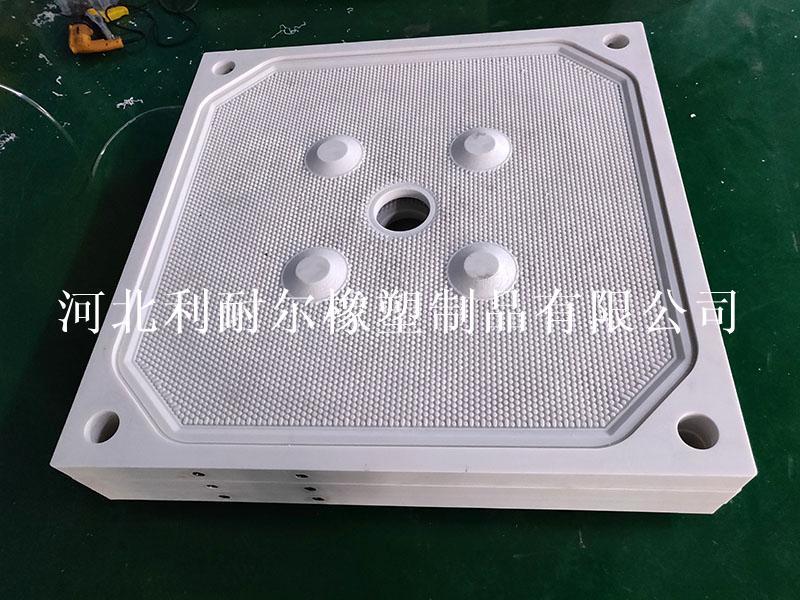
The Ultimate Guide to Choosing the Perfect Filter Press Plate
Release time:
2023-09-08
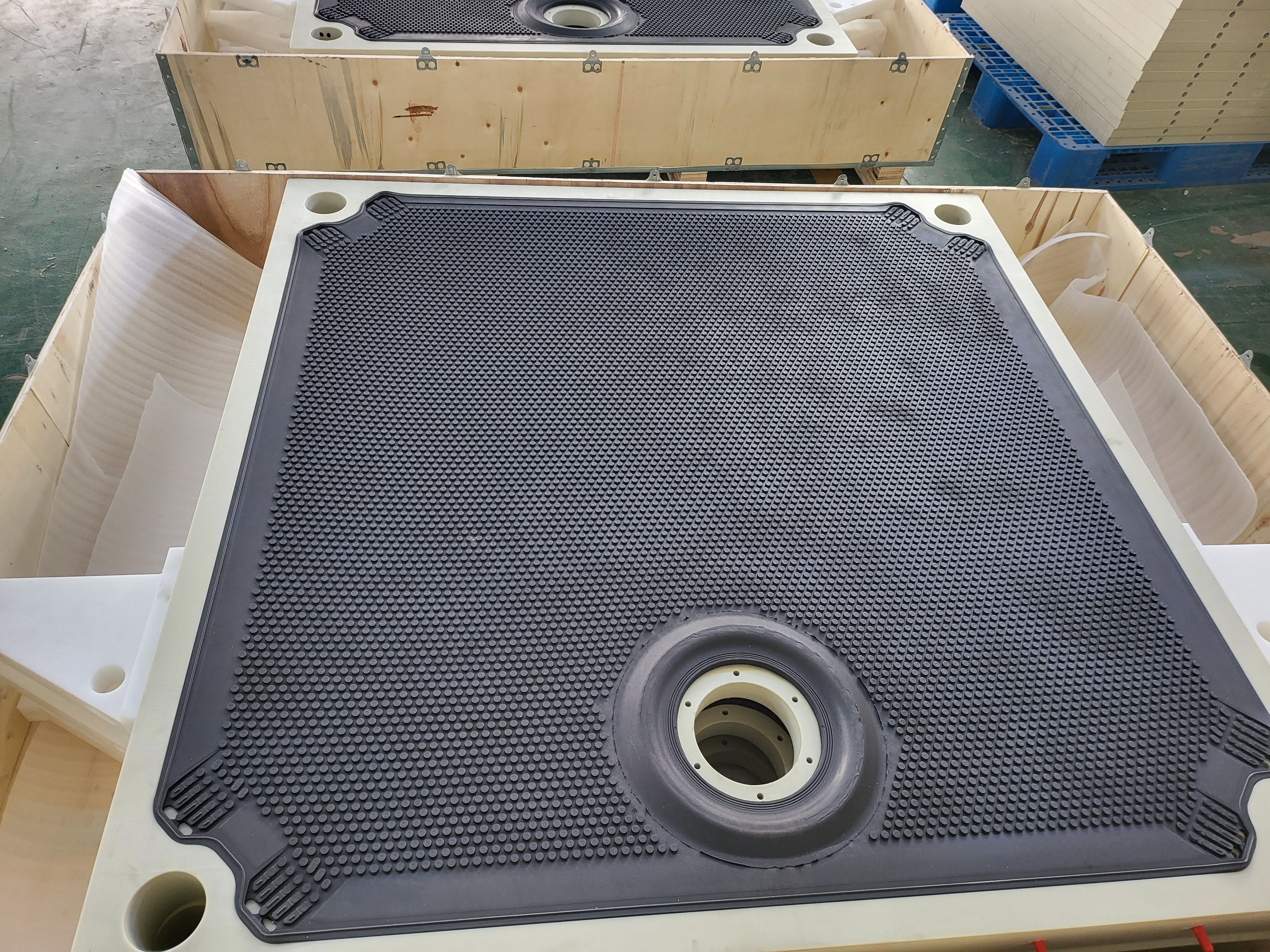
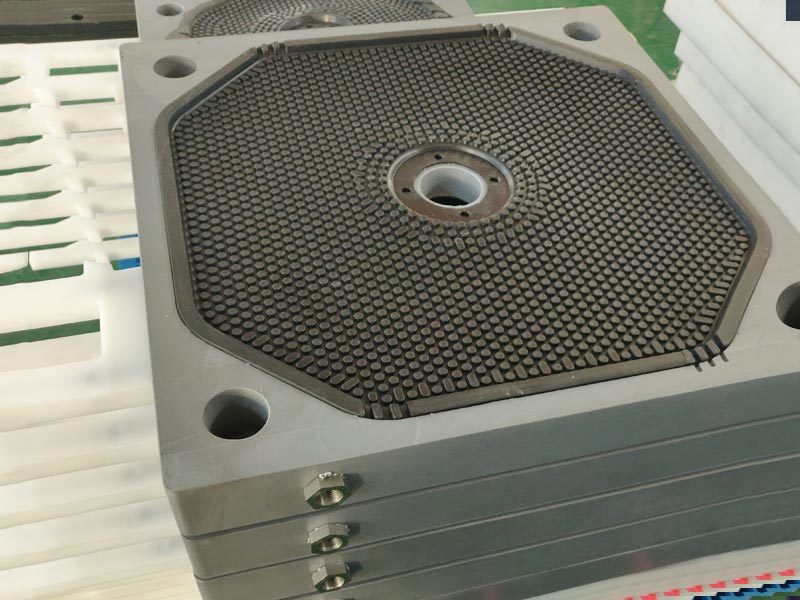
Utilize the step-by-step guide provided in this ultimate guide to select the ideal customized filter press plate that will enhance your filtration process and deliver exceptional results.
Selecting the Perfect Customized Filter Press Plate: Step-by-Step Guide
To assist you in choosing the perfect customized filter press plate, we have created a step-by-step guide that covers all the essential considerations. Following these steps will ensure that you make an informed decision based on your specific filtration needs.
1. Assessing Your Filtration Needs
Begin by thoroughly understanding your filtration requirements, including the type of liquid to be filtered, desired filtration rate, and the volume of liquid to be processed. This information will serve as a foundation for selecting the appropriate customized filter press plate.
2. Identifying Appropriate Plate Materials
Consider the chemical compatibility, temperature resistance, and durability requirements of your application to identify suitable plate materials. Evaluate the advantages and limitations of each material to make an informed choice.
3. Determining Plate Size and Shape
Measure the available space, consider the desired filtration rate, and assess the customized filter press type to determine the appropriate plate size and shape. Consulting with a filtration expert can provide valuable guidance in this step.
4. Calculating Filtration Area
Based on the volume of liquid to be filtered and the desired filtration rate, calculate the required filtration area. This calculation will help determine the number and size of customized filter press plates needed.
5. Evaluating Cake Thickness Requirements
Consider the nature of the solids being filtered and the desired moisture content in the cake to determine the ideal cake thickness. This step ensures efficient filtration and prevents unnecessary operating costs.
6. Analyzing Operating Pressure Limits
Evaluate the operating pressure requirements of your filtration process. Choose a customized filter press plate that can withstand the specified pressure without compromising its structural integrity.
7. Ensuring Chemical Compatibility
Verify the compatibility of the selected customized filter press plate material with the chemicals involved in your filtration process. This step is crucial to prevent plate degradation and ensure the safety of your operation.
8. Considering Temperature Resistance
If your filtration process involves high temperatures, select a filter press plate material that can withstand the desired operating temperature. Failure to consider temperature resistance can lead to premature plate failure.
9. Assessing Maintenance and Durability
Consider the maintenance requirements and durability of the customized filter press plate. Choosing a plate that is easy to clean, resistant to wear and tear, and requires minimal maintenance will save time and money in the long run.
Choosing the perfect filter press plate is crucial for achieving efficient filtration and optimal performance. By considering factors such as material, plate size, filtration area, cake thickness, operating pressure, chemical compatibility, temperature resistance, and maintenance requirements, you can make an informed decision that aligns with your specific filtration needs. Utilize the step-by-step guide provided in this ultimate guide to select the ideal customized filter press plate that will enhance your filtration process and deliver exceptional results.
Related News