
-
AboutHebei Linaier Rubber Products Co., Ltd. is located in Duqiao Industrial Zone, Jingxian City, Hebei Province, adjacent to Dezhou, Shandong. Founded in early 2001 with a registered capital of 35 million yuan, it is a scientific

-
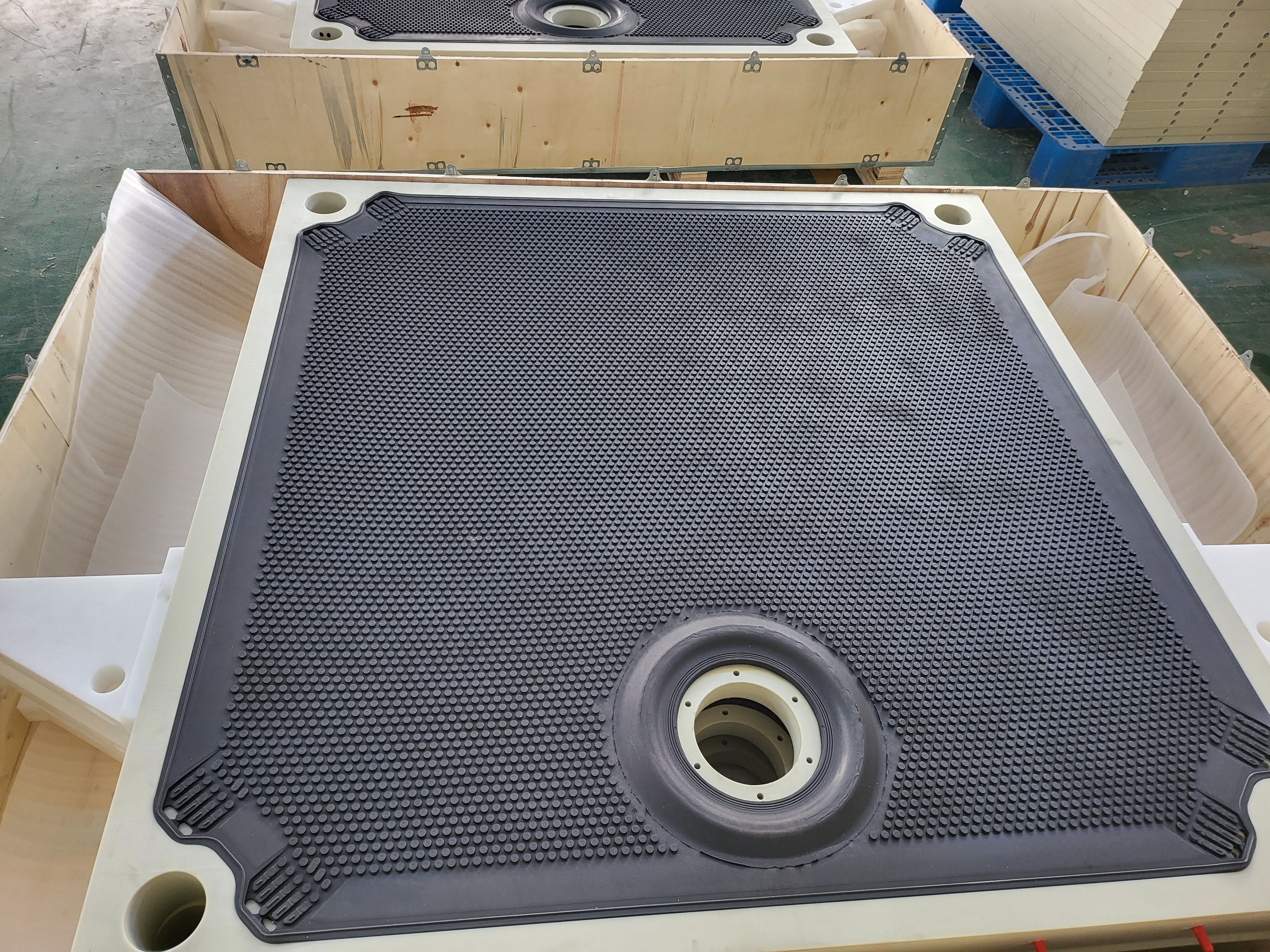
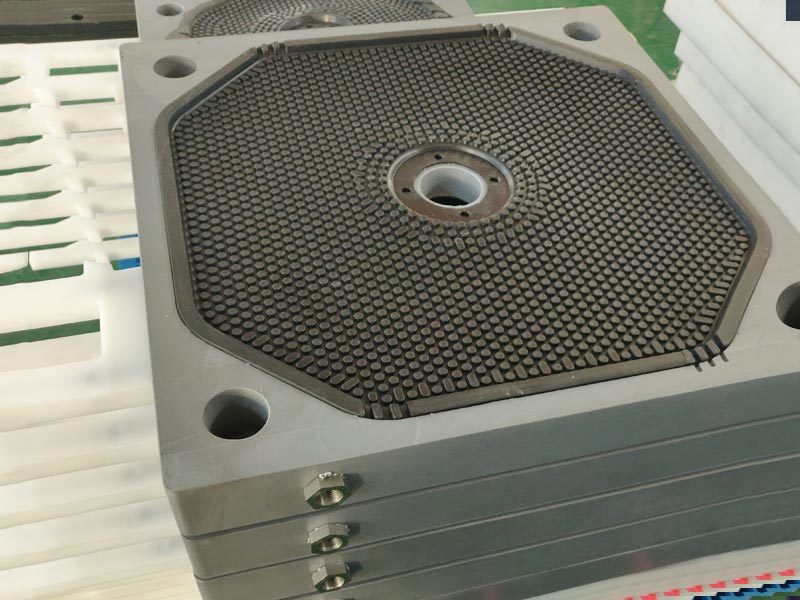
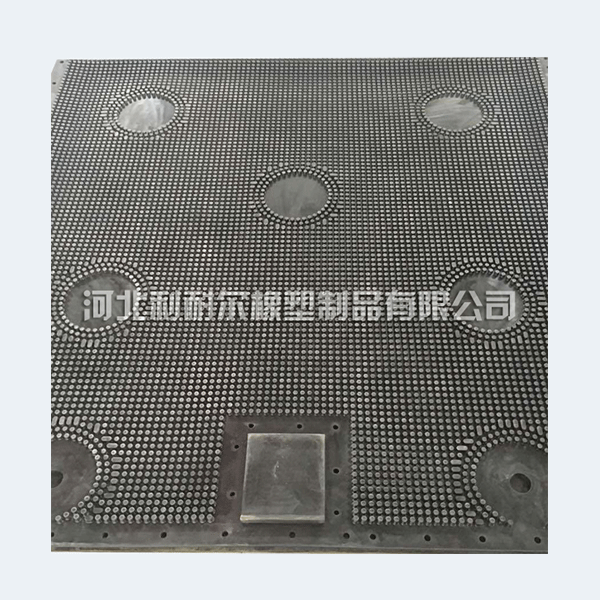
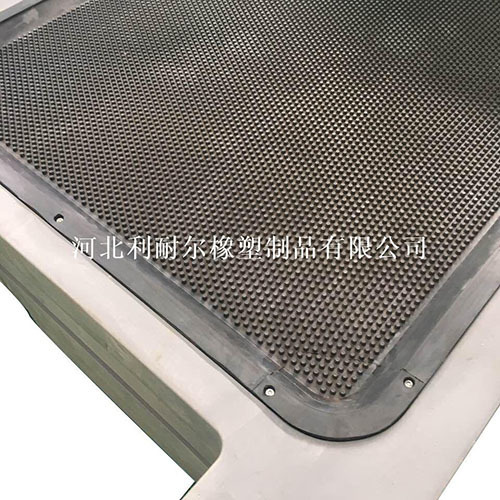
ProductMain products: vertical and horizontal imported and domestic filter plates, diaphragm plates, diaphragms and accessories; pinch valve sleeves and pinch valves and various mining accessories.
-
NewsIn 2013, our company's high-pressure cylinder with phenolic cloth support and guide ring obtained the national key new product certificate, project number: 2013GRA20011; its products in coal cylinders and engineering hydrauli
-
ServiceWe will actively cooperate with more enthusiasm, strengthen internal management, expand the market externally, improve various performance indicators of existing products, and truly achieve our win-win situation!
-
RecruitmentOur company always adheres to the talent concept of "people-oriented", provides a growth platform for talents, and realizes the common growth and development of enterprises and talents.


 Esperanto
 Shqiptare
 Euskara
 Zulu
Zulu
 Latinus
 Cymraeg
 தமிழ்
தமிழ்
 Slovak
 Slovak
 Afrikaans

A Comprehensive Guide to Valve Sleeves in the Chemical Industry
Release time:
2023-09-06
Customized valve sleeves are crucial components in the chemical industry that provide a tight seal and control the flow of different fluids within a system.
1. Introduction to customized Valve Sleeves
Customized valve sleeves are crucial components in the chemical industry that provide a tight seal and control the flow of different fluids within a system. They are designed to withstand harsh chemical environments, high pressures, and extreme temperatures, ensuring safe and efficient operations.
2. Types of Valve Sleeves
The common types include:
2.1 Soft Valve Sleeves
Soft valve sleeves are made from materials such as rubber or elastomers. They offer excellent flexibility, resistance to abrasion, and tight sealing properties. These sleeves are commonly used in applications where a bubble-tight shut-off is required. 2.2 Metal Valve Sleeves
Metal valve sleeves, often made from stainless steel or other corrosion-resistant alloys, are known for their durability and resistance to high temperatures and pressures. They are suitable for applications involving aggressive chemicals and demanding operating conditions.
2.3 PTFE Valve Sleeves
PTFE (polytetrafluoroethylene) valve sleeves are known for their exceptional chemical resistance and non-stick properties. They are widely used in the chemical industry for handling corrosive fluids and gases.
3. Materials Used in Valve Sleeves
customized Valve sleeves are manufactured using a variety of materials, depending on the specific requirements of the application. Some commonly used materials include:
3.1 Rubber/Elastomers
Rubber or elastomeric materials offer excellent elasticity and resistance to chemical attack. They provide a reliable seal and are suitable for applications involving moderate pressures and temperatures.
3.2 Stainless Steel
Stainless steel is a popular choice for customized valve sleeves due to its high strength, corrosion resistance, and ability to withstand extreme temperatures. It is commonly used in applications where durability and longevity are essential.
3.3 PTFE (Polytetrafluoroethylene)
PTFE is a versatile material known for its excellent chemical resistance and low friction properties. Valve sleeves made from PTFE offer exceptional performance in highly corrosive environments.
4. Applications of Valve Sleeves in the Chemical Industry
4.1 Chemical Processing
Customized valve sleeves are vital components in chemical processing plants where precise control over fluid flow is essential. They are used in pumps, valves, and other equipment to regulate the movement of chemicals throughout the manufacturing process.
4.2 Oil and Gas
In the oil and gas industry, valve sleeves are used in drilling operations, refineries, and pipelines. They ensure the safe and efficient transportation of petroleum products and help prevent leaks or spills that can have severe environmental and safety consequences.
4.3 Water Treatment
Customized valve sleeves are integral to water treatment processes, where they help regulate the flow of chemicals used for purification and disinfection. They are also used in wastewater treatment plants to control the movement of effluent and prevent contamination.
5. Advantages of Valve Sleeves
Valve sleeves offer several advantages in the chemical industry, including:
5.1 Reliable Sealing
Valve sleeves provide a tight seal, preventing leakage and ensuring the integrity of the system. This is crucial in applications where even the smallest leak can lead to safety hazards or product loss.
5.2 Chemical Resistance
Valve sleeves made from suitable materials offer excellent resistance to a wide range of chemicals, including corrosive substances. This chemical resistance ensures long-lasting performance and minimizes the risk of material degradation.
5.3 Temperature and Pressure Resistance
Customized valve sleeves are designed to withstand extreme temperatures and pressures, making them suitable for challenging operating conditions. They maintain their functionality and integrity even in high-pressure environments.
6. How to Choose the Right Valve Sleeve, Consider the following factors when choosing a sleeve:
6.1 Chemical Compatibility
Ensure that the Customized valve sleeve material is compatible with the chemicals it will come into contact with. Refer to chemical compatibility charts and consult experts if necessary to make an informed decision.
6.2 Operating Conditions
Consider the temperature, pressure, and other environmental factors the valve sleeve will be exposed to. Select a sleeve material that can withstand these conditions without compromising performance.
6.3 Valve Size and Type
Take into account the size and type of the valve when choosing a sleeve. Different valves may require specific dimensions and designs to ensure a proper fit and function.
7. Installation and Maintenance of customized Valve Sleeves
Follow these guidelines:
7.1 Installation
Ensure that the valve sleeve is properly aligned and securely installed. Follow the manufacturer's instructions and use appropriate tools and techniques to prevent damage during installation.
7.2 Maintenance
Regularly inspect the customized valve sleeves for signs of wear, damage, or degradation. Clean them as recommended by the manufacturer and replace worn-out sleeves promptly to prevent leaks or failures.
Related News