
-
AboutHebei Linaier Rubber Products Co., Ltd. is located in Duqiao Industrial Zone, Jingxian City, Hebei Province, adjacent to Dezhou, Shandong. Founded in early 2001 with a registered capital of 35 million yuan, it is a scientific

-
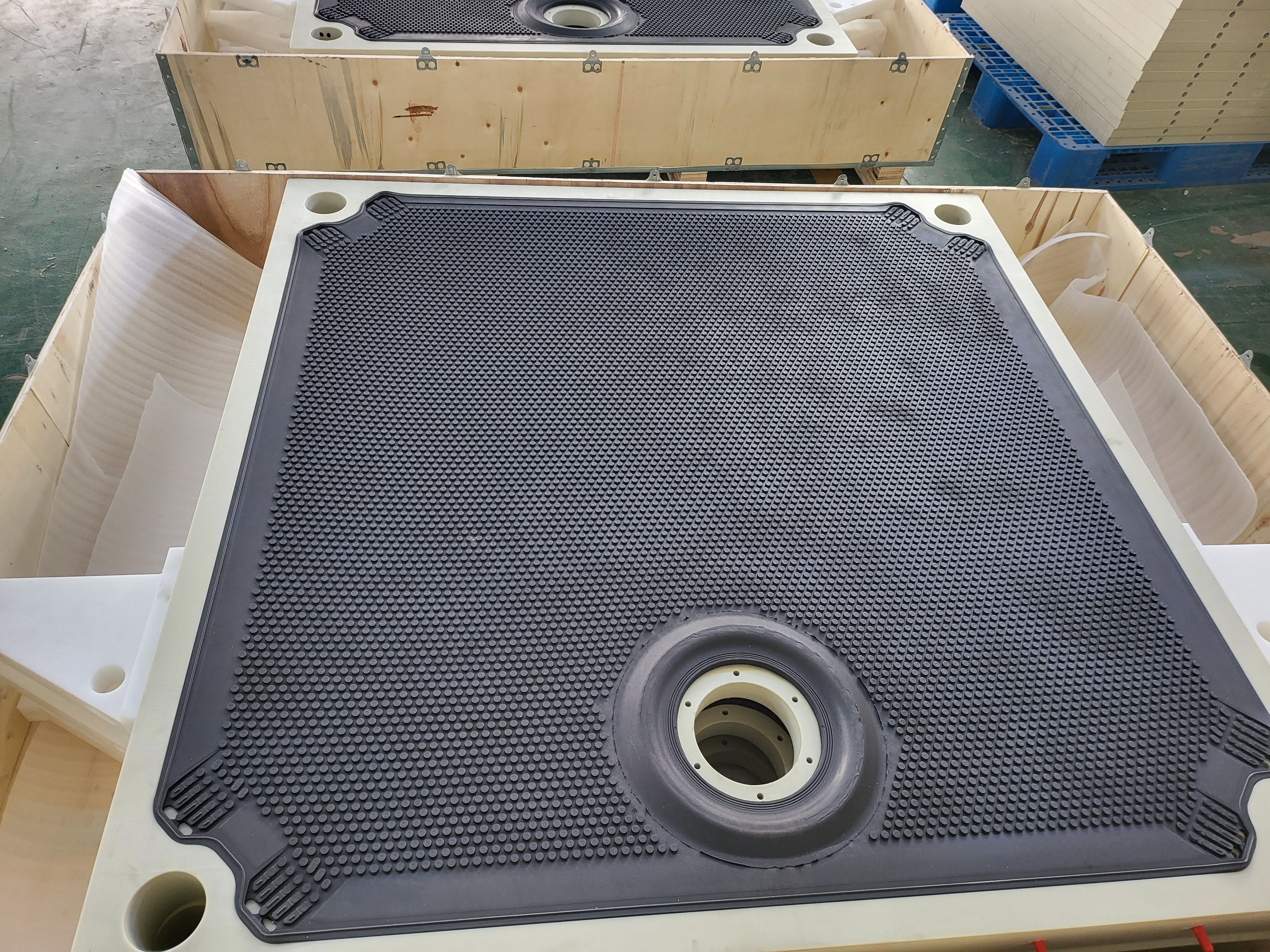
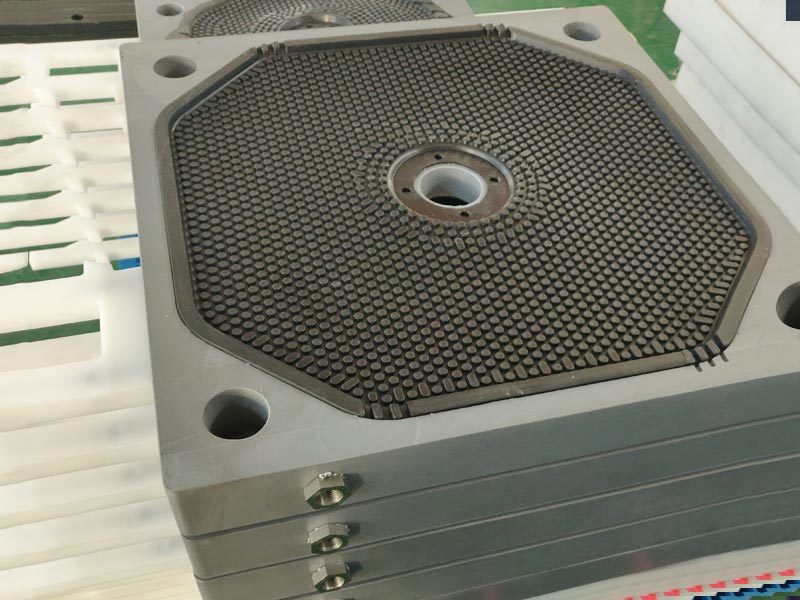
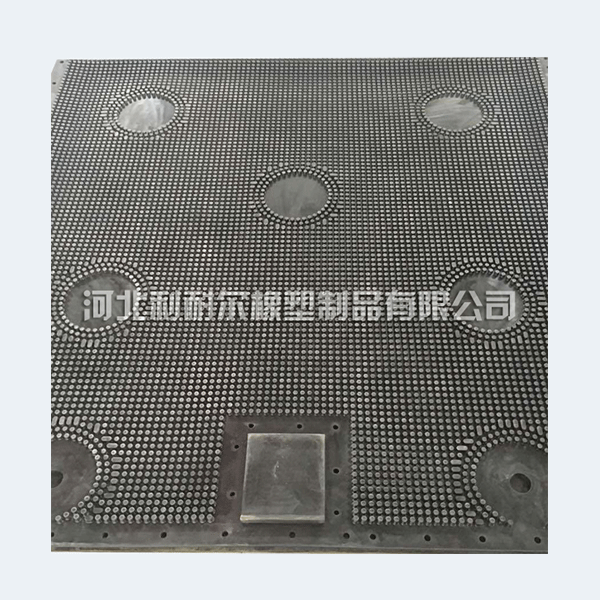
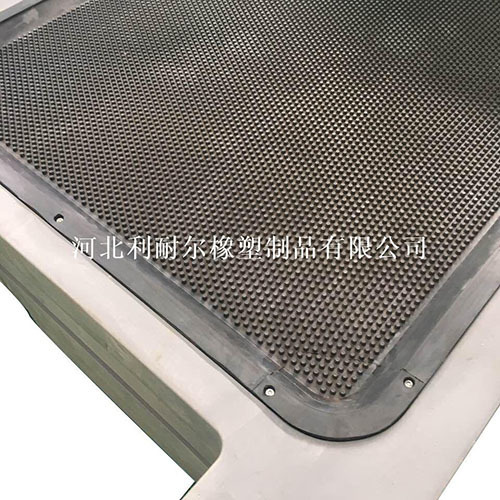
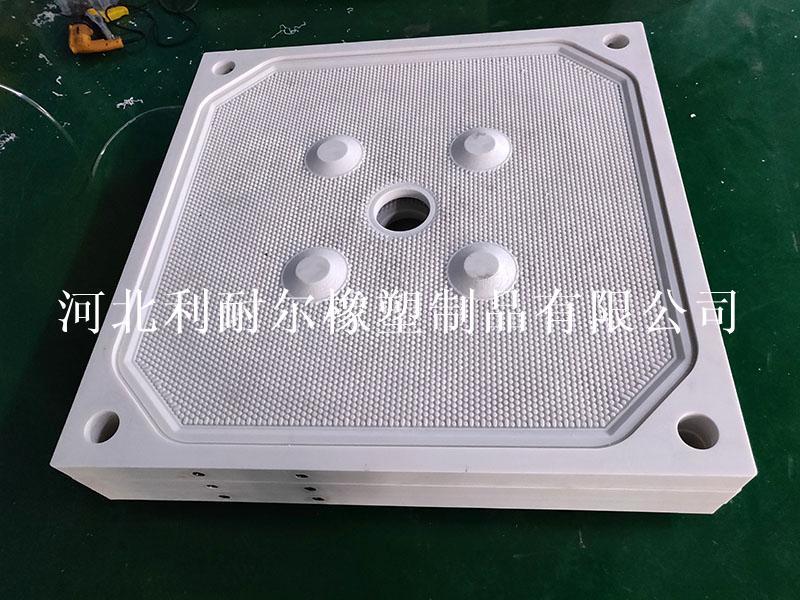
ProductMain products: vertical and horizontal imported and domestic filter plates, diaphragm plates, diaphragms and accessories; pinch valve sleeves and pinch valves and various mining accessories.
-
NewsIn 2013, our company's high-pressure cylinder with phenolic cloth support and guide ring obtained the national key new product certificate, project number: 2013GRA20011; its products in coal cylinders and engineering hydrauli
-
ServiceWe will actively cooperate with more enthusiasm, strengthen internal management, expand the market externally, improve various performance indicators of existing products, and truly achieve our win-win situation!
-
RecruitmentOur company always adheres to the talent concept of "people-oriented", provides a growth platform for talents, and realizes the common growth and development of enterprises and talents.


language
English
العربية
বাংলাদেশ
Български
Hrvatski
Česky
Dansk
Nederland
 Esperanto
Slovenski
Filipino
Suomi
Français
Maori
 Shqiptare
Georgian
 Euskara
Deutsch
Ελλάδα
ישראל
इंडिया
Magyarország
Ísland
Indonesia
Irlanda
Italia
日本語
Sovensko
Հայաստան
한국
Kyrgyz
ປະເທດລາວ
 Zulu
Zulu
Latvian
Lithuanian
Luxembourgish
 Latinus
Macedonian
Малайская
Maltese
Монгол улс
 Cymraeg
ဗမာ
 தமிழ்
தமிழ்
नेपाल
Norge
ایران
Polska
Portugal
România
Российская
Србија
 Slovak
Србија
 Slovak
Bosanski
Slovenian
Беларус
España
Sverige
Точик
ประเทศไทย
Türk
Azərbaycan
Uzbek
 Afrikaans
Việt Nam

The Future is Here: Next-Gen Mining Tools
Release time:
2023-09-05
Table of Contents 1. Introduction: The Evolution of Mining Tools 2. Autonomous Vehicles: Driving Efficiency and Safety 3. Advanced Sensors: Enhancing Exploration and Resource Management 4. Virtual Reality and Augmented Reality: Transforming Training and Planning 5. Drones and Robotics: Revolutionizing Surveying and Inspection 6. Artificial Intelligence: Optimizing Decision-Making and Predictive Ma
Table of Contents
1. Introduction: The Evolution of Mining Tools
2. Autonomous Vehicles: Driving Efficiency and Safety
3. Advanced Sensors: Enhancing Exploration and Resource Management
4. Virtual Reality and Augmented Reality: Transforming Training and Planning
5. Drones and Robotics: Revolutionizing Surveying and Inspection
6. Artificial Intelligence: Optimizing Decision-Making and Predictive Maintenance
7. Advanced Data Analytics: Unlocking Insights and Improving Productivity
8. Blockchain Technology: Ensuring Transparency and Security
9. Frequently Asked Questions
a. How are autonomous vehicles used in mining operations?
b. What benefits do advanced sensors offer in the mining industry?
c. How does virtual reality contribute to better mining planning?
d. What roles do drones and robotics play in mining surveying?
e. What are the applications of artificial intelligence in mining?
10. Conclusion
## 1. Introduction: The Evolution of Mining Tools
In recent years, the mining industry has witnessed a significant transformation with the introduction of next-generation mining tools. These advanced technologies have revolutionized the way mining operations are conducted, offering unprecedented levels of efficiency, safety, and sustainability. From autonomous vehicles and advanced sensors to virtual reality and artificial intelligence, the future of mining looks promising. In this article, we will delve into the realm of next-gen mining tools and explore their incredible potential.
## 2. Autonomous Vehicles: Driving Efficiency and Safety
Autonomous vehicles have emerged as a game-changer in the mining industry. These self-driving trucks and loaders are equipped with state-of-the-art sensors, GPS systems, and advanced algorithms, enabling them to navigate through mines with precision and efficiency. By eliminating the need for human operators, autonomous vehicles not only enhance productivity but also significantly reduce the risk of accidents and injuries. With their ability to operate 24/7 without fatigue, these vehicles ensure uninterrupted mining operations, boosting overall efficiency.
## 3. Advanced Sensors: Enhancing Exploration and Resource Management
Next-gen mining tools incorporate advanced sensors that have revolutionized exploration and resource management. These sensors can accurately detect and analyze various elements present in rocks, allowing miners to identify valuable minerals and resources more efficiently. Additionally, sensors provide real-time data on crucial parameters such as temperature, pressure, and humidity, enabling miners to make informed decisions and optimize resource extraction. By minimizing wastage and improving resource management, advanced sensors play a vital role in sustainable mining practices.
## 4. Virtual Reality and Augmented Reality: Transforming Training and Planning
Virtual reality (VR) and augmented reality (AR) have found their way into the mining industry, transforming training and planning processes. VR technology allows miners to experience realistic simulations of mining scenarios, providing them with valuable hands-on training without exposing them to actual risks. AR, on the other hand, overlays digital information onto the real-world environment, enabling miners to visualize underground structures and potential hazards. These immersive technologies not only improve safety but also enhance decision-making and planning in the mining sector.
## 5. Drones and Robotics: Revolutionizing Surveying and Inspection
Drones and robotics have become integral parts of modern mining operations, revolutionizing surveying and inspection practices. Drones equipped with high-resolution cameras and LiDAR technology can quickly and accurately survey vast mining areas, generating detailed 3D maps and models. This data assists in planning and monitoring operations, identifying potential risks, and optimizing resource allocation. Additionally, robots are increasingly being deployed for tasks such as underground exploration, equipment maintenance, and hazardous material handling, reducing human exposure to dangerous environments.
## 6. Artificial Intelligence: Optimizing Decision-Making and Predictive Maintenance
Artificial intelligence (AI) is a driving force behind the optimization of decision-making and predictive maintenance in mining. AI algorithms can analyze vast amounts of data collected from various mining processes, enabling accurate predictions and proactive maintenance. This technology helps mining companies identify patterns, optimize workflows, and enhance operational efficiency. AI-powered systems can also detect anomalies and potential equipment failures, allowing preventive measures to be taken, thus minimizing downtime and reducing overall maintenance costs.
## 7. Advanced Data Analytics: Unlocking Insights and Improving Productivity
Next-gen mining tools leverage advanced data analytics techniques to unlock valuable insights and improve productivity. By analyzing data collected from sensors, vehicles, and other mining equipment, companies gain a comprehensive understanding of their operations. This data-driven approach enables them to identify bottlenecks, optimize workflows, and make data-backed decisions. Furthermore, data analytics facilitates the implementation of predictive models, enabling mining companies to anticipate market trends and adjust their strategies accordingly.
## 8. Blockchain Technology: Ensuring Transparency and Security
Blockchain technology has made its mark in the mining industry, ensuring transparency and security throughout the supply chain. By creating an immutable and decentralized ledger, blockchain enables miners to track the origin and history of mined resources, ensuring ethical practices and responsible sourcing. Additionally, blockchain-based smart contracts streamline transactions and improve trust between mining companies and their stakeholders. This technology not only enhances traceability but also minimizes the risk of fraud, making the mining industry more secure and accountable.
## 9. Frequently Asked Questions
a. How are autonomous vehicles used in mining operations?
Autonomous vehicles in mining operations are primarily used for transportation of materials, such as ore and waste, within the mine site. These vehicles navigate through designated routes and can be remotely controlled or operate autonomously using advanced algorithms.
b. What benefits do advanced sensors offer in the mining industry?
Advanced sensors provide real-time data on crucial parameters, improving resource management and minimizing wastage. They also enable efficient detection and analysis of valuable minerals, enhancing exploration processes.
c. How does virtual reality contribute to better mining planning?
Virtual reality allows miners to experience realistic simulations of mining scenarios, helping them make informed decisions and plan mining operations more effectively. It also provides hands-on training without exposing miners to actual risks.
d. What roles do drones and robotics play in mining surveying?
Drones equipped with cameras and LiDAR technology can quickly and accurately survey mining areas, assisting in planning, monitoring, and risk identification. Robotics, on the other hand, perform tasks such as underground exploration and hazardous material handling, reducing human exposure to dangerous environments.
e. What are the applications of artificial intelligence in mining?
Artificial intelligence is used in mining for optimizing decision-making, predictive maintenance, and workflow optimization. AI algorithms analyze large amounts of data to identify patterns, predict equipment failures, and improve operational efficiency.
## 10. Conclusion
The future of mining is here with the advent of next-gen mining tools. From autonomous vehicles and advanced sensors to virtual reality and artificial intelligence, these technologies are reshaping the industry, enhancing efficiency, safety, and sustainability. By embracing these cutting-edge tools, mining companies can unlock new levels of productivity, streamline operations, and ensure responsible practices. As the mining industry continues to evolve, the integration of these next-gen tools will undoubtedly play a pivotal role in its success.
1. Introduction: The Evolution of Mining Tools
2. Autonomous Vehicles: Driving Efficiency and Safety
3. Advanced Sensors: Enhancing Exploration and Resource Management
4. Virtual Reality and Augmented Reality: Transforming Training and Planning
5. Drones and Robotics: Revolutionizing Surveying and Inspection
6. Artificial Intelligence: Optimizing Decision-Making and Predictive Maintenance
7. Advanced Data Analytics: Unlocking Insights and Improving Productivity
8. Blockchain Technology: Ensuring Transparency and Security
9. Frequently Asked Questions
a. How are autonomous vehicles used in mining operations?
b. What benefits do advanced sensors offer in the mining industry?
c. How does virtual reality contribute to better mining planning?
d. What roles do drones and robotics play in mining surveying?
e. What are the applications of artificial intelligence in mining?
10. Conclusion
## 1. Introduction: The Evolution of Mining Tools
In recent years, the mining industry has witnessed a significant transformation with the introduction of next-generation mining tools. These advanced technologies have revolutionized the way mining operations are conducted, offering unprecedented levels of efficiency, safety, and sustainability. From autonomous vehicles and advanced sensors to virtual reality and artificial intelligence, the future of mining looks promising. In this article, we will delve into the realm of next-gen mining tools and explore their incredible potential.
## 2. Autonomous Vehicles: Driving Efficiency and Safety
Autonomous vehicles have emerged as a game-changer in the mining industry. These self-driving trucks and loaders are equipped with state-of-the-art sensors, GPS systems, and advanced algorithms, enabling them to navigate through mines with precision and efficiency. By eliminating the need for human operators, autonomous vehicles not only enhance productivity but also significantly reduce the risk of accidents and injuries. With their ability to operate 24/7 without fatigue, these vehicles ensure uninterrupted mining operations, boosting overall efficiency.
## 3. Advanced Sensors: Enhancing Exploration and Resource Management
Next-gen mining tools incorporate advanced sensors that have revolutionized exploration and resource management. These sensors can accurately detect and analyze various elements present in rocks, allowing miners to identify valuable minerals and resources more efficiently. Additionally, sensors provide real-time data on crucial parameters such as temperature, pressure, and humidity, enabling miners to make informed decisions and optimize resource extraction. By minimizing wastage and improving resource management, advanced sensors play a vital role in sustainable mining practices.
## 4. Virtual Reality and Augmented Reality: Transforming Training and Planning
Virtual reality (VR) and augmented reality (AR) have found their way into the mining industry, transforming training and planning processes. VR technology allows miners to experience realistic simulations of mining scenarios, providing them with valuable hands-on training without exposing them to actual risks. AR, on the other hand, overlays digital information onto the real-world environment, enabling miners to visualize underground structures and potential hazards. These immersive technologies not only improve safety but also enhance decision-making and planning in the mining sector.
## 5. Drones and Robotics: Revolutionizing Surveying and Inspection
Drones and robotics have become integral parts of modern mining operations, revolutionizing surveying and inspection practices. Drones equipped with high-resolution cameras and LiDAR technology can quickly and accurately survey vast mining areas, generating detailed 3D maps and models. This data assists in planning and monitoring operations, identifying potential risks, and optimizing resource allocation. Additionally, robots are increasingly being deployed for tasks such as underground exploration, equipment maintenance, and hazardous material handling, reducing human exposure to dangerous environments.
## 6. Artificial Intelligence: Optimizing Decision-Making and Predictive Maintenance
Artificial intelligence (AI) is a driving force behind the optimization of decision-making and predictive maintenance in mining. AI algorithms can analyze vast amounts of data collected from various mining processes, enabling accurate predictions and proactive maintenance. This technology helps mining companies identify patterns, optimize workflows, and enhance operational efficiency. AI-powered systems can also detect anomalies and potential equipment failures, allowing preventive measures to be taken, thus minimizing downtime and reducing overall maintenance costs.
## 7. Advanced Data Analytics: Unlocking Insights and Improving Productivity
Next-gen mining tools leverage advanced data analytics techniques to unlock valuable insights and improve productivity. By analyzing data collected from sensors, vehicles, and other mining equipment, companies gain a comprehensive understanding of their operations. This data-driven approach enables them to identify bottlenecks, optimize workflows, and make data-backed decisions. Furthermore, data analytics facilitates the implementation of predictive models, enabling mining companies to anticipate market trends and adjust their strategies accordingly.
## 8. Blockchain Technology: Ensuring Transparency and Security
Blockchain technology has made its mark in the mining industry, ensuring transparency and security throughout the supply chain. By creating an immutable and decentralized ledger, blockchain enables miners to track the origin and history of mined resources, ensuring ethical practices and responsible sourcing. Additionally, blockchain-based smart contracts streamline transactions and improve trust between mining companies and their stakeholders. This technology not only enhances traceability but also minimizes the risk of fraud, making the mining industry more secure and accountable.
## 9. Frequently Asked Questions
a. How are autonomous vehicles used in mining operations?
Autonomous vehicles in mining operations are primarily used for transportation of materials, such as ore and waste, within the mine site. These vehicles navigate through designated routes and can be remotely controlled or operate autonomously using advanced algorithms.
b. What benefits do advanced sensors offer in the mining industry?
Advanced sensors provide real-time data on crucial parameters, improving resource management and minimizing wastage. They also enable efficient detection and analysis of valuable minerals, enhancing exploration processes.
c. How does virtual reality contribute to better mining planning?
Virtual reality allows miners to experience realistic simulations of mining scenarios, helping them make informed decisions and plan mining operations more effectively. It also provides hands-on training without exposing miners to actual risks.
d. What roles do drones and robotics play in mining surveying?
Drones equipped with cameras and LiDAR technology can quickly and accurately survey mining areas, assisting in planning, monitoring, and risk identification. Robotics, on the other hand, perform tasks such as underground exploration and hazardous material handling, reducing human exposure to dangerous environments.
e. What are the applications of artificial intelligence in mining?
Artificial intelligence is used in mining for optimizing decision-making, predictive maintenance, and workflow optimization. AI algorithms analyze large amounts of data to identify patterns, predict equipment failures, and improve operational efficiency.
## 10. Conclusion
The future of mining is here with the advent of next-gen mining tools. From autonomous vehicles and advanced sensors to virtual reality and artificial intelligence, these technologies are reshaping the industry, enhancing efficiency, safety, and sustainability. By embracing these cutting-edge tools, mining companies can unlock new levels of productivity, streamline operations, and ensure responsible practices. As the mining industry continues to evolve, the integration of these next-gen tools will undoubtedly play a pivotal role in its success.
Related News