
-
AboutHebei Linaier Rubber Products Co., Ltd. is located in Duqiao Industrial Zone, Jingxian City, Hebei Province, adjacent to Dezhou, Shandong. Founded in early 2001 with a registered capital of 35 million yuan, it is a scientific

-
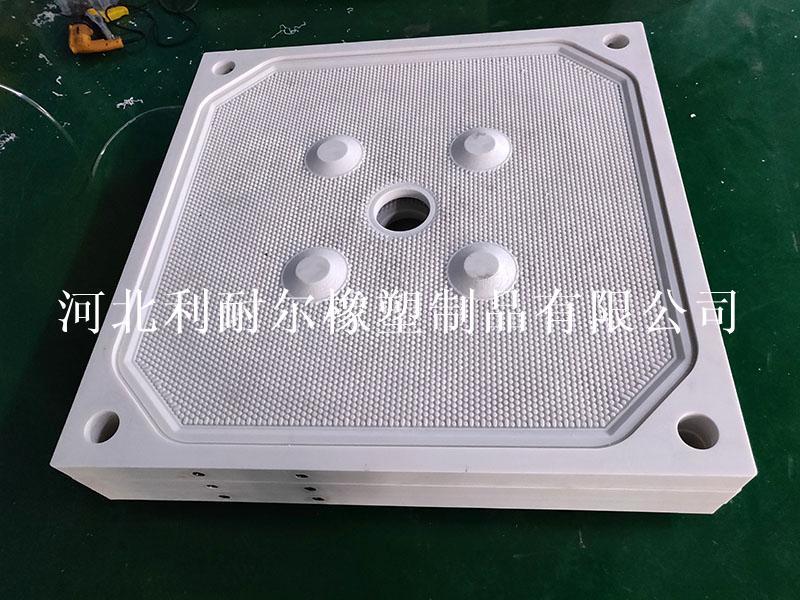
ProductMain products: vertical and horizontal imported and domestic filter plates, diaphragm plates, diaphragms and accessories; pinch valve sleeves and pinch valves and various mining accessories.
-
NewsIn 2013, our company's high-pressure cylinder with phenolic cloth support and guide ring obtained the national key new product certificate, project number: 2013GRA20011; its products in coal cylinders and engineering hydrauli
-
ServiceWe will actively cooperate with more enthusiasm, strengthen internal management, expand the market externally, improve various performance indicators of existing products, and truly achieve our win-win situation!
-
RecruitmentOur company always adheres to the talent concept of "people-oriented", provides a growth platform for talents, and realizes the common growth and development of enterprises and talents.


 Esperanto
 Shqiptare
 Euskara
 Zulu
Zulu
 Latinus
 Cymraeg
 தமிழ்
தமிழ்
 Slovak
 Slovak
 Afrikaans

Are Quality Rubber Diaphragms a Key Component in the Chemical Industry
Release time:
2023-09-04
In the chemical industry, various components play vital roles in ensuring the smooth operation of different processes. One such significant component is the quality rubber diaphragm.
Introduction:
In the chemical industry, various components play vital roles in ensuring the smooth operation of different processes. One such significant component is the quality rubber diaphragm.
1. Understanding Rubber Diaphragms:
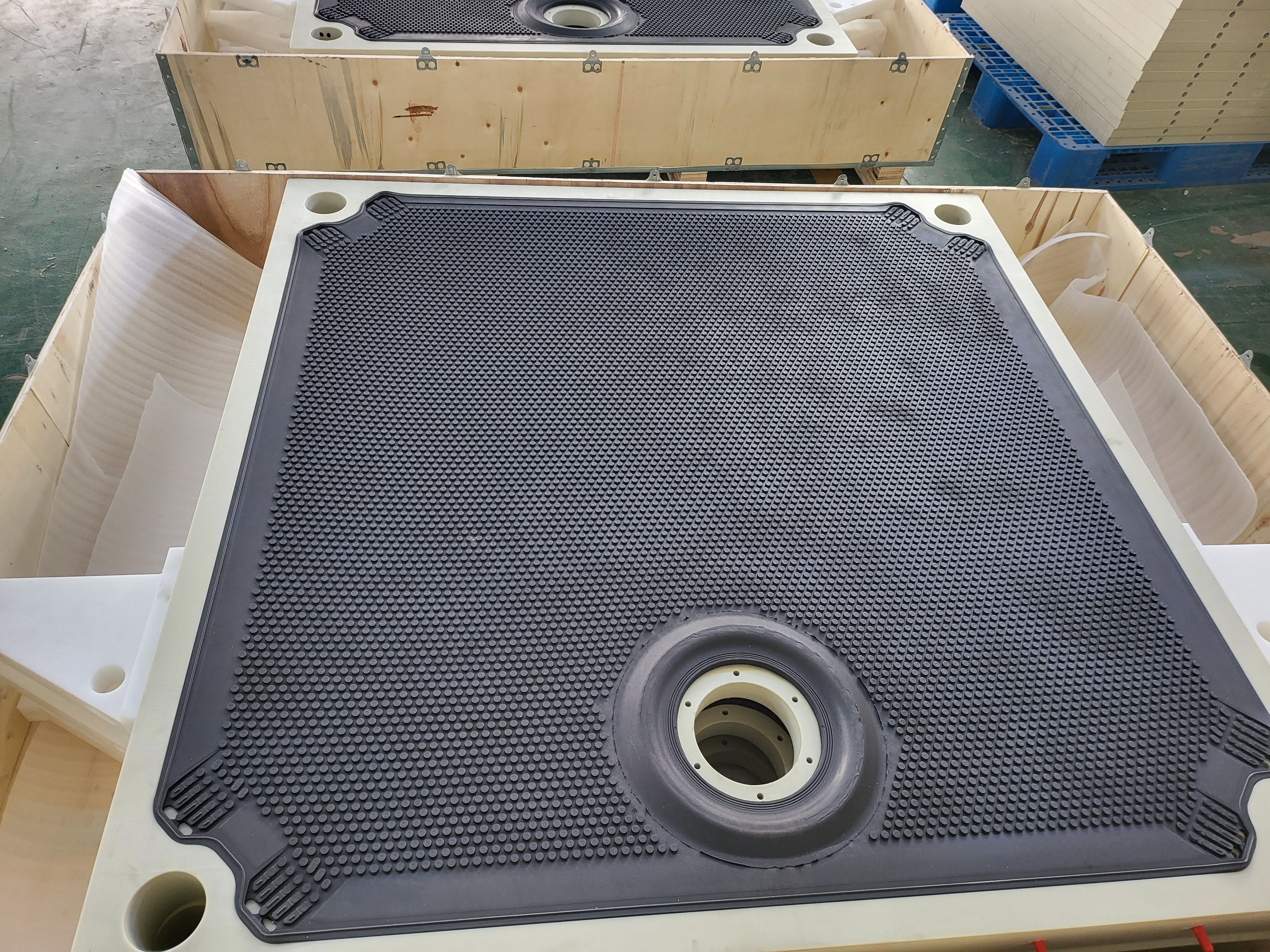
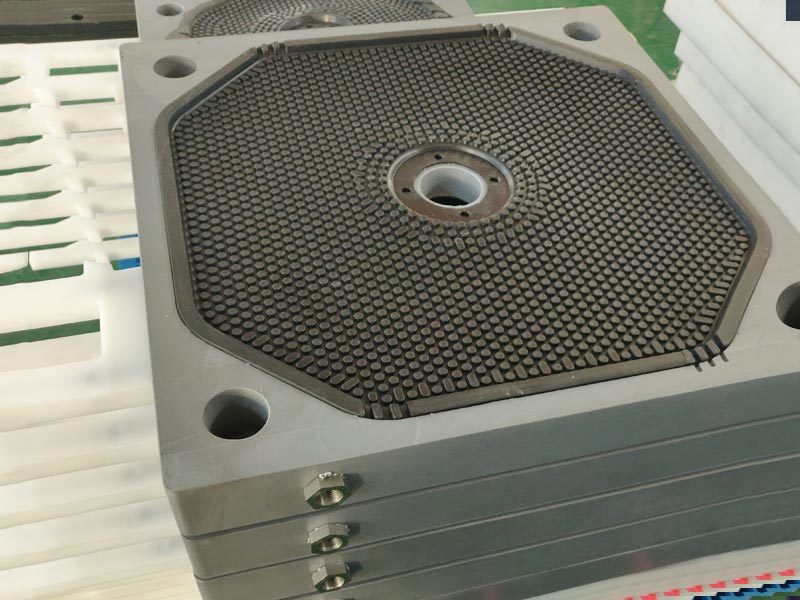
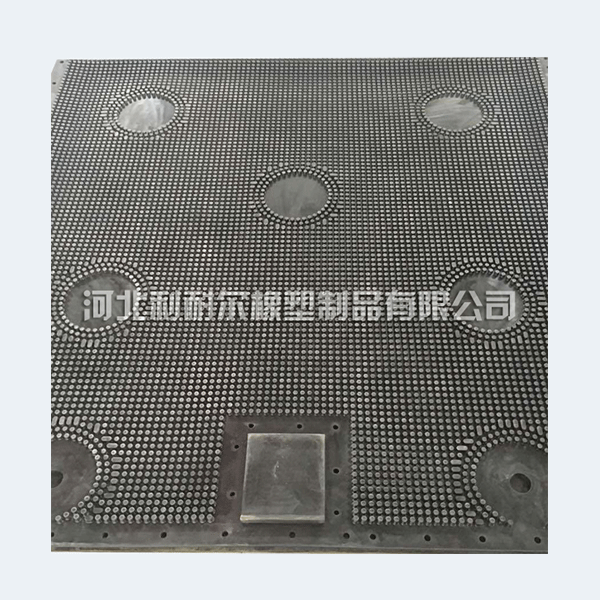
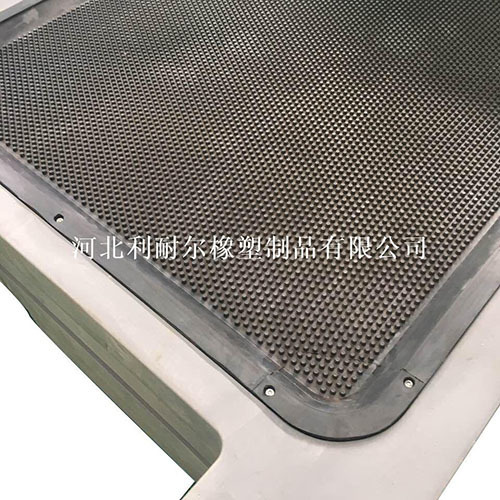
Quality rubber diaphragms, as the name suggests, are flexible membranes made from rubber materials. These diaphragms are designed to separate two different mediums or chambers while allowing the transfer of pressure or fluids between them. Their ability to maintain a seal and withstand different operating conditions makes them a preferred choice in numerous applications within the chemical industry.
2. Applications in the Chemical Industry:
Quality rubber diaphragms find extensive utilization in various chemical processes and equipment. They are commonly employed in pumps, valves, regulators, and control systems. Their primary function is to facilitate the transfer, control, and regulation of fluids or gases, ensuring precise and efficient operations. Additionally, rubber diaphragms are used in chemical dosing systems, chemical reactors, and filtration units, enabling accurate and reliable measurements and operations.
3. Advantages:
Quality rubber diaphragms offer several advantages that contribute to their widespread use in the chemical industry. Firstly, they provide excellent resistance to chemical corrosion, making them suitable for handling various aggressive chemicals. Secondly, these diaphragms offer high flexibility, allowing them to adapt to different pressure differentials and operating conditions. Furthermore, rubber diaphragms exhibit exceptional durability, ensuring extended service life and reducing the need for frequent replacements.
4. Manufacturing Process:
The manufacturing of quality rubber diaphragms involves several steps to ensure their quality and performance. It typically begins with selecting the appropriate rubber material, such as natural rubber or synthetic elastomers like nitrile rubber or silicone rubber, based on the application requirements. The chosen rubber is then compounded with additives to enhance its properties, including resistance to chemicals, temperature, and wear. The compounded rubber is then processed through molding or extrusion techniques to form the desired diaphragm shape. Post-processing treatments like curing and surface finishing ensure the diaphragms meet the necessary specifications and standards.
5. Maintenance and Replacement:
Proper maintenance of quality rubber diaphragms is crucial to their longevity and efficient operation. Regular inspection for signs of wear, damage, or chemical degradation is necessary to identify potential issues. Replacement of worn-out or damaged diaphragms should be carried out promptly to prevent leaks or system failures. Consulting the equipment manufacturer's guidelines and recommendations can help ensure the correct maintenance practices are followed.
Conclusion:
Quality rubber diaphragms are indispensable components in the chemical industry, serving critical roles in various processes and equipment. Their ability to withstand chemical corrosion, flexibility, and durability make them the preferred choice for applications requiring precise fluid or gas control. By understanding the characteristics, applications, and manufacturing processes of rubber diaphragms, professionals in the chemical industry can make informed decisions about their usage, contributing to efficient and reliable operations.
Related News