
-
AboutHebei Linaier Rubber Products Co., Ltd. is located in Duqiao Industrial Zone, Jingxian City, Hebei Province, adjacent to Dezhou, Shandong. Founded in early 2001 with a registered capital of 35 million yuan, it is a scientific

-
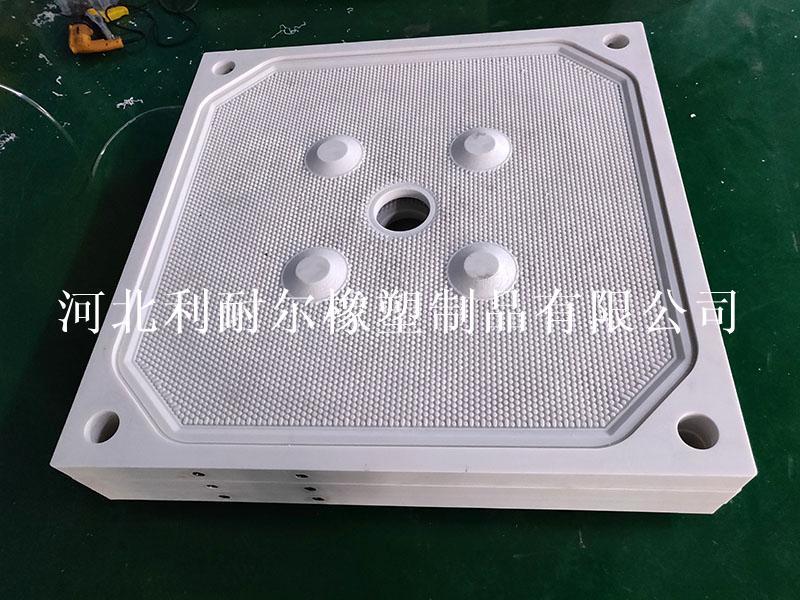
ProductMain products: vertical and horizontal imported and domestic filter plates, diaphragm plates, diaphragms and accessories; pinch valve sleeves and pinch valves and various mining accessories.
-
NewsIn 2013, our company's high-pressure cylinder with phenolic cloth support and guide ring obtained the national key new product certificate, project number: 2013GRA20011; its products in coal cylinders and engineering hydrauli
-
ServiceWe will actively cooperate with more enthusiasm, strengthen internal management, expand the market externally, improve various performance indicators of existing products, and truly achieve our win-win situation!
-
RecruitmentOur company always adheres to the talent concept of "people-oriented", provides a growth platform for talents, and realizes the common growth and development of enterprises and talents.


 Esperanto
 Shqiptare
 Euskara
 Zulu
Zulu
 Latinus
 Cymraeg
 தமிழ்
தமிழ்
 Slovak
 Slovak
 Afrikaans

Everything You Need to Know About Rubber Diaphragms in the Chemical Industry
Release time:
2023-09-04
The rubber diaphragms play a crucial role in the chemical industry, particularly in the manufacturing of various rubber products.
Introduction:
The rubber diaphragms play a crucial role in the chemical industry, particularly in the manufacturing of various rubber products. In this article, we will delve into the world of rubber diaphragms, exploring their uses, benefits, and applications in the chemical industry.
1. What are Rubber Diaphragms?
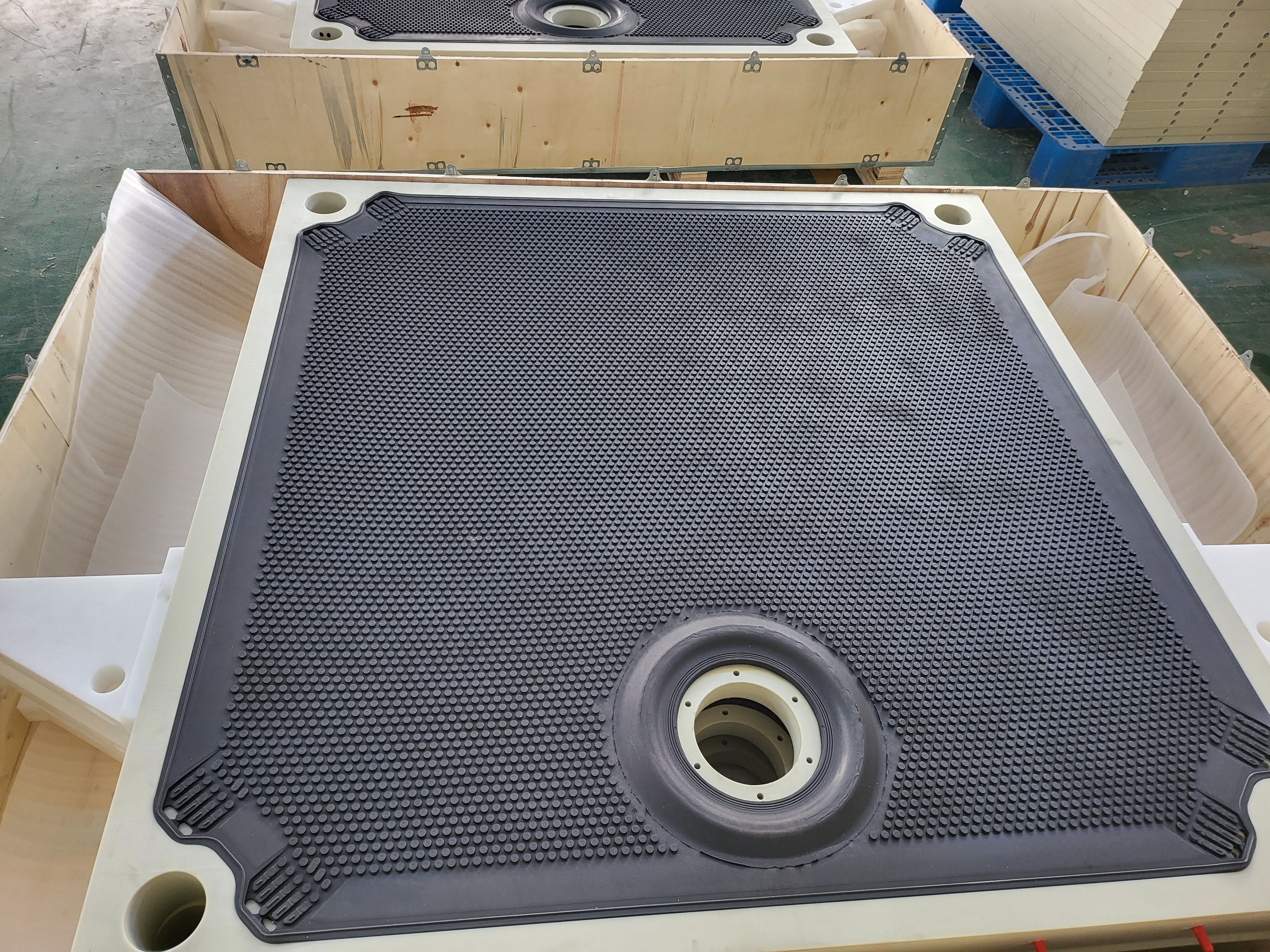
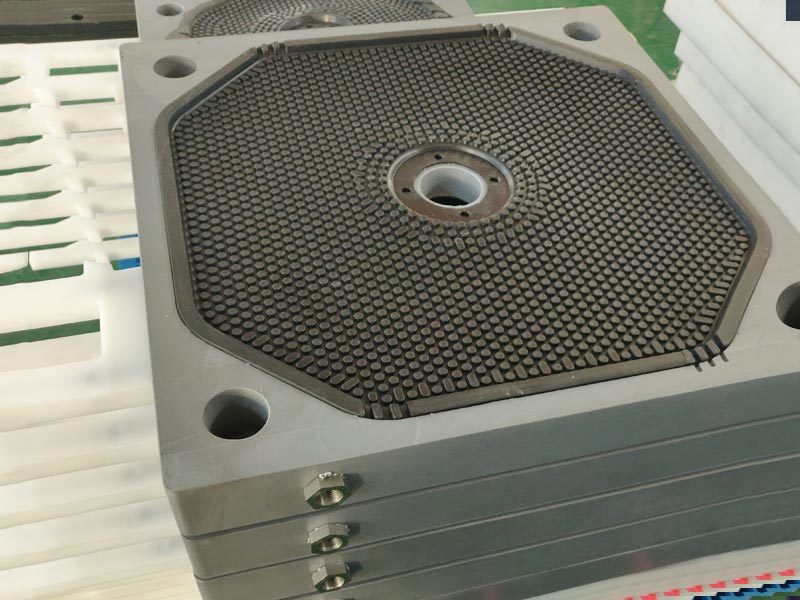
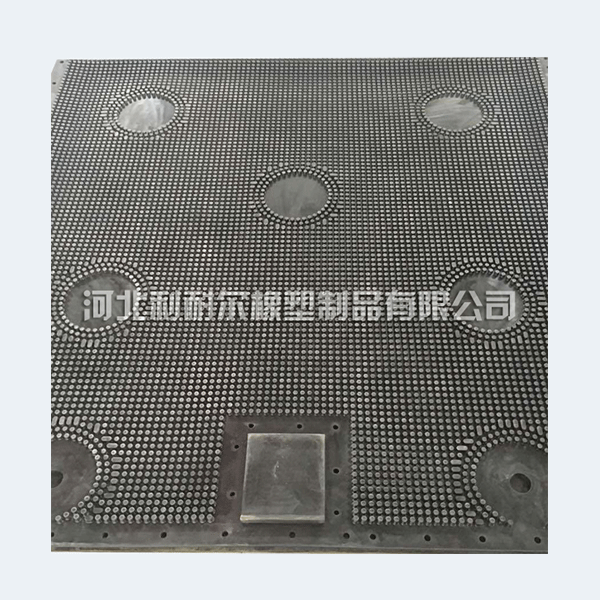
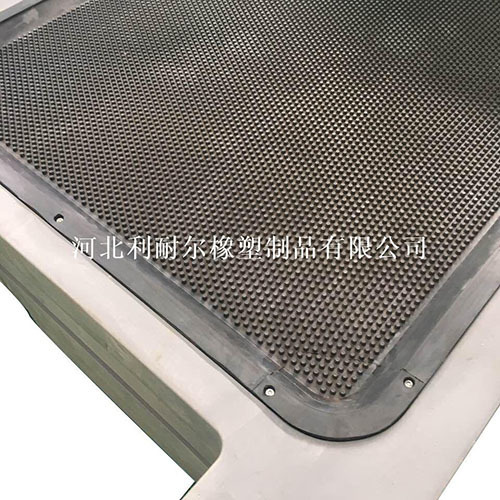
Rubber diaphragms are flexible, durable, and versatile components made from various types of rubber. They are designed to act as a barrier or a separator between different substances. These diaphragms are commonly used in pumps, valves, actuators, and control devices, ensuring smooth and precise operations.
2. Applications in the Chemical Industry
Rubber diaphragms find extensive use in the chemical industry, specifically in the manufacturing of pumps and valves. They are highly resistant to chemicals, making them ideal for handling corrosive materials, acids, and solvents. Additionally, rubber diaphragms are used in pressure regulators, control valves, and other critical equipment, enabling accurate and efficient control of various processes.
3. Benefits of Rubber Diaphragms
Rubber diaphragms offer several advantages that make them indispensable in the chemical industry. Firstly, their flexibility allows for effective sealing and prevents leakage, ensuring the safe handling of hazardous substances. Secondly, they have excellent resistance to temperature variations, making them suitable for both high and low-temperature applications. Furthermore, rubber diaphragms are known for their durability, longevity, and resistance to wear and tear, guaranteeing a longer service life and reduced maintenance costs.
4. Types of Rubber Used
Different types of rubber materials are utilized in the production of rubber diaphragms, depending on the specific requirements of the application. Commonly used rubbers include natural rubber, neoprene, EPDM (Ethylene Propylene Diene Monomer), silicone, and fluorocarbon rubber. Each type offers unique properties such as chemical resistance, temperature resistance, and elasticity, ensuring optimal performance in diverse chemical processes.
5. Considerations for Using Rubber Diaphragms
When selecting rubber diaphragms for chemical applications, several factors should be considered. These include compatibility with the chemicals involved, temperature ranges, pressure requirements, and the lifespan of the diaphragm. Consulting with experts or manufacturers is advisable to ensure the right diaphragm material is chosen for optimal performance and longevity.
Conclusion:
Rubber diaphragms play a vital role in the chemical industry, functioning as key components in pumps, valves, and control devices. Their chemical resistance, flexibility, and durability make them a popular choice for handling corrosive materials and maintaining precise control in various chemical processes. By understanding the uses, benefits, and considerations associated with rubber diaphragms, industries can make informed decisions for enhanced productivity and safety.
Related News