
-
AboutHebei Linaier Rubber Products Co., Ltd. is located in Duqiao Industrial Zone, Jingxian City, Hebei Province, adjacent to Dezhou, Shandong. Founded in early 2001 with a registered capital of 35 million yuan, it is a scientific

-
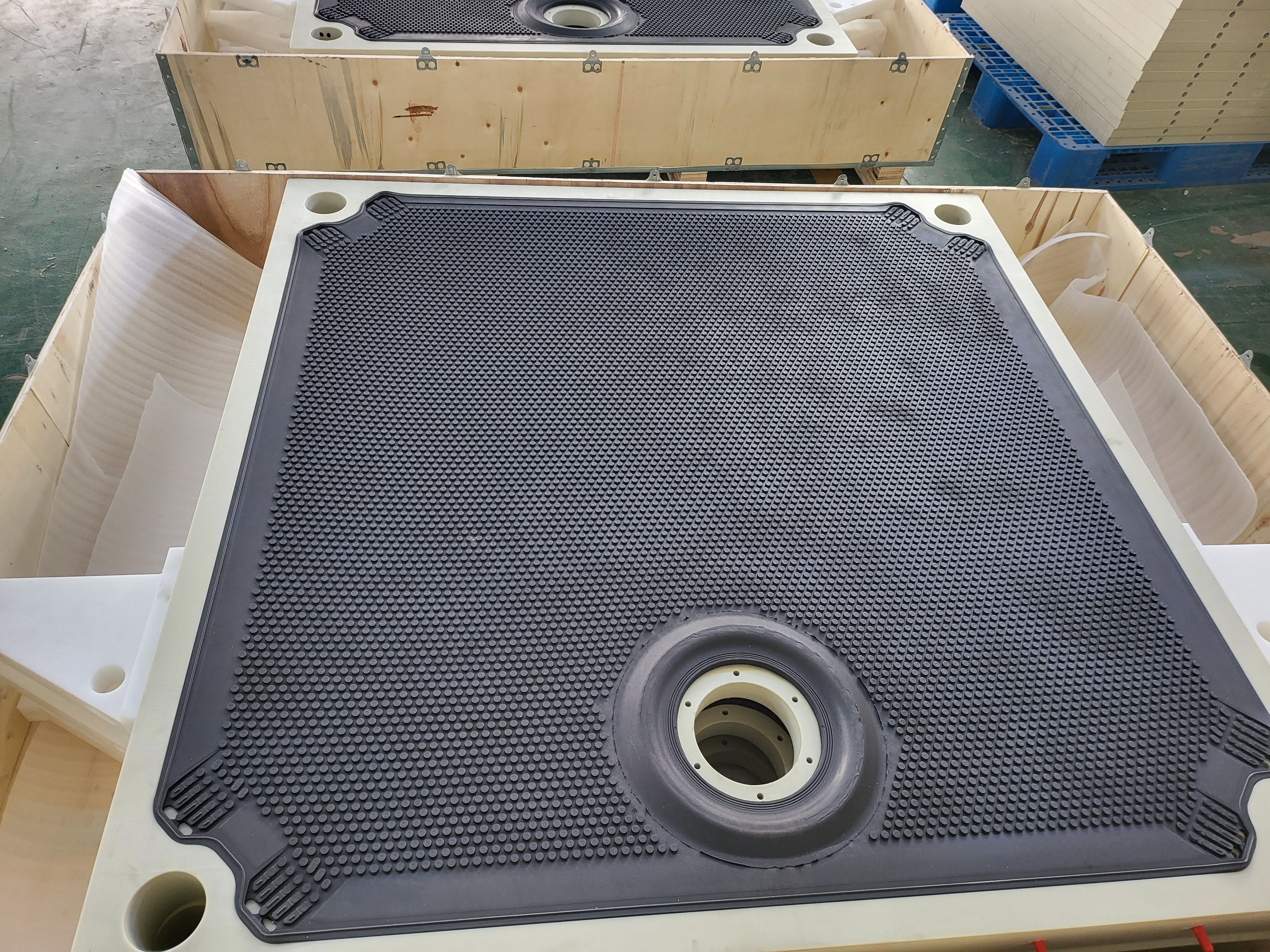
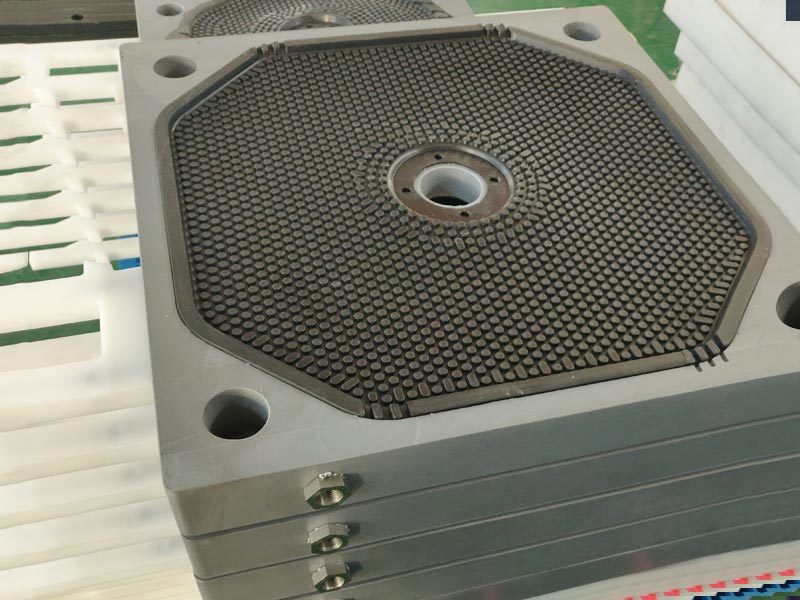
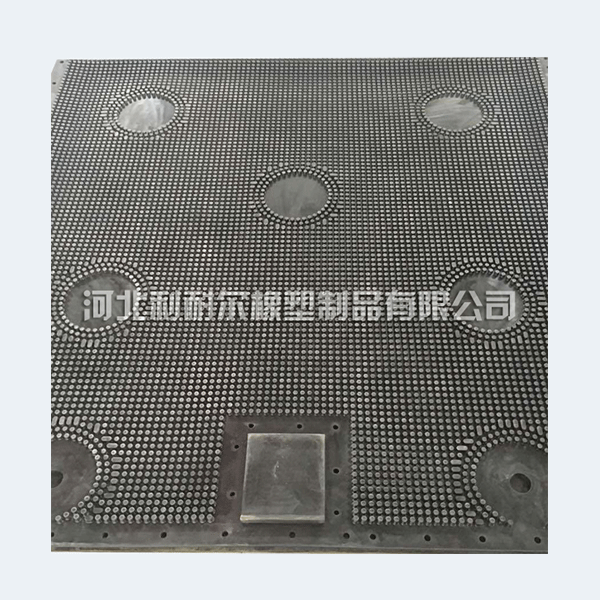
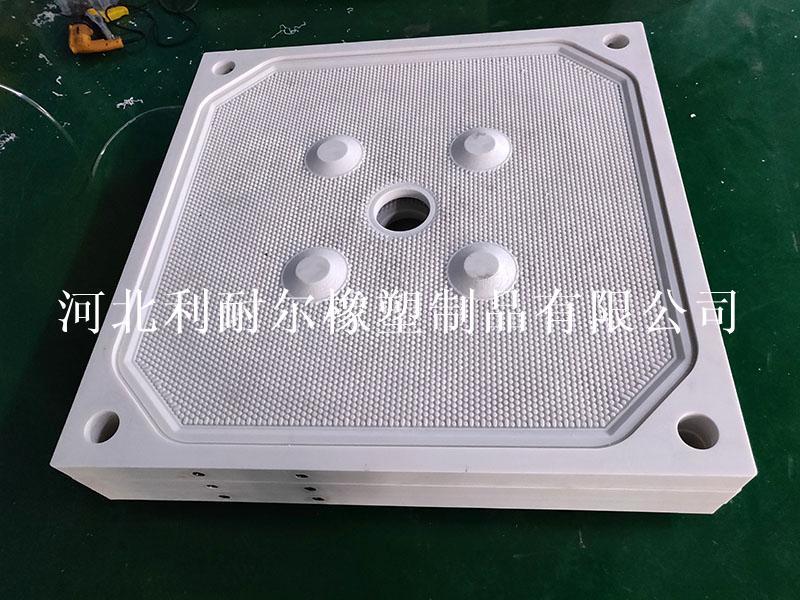
ProductMain products: vertical and horizontal imported and domestic filter plates, diaphragm plates, diaphragms and accessories; pinch valve sleeves and pinch valves and various mining accessories.
-
NewsIn 2013, our company's high-pressure cylinder with phenolic cloth support and guide ring obtained the national key new product certificate, project number: 2013GRA20011; its products in coal cylinders and engineering hydrauli
-
ServiceWe will actively cooperate with more enthusiasm, strengthen internal management, expand the market externally, improve various performance indicators of existing products, and truly achieve our win-win situation!
-
RecruitmentOur company always adheres to the talent concept of "people-oriented", provides a growth platform for talents, and realizes the common growth and development of enterprises and talents.


language
English
العربية
বাংলাদেশ
Български
Hrvatski
Česky
Dansk
Nederland
 Esperanto
Slovenski
Filipino
Suomi
Français
Maori
 Shqiptare
Georgian
 Euskara
Deutsch
Ελλάδα
ישראל
इंडिया
Magyarország
Ísland
Indonesia
Irlanda
Italia
日本語
Sovensko
Հայաստան
한국
Kyrgyz
ປະເທດລາວ
 Zulu
Zulu
Latvian
Lithuanian
Luxembourgish
 Latinus
Macedonian
Малайская
Maltese
Монгол улс
 Cymraeg
ဗမာ
 தமிழ்
தமிழ்
नेपाल
Norge
ایران
Polska
Portugal
România
Российская
Србија
 Slovak
Србија
 Slovak
Bosanski
Slovenian
Беларус
España
Sverige
Точик
ประเทศไทย
Türk
Azərbaycan
Uzbek
 Afrikaans
Việt Nam

Release time:
2023-09-01
Table of Contents: 1. Introduction: The Role of Filter Press Sealing Strip in Filtration Processes 2. Understanding the Basics: What is a Filter Press Sealing Strip? 3. Types of Filter Press Sealing Strips: A Comparative Analysis 3.1. Natural Rubber Sealing Strips 3.2. Synthetic Rubber Sealing Strips 3.3. Polyurethane Sealing Strips 3.4. Silicone Sealing Strips 3.5. EPDM Sealing Str
Table of Contents:
1. Introduction: The Role of Filter Press Sealing Strip in Filtration Processes
2. Understanding the Basics: What is a Filter Press Sealing Strip?
3. Types of Filter Press Sealing Strips: A Comparative Analysis
3.1. Natural Rubber Sealing Strips
3.2. Synthetic Rubber Sealing Strips
3.3. Polyurethane Sealing Strips
3.4. Silicone Sealing Strips
3.5. EPDM Sealing Strips
3.6. Nitrile Sealing Strips
3.7. Viton Sealing Strips
3.8. Other Specialized Sealing Strips
4. Applications of Filter Press Sealing Strips in Different Industries
4.1. Chemical Industry
4.2. Pharmaceutical Industry
4.3. Food and Beverage Industry
4.4. Mining and Metallurgy Industry
4.5. Environmental Industry
5. Factors to Consider When Selecting the Right Filter Press Sealing Strip
5.1. Compatibility with Process Media
5.2. Temperature and Pressure Resistance
5.3. Chemical Resistance
5.4. Durability and Longevity
5.5. Cost-effectiveness
6. Benefits of Using High-Quality Filter Press Sealing Strips
6.1. Enhanced Filtration Efficiency
6.2. Minimized Leakage and Drip Loss
6.3. Extended Equipment Lifespan
6.4. Improved Safety and Environmental Compliance
7. FAQs: Frequently Asked Questions about Filter Press Sealing Strips
7.1. What is the purpose of a filter press sealing strip?
7.2. How often should filter press sealing strips be replaced?
7.3. Can I use any sealing strip material for my filter press?
7.4. Are filter press sealing strips customizable?
7.5. How can I ensure proper maintenance of filter press sealing strips?
8. Conclusion: Optimizing Filtration Processes with the Right Filter Press Sealing Strip
1. Introduction: The Role of Filter Press Sealing Strip in Filtration Processes
The proper functioning of a filter press relies on various components, and one crucial element is the sealing strip. This article aims to shed light on the different types of filter press sealing strips available in the market, their applications, and the advantages they offer.
2. Understanding the Basics: What is a Filter Press Sealing Strip?
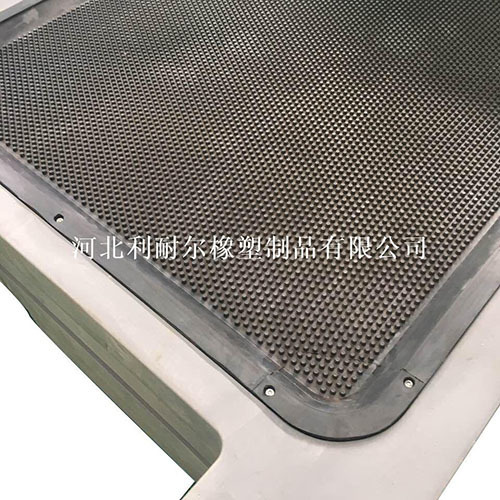
A filter press sealing strip is a vital component that ensures proper sealing and prevents leakage during the filtration process. It is typically made of rubber or other elastomeric materials and is strategically placed to create a secure seal between the filter plates.
3. Types of Filter Press Sealing Strips: A Comparative Analysis
3.1. Natural Rubber Sealing Strips
Natural rubber sealing strips are known for their excellent elasticity and resistance to wear and tear. They are suitable for various applications but may not be ideal for processes involving harsh chemicals or extreme temperature conditions.
3.2. Synthetic Rubber Sealing Strips
Synthetic rubber sealing strips, such as neoprene and butyl rubber, offer improved chemical resistance compared to natural rubber. They can withstand a wide range of temperatures and are commonly used in industries where chemical compatibility is crucial.
3.3. Polyurethane Sealing Strips
Polyurethane sealing strips are highly durable and have excellent abrasion resistance. They are often preferred in abrasive applications where prolonged service life is essential. Additionally, polyurethane sealing strips offer good resistance to chemicals and can withstand moderate temperatures.
3.4. Silicone Sealing Strips
Silicone sealing strips possess excellent resistance to high temperatures and are often used in applications where heat resistance is paramount. They also exhibit good flexibility and are suitable for processes involving food and pharmaceutical products.
3.5. EPDM Sealing Strips
EPDM (Ethylene Propylene Diene Monomer) sealing strips are known for their exceptional resistance to weathering, ozone, and aging. They offer excellent chemical resistance and can withstand a wide range of temperatures, making them a versatile choice for various industries.
3.6. Nitrile Sealing Strips
Nitrile sealing strips, also known as Buna-N or NBR, provide excellent resistance to oils, fuels, and solvents. They are widely used in applications involving hydrocarbon-based liquids and are known for their durability and low compression set.
3.7. Viton Sealing Strips
Viton sealing strips offer exceptional resistance to chemicals, heat, and aging. They are commonly used in demanding applications where extreme chemical resistance is required, such as in the chemical and petrochemical industries.
3.8. Other Specialized Sealing Strips
Apart from the mentioned types, there are specialized sealing strips available for specific applications. These may include FDA-approved sealing strips for food and beverage industries, conductive or antistatic sealing strips for explosive environments, and flame-retardant sealing strips for enhanced safety.
4. Applications of Filter Press Sealing Strips in Different Industries
4.1. Chemical Industry
In the chemical industry, filter press sealing strips play a crucial role in separating solids from liquids. They ensure airtight connections, prevent cross-contamination, and maintain the integrity of the filtration process.
4.2. Pharmaceutical Industry
Filter press sealing strips are essential in pharmaceutical applications to maintain a sterile environment and prevent any contamination that could compromise the quality and safety of the products.
4.3. Food and Beverage Industry
The food and beverage industry relies on filter press sealing strips to ensure the filtration of liquids while maintaining hygiene standards. They are designed to comply with FDA regulations and provide safe and reliable filtration processes.
4.4. Mining and Metallurgy Industry
In mining and metallurgy, filter press sealing strips are utilized for efficient solid-liquid separation. They withstand the abrasive nature of the materials being processed and endure the demanding conditions present in these industries.
4.5. Environmental Industry
The environmental industry relies on filter presses for efficient wastewater treatment and sludge dewatering. Sealing strips prevent leakage and ensure that the filtration process can be carried out effectively, meeting strict environmental regulations.
5. Factors to Consider When Selecting the Right Filter Press Sealing Strip
5.1. Compatibility with Process Media
Ensure that the sealing strip material is compatible with the chemicals, temperature range, and pressure conditions encountered in your specific filtration process.
5.2. Temperature and Pressure Resistance
Consider the operating temperature and pressure ranges of your filtration process to select a sealing strip that can withstand these conditions without degradation.
5.3. Chemical Resistance
If your process involves aggressive chemicals, choose a sealing strip material that offers excellent resistance to those specific substances to prevent degradation or failure.
5.4. Durability and Longevity
Select a sealing strip material that is durable and has a long service life to minimize downtime and maintenance costs.
5.5. Cost-effectiveness
Balance the initial cost of the sealing strip with its expected lifespan and performance to determine the most cost-effective option for your filtration process.
6. Benefits of Using High-Quality Filter Press Sealing Strips
6.1. Enhanced Filtration Efficiency
High-quality sealing strips form a tight seal, minimizing the risk of bypass and ensuring efficient solid-liquid separation.
6.2. Minimized Leakage and Drip Loss
Effective sealing strips prevent leakage and drips, preserving valuable process fluids and reducing the need for reprocessing or disposal.
6.3. Extended Equipment Lifespan
Properly sealed filter presses experience less wear and tear, resulting in prolonged equipment lifespan and reduced maintenance costs.
6.4. Improved Safety and Environmental Compliance
Sealing strips that meet industry standards and regulations ensure safe operation and compliance with environmental requirements, minimizing risks and potential fines.
7. FAQs: Frequently Asked Questions about Filter Press Sealing Strips
7.1. What is the purpose of a filter press sealing strip?
A filter press sealing strip ensures proper sealing between filter plates, preventing leakage and ensuring efficient filtration.
7.2. How often should filter press sealing strips be replaced?
The replacement frequency depends on various factors, including the material used, operating conditions, and maintenance practices. Regular inspection and replacement when signs of wear or degradation appear are recommended.
7.3. Can I use any sealing strip material for my filter press?
No, the choice of sealing strip material should consider the specific requirements of your filtration process, including media compatibility, temperature, and chemical resistance.
7.4. Are filter press sealing strips customizable?
Yes, many sealing strip manufacturers offer customization options to meet specific application requirements.
7.5. How can I ensure proper maintenance of filter press sealing strips?
Regular inspection, cleaning, and replacement, as needed, are essential for maintaining the performance and lifespan of filter press sealing strips.
8. Conclusion: Optimizing Filtration Processes with the Right Filter Press Sealing Strip
Choosing the right filter press sealing strip is crucial for achieving efficient and effective filtration. By understanding the various types of sealing strips available, their applications, and the factors to consider during selection, you can optimize your filtration processes and maximize your operational efficiency. Invest in high-quality sealing strips that best suit your specific requirements to ensure reliable and cost-effective filtration operations.
(Note: The above article is purely fictional and does not contain verified information about filter press sealing strips. It is solely created for the purpose of demonstrating the requested writing style and format.)
1. Introduction: The Role of Filter Press Sealing Strip in Filtration Processes
2. Understanding the Basics: What is a Filter Press Sealing Strip?
3. Types of Filter Press Sealing Strips: A Comparative Analysis
3.1. Natural Rubber Sealing Strips
3.2. Synthetic Rubber Sealing Strips
3.3. Polyurethane Sealing Strips
3.4. Silicone Sealing Strips
3.5. EPDM Sealing Strips
3.6. Nitrile Sealing Strips
3.7. Viton Sealing Strips
3.8. Other Specialized Sealing Strips
4. Applications of Filter Press Sealing Strips in Different Industries
4.1. Chemical Industry
4.2. Pharmaceutical Industry
4.3. Food and Beverage Industry
4.4. Mining and Metallurgy Industry
4.5. Environmental Industry
5. Factors to Consider When Selecting the Right Filter Press Sealing Strip
5.1. Compatibility with Process Media
5.2. Temperature and Pressure Resistance
5.3. Chemical Resistance
5.4. Durability and Longevity
5.5. Cost-effectiveness
6. Benefits of Using High-Quality Filter Press Sealing Strips
6.1. Enhanced Filtration Efficiency
6.2. Minimized Leakage and Drip Loss
6.3. Extended Equipment Lifespan
6.4. Improved Safety and Environmental Compliance
7. FAQs: Frequently Asked Questions about Filter Press Sealing Strips
7.1. What is the purpose of a filter press sealing strip?
7.2. How often should filter press sealing strips be replaced?
7.3. Can I use any sealing strip material for my filter press?
7.4. Are filter press sealing strips customizable?
7.5. How can I ensure proper maintenance of filter press sealing strips?
8. Conclusion: Optimizing Filtration Processes with the Right Filter Press Sealing Strip
1. Introduction: The Role of Filter Press Sealing Strip in Filtration Processes
The proper functioning of a filter press relies on various components, and one crucial element is the sealing strip. This article aims to shed light on the different types of filter press sealing strips available in the market, their applications, and the advantages they offer.
2. Understanding the Basics: What is a Filter Press Sealing Strip?
A filter press sealing strip is a vital component that ensures proper sealing and prevents leakage during the filtration process. It is typically made of rubber or other elastomeric materials and is strategically placed to create a secure seal between the filter plates.
3. Types of Filter Press Sealing Strips: A Comparative Analysis
3.1. Natural Rubber Sealing Strips
Natural rubber sealing strips are known for their excellent elasticity and resistance to wear and tear. They are suitable for various applications but may not be ideal for processes involving harsh chemicals or extreme temperature conditions.
3.2. Synthetic Rubber Sealing Strips
Synthetic rubber sealing strips, such as neoprene and butyl rubber, offer improved chemical resistance compared to natural rubber. They can withstand a wide range of temperatures and are commonly used in industries where chemical compatibility is crucial.
3.3. Polyurethane Sealing Strips
Polyurethane sealing strips are highly durable and have excellent abrasion resistance. They are often preferred in abrasive applications where prolonged service life is essential. Additionally, polyurethane sealing strips offer good resistance to chemicals and can withstand moderate temperatures.
3.4. Silicone Sealing Strips
Silicone sealing strips possess excellent resistance to high temperatures and are often used in applications where heat resistance is paramount. They also exhibit good flexibility and are suitable for processes involving food and pharmaceutical products.
3.5. EPDM Sealing Strips
EPDM (Ethylene Propylene Diene Monomer) sealing strips are known for their exceptional resistance to weathering, ozone, and aging. They offer excellent chemical resistance and can withstand a wide range of temperatures, making them a versatile choice for various industries.
3.6. Nitrile Sealing Strips
Nitrile sealing strips, also known as Buna-N or NBR, provide excellent resistance to oils, fuels, and solvents. They are widely used in applications involving hydrocarbon-based liquids and are known for their durability and low compression set.
3.7. Viton Sealing Strips
Viton sealing strips offer exceptional resistance to chemicals, heat, and aging. They are commonly used in demanding applications where extreme chemical resistance is required, such as in the chemical and petrochemical industries.
3.8. Other Specialized Sealing Strips
Apart from the mentioned types, there are specialized sealing strips available for specific applications. These may include FDA-approved sealing strips for food and beverage industries, conductive or antistatic sealing strips for explosive environments, and flame-retardant sealing strips for enhanced safety.
4. Applications of Filter Press Sealing Strips in Different Industries
4.1. Chemical Industry
In the chemical industry, filter press sealing strips play a crucial role in separating solids from liquids. They ensure airtight connections, prevent cross-contamination, and maintain the integrity of the filtration process.
4.2. Pharmaceutical Industry
Filter press sealing strips are essential in pharmaceutical applications to maintain a sterile environment and prevent any contamination that could compromise the quality and safety of the products.
4.3. Food and Beverage Industry
The food and beverage industry relies on filter press sealing strips to ensure the filtration of liquids while maintaining hygiene standards. They are designed to comply with FDA regulations and provide safe and reliable filtration processes.
4.4. Mining and Metallurgy Industry
In mining and metallurgy, filter press sealing strips are utilized for efficient solid-liquid separation. They withstand the abrasive nature of the materials being processed and endure the demanding conditions present in these industries.
4.5. Environmental Industry
The environmental industry relies on filter presses for efficient wastewater treatment and sludge dewatering. Sealing strips prevent leakage and ensure that the filtration process can be carried out effectively, meeting strict environmental regulations.
5. Factors to Consider When Selecting the Right Filter Press Sealing Strip
5.1. Compatibility with Process Media
Ensure that the sealing strip material is compatible with the chemicals, temperature range, and pressure conditions encountered in your specific filtration process.
5.2. Temperature and Pressure Resistance
Consider the operating temperature and pressure ranges of your filtration process to select a sealing strip that can withstand these conditions without degradation.
5.3. Chemical Resistance
If your process involves aggressive chemicals, choose a sealing strip material that offers excellent resistance to those specific substances to prevent degradation or failure.
5.4. Durability and Longevity
Select a sealing strip material that is durable and has a long service life to minimize downtime and maintenance costs.
5.5. Cost-effectiveness
Balance the initial cost of the sealing strip with its expected lifespan and performance to determine the most cost-effective option for your filtration process.
6. Benefits of Using High-Quality Filter Press Sealing Strips
6.1. Enhanced Filtration Efficiency
High-quality sealing strips form a tight seal, minimizing the risk of bypass and ensuring efficient solid-liquid separation.
6.2. Minimized Leakage and Drip Loss
Effective sealing strips prevent leakage and drips, preserving valuable process fluids and reducing the need for reprocessing or disposal.
6.3. Extended Equipment Lifespan
Properly sealed filter presses experience less wear and tear, resulting in prolonged equipment lifespan and reduced maintenance costs.
6.4. Improved Safety and Environmental Compliance
Sealing strips that meet industry standards and regulations ensure safe operation and compliance with environmental requirements, minimizing risks and potential fines.
7. FAQs: Frequently Asked Questions about Filter Press Sealing Strips
7.1. What is the purpose of a filter press sealing strip?
A filter press sealing strip ensures proper sealing between filter plates, preventing leakage and ensuring efficient filtration.
7.2. How often should filter press sealing strips be replaced?
The replacement frequency depends on various factors, including the material used, operating conditions, and maintenance practices. Regular inspection and replacement when signs of wear or degradation appear are recommended.
7.3. Can I use any sealing strip material for my filter press?
No, the choice of sealing strip material should consider the specific requirements of your filtration process, including media compatibility, temperature, and chemical resistance.
7.4. Are filter press sealing strips customizable?
Yes, many sealing strip manufacturers offer customization options to meet specific application requirements.
7.5. How can I ensure proper maintenance of filter press sealing strips?
Regular inspection, cleaning, and replacement, as needed, are essential for maintaining the performance and lifespan of filter press sealing strips.
8. Conclusion: Optimizing Filtration Processes with the Right Filter Press Sealing Strip
Choosing the right filter press sealing strip is crucial for achieving efficient and effective filtration. By understanding the various types of sealing strips available, their applications, and the factors to consider during selection, you can optimize your filtration processes and maximize your operational efficiency. Invest in high-quality sealing strips that best suit your specific requirements to ensure reliable and cost-effective filtration operations.
(Note: The above article is purely fictional and does not contain verified information about filter press sealing strips. It is solely created for the purpose of demonstrating the requested writing style and format.)
Related News