
-
AboutHebei Linaier Rubber Products Co., Ltd. is located in Duqiao Industrial Zone, Jingxian City, Hebei Province, adjacent to Dezhou, Shandong. Founded in early 2001 with a registered capital of 35 million yuan, it is a scientific

-
ProductMain products: vertical and horizontal imported and domestic filter plates, diaphragm plates, diaphragms and accessories; pinch valve sleeves and pinch valves and various mining accessories.
-
NewsIn 2013, our company's high-pressure cylinder with phenolic cloth support and guide ring obtained the national key new product certificate, project number: 2013GRA20011; its products in coal cylinders and engineering hydrauli
-
ServiceWe will actively cooperate with more enthusiasm, strengthen internal management, expand the market externally, improve various performance indicators of existing products, and truly achieve our win-win situation!
-
RecruitmentOur company always adheres to the talent concept of "people-oriented", provides a growth platform for talents, and realizes the common growth and development of enterprises and talents.


language
English
العربية
বাংলাদেশ
Български
Hrvatski
Česky
Dansk
Nederland
 Esperanto
Slovenski
Filipino
Suomi
Français
Maori
 Shqiptare
Georgian
 Euskara
Deutsch
Ελλάδα
ישראל
इंडिया
Magyarország
Ísland
Indonesia
Irlanda
Italia
日本語
Sovensko
Հայաստան
한국
Kyrgyz
ປະເທດລາວ
 Zulu
Zulu
Latvian
Lithuanian
Luxembourgish
 Latinus
Macedonian
Малайская
Maltese
Монгол улс
 Cymraeg
ဗမာ
 தமிழ்
தமிழ்
नेपाल
Norge
ایران
Polska
Portugal
România
Российская
Србија
 Slovak
Србија
 Slovak
Bosanski
Slovenian
Беларус
España
Sverige
Точик
ประเทศไทย
Türk
Azərbaycan
Uzbek
 Afrikaans
Việt Nam

How Filter Plates Improve the Efficiency of Industrial Filtration Systems
Release time:
2023-08-27
Table of Contents: 1. Introduction: Understanding the Role of Filter Plates in Industrial Filtration Systems 2. The Functionality of Filter Plates: A Comprehensive Overview 3. Different Types of Filter Plates and Their Applications 4. The Advantages of Using Filter Plates in Industrial Filtration Systems 5. How Filter Plates Improve Efficiency and Optimize Performance 6. Maintenance Benefits of Fi
Table of Contents:
1. Introduction: Understanding the Role of Filter Plates in Industrial Filtration Systems
2. The Functionality of Filter Plates: A Comprehensive Overview
3. Different Types of Filter Plates and Their Applications
4. The Advantages of Using Filter Plates in Industrial Filtration Systems
5. How Filter Plates Improve Efficiency and Optimize Performance
6. Maintenance Benefits of Filter Plates in Industrial Filtration Systems
7. Frequently Asked Questions (FAQs) About Filter Plates and Industrial Filtration Systems
8. Conclusion: Harnessing the Power of Filter Plates for Enhanced Filtration Efficiency
Filter plates play a pivotal role in industrial filtration systems, enabling the separation of solids from liquids efficiently and effectively. By optimizing the filtration process, these essential components contribute to cleaner and more reliable results. In this article, we will delve into the functionality, types, advantages, and maintenance benefits of filter plates, revealing how they improve the efficiency of industrial filtration systems.
Filter plates are designed to provide a solid barrier that prevents solids from passing through while allowing the liquid to flow. They typically feature a series of cavities and filtration media, such as cloth or mesh, that capture and retain the solid particles during the filtration process. The combination of the filter plate's structure and the filtration media ensures efficient separation and optimal filtration.
Filter plates are commonly constructed from durable materials like polypropylene, stainless steel, or cast iron. Polypropylene offers excellent chemical resistance and is widely used in various industries. Stainless steel filter plates are preferred for applications that involve high temperatures or corrosive substances. Cast iron filter plates are known for their robustness and are suitable for heavy-duty filtration processes.
The choice of filtration media depends on the specific application and the type of particles being filtered. Filter plates may feature cloth, mesh, or membrane materials. Cloth media is ideal for solid-liquid separation, while mesh media is suitable for finer particle filtration. Membrane media offers superior particle retention and is commonly used in demanding filtration processes.
Filter plates come in various types, each designed to cater to specific filtration needs. Understanding the different types of filter plates and their applications is crucial for selecting the most suitable option for your industrial filtration system.
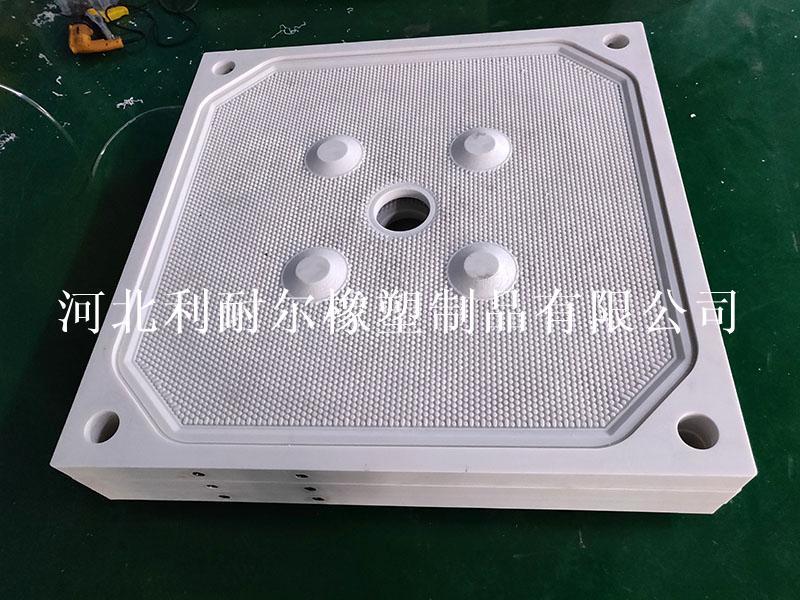
Recessed chamber filter plates are widely used in applications that involve high cake solids concentration. These plates feature a recessed cavity that allows the solids to accumulate, forming a cake. The recessed design ensures uniform cake formation and efficient filtrate drainage, leading to enhanced filtration efficiency.
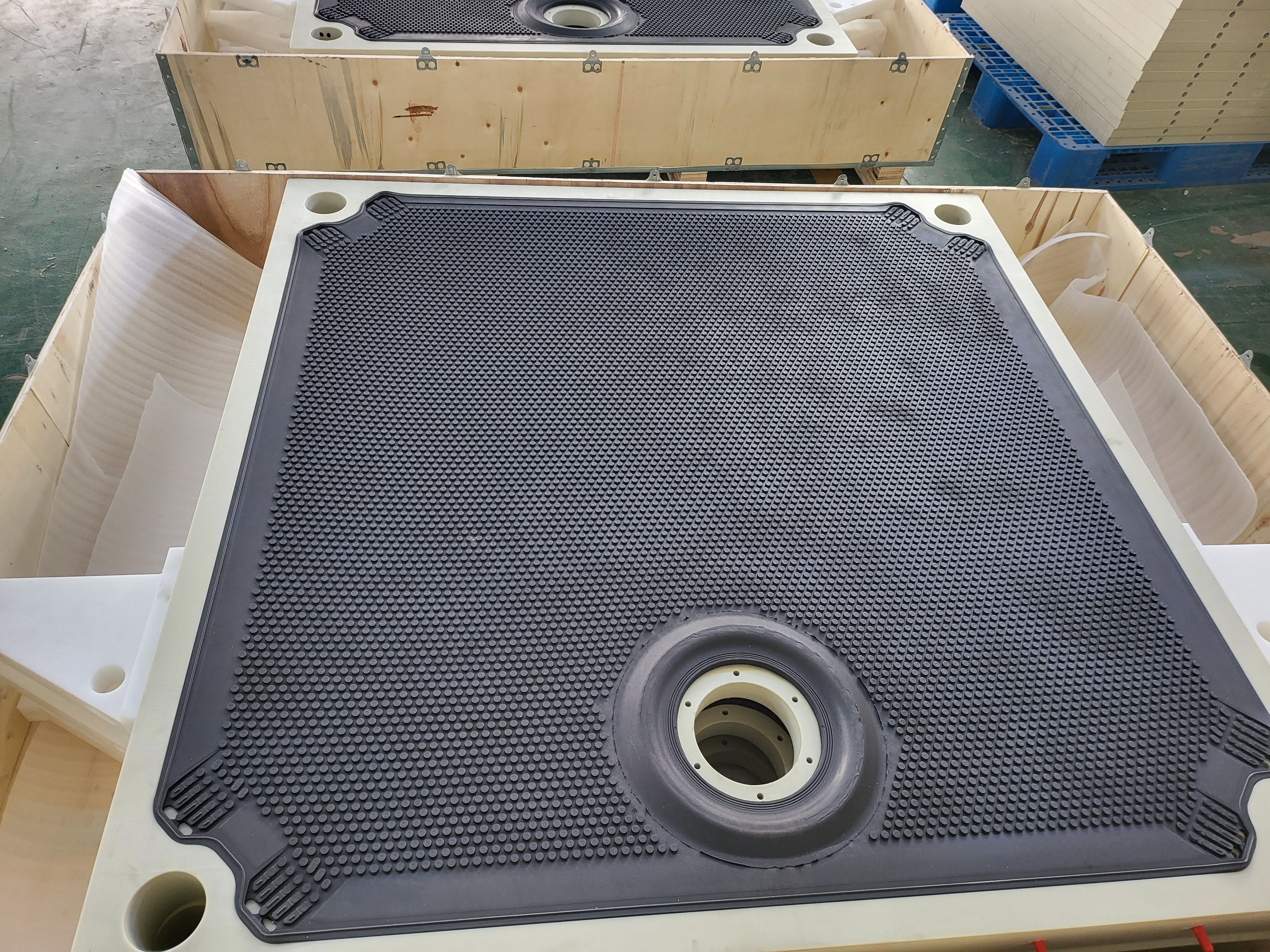
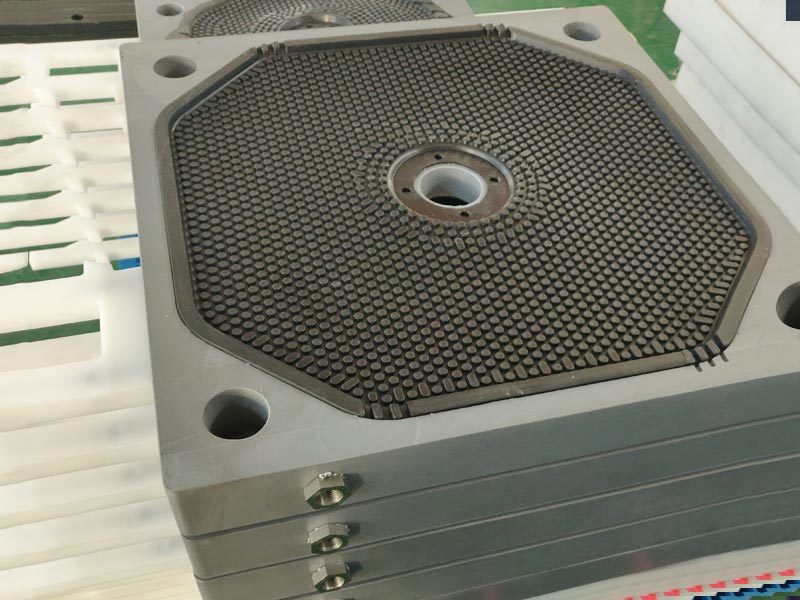
Membrane filter plates incorporate a diaphragm that expands and contracts during the filtration process. This expansion and contraction enhance the cake release, resulting in improved filtration rates and drier cakes. These plates are commonly utilized in industries where maximum cake dryness is crucial, such as the chemical and pharmaceutical sectors.
Plate and frame filter plates consist of a series of alternating plates and frames. The frames hold the filter media, while the plates provide support. This design allows for easy maintenance and replacement of the filter media. These plates are suitable for applications that involve frequent media changes or require flexibility in the filtration process.
Utilizing filter plates in industrial filtration systems offers numerous advantages that contribute to overall efficiency and productivity. Let's explore some of the significant benefits:
Filter plates maximize filtration efficiency by providing a larger filtration area and optimizing cake formation. The uniform cake layer ensures consistent filtration performance, resulting in cleaner filtrate and reduced solid waste. This leads to cost savings and improved process reliability.
The design and functionality of filter plates enable precise control over the filtration process. By selecting the appropriate filter plate type and media, operators can tailor the filtration system to meet specific requirements, such as particle size distribution, flow rate, and cake dryness. This level of customization ensures optimal filtration performance and process optimization.
Filter plates are designed for easy installation, removal, and maintenance. The modular nature of these plates allows quick replacement or addition of plates, minimizing downtime during filtration system maintenance. Additionally, their robust construction and resistant materials promote longevity, reducing the need for frequent replacements.
Filter plates significantly contribute to the efficiency and performance of industrial filtration systems through various mechanisms:
Filter plates provide a larger surface area for filtration, allowing for higher liquid throughput and more efficient solid-liquid separation. This increased filtration area translates into improved flow rates and reduced filtration cycle times.
The design of filter plates ensures uniform cake formation across the entire surface area, promoting consistent filtration performance. This uniformity prevents channeling, uneven filtration, and incomplete cake formation, resulting in better-quality filtrate and optimized filter cake characteristics.
Filter plates feature strategically positioned drainage channels that facilitate the proper and efficient drainage of filtrate. This design prevents filter cakes from becoming excessively wet and helps maintain optimal filtration rates throughout the process.
Filter plates offer maintenance benefits that contribute to the overall reliability and longevity of industrial filtration systems:
Filter plates are designed for easy cleaning and replacement, reducing downtime during maintenance operations. Their modular construction allows for swift removal and insertion of plates, ensuring minimal disruption to the filtration process.
Filter plates constructed from materials like polypropylene or stainless steel offer excellent chemical resistance, enabling their use in various industrial applications. This resistance ensures prolonged plate life, even when exposed to corrosive substances.
The durability of filter plates, especially those made from cast iron or stainless steel, ensures their longevity and resistance to wear and tear. This robust construction minimizes the need for frequent replacements, reducing maintenance costs and downtime.
Filter plate lifespan varies depending on factors such as the operating conditions, frequency of use, and maintenance practices. However, with proper care and regular maintenance, filter plates can last for several years.
Yes, filter plates can be customized to accommodate specific filtration needs. By selecting the appropriate plate type, material, and media, industrial filtration systems can be tailored to achieve optimal filtration performance.
The frequency of filter plate replacement or cleaning depends on the specific application and operational conditions. As a general guideline, regular inspections and cleaning should be performed to maintain optimal performance and prevent clogging or reduced filtration efficiency.
Yes, filter plates can be retrofitted into existing filtration systems, provided the necessary modifications are made to accommodate their installation. This allows for the upgrading of older systems to improve filtration efficiency and performance.
Yes, filter plates are available in various sizes and configurations, making them suitable for both small and large-scale industrial filtration systems. Manufacturers offer a range of options to cater to different volumes and specifications.
Filter plates are indispensable components in industrial filtration systems, offering significant benefits in terms of efficiency, performance, and maintenance. By utilizing the appropriate filter plate type, material, and media, industrial processes can achieve optimal filtration results and enhance overall productivity. The advantages of filter plates, including increased filtration area, uniform cake formation, and efficient filtrate drainage, contribute to cleaner filtrate, reduced downtime, and minimized maintenance requirements. Embracing the power of filter plates ensures that industrial filtration systems operate at peak performance, delivering reliable and efficient results.
1. Introduction: Understanding the Role of Filter Plates in Industrial Filtration Systems
2. The Functionality of Filter Plates: A Comprehensive Overview
3. Different Types of Filter Plates and Their Applications
4. The Advantages of Using Filter Plates in Industrial Filtration Systems
5. How Filter Plates Improve Efficiency and Optimize Performance
6. Maintenance Benefits of Filter Plates in Industrial Filtration Systems
7. Frequently Asked Questions (FAQs) About Filter Plates and Industrial Filtration Systems
8. Conclusion: Harnessing the Power of Filter Plates for Enhanced Filtration Efficiency
1. Introduction: Understanding the Role of Filter Plates in Industrial Filtration Systems
Filter plates play a pivotal role in industrial filtration systems, enabling the separation of solids from liquids efficiently and effectively. By optimizing the filtration process, these essential components contribute to cleaner and more reliable results. In this article, we will delve into the functionality, types, advantages, and maintenance benefits of filter plates, revealing how they improve the efficiency of industrial filtration systems.
2. The Functionality of Filter Plates: A Comprehensive Overview
Filter plates are designed to provide a solid barrier that prevents solids from passing through while allowing the liquid to flow. They typically feature a series of cavities and filtration media, such as cloth or mesh, that capture and retain the solid particles during the filtration process. The combination of the filter plate's structure and the filtration media ensures efficient separation and optimal filtration.
2.1 Filter Plate Construction and Materials
Filter plates are commonly constructed from durable materials like polypropylene, stainless steel, or cast iron. Polypropylene offers excellent chemical resistance and is widely used in various industries. Stainless steel filter plates are preferred for applications that involve high temperatures or corrosive substances. Cast iron filter plates are known for their robustness and are suitable for heavy-duty filtration processes.
2.2 Filtration Media
The choice of filtration media depends on the specific application and the type of particles being filtered. Filter plates may feature cloth, mesh, or membrane materials. Cloth media is ideal for solid-liquid separation, while mesh media is suitable for finer particle filtration. Membrane media offers superior particle retention and is commonly used in demanding filtration processes.
3. Different Types of Filter Plates and Their Applications
Filter plates come in various types, each designed to cater to specific filtration needs. Understanding the different types of filter plates and their applications is crucial for selecting the most suitable option for your industrial filtration system.
3.1 Recessed Chamber Filter Plates
Recessed chamber filter plates are widely used in applications that involve high cake solids concentration. These plates feature a recessed cavity that allows the solids to accumulate, forming a cake. The recessed design ensures uniform cake formation and efficient filtrate drainage, leading to enhanced filtration efficiency.
3.2 Membrane Filter Plates
Membrane filter plates incorporate a diaphragm that expands and contracts during the filtration process. This expansion and contraction enhance the cake release, resulting in improved filtration rates and drier cakes. These plates are commonly utilized in industries where maximum cake dryness is crucial, such as the chemical and pharmaceutical sectors.
3.3 Plate and Frame Filter Plates
Plate and frame filter plates consist of a series of alternating plates and frames. The frames hold the filter media, while the plates provide support. This design allows for easy maintenance and replacement of the filter media. These plates are suitable for applications that involve frequent media changes or require flexibility in the filtration process.
4. The Advantages of Using Filter Plates in Industrial Filtration Systems
Utilizing filter plates in industrial filtration systems offers numerous advantages that contribute to overall efficiency and productivity. Let's explore some of the significant benefits:
4.1 Enhanced Filtration Efficiency
Filter plates maximize filtration efficiency by providing a larger filtration area and optimizing cake formation. The uniform cake layer ensures consistent filtration performance, resulting in cleaner filtrate and reduced solid waste. This leads to cost savings and improved process reliability.
4.2 Improved Process Optimization
The design and functionality of filter plates enable precise control over the filtration process. By selecting the appropriate filter plate type and media, operators can tailor the filtration system to meet specific requirements, such as particle size distribution, flow rate, and cake dryness. This level of customization ensures optimal filtration performance and process optimization.
4.3 Reduced Downtime and Maintenance
Filter plates are designed for easy installation, removal, and maintenance. The modular nature of these plates allows quick replacement or addition of plates, minimizing downtime during filtration system maintenance. Additionally, their robust construction and resistant materials promote longevity, reducing the need for frequent replacements.
5. How Filter Plates Improve Efficiency and Optimize Performance
Filter plates significantly contribute to the efficiency and performance of industrial filtration systems through various mechanisms:
5.1 Increased Filtration Area
Filter plates provide a larger surface area for filtration, allowing for higher liquid throughput and more efficient solid-liquid separation. This increased filtration area translates into improved flow rates and reduced filtration cycle times.
5.2 Uniform Cake Formation
The design of filter plates ensures uniform cake formation across the entire surface area, promoting consistent filtration performance. This uniformity prevents channeling, uneven filtration, and incomplete cake formation, resulting in better-quality filtrate and optimized filter cake characteristics.
5.3 Efficient Filtrate Drainage
Filter plates feature strategically positioned drainage channels that facilitate the proper and efficient drainage of filtrate. This design prevents filter cakes from becoming excessively wet and helps maintain optimal filtration rates throughout the process.
6. Maintenance Benefits of Filter Plates in Industrial Filtration Systems
Filter plates offer maintenance benefits that contribute to the overall reliability and longevity of industrial filtration systems:
6.1 Easy Cleaning and Replacement
Filter plates are designed for easy cleaning and replacement, reducing downtime during maintenance operations. Their modular construction allows for swift removal and insertion of plates, ensuring minimal disruption to the filtration process.
6.2 Chemical Resistance
Filter plates constructed from materials like polypropylene or stainless steel offer excellent chemical resistance, enabling their use in various industrial applications. This resistance ensures prolonged plate life, even when exposed to corrosive substances.
6.3 Robust Construction
The durability of filter plates, especially those made from cast iron or stainless steel, ensures their longevity and resistance to wear and tear. This robust construction minimizes the need for frequent replacements, reducing maintenance costs and downtime.
7. Frequently Asked Questions (FAQs) About Filter Plates and Industrial Filtration Systems
Q1: What is the lifespan of filter plates in industrial filtration systems?
Filter plate lifespan varies depending on factors such as the operating conditions, frequency of use, and maintenance practices. However, with proper care and regular maintenance, filter plates can last for several years.
Q2: Can filter plates be customized to fit specific filtration requirements?
Yes, filter plates can be customized to accommodate specific filtration needs. By selecting the appropriate plate type, material, and media, industrial filtration systems can be tailored to achieve optimal filtration performance.
Q3: How often should filter plates be replaced or cleaned?
The frequency of filter plate replacement or cleaning depends on the specific application and operational conditions. As a general guideline, regular inspections and cleaning should be performed to maintain optimal performance and prevent clogging or reduced filtration efficiency.
Q4: Can filter plates be retrofitted into existing filtration systems?
Yes, filter plates can be retrofitted into existing filtration systems, provided the necessary modifications are made to accommodate their installation. This allows for the upgrading of older systems to improve filtration efficiency and performance.
Q5: Are filter plates suitable for both small and large-scale industrial filtration systems?
Yes, filter plates are available in various sizes and configurations, making them suitable for both small and large-scale industrial filtration systems. Manufacturers offer a range of options to cater to different volumes and specifications.
8. Conclusion: Harnessing the Power of Filter Plates for Enhanced Filtration Efficiency
Filter plates are indispensable components in industrial filtration systems, offering significant benefits in terms of efficiency, performance, and maintenance. By utilizing the appropriate filter plate type, material, and media, industrial processes can achieve optimal filtration results and enhance overall productivity. The advantages of filter plates, including increased filtration area, uniform cake formation, and efficient filtrate drainage, contribute to cleaner filtrate, reduced downtime, and minimized maintenance requirements. Embracing the power of filter plates ensures that industrial filtration systems operate at peak performance, delivering reliable and efficient results.
Related News