
-
AboutHebei Linaier Rubber Products Co., Ltd. is located in Duqiao Industrial Zone, Jingxian City, Hebei Province, adjacent to Dezhou, Shandong. Founded in early 2001 with a registered capital of 35 million yuan, it is a scientific

-
ProductMain products: vertical and horizontal imported and domestic filter plates, diaphragm plates, diaphragms and accessories; pinch valve sleeves and pinch valves and various mining accessories.
-
NewsIn 2013, our company's high-pressure cylinder with phenolic cloth support and guide ring obtained the national key new product certificate, project number: 2013GRA20011; its products in coal cylinders and engineering hydrauli
-
ServiceWe will actively cooperate with more enthusiasm, strengthen internal management, expand the market externally, improve various performance indicators of existing products, and truly achieve our win-win situation!
-
RecruitmentOur company always adheres to the talent concept of "people-oriented", provides a growth platform for talents, and realizes the common growth and development of enterprises and talents.


 Esperanto
 Shqiptare
 Euskara
 Zulu
Zulu
 Latinus
 Cymraeg
 தமிழ்
தமிழ்
 Slovak
 Slovak
 Afrikaans

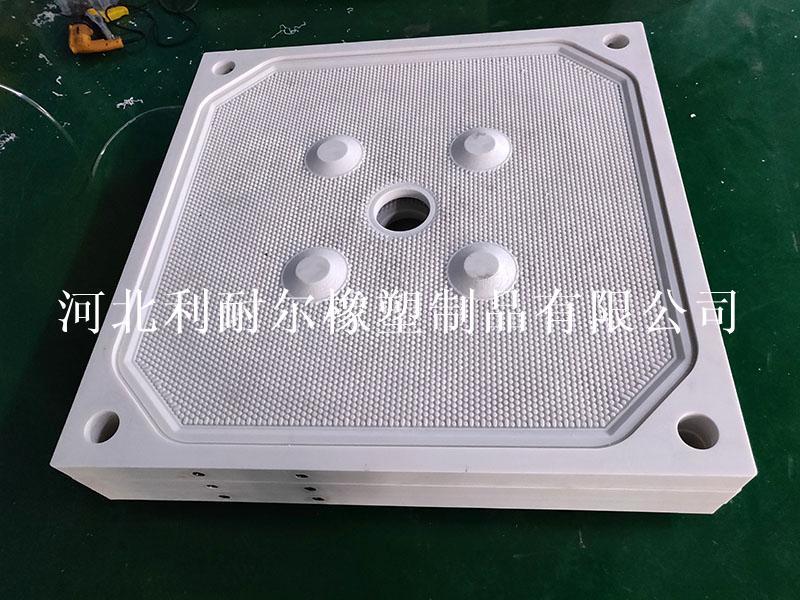
How to Choose the Right 6㎡Complete Set of Metal Filter Plate for Your Plastic Manufacturing Process
Release time:
2023-08-14
When it comes to plastic manufacturing, having the right equipment is crucial for optimal results. A 6㎡ complete set of metal filter plates can significantly improve the efficiency and quality of your plastic manufacturing process.
1. Introduction
When it comes to plastic manufacturing, having the right equipment is crucial for optimal results. A 6㎡ complete set of metal filter plates can significantly improve the efficiency and quality of your plastic manufacturing process. But with so many options available in the market, choosing the right one can be a daunting task. In this article, we will guide you through the selection process to ensure you make an informed decision.
2. Types of Metal Filter Plates
Metal filter plates come in various types, each designed to cater to specific filtration needs. The most common types include stainless steel filter plates, cast iron filter plates, and aluminum filter plates. Stainless steel filter plates are known for their corrosion resistance and durability, making them suitable for a wide range of applications. Cast iron filter plates are renowned for their high strength and heat resistance, making them ideal for demanding plastic manufacturing processes. Aluminum filter plates are lightweight and offer excellent thermal conductivity, making them suitable for applications requiring rapid heat transfer.
3. Factors to Consider
Choosing the right 6㎡ complete sets of metal filter plates involves evaluating several crucial factors. Let's explore them in detail:
3.1 Filtration Efficiency
The filtration efficiency of a metal filter plate determines its ability to remove impurities from the plastic melt effectively. Look for filter plates with fine mesh sizes that can capture even the tiniest particles. Additionally, consider the plate's filtration area, as it directly affects the throughput of your manufacturing process.
3.2 Material Compatibility
Ensure that the metal filter plate you choose is compatible with the type of plastic you are working with. Different materials have varying chemical properties, and using an incompatible filter plate can lead to contamination or reduced product quality. Consult with experts or refer to manufacturer specifications to determine the best material compatibility.
3.3 Durability and Longevity
Investing in a durable metal filter plate is crucial to avoid frequent replacements and downtime. Look for plates made from high-quality materials such as stainless steel or cast iron, as they offer excellent strength and longevity. Additionally, consider the plate's resistance to thermal stress and mechanical wear to ensure it can withstand the demands of your manufacturing process.
3.4 Flow Rate and Capacity
The flow rate and capacity of a metal filter plate determine the amount of plastic melt it can handle. Evaluate the plate's design and porosity to ensure it can accommodate your manufacturing requirements. Consider the balance between flow rate and filtration efficiency to strike the right balance for your process.
3.5 Easy Installation and Maintenance
Choose a metal filter plate that is easy to install and maintain, as this can significantly impact your production efficiency. Look for plates with user-friendly features such as quick-release mechanisms or easy-to-clean surfaces. Additionally, consider the availability of spare parts and technical support to ensure smooth operations.
Related News