
-
AboutHebei Linaier Rubber Products Co., Ltd. is located in Duqiao Industrial Zone, Jingxian City, Hebei Province, adjacent to Dezhou, Shandong. Founded in early 2001 with a registered capital of 35 million yuan, it is a scientific

-
ProductMain products: vertical and horizontal imported and domestic filter plates, diaphragm plates, diaphragms and accessories; pinch valve sleeves and pinch valves and various mining accessories.
-
NewsIn 2013, our company's high-pressure cylinder with phenolic cloth support and guide ring obtained the national key new product certificate, project number: 2013GRA20011; its products in coal cylinders and engineering hydrauli
-
ServiceWe will actively cooperate with more enthusiasm, strengthen internal management, expand the market externally, improve various performance indicators of existing products, and truly achieve our win-win situation!
-
RecruitmentOur company always adheres to the talent concept of "people-oriented", provides a growth platform for talents, and realizes the common growth and development of enterprises and talents.


language
English
العربية
বাংলাদেশ
Български
Hrvatski
Česky
Dansk
Nederland
 Esperanto
Slovenski
Filipino
Suomi
Français
Maori
 Shqiptare
Georgian
 Euskara
Deutsch
Ελλάδα
ישראל
इंडिया
Magyarország
Ísland
Indonesia
Irlanda
Italia
日本語
Sovensko
Հայաստան
한국
Kyrgyz
ປະເທດລາວ
 Zulu
Zulu
Latvian
Lithuanian
Luxembourgish
 Latinus
Macedonian
Малайская
Maltese
Монгол улс
 Cymraeg
ဗမာ
 தமிழ்
தமிழ்
नेपाल
Norge
ایران
Polska
Portugal
România
Российская
Србија
 Slovak
Србија
 Slovak
Bosanski
Slovenian
Беларус
España
Sverige
Точик
ประเทศไทย
Türk
Azərbaycan
Uzbek
 Afrikaans
Việt Nam

How to Choose the Right 1.6㎡ Non Metallic Filter Plate for Your Chemical Industry Needs
Release time:
2023-08-09
Table of Contents: 1. Introduction 2. Understanding Non-Metallic Filter Plates 3. Factors to Consider When Choosing a Filter Plate 4. The Importance of Material Compatibility 5. Determining the Appropriate Filtration Area 6. Identifying the Ideal Filtration Efficiency 7. Evaluating Filter Plate Design and Construction 8. Assessing Chemical Compatibility 9. Selecting the Right Filter Plate Manufact
Table of Contents:
1. Introduction
2. Understanding Non-Metallic Filter Plates
3. Factors to Consider When Choosing a Filter Plate
4. The Importance of Material Compatibility
5. Determining the Appropriate Filtration Area
6. Identifying the Ideal Filtration Efficiency
7. Evaluating Filter Plate Design and Construction
8. Assessing Chemical Compatibility
9. Selecting the Right Filter Plate Manufacturer
10. Frequently Asked Questions (FAQs)
11. Conclusion
Filter plates play a crucial role in the chemical industry, facilitating the separation of solids and liquids. The selection of the right non-metallic filter plate is essential for ensuring effective filtration and maintaining the overall efficiency of your chemical processes. In this article, we will guide you through the process of choosing the most suitable 1.6㎡ non-metallic filter plate for your specific needs.
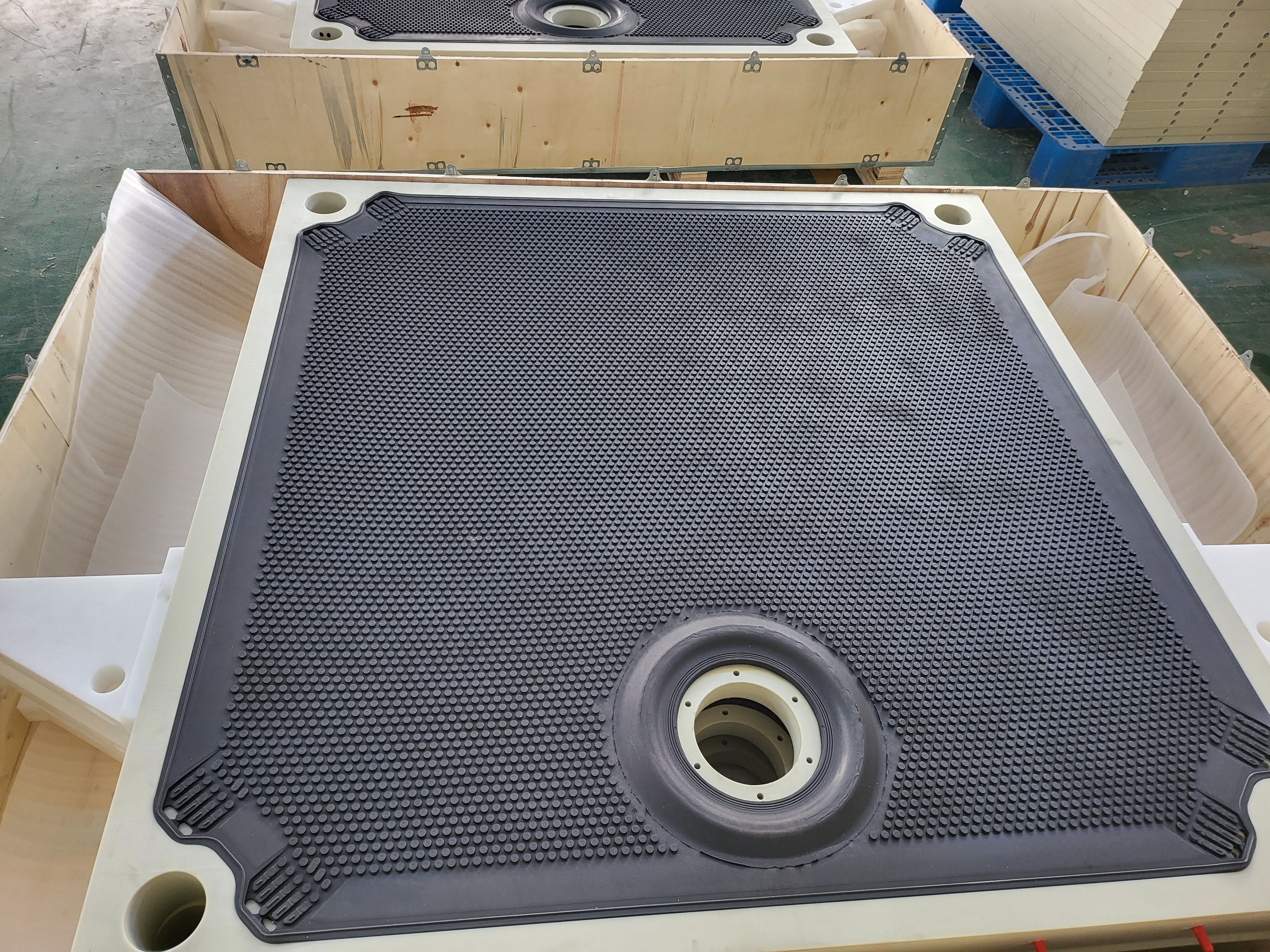
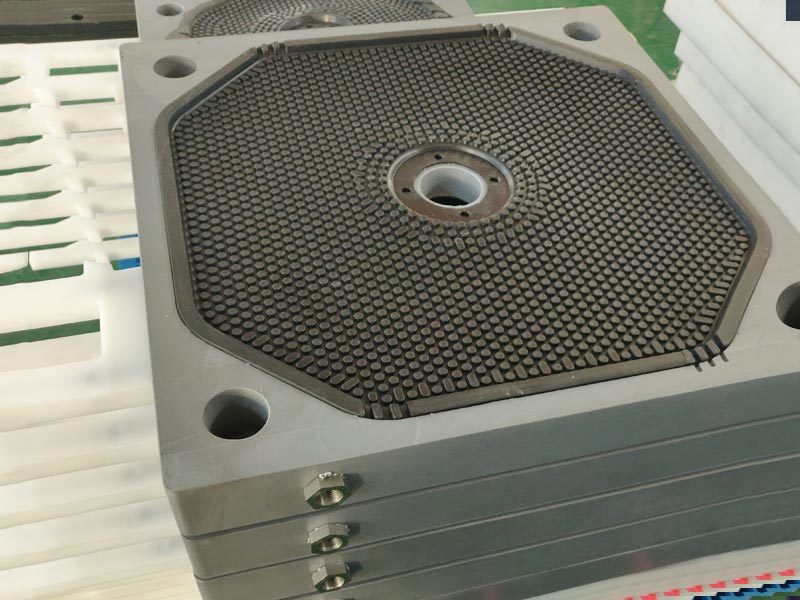
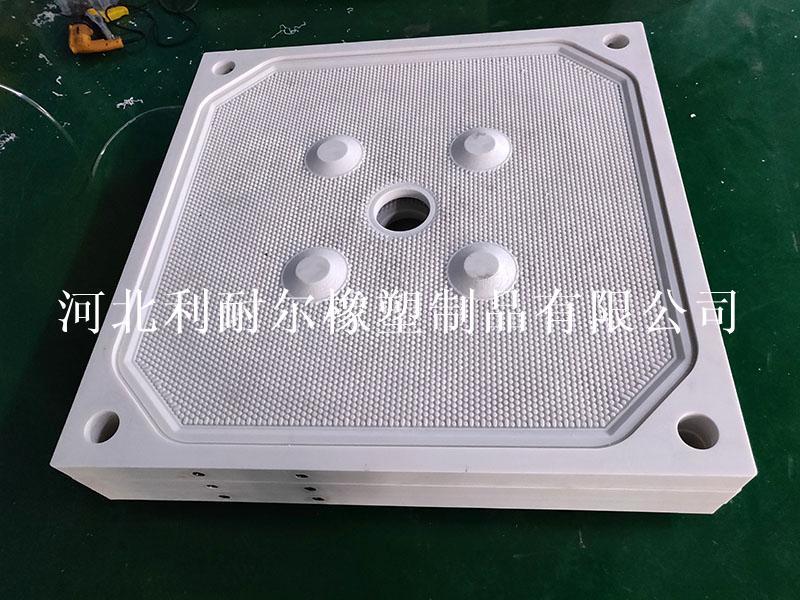
Non-metallic filter plates are made from materials such as polypropylene, polyethylene, fiberglass, or other thermoplastic polymers. These plates offer excellent chemical resistance, durability, and corrosion resistance, making them ideal for various chemical filtration applications. Understanding the properties and benefits of non-metallic filter plates is crucial before making a decision.
When selecting a filter plate, several factors need to be considered. These include material compatibility, filtration area, filtration efficiency, design and construction, chemical compatibility, and the reputation of the manufacturer. Let's explore each of these factors in detail to help you make an informed decision.
Material compatibility is a critical factor to consider when choosing a filter plate. Different chemicals and substances require specific materials to ensure compatibility and prevent any adverse reactions or contamination. It is essential to assess the chemical composition of the substances being filtered and select a filter plate material that can withstand them without degradation or compromise in performance.
The filtration area of a filter plate determines the quantity of material that can be filtered in a single cycle. It is crucial to calculate the required filtration area based on the volume of the solution to be filtered and the desired flow rate. Ensuring the filter plate has an adequate filtration area is vital for efficient filtration and avoiding any clogging or backflow issues.
Filtration efficiency refers to the ability of a filter plate to remove solid particles from a liquid solution. The desired filtration efficiency depends on the specific application and the level of purity required. Consider the particle size distribution, concentration, and the desired filtrate clarity when selecting a filter plate with the appropriate filtration efficiency.
The design and construction of a filter plate significantly impact its performance and durability. Look for features such as a sturdy frame, reinforced corners, and a seamless filter cloth attachment mechanism. A well-designed filter plate will enhance filtration efficiency, minimize leakage, and ensure ease of maintenance.
In addition to material compatibility, it is crucial to assess the chemical compatibility of the filter plate in terms of resistance to specific chemicals, temperature variations, and pressure conditions. Chemical compatibility charts provided by manufacturers can help you determine the suitability of a filter plate for your chemical industry needs.
Choosing a reputable filter plate manufacturer is essential for obtaining high-quality and reliable products. Research the manufacturer's experience, expertise, and customer reviews to ensure they have a proven track record of delivering superior filter plates. A reliable manufacturer will provide guidance, technical support, and customization options to meet your specific requirements.
Non-metallic filter plates are known for their excellent chemical resistance, making them suitable for handling a wide range of harsh chemicals. However, it is important to evaluate the specific chemical compatibility of the chosen filter plate material.
To determine the filtration area, calculate the volume of the solution to be filtered and the desired flow rate. The filtration area should be sufficient to handle the volume without causing clogging or compromising filtration efficiency.
The ideal filtration efficiency depends on the specific application and the level of purity required. Consider factors such as particle size distribution, concentration, and desired filtrate clarity to determine the appropriate filtration efficiency.
Regular maintenance and proper cleaning are essential for ensuring the longevity of your filter plate. Follow the manufacturer's guidelines for maintenance procedures and avoid exposing the filter plate to excessive pressure or temperature conditions that may compromise its integrity.
Many filter plate manufacturers offer customization options to meet the specific needs of their customers. Consult with the manufacturer to discuss your requirements and explore any customization possibilities.
Choosing the right 1.6㎡ non-metallic filter plate for your chemical industry needs is crucial for optimal filtration performance and overall process efficiency. By considering factors such as material compatibility, filtration area, filtration efficiency, design, and chemical compatibility, you can make an informed decision. Additionally, selecting a reputable filter plate manufacturer ensures high-quality products tailored to your specific requirements. Take the time to evaluate your needs and make a well-informed choice to enhance your chemical filtration processes.
1. Introduction
2. Understanding Non-Metallic Filter Plates
3. Factors to Consider When Choosing a Filter Plate
4. The Importance of Material Compatibility
5. Determining the Appropriate Filtration Area
6. Identifying the Ideal Filtration Efficiency
7. Evaluating Filter Plate Design and Construction
8. Assessing Chemical Compatibility
9. Selecting the Right Filter Plate Manufacturer
10. Frequently Asked Questions (FAQs)
11. Conclusion
1. Introduction
Filter plates play a crucial role in the chemical industry, facilitating the separation of solids and liquids. The selection of the right non-metallic filter plate is essential for ensuring effective filtration and maintaining the overall efficiency of your chemical processes. In this article, we will guide you through the process of choosing the most suitable 1.6㎡ non-metallic filter plate for your specific needs.
2. Understanding Non-Metallic Filter Plates
Non-metallic filter plates are made from materials such as polypropylene, polyethylene, fiberglass, or other thermoplastic polymers. These plates offer excellent chemical resistance, durability, and corrosion resistance, making them ideal for various chemical filtration applications. Understanding the properties and benefits of non-metallic filter plates is crucial before making a decision.
3. Factors to Consider When Choosing a Filter Plate
When selecting a filter plate, several factors need to be considered. These include material compatibility, filtration area, filtration efficiency, design and construction, chemical compatibility, and the reputation of the manufacturer. Let's explore each of these factors in detail to help you make an informed decision.
4. The Importance of Material Compatibility
Material compatibility is a critical factor to consider when choosing a filter plate. Different chemicals and substances require specific materials to ensure compatibility and prevent any adverse reactions or contamination. It is essential to assess the chemical composition of the substances being filtered and select a filter plate material that can withstand them without degradation or compromise in performance.
5. Determining the Appropriate Filtration Area
The filtration area of a filter plate determines the quantity of material that can be filtered in a single cycle. It is crucial to calculate the required filtration area based on the volume of the solution to be filtered and the desired flow rate. Ensuring the filter plate has an adequate filtration area is vital for efficient filtration and avoiding any clogging or backflow issues.
6. Identifying the Ideal Filtration Efficiency
Filtration efficiency refers to the ability of a filter plate to remove solid particles from a liquid solution. The desired filtration efficiency depends on the specific application and the level of purity required. Consider the particle size distribution, concentration, and the desired filtrate clarity when selecting a filter plate with the appropriate filtration efficiency.
7. Evaluating Filter Plate Design and Construction
The design and construction of a filter plate significantly impact its performance and durability. Look for features such as a sturdy frame, reinforced corners, and a seamless filter cloth attachment mechanism. A well-designed filter plate will enhance filtration efficiency, minimize leakage, and ensure ease of maintenance.
8. Assessing Chemical Compatibility
In addition to material compatibility, it is crucial to assess the chemical compatibility of the filter plate in terms of resistance to specific chemicals, temperature variations, and pressure conditions. Chemical compatibility charts provided by manufacturers can help you determine the suitability of a filter plate for your chemical industry needs.
9. Selecting the Right Filter Plate Manufacturer
Choosing a reputable filter plate manufacturer is essential for obtaining high-quality and reliable products. Research the manufacturer's experience, expertise, and customer reviews to ensure they have a proven track record of delivering superior filter plates. A reliable manufacturer will provide guidance, technical support, and customization options to meet your specific requirements.
10. Frequently Asked Questions (FAQs)
Q1: Can non-metallic filter plates withstand harsh chemicals?
Non-metallic filter plates are known for their excellent chemical resistance, making them suitable for handling a wide range of harsh chemicals. However, it is important to evaluate the specific chemical compatibility of the chosen filter plate material.
Q2: How do I determine the filtration area required?
To determine the filtration area, calculate the volume of the solution to be filtered and the desired flow rate. The filtration area should be sufficient to handle the volume without causing clogging or compromising filtration efficiency.
Q3: What is the ideal filtration efficiency for my application?
The ideal filtration efficiency depends on the specific application and the level of purity required. Consider factors such as particle size distribution, concentration, and desired filtrate clarity to determine the appropriate filtration efficiency.
Q4: How do I ensure the longevity of my filter plate?
Regular maintenance and proper cleaning are essential for ensuring the longevity of your filter plate. Follow the manufacturer's guidelines for maintenance procedures and avoid exposing the filter plate to excessive pressure or temperature conditions that may compromise its integrity.
Q5: Can I customize the design of a filter plate for my unique needs?
Many filter plate manufacturers offer customization options to meet the specific needs of their customers. Consult with the manufacturer to discuss your requirements and explore any customization possibilities.
11. Conclusion
Choosing the right 1.6㎡ non-metallic filter plate for your chemical industry needs is crucial for optimal filtration performance and overall process efficiency. By considering factors such as material compatibility, filtration area, filtration efficiency, design, and chemical compatibility, you can make an informed decision. Additionally, selecting a reputable filter plate manufacturer ensures high-quality products tailored to your specific requirements. Take the time to evaluate your needs and make a well-informed choice to enhance your chemical filtration processes.
Related News