
-
AboutHebei Linaier Rubber Products Co., Ltd. is located in Duqiao Industrial Zone, Jingxian City, Hebei Province, adjacent to Dezhou, Shandong. Founded in early 2001 with a registered capital of 35 million yuan, it is a scientific

-
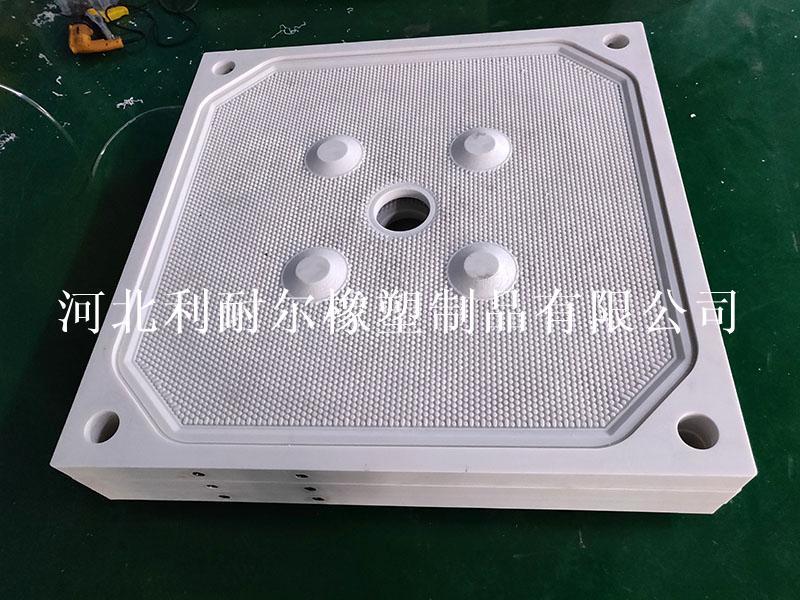
ProductMain products: vertical and horizontal imported and domestic filter plates, diaphragm plates, diaphragms and accessories; pinch valve sleeves and pinch valves and various mining accessories.
-
NewsIn 2013, our company's high-pressure cylinder with phenolic cloth support and guide ring obtained the national key new product certificate, project number: 2013GRA20011; its products in coal cylinders and engineering hydrauli
-
ServiceWe will actively cooperate with more enthusiasm, strengthen internal management, expand the market externally, improve various performance indicators of existing products, and truly achieve our win-win situation!
-
RecruitmentOur company always adheres to the talent concept of "people-oriented", provides a growth platform for talents, and realizes the common growth and development of enterprises and talents.


language
English
العربية
বাংলাদেশ
Български
Hrvatski
Česky
Dansk
Nederland
 Esperanto
Slovenski
Filipino
Suomi
Français
Maori
 Shqiptare
Georgian
 Euskara
Deutsch
Ελλάδα
ישראל
इंडिया
Magyarország
Ísland
Indonesia
Irlanda
Italia
日本語
Sovensko
Հայաստան
한국
Kyrgyz
ປະເທດລາວ
 Zulu
Zulu
Latvian
Lithuanian
Luxembourgish
 Latinus
Macedonian
Малайская
Maltese
Монгол улс
 Cymraeg
ဗမာ
 தமிழ்
தமிழ்
नेपाल
Norge
ایران
Polska
Portugal
România
Российская
Србија
 Slovak
Србија
 Slovak
Bosanski
Slovenian
Беларус
España
Sverige
Точик
ประเทศไทย
Türk
Azərbaycan
Uzbek
 Afrikaans
Việt Nam

Sustainable Manufacturing: How Rubber Diaphragms Drive Eco-Friendly Practices
Release time:
2023-08-05
Table of Contents 1. Introduction: The Importance of Sustainable Manufacturing 2. Understanding Rubber Diaphragms: A Versatile Eco-Friendly Solution 3. Environmental Benefits of Rubber Diaphragms 4. Waste Reduction: A Key Advantage of Rubber Diaphragms 5. Energy Efficiency: How Rubber Diaphragms Help Conserve Power 6. Pollution Prevention: The Role of Rubber Diaphragms in Reducing Emissions 7. Sus
Table of Contents
1. Introduction: The Importance of Sustainable Manufacturing
2. Understanding Rubber Diaphragms: A Versatile Eco-Friendly Solution
3. Environmental Benefits of Rubber Diaphragms
4. Waste Reduction: A Key Advantage of Rubber Diaphragms
5. Energy Efficiency: How Rubber Diaphragms Help Conserve Power
6. Pollution Prevention: The Role of Rubber Diaphragms in Reducing Emissions
7. Sustainable Material Selection: Why Rubber Diaphragms Are a Smart Choice
8. Longevity and Durability: The Economic and Environmental Impact
9. FAQs: Frequently Asked Questions about Rubber Diaphragms
9.1 What are rubber diaphragms made of?
9.2 How are rubber diaphragms manufactured?
9.3 Are rubber diaphragms recyclable?
9.4 Can rubber diaphragms be used in various industries?
9.5 What are the cost implications of using rubber diaphragms?
10. Conclusion: Embracing Rubber Diaphragms for a Greener Future
1. Introduction: The Importance of Sustainable Manufacturing
In today's world, sustainable manufacturing practices are becoming increasingly vital to address the environmental challenges we face. This article explores the significant role that rubber diaphragms play in driving eco-friendly practices within the manufacturing industry. By adopting these components, companies can contribute to a greener and more sustainable future.
2. Understanding Rubber Diaphragms: A Versatile Eco-Friendly Solution
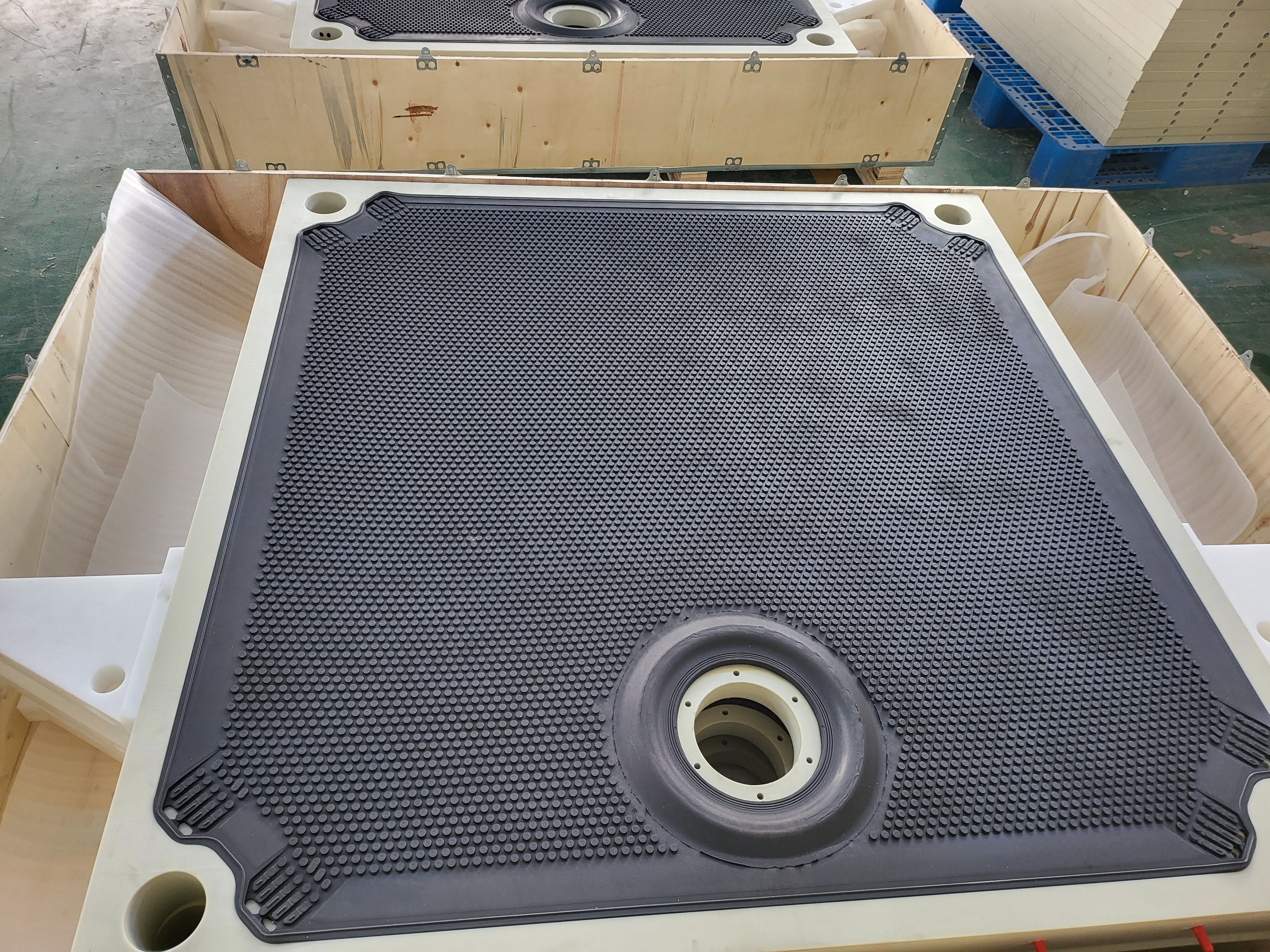
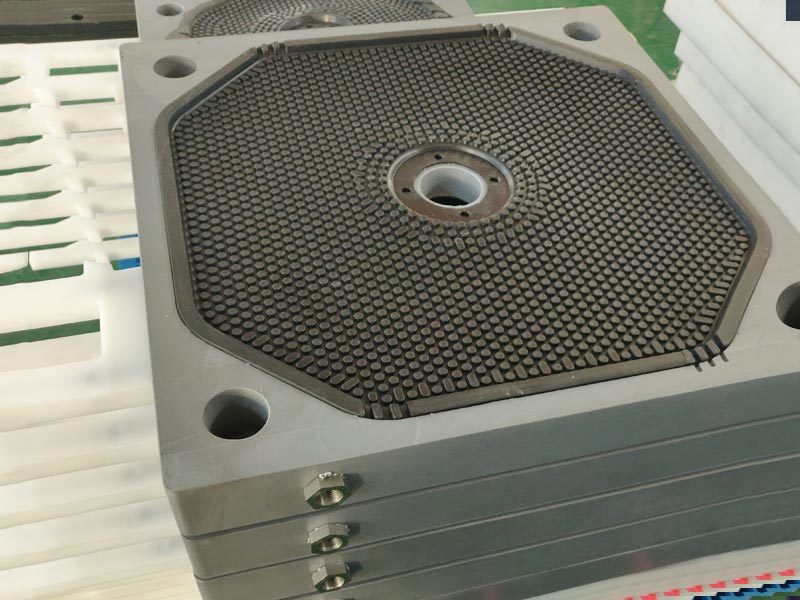
Rubber diaphragms are flexible seals used in various applications, such as pumps, valves, actuators, and control devices. They are typically made from synthetic rubber materials, providing a versatile and reliable solution for industrial needs. Due to their composition and design, rubber diaphragms offer several environmental advantages over alternative options.
3. Environmental Benefits of Rubber Diaphragms
Rubber diaphragms offer several environmental benefits that contribute to sustainable manufacturing practices. These include waste reduction, energy efficiency, and pollution prevention. By understanding these advantages, companies can make informed decisions about incorporating rubber diaphragms into their operations.
4. Waste Reduction: A Key Advantage of Rubber Diaphragms
Rubber diaphragms significantly reduce waste generation in manufacturing processes. Their durability and long lifespan minimize the need for frequent replacements, resulting in lower material consumption. Additionally, the ability to create customized diaphragms reduces the likelihood of excess or leftover inventory, further reducing waste.
5. Energy Efficiency: How Rubber Diaphragms Help Conserve Power
Rubber diaphragms contribute to energy efficiency by requiring less power to operate compared to alternative sealing methods. Their flexibility and ability to form tight seals reduce energy losses and improve overall system performance. By utilizing rubber diaphragms, companies can decrease energy consumption, leading to cost savings and reduced environmental impact.
6. Pollution Prevention: The Role of Rubber Diaphragms in Reducing Emissions
Rubber diaphragms help prevent pollution by minimizing the risk of leaks and emissions. Tight seals provided by rubber diaphragms reduce the escape of harmful substances, ensuring a safer working environment and preventing potential environmental contamination. By effectively containing fluids and gases, rubber diaphragms contribute to cleaner and greener manufacturing practices.
7. Sustainable Material Selection: Why Rubber Diaphragms Are a Smart Choice
Choosing sustainable materials is crucial in promoting eco-friendly manufacturing. Rubber diaphragms are often made from recyclable materials, reducing the environmental impact of their production and disposal. Furthermore, the versatility of rubber allows for the incorporation of recycled content, further enhancing their sustainability.
8. Longevity and Durability: The Economic and Environmental Impact
The durability and longevity of rubber diaphragms make them a cost-effective and environmentally-friendly choice for manufacturers. Their resistance to wear, tear, and chemical degradation ensures longer operational lifespans, reducing the need for frequent replacements. This not only translates into significant cost savings but also minimizes waste generation and raw material consumption.
9. FAQs: Frequently Asked Questions about Rubber Diaphragms
9.1 What are rubber diaphragms made of?
Rubber diaphragms are typically made of synthetic rubber materials such as Nitrile (NBR), EPDM, or Silicone.
9.2 How are rubber diaphragms manufactured?
Rubber diaphragms are manufactured through a process called compression molding, where uncured rubber is placed in a mold and subjected to heat and pressure to form the desired shape.
9.3 Are rubber diaphragms recyclable?
Yes, rubber diaphragms are recyclable. The recycling process involves shredding used diaphragms and reprocessing the rubber material for use in new products.
9.4 Can rubber diaphragms be used in various industries?
Yes, rubber diaphragms find applications in industries such as automotive, medical, aerospace, oil and gas, and many others due to their versatility and compatibility with different fluids and gases.
9.5 What are the cost implications of using rubber diaphragms?
While the initial cost of rubber diaphragms may be slightly higher than alternative options, their durability and long lifespan result in significant cost savings over time. Additionally, the environmental benefits they provide contribute to overall cost-effectiveness.
10. Conclusion: Embracing Rubber Diaphragms for a Greener Future
Rubber diaphragms offer a multitude of environmental benefits, making them a crucial component for sustainable manufacturing practices. From waste reduction and energy efficiency to pollution prevention and material sustainability, the advantages they provide contribute to a greener and more eco-friendly manufacturing industry. By embracing rubber diaphragms, companies can actively contribute to a sustainable future while reaping economic benefits.
1. Introduction: The Importance of Sustainable Manufacturing
2. Understanding Rubber Diaphragms: A Versatile Eco-Friendly Solution
3. Environmental Benefits of Rubber Diaphragms
4. Waste Reduction: A Key Advantage of Rubber Diaphragms
5. Energy Efficiency: How Rubber Diaphragms Help Conserve Power
6. Pollution Prevention: The Role of Rubber Diaphragms in Reducing Emissions
7. Sustainable Material Selection: Why Rubber Diaphragms Are a Smart Choice
8. Longevity and Durability: The Economic and Environmental Impact
9. FAQs: Frequently Asked Questions about Rubber Diaphragms
9.1 What are rubber diaphragms made of?
9.2 How are rubber diaphragms manufactured?
9.3 Are rubber diaphragms recyclable?
9.4 Can rubber diaphragms be used in various industries?
9.5 What are the cost implications of using rubber diaphragms?
10. Conclusion: Embracing Rubber Diaphragms for a Greener Future
1. Introduction: The Importance of Sustainable Manufacturing
In today's world, sustainable manufacturing practices are becoming increasingly vital to address the environmental challenges we face. This article explores the significant role that rubber diaphragms play in driving eco-friendly practices within the manufacturing industry. By adopting these components, companies can contribute to a greener and more sustainable future.
2. Understanding Rubber Diaphragms: A Versatile Eco-Friendly Solution
Rubber diaphragms are flexible seals used in various applications, such as pumps, valves, actuators, and control devices. They are typically made from synthetic rubber materials, providing a versatile and reliable solution for industrial needs. Due to their composition and design, rubber diaphragms offer several environmental advantages over alternative options.
3. Environmental Benefits of Rubber Diaphragms
Rubber diaphragms offer several environmental benefits that contribute to sustainable manufacturing practices. These include waste reduction, energy efficiency, and pollution prevention. By understanding these advantages, companies can make informed decisions about incorporating rubber diaphragms into their operations.
4. Waste Reduction: A Key Advantage of Rubber Diaphragms
Rubber diaphragms significantly reduce waste generation in manufacturing processes. Their durability and long lifespan minimize the need for frequent replacements, resulting in lower material consumption. Additionally, the ability to create customized diaphragms reduces the likelihood of excess or leftover inventory, further reducing waste.
5. Energy Efficiency: How Rubber Diaphragms Help Conserve Power
Rubber diaphragms contribute to energy efficiency by requiring less power to operate compared to alternative sealing methods. Their flexibility and ability to form tight seals reduce energy losses and improve overall system performance. By utilizing rubber diaphragms, companies can decrease energy consumption, leading to cost savings and reduced environmental impact.
6. Pollution Prevention: The Role of Rubber Diaphragms in Reducing Emissions
Rubber diaphragms help prevent pollution by minimizing the risk of leaks and emissions. Tight seals provided by rubber diaphragms reduce the escape of harmful substances, ensuring a safer working environment and preventing potential environmental contamination. By effectively containing fluids and gases, rubber diaphragms contribute to cleaner and greener manufacturing practices.
7. Sustainable Material Selection: Why Rubber Diaphragms Are a Smart Choice
Choosing sustainable materials is crucial in promoting eco-friendly manufacturing. Rubber diaphragms are often made from recyclable materials, reducing the environmental impact of their production and disposal. Furthermore, the versatility of rubber allows for the incorporation of recycled content, further enhancing their sustainability.
8. Longevity and Durability: The Economic and Environmental Impact
The durability and longevity of rubber diaphragms make them a cost-effective and environmentally-friendly choice for manufacturers. Their resistance to wear, tear, and chemical degradation ensures longer operational lifespans, reducing the need for frequent replacements. This not only translates into significant cost savings but also minimizes waste generation and raw material consumption.
9. FAQs: Frequently Asked Questions about Rubber Diaphragms
9.1 What are rubber diaphragms made of?
Rubber diaphragms are typically made of synthetic rubber materials such as Nitrile (NBR), EPDM, or Silicone.
9.2 How are rubber diaphragms manufactured?
Rubber diaphragms are manufactured through a process called compression molding, where uncured rubber is placed in a mold and subjected to heat and pressure to form the desired shape.
9.3 Are rubber diaphragms recyclable?
Yes, rubber diaphragms are recyclable. The recycling process involves shredding used diaphragms and reprocessing the rubber material for use in new products.
9.4 Can rubber diaphragms be used in various industries?
Yes, rubber diaphragms find applications in industries such as automotive, medical, aerospace, oil and gas, and many others due to their versatility and compatibility with different fluids and gases.
9.5 What are the cost implications of using rubber diaphragms?
While the initial cost of rubber diaphragms may be slightly higher than alternative options, their durability and long lifespan result in significant cost savings over time. Additionally, the environmental benefits they provide contribute to overall cost-effectiveness.
10. Conclusion: Embracing Rubber Diaphragms for a Greener Future
Rubber diaphragms offer a multitude of environmental benefits, making them a crucial component for sustainable manufacturing practices. From waste reduction and energy efficiency to pollution prevention and material sustainability, the advantages they provide contribute to a greener and more eco-friendly manufacturing industry. By embracing rubber diaphragms, companies can actively contribute to a sustainable future while reaping economic benefits.
Related News